
Chengdu, the capital of Sichuan Province in southwestern China, has emerged as one of the country’s most popular travel destinations, combining a rich cultural heritage with world-famous cuisine and the most adorable ambassadors of wildlife conservation on the planet. The city is best known internationally as the home of the giant panda, but Chengdu offers visitors far more than just these beloved bears. This comprehensive Chengdu travel guide will walk you through everything you need to know about visiting this fascinating city.
Understanding Chengdu: Geography, Climate, and Getting Around
Chengdu is located in the western part of the Sichuan Basin, surrounded by mountains on three sides. The city covers an area of over 12,000 square kilometers, making it one of the largest cities in western China. Chengdu has been the capital of Sichuan Province for over 2,000 years and was once the capital of the Shu Kingdom during the Three Kingdoms period.
The Chengdu climate is subtropical and humid, characterized by mild winters and hot summers. The city is famous for its frequent fog and overcast weather, earning it the nickname “the city of fog.” The best times to visit are during spring (March to May) and autumn (September to November) when the weather is pleasant.
Getting around Chengdu is convenient thanks to the city’s expanding metro system, which currently has seven lines covering the city center. Taxis and ride-hailing services like Didi are inexpensive and widely available.
The Giant Panda: Chengdu’s Most Beloved Residents
Chengdu is internationally recognized as the best place to see giant pandas in their natural-like habitat. The city is home to several panda research and breeding facilities that have played a crucial role in the conservation of this endangered species.
The Chengdu Research Base of Giant Panda Breeding, located just 10 kilometers from the city center, is the world’s largest panda breeding facility. The base currently houses more than 100 giant pandas and has successfully bred more than 200 cubs since its establishment in 1987. Visitors can observe pandas of all ages, from newborn cubs in incubators to fully grown adults lounging in specially designed enclosures.
The Dujiangyan Panda Valley, located about 50 kilometers from Chengdu, offers a more natural experience where visitors can see pandas in larger, more natural enclosures. For the most adventurous, the Bifengxia Panda Base offers opportunities to participate in panda volunteer programs, where you can help prepare bamboo, clean enclosures, and learn about panda care from the dedicated keepers.
Exploring Chengdu’s Historic Heart
Chengdu’s historic center offers a fascinating blend of traditional Sichuan architecture and modern urban development. The Jinjiang River flows through the heart of the city, bordered by parks, tea houses, and historic temples.
People’s Park is the social heart of Chengdu, where locals gather daily for tai chi, dancing, calligraphy, and the essential ritual of afternoon tea. The park’s teahouses, particularly the ancient BPM teahouse, offer an authentic window into the laid-back Chengdu lifestyle that has earned the city the nickname “China’s most relaxing city.”
The Historic Jinjiang River and Wuhou Shrine
The Jinjiang River, flowing through the heart of Chengdu, is lined with beautiful parks, historic bridges, and traditional teahouses. The river takes its name from the legendary Plum River, and walking along its banks offers beautiful views of the city’s blend of ancient and modern architecture.
The Wuhou Shrine, dedicated to the legendary Shu Prime Minister Zhuge Liang, is one of Chengdu’s most historically significant sites. Built in 223 AD during the Three Kingdoms period, the shrine commemorates the wisdom and loyalty of Zhuge Liang, one of Chinese history’s most revered figures. The attached Jinsha site museum houses artifacts from the ancient Shu Kingdom capital.
Chengdu’s Legendary Food Scene
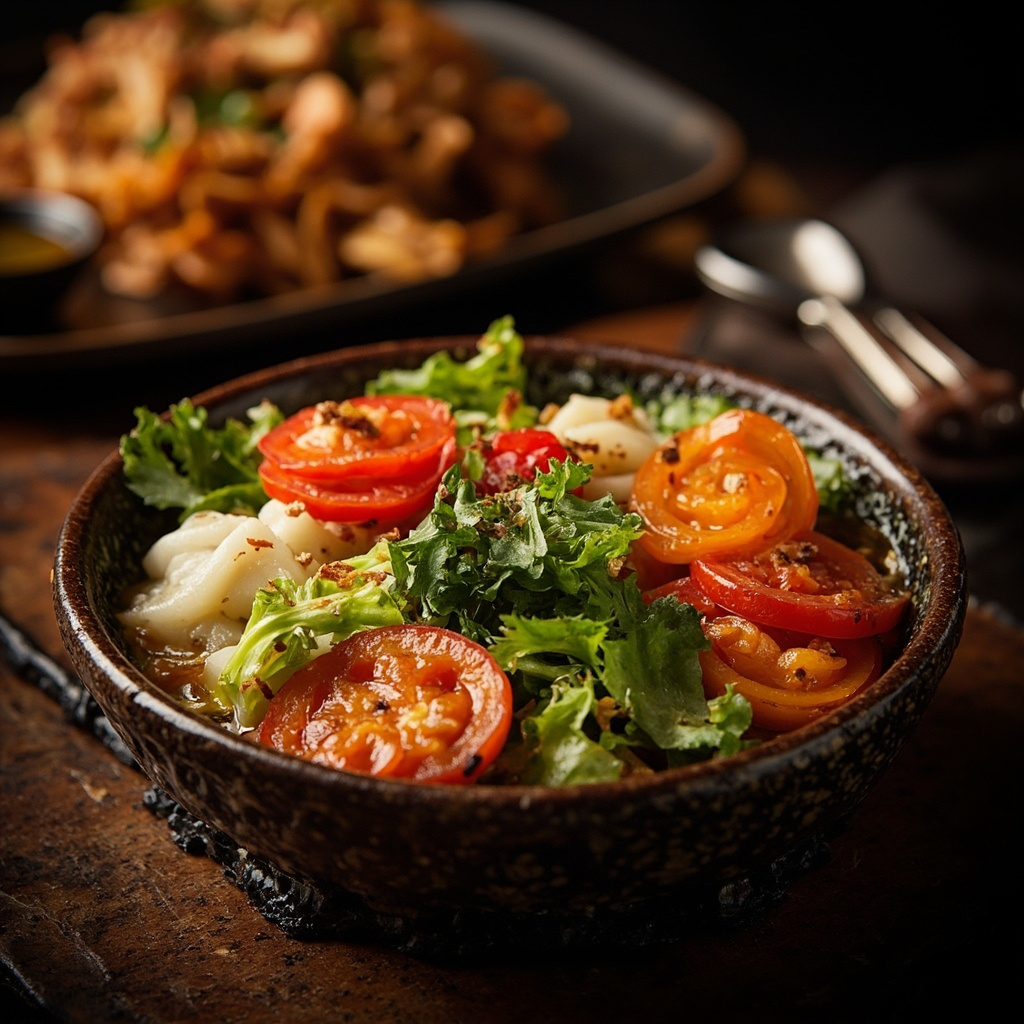
Chengdu is internationally recognized as the birthplace of Sichuan cuisine, one of China’s eight great culinary traditions. The city’s food is characterized by the distinctive “mala” (numbing and spicy) flavor profile created by the combination of Sichuan peppercorns and chili peppers.
The must-try dish in Chengdu is Mapo Tofu, a dish of tofu in spicy Sichuan sauce with minced pork. Other essential dishes include Kung Pao Chicken, Dan Dan Noodles, and Chengdu Hotpot, a communal cooking experience that brings friends and families together around a bubbling pot of spicy broth. Street food stalls around Jinli Street offer an accessible introduction to Chengdu’s extraordinary food culture.
Conclusion
Chengdu is a city that captures the heart. Whether you come for the adorable giant pandas, the fascinating Three Kingdoms history, the beautiful natural surroundings of Sichuan, or the legendary Sichuan cuisine, Chengdu promises an experience that combines ancient culture with modern charm.