Xi’an, the ancient capital of China and the starting point of the legendary Silk Road, stands as one of China’s most historically significant cities. For travelers passionate about Chinese history, culture, and archaeology, Xi’an offers an unparalleled window into China’s imperial past, with the Terracotta Army standing as the crown jewel of this extraordinary heritage. This comprehensive Xi’an travel guide covers everything from the world-famous Terracotta Army to the ancient city walls, the Big Wild Goose Pagoda, and the vibrant Muslim Quarter.
Understanding Xi’an: Geography, Climate, and Getting Around
Xi’an is located in the heart of the Guanzhong Plain in Shaanxi Province, approximately 900 kilometers southwest of Beijing. The city sits at the geographic center of China, which historically made it the ideal location for the imperial capital. Xi’an served as the capital for no fewer than 13 Chinese dynasties over a period of more than 1,100 years, from the Zhou Dynasty in the 11th century BCE to the Tang Dynasty in the 10th century CE.
The Xi’an climate is continental, characterized by hot summers and cold winters. The best times to visit are during spring (April to May) and autumn (September to October) when the weather is pleasant and the city is at its most beautiful. Summer can be extremely hot, with temperatures often exceeding 35 degrees Celsius.
Getting around Xi’an is convenient thanks to the city’s developing metro system and extensive bus network. Taxis and ride-hailing services are inexpensive and widely available. The city is compact enough that many attractions can be reached on foot or by short taxi rides.
The Terracotta Army: China’s Greatest Archaeological Discovery
The Terracotta Army, known in Chinese as Bingmayong, is arguably the most significant archaeological discovery of the 20th century. Created over 2,000 years ago during the reign of Emperor Qin Shi Huang, the first emperor of unified China, this extraordinary collection of thousands of life-sized clay soldiers, horses, and chariots was designed to protect the emperor in his afterlife.

The site covers approximately 22 square kilometers and consists of three main pits containing more than 8,000 soldiers, 130 chariots, and 670 horses. Each figure, standing approximately 1.7 to 1.9 meters tall, has unique facial features, with archaeologists estimating it would take more than 38 years to create the same number of figures using traditional methods today.
The Terracotta Army Museum is divided into three main pits. Pit 1, the largest at 230 meters long, contains the main army of 6,000 soldiers facing east. Pit 2 contains cavalry, infantry, and archers. Pit 3, the smallest, is believed to be the command headquarters. The museum also features an excellent exhibition of artifacts from the excavation and the world-renowned bronze chariots and horses.
The Ancient City Wall: Walking on Millennium-Old Defenses
Xi’an’s ancient city wall, built during the early Ming Dynasty in 1378, is one of the best-preserved city walls in China. The wall stands 12 meters high, is 13.7 kilometers long, and is topped by a road wide enough for a horse-drawn carriage. The wall has been extensively restored but still retains its original character and atmosphere, with the different gates and towers offering fascinating insights into ancient Chinese military architecture.
Walking or cycling along the top of the city wall is one of Xi’an’s most rewarding experiences. Bicycle rental stations are available at several points along the wall, offering a unique perspective on the city layout and the surrounding neighborhoods. At night, the wall is beautifully illuminated, and the South Gate is particularly spectacular when the light show transforms the ancient fortifications into a living tapestry of color and history.
The Big Wild Goose Pagoda and Small Wild Goose Pagoda
The Big Wild Goose Pagoda, built in 652 during the Tang Dynasty, is one of Xi’an’s most iconic landmarks. Originally constructed to hold Buddhist scriptures brought from India by the monk Xuanzang, the pagoda stands 64 meters tall and offers panoramic views of the city from its observation deck. Xuanzang spent nearly 20 years traveling through Central Asia and India on foot, and the pagoda stands as a monument to his extraordinary dedication to Buddhist scholarship.
The nearby Small Wild Goose Pagoda, built in 706, stands 43 meters tall and is equally impressive. Both pagodas are UNESCO World Heritage Sites and essential destinations for anyone visiting Xi’an. The surrounding temple complex offers beautiful gardens and is one of the most peaceful spots in the city.
The Muslim Quarter and Great Mosque of Xi’an
The Muslim Quarter, centered around the Great Mosque of Xi’an, is one of the oldest and largest Muslim communities in China. The area has been home to a Muslim community for over 1,000 years, since the Silk Road first brought merchants and scholars from Central Asia and the Middle East to this ancient capital.
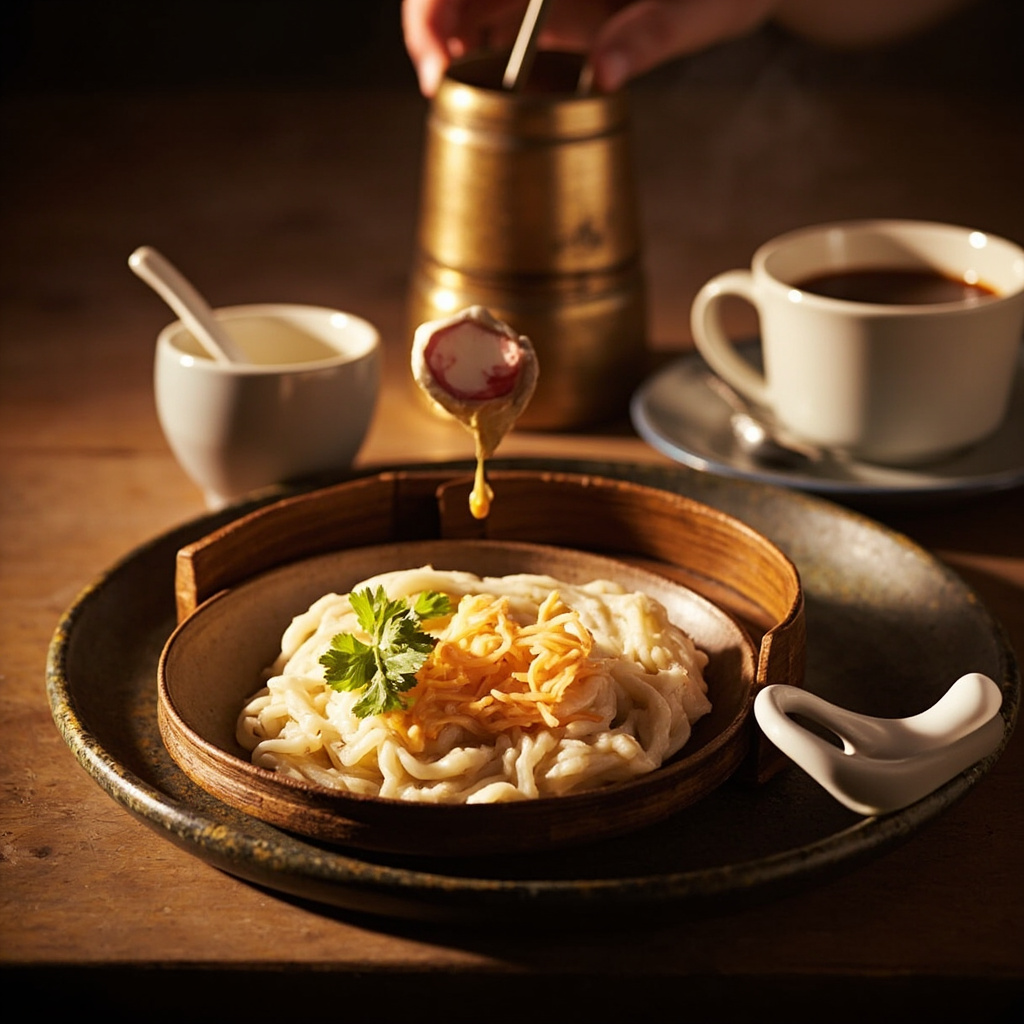
Walking through the narrow streets of the Muslim Quarter, you will encounter a fascinating blend of Chinese and Islamic cultures. The neighborhood is famous for its street food, particularly lamb skewers, roujiamo (Chinese burger), and various noodle dishes that have been satisfying hungry travelers for generations. The Great Mosque itself, founded in 742, is one of the oldest and most revered mosques in China, with its gardens, halls, and minarets representing a beautiful synthesis of Chinese and Islamic architectural traditions.
Conclusion
Xi’an is a city that should be on every traveler’s China itinerary. Its extraordinary archaeological sites, well-preserved city walls, ancient pagodas, and vibrant food scene make it one of China’s most rewarding destinations. Whether you come for the Terracotta Army, the ancient city wall, or the delicious Muslim Quarter street food, Xi’an promises an unforgettable journey through China’s imperial past and the extraordinary civilization that flourished along the ancient Silk Road.