# Chinese Tea Culture: Traditional Tea Types and Ceremonies
The morning mist still clings to the terraced gardens of Hangzhou when the tea pickers begin their work. Moving through the rows of emerald green Longjing bushes with practiced hands, they select only the tender two leaves and bud—a harvesting method unchanged for centuries. This scene, repeated across China’s diverse landscapes from the misty highlands of Yunnan to the volcanic soil of Fujian, offers a glimpse into a tradition that has shaped Chinese civilization for nearly 5,000 years.
Chinese tea culture represents far more than the simple act of steeping leaves in hot water. It encompasses philosophy, medicine, commerce, diplomacy, and the very essence of Chinese hospitality. Understanding this ancient tradition opens doors to appreciating how the Chinese have approached wellness, social connection, and mindfulness for millennia.
## The Ancient Roots of Tea in China
The legendary origin of tea dates to 2737 BCE, when Emperor Shen Nung sat beneath a Camellia sinensis tree while his servant boiled water. Leaves from the tree drifted into his cup, and the resulting infusion changed the course of culinary history. Whether or not this origin story holds literal truth, archaeological evidence confirms that tea consumption in China dates back to the Western Han dynasty (206 BCE – 220 CE), with early references appearing in classical texts as both a medicinal beverage and a refreshing drink.
During the Tang dynasty (618–907 CE), tea transformed from a regional specialty into a national obsession. Lu Yu, often called the Sage of Tea, codified brewing techniques and tea etiquette in his seminal work, *The Classic of Tea* (Cha Jing), written around 760 CE. This 7,000-character text established tea as a philosophical pursuit worthy of scholarly attention. Lu Yu’s influence shaped tea culture for over a millennium, establishing principles that remain relevant today.
The Song dynasty (960–1279 CE) witnessed the refinement of powdered tea preparations, where tea masters whisked tea paste with hot water in elaborate ceremonies that influenced the later development of Japanese matcha traditions. When the Ming dynasty (1368–1644 CE) arrived, Emperor Hongwu revolutionized the industry by promoting loose-leaf tea over compressed tea cakes, making quality tea accessible to commoners while preserving ceremonial traditions for elites.
Today, China produces approximately 3 million metric tons of tea annually—roughly 40% of global output. Yet the nation’s relationship with tea transcends mere production numbers. For the Chinese, tea represents a bridge between past and present, a daily ritual that connects urban professionals to agricultural traditions dating back millennia.
## The Six Tea Families: Understanding Authentic Chinese Tea Types
Chinese tea’s extraordinary diversity stems from variations in processing methods applied to the same basic plant, Camellia sinensis. Understanding the six major categories helps navigate menus in teahouses from Chengdu to Shanghai.
**Green Tea (Lu Cha)** dominates Chinese tea production, accounting for about 20% of total output. Minimal oxidation preserves the leaves’ natural green color and fresh, vegetal characteristics. Hangzhou’s Longjing (Dragon Well) stands as the most celebrated green tea globally. Its flat, sword-shaped leaves produce a pale golden liquor with chestnut and sweet grass notes. Authentic Longjing commands prices reaching $3,000 per kilogram for pre-Qingming harvests, when only the first spring buds are plucked.
**White Tea (Bai Cha)** undergoes minimal processing—simply withered and dried. This gentle approach preserves high concentrations of antioxidants and creates subtle, honey-sweet flavors. Fujian province produces the most renowned varieties, including silver needle (Bai Hao Yin Zhen) and white peony (Bai Mu Dan). White tea ages remarkably well, with properly stored specimens developing complex, dried fruit and honey characteristics over decades.
**Yellow Tea (Huang Cha)** occupies a unique niche, featuring a rare “smothering” step where damp leaves are stacked and allowed to gently warm, creating distinctive mellow flavors between green and white teas. Junshan Yinzhen, from Hunan province, represents the pinnacle of this rarely exported category.
**Oolong Tea (Wu Long Cha)** spans an extraordinary range from green-ish to nearly black, depending on oxidation levels. Taiwan and Fujian produce the most celebrated varieties. Tieguanyin, named after the Iron Goddess of Mercy, offers floral, orchid notes with creamy texture. High-mountain Taiwanese oolongs like Ali Shan develop remarkable complexity due to elevation growing conditions, with afternoon mists and temperature swings concentrating sugars and amino acids in the leaves.
**Red Tea (Hong Cha)**, known as black tea in Western markets, undergoes full oxidation, yielding robust, malty flavors. Yunnan province’s Dian Hong features golden, fuzzy buds producing honey and cocoa notes, while Keemun, from Anhui, offers wine-like complexity prized in British tea blends.
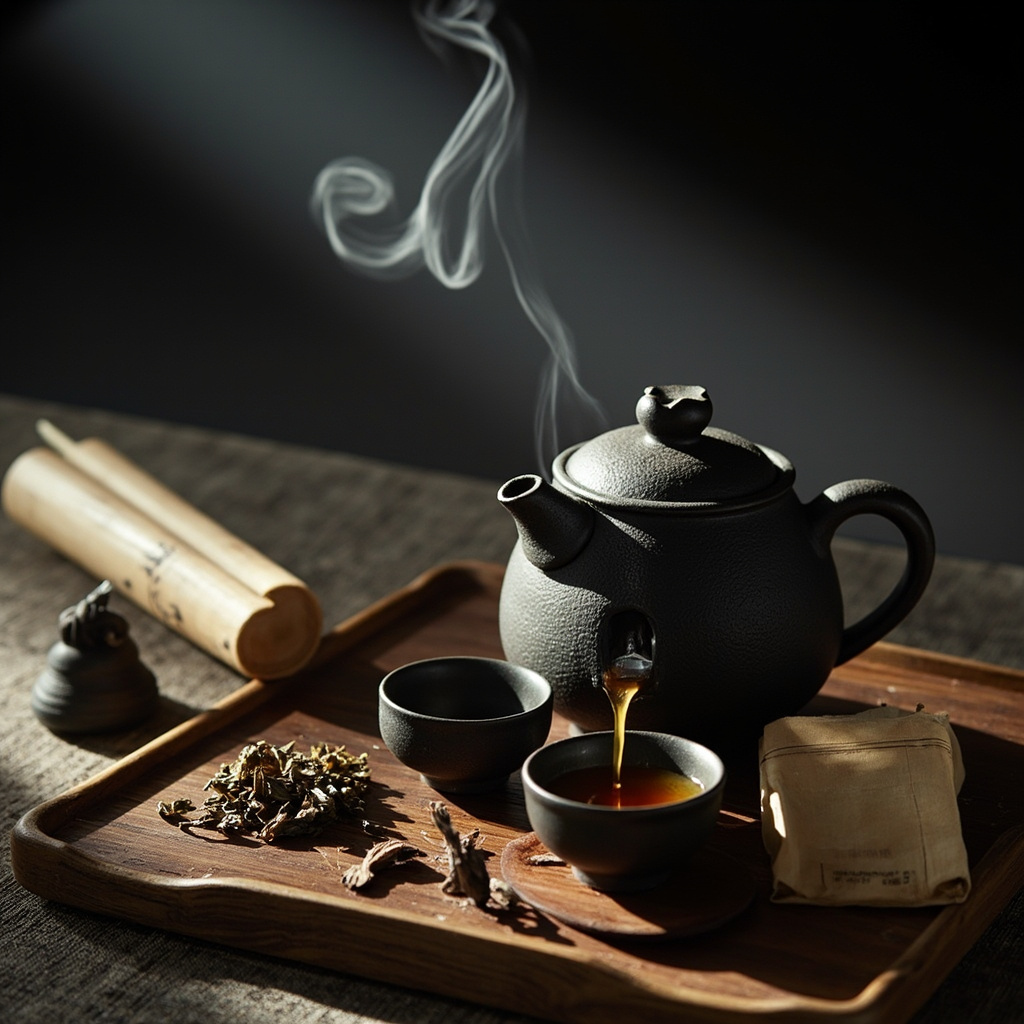
**Dark Tea (Hei Cha)**, specifically Pu-erh from Yunnan, undergoes post-fermentation that continues developing over years or even decades. Cake-pressed raw Pu-erh (Sheng) evolves from bitter and astringent youth into smooth, earthy maturity, while aged varieties have sold at auction for over $300,000 per cake.
## Regional Traditions: Tea Culture Across China’s Provinces
Tea culture manifests differently across China’s vast geography, shaped by local climates, historical circumstances, and cultural values. Recognizing these regional variations enriches understanding of tea’s place in Chinese life.
**Fujian** hosts the most formalized tea traditions, particularly in the Wuyi Mountains, where Rock Tea (Yan Yun Cha) grows in mineral-rich soil, producing distinctive mineral and floral characteristics locals attribute to the terroir. Fujanese Gongfu Cha, the elaborate ceremony practiced in this province, uses small clay pots and tiny cups to highlight subtle flavor nuances. The province also pioneered the practice of Gongmei white tea and developed the elaborate flower tea traditions using jasmine blossoms.
**Guangdong** contributes its own distinct approach through Chao Zhou Gongfu Cha, which emphasizes speed and efficiency, with masters performing the entire ceremony in under a minute. This style uses only three cups arranged in a triangle formation, emphasizing shared experience and conversation between sippers.
**Sichuan**, despite producing relatively modest tea quantities, developed the most accessible tea culture, with traditional tea houses featuring ear-cleaning services, earwax removal, and vigorous ear massage using small metal tools. Chengdu’s People’s Park teahouses offer immersive experiences where locals spend hours playing mahjong, getting shoe shines, and watching Sichuan opera performances.
**Tibetan plateau regions** developed butter tea traditions, mixing tea bricks with yak butter and salt to create high-calorie beverages essential for survival in harsh climates. This practical adaptation demonstrates how Chinese tea culture has evolved to meet local nutritional needs across diverse environments.
**Xinjiang and Inner Mongolia** feature milk tea traditions influenced by Central Asian neighbors, combining tea with dried milk and salt in metal containers shaken vigorously to create frothy beverages served throughout the day.
## The Art of the Chinese Tea Ceremony
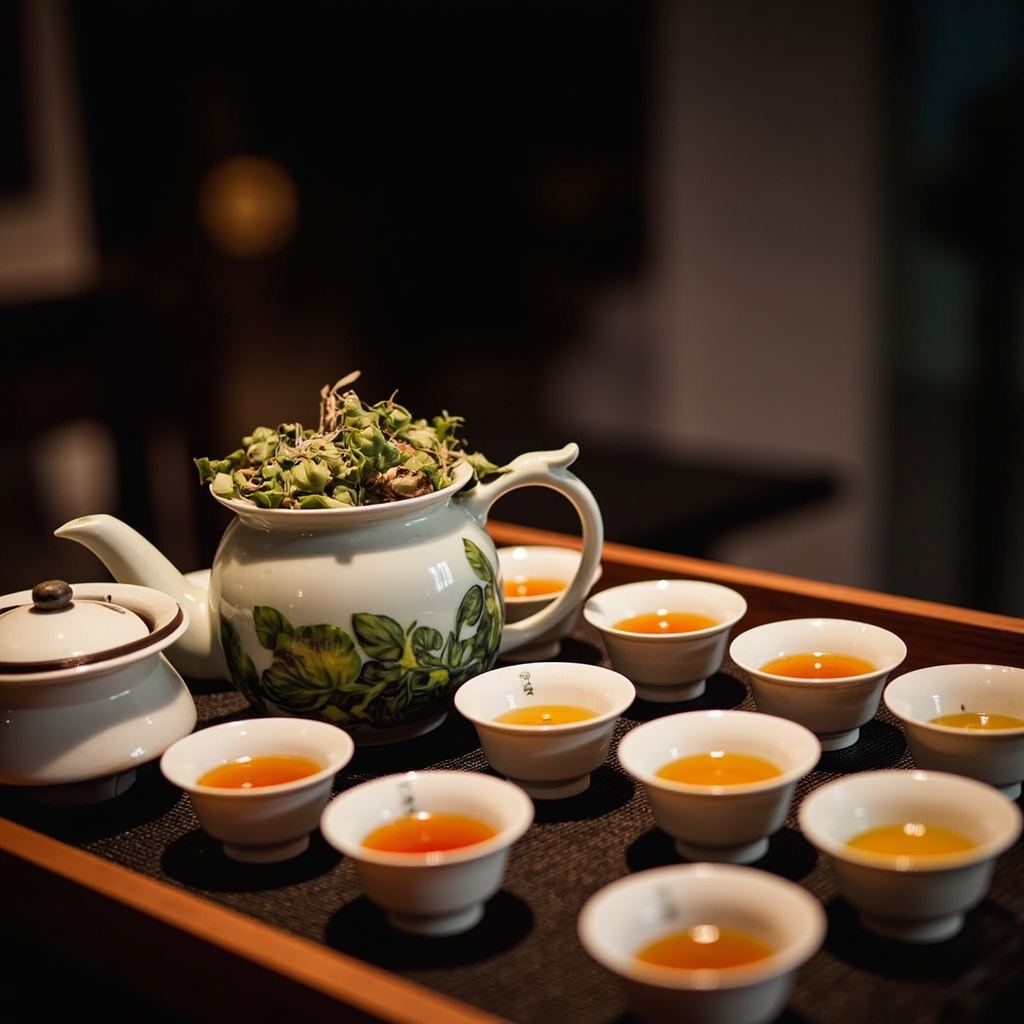
While Japanese tea ceremony ( matcha) has gained global recognition, traditional Chinese tea ceremonies (Gongfu Cha) offer equally profound experiences emphasizing different values—specifically, appreciating tea’s natural characteristics and fostering intimate social connection.
Gongfu Cha, translating roughly as “making tea with skill and effort,” represents a complete sensory experience. The ceremony typically unfolds in a dedicated space featuring a tea table, appropriate teaware, and often a window view of nature. The host’s preparation demonstrates years of practice, with each movement precise yet unhurried.
The ceremony follows an established sequence beginning with warming the teaware, which serves both practical purposes—ensuring proper brewing temperatures—and ritual significance, honoring the vessels and setting intentions. Tea is typically presented dry for examination, allowing guests to appreciate the leaves’ form, color, and fragrance before water touches them.
The actual brewing emphasizes timing and proportion, with skilled practitioners using stopwatches or counting breaths to ensure optimal extraction. Temperature varies by tea type: delicate green teas require cooler water (around 75°C), while robust Pu-erh benefits from near-boiling temperatures (95°C+).
Perhaps most distinctively, Gongfu Cha traditionally serves multiple short infusions from the same leaves, with each steeping revealing different flavor profiles. What begins as a bold first infusion may mellow into subtle sweetness by the fifth or sixth pour, demonstrating how patience reveals hidden depths.
Chinese tea ceremony etiquette emphasizes several principles. Guests should accept tea with both hands, tilt the cup’s rim toward the host as a sign of respect, and avoid leaving cups empty for extended periods. Conversation should remain gentle and focused on the present moment rather than competitive or loud.
Beyond formal ceremonies, the concept of “Yong Cha” (using tea) guides everyday tea practice. This encompasses the proper way to brew tea at home, appropriate food pairings, and understanding of tea’s medicinal properties according to Traditional Chinese Medicine principles.
## Experiencing Authentic Chinese Tea Culture Today
For travelers seeking genuine tea experiences in China, several destinations offer memorable encounters with living traditions.
**Hangzhou** provides the most accessible introduction, with plantations surrounding West Lake where visitors can participate in spring picking experiences and watch processing demonstrations. The China National Tea Museum, the world’s largest tea museum, offers comprehensive exhibits on tea history, production methods, and cultural significance.
**Wuyishan**, in Fujian’s mountains, combines stunning scenery with tea experiences. Visitors tour tea plantations clinging to dramatic rock faces, sample famous Da Hong Pao (Big Red Robe) tea, and observe traditional processing in small family workshops.
**Pu’er City**, in Yunnan province, centers entirely on Pu-erh production. Tea markets here offer tastings ranging from budget options to century-old cakes, while factory tours reveal the post-fermentation processes unique to this tea type.
**Taiwan**, while administratively distinct, maintains exceptional tea culture traditions. Alishan’s high-mountain farms welcome visitors, and Taipei hosts numerous tea houses specializing in Taiwanese oolongs, including the famous Dong Ding and Oriental Beauty varieties.
When purchasing tea, visitors should understand several key considerations. Authentic Chinese tea carries significant price variations based on origin, harvest timing, and quality grades. Tea labeled “Dragon Well” but priced under $20 per 100 grams almost certainly comes from inferior regions or contains blends. Trustworthy vendors offer generous samples before purchase and provide detailed origin information.
Storing tea properly preserves investment in quality leaves. Green teas require refrigeration and airtight containers away from strong odors. Pu-erh, conversely, benefits from exposure to fresh air in breathable paper wrapping, developing complexity over years. Most other teas prefer cool, dry, dark storage at moderate humidity levels (60-70%).
Home brewing Chinese tea need not require elaborate equipment. A simple gaiwan—a lidded bowl cup—costs under $10 and allows full control over steeping parameters. Glass or porcelain vessels let beginners observe leaf expansion and color changes. Quality water matters significantly; hard tap water can introduce off-flavors, so filtered or spring water often improves results.
For those unable to travel, many Chinese tea companies now ship internationally, and specialized tea importers in major cities offer regular tasting events. Online communities connect enthusiasts for virtual tea tastings and education sessions.
## Conclusion
Chinese tea culture represents one of humanity’s longest-running traditions of mindful beverage appreciation. From Emperor Shen Nung’s legendary first sip to the practiced hands of modern Hangzhou pickers, tea has continuously served as a mirror reflecting Chinese values of harmony, patience, and attention to detail.
The six tea families offer endless exploration—each category containing dozens of regional varieties with distinctive characteristics shaped by soil, climate, and processing traditions. Understanding these basics transforms tea shopping from overwhelming confusion into exciting discovery.
Regional variations remind travelers that “Chinese tea” encompasses countless local expressions, from Sichuan’s communal teahouse culture to Fujian’s refined ceremony traditions. Each approach offers different entry points into the practice.
For those seeking deeper engagement, traditional Chinese tea ceremonies provide structured frameworks for mindfulness and appreciation, though even casual practitioners benefit from understanding principles like proper water temperature, appropriate steeping times, and the value of multiple infusions.
Ultimately, engaging with Chinese tea culture means joining millions of practitioners across millennia in recognizing that the simple act of preparing and sharing tea can elevate daily existence into something approaching art. Whether sipping a cup of morning Longjing contemplation or sharing a full Gongfu ceremony with friends, the tea remains what it has always been: a bridge between selves, a pause in busy lives, and a taste of Chinese civilization’s most enduring gift to world culture.