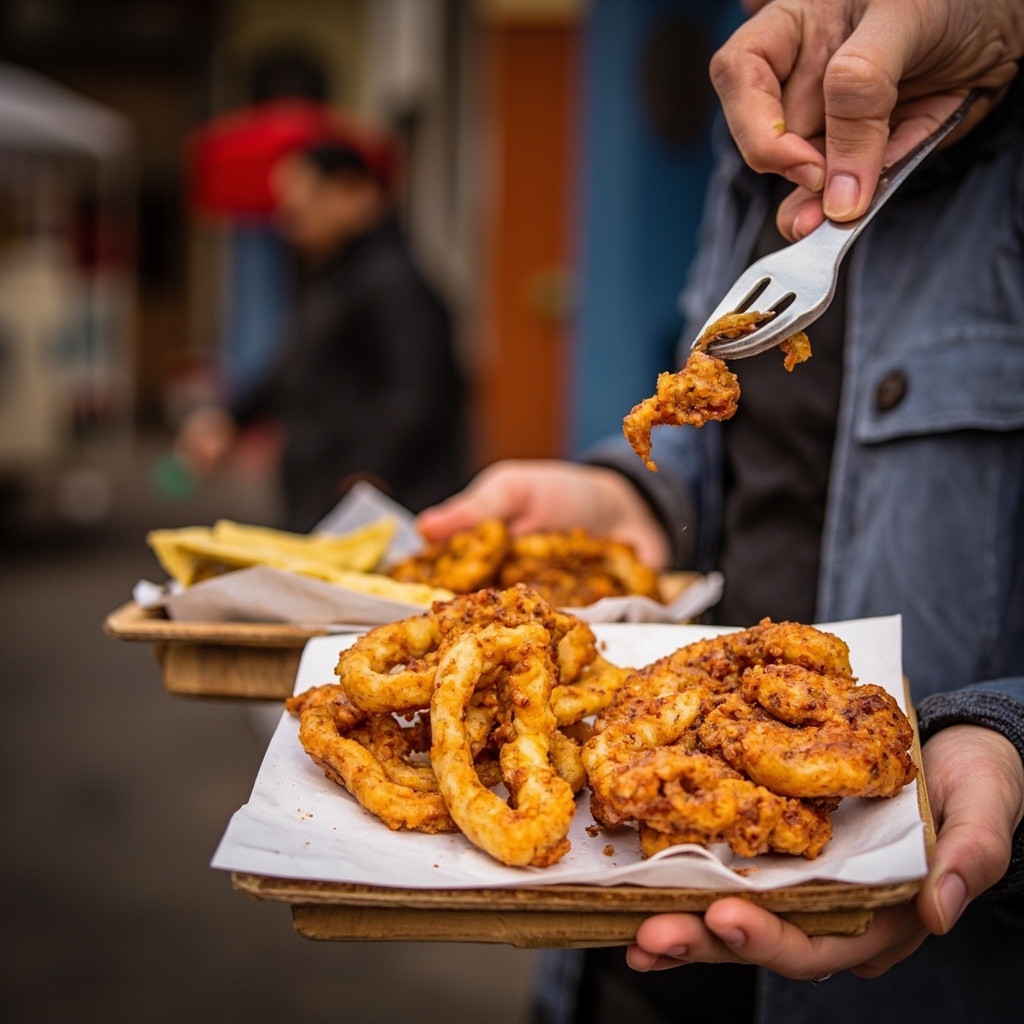
# Chinese Street Food: Popular Snacks You Must Try in China
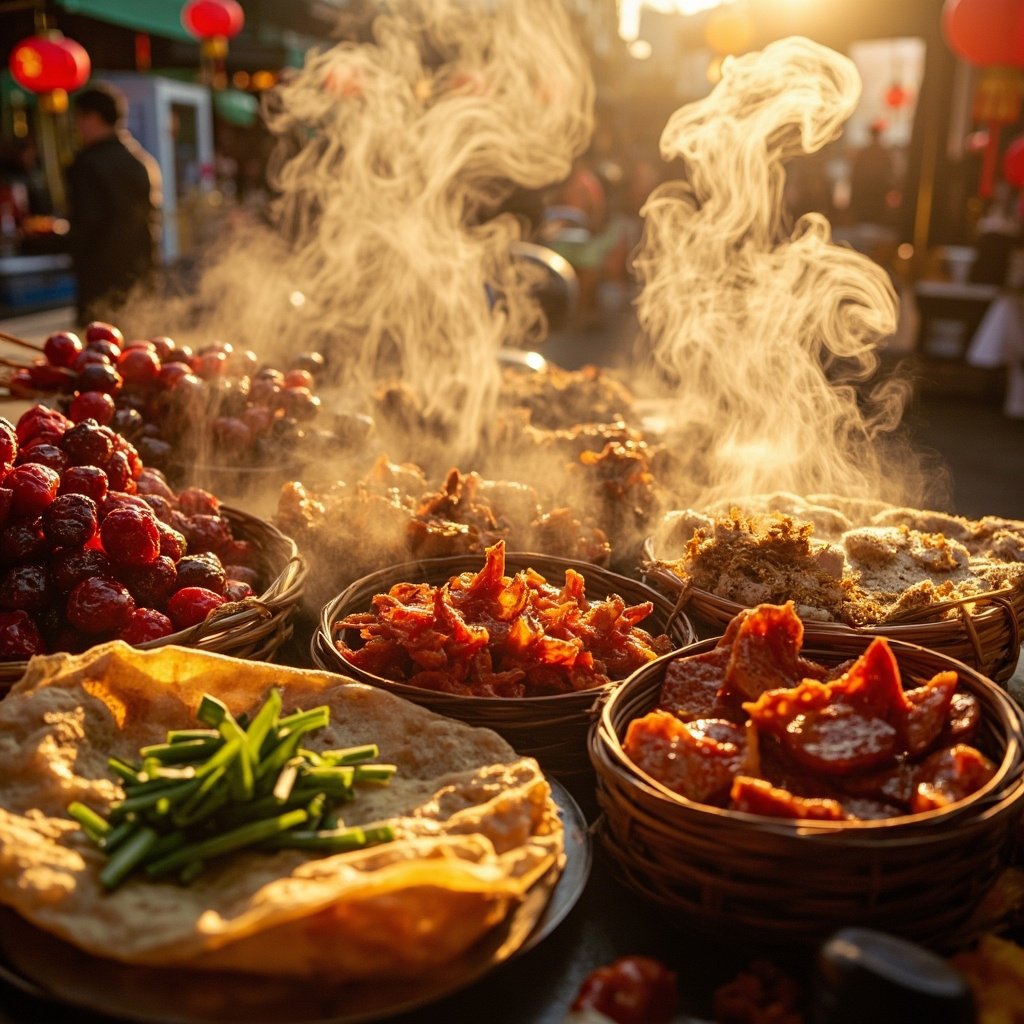
The sizzle of a hot wok, the aromatic clouds of chili oil drifting through narrow alleyways, the rhythmic clatter of cleavers against cutting boards—these sensory signatures define the soul of China’s street food culture. From the neon-lit night markets of Chengdu to the清晨 morning stalls of Guangzhou, Chinese street food represents far more than quick bites between destinations. It’s a living, evolving narrative that stretches back millennia, telling stories of migration, trade routes, agricultural traditions, and the relentless creativity of a civilization that has always treated food as both sustenance and art.
For travelers willing to step beyond hotel restaurants and tourist-oriented establishments, Chinese street food offers something increasingly rare in our globalized world: an authentic taste of local life, served one plate at a time. This guide takes you through the history, regional variations, must-try dishes, and practical strategies for navigating China’s extraordinary street food landscape.
## A Culinary Heritage Spanning Three Millennia
Street food in China didn’t emerge as a modern convenience—it evolved alongside the nation’s great cities. Historical records from the Tang Dynasty (618-907 CE) describe bustling market stalls selling dumplings, noodles, and steamed buns to merchants and travelers along the Silk Road. By the Song Dynasty (960-1279 CE), night markets had become so integral to urban life that curfews were lifted specifically to accommodate them, a testament to how deeply these culinary traditions had rooted themselves in Chinese society.
The evolution of Chinese street food reflects the country’s broader social history. When mass migration transformed Chinese cities in the 20th century, street vendors became essential feeding stations for factory workers and new urban residents. The communal nature of street eating—strangers sharing tables, watching food prepared in plain sight, engaging in quick exchanges with vendors—served as a social equalizer that transcended class boundaries. Today, a college student and a retired professor might find themselves shoulder-to-shoulder at the same skewer stand, united by their appetite for *chuan’r* (grilled skewers).
Regional variations developed as geography, climate, and local ingredients shaped what vendors offered. Coastal cities developed seafood-heavy menus, while inland regions emphasized bold spices and preserved ingredients. This regional diversity means that street food in Chengdu tastes dramatically different from street food in Shanghai, creating a culinary mosaic that rewards travelers willing to explore beyond the obvious destinations.
## Regional Highlights: Where Street Food Dreams Come Alive
### Chengdu: The Spicy Capital
Sichuan province’s capital has earned its reputation as China’s street food capital through sheer variety and intensity of flavor. The city’s humid climate contributed to the development of numbing-and-spicy flavor profiles that feature *má* (numbing Sichuan pepper) and *là* (pungent heat), combinations believed to help the body perspire and find relief from the mugginess.
The best introduction to Chengdu’s street food scene is the Wenshu Fang area, where ancient temples coexist with hundreds of small eateries. Here, vendors specialize in single dishes executed with decades of refined technique. *三大炮* (sān dà pào), sweet rice balls rolled in black sesame and dropped onto a bronze drum with spectacular percussive effect, represent the theatrical performance aspect that makes Chinese street food so engaging.
Night markets in Chengdu operate differently than in other Chinese cities. Rather than a concentration in one location, food streets branch throughout residential neighborhoods, each with its own character. The *玉林路* (Yulin Road) district comes alive after dark with vendors selling *冷锅串串* (cold pot skewers) where diners select raw ingredients to be cooked in a single simmering pot of spicy broth, then dipped in individualized peanut or sesame sauces.
### Xi’an: Ancient Flavors, Modern Appetites
As the starting point of the Silk Road, Xi’an absorbed influences from Central Asia that still define its street food identity. The city represents a distinct regional school where wheat-based foods dominate—hand-pulled noodles, stuffed buns, and flatbreads feature prominently. *肉夹馍* (ròu jiā mó), literally “meat sandwiched in bread,” exemplifies this fusion: braised pork shoulder chopped fine and stuffed into a slightly sweet, crispy-edged wheat bun that was likely influenced by Persian bread traditions.
The *回民街* (Huimin Street) Muslim Quarter offers one of China’s most concentrated street food experiences, with over two hundred vendors operating within a few blocks. Here, lamb takes center stage in various preparations—grilled lamb skewers (羊肉串), lamb pao mo (泡馍) where diners tear bread into their soup, and the surprisingly addictive *甑糕* (zèng gāo), a sweet rice cake layered with red beans and candied dates.
Xi’an’s street food culture maintains a stronger connection to its historical roots than most Chinese cities, partly because tourism has created demand for traditional preparations and partly because local pride in culinary heritage runs deep. Walking these streets, you can taste dishes that Xi’an residents have eaten for centuries, prepared in styles their great-grandparents would recognize.
### Shanghai and the Jiangnan Region
If Chengdu represents fire and intensity, Shanghai’s street food offers a study in subtlety and refinement. The Jiangnan region’s cuisine emphasizes sweetness, freshness, and delicate seasoning that lets quality ingredients speak for themselves. Shanghai street food tends toward the savory-sweet spectrum, with soy sauce and sugar playing prominent roles.
*生煎包* (shēng jiān bāo), pan-fried pork buns with a crispy bottom and juicy filling, represent the region’s approach perfectly. Unlike the ubiquitous *xiaolongbao* found in dim sum establishments, the street version is often superior—higher filling-to-dough ratios, more aggressive browning, and that satisfying crunch when you bite through the bottom.
The Old City (南市区) near Yu Garden contains some of Shanghai’s oldest surviving food stalls, where elderly vendors still prepare regional specialties according to methods passed down through generations. Morning hours bring queues of locals seeking *油条* (yóu tiáo), oversized fried dough sticks served alongsidesoy milk, while evening brings crowds for *葱油饼* (cōng yóu bǐng), scallion pancakes that can contain twenty-plus layers of crispy dough.
## Essential Snacks for Every Adventurous palate
Certain street foods have achieved near-universal recognition across China, appearing in some form from Heilongjiang in the north to Yunnan in the south. Understanding these dishes—and their regional variations—provides a framework for navigating any Chinese street food market.
### Jianbing: The Chinese Crepe
*煎饼果子* (jiān bǐng guǒ zi) deserves special attention as possibly China’s most beloved morning street food. This wheat flour batter spread thin on a griddle, topped with an egg, crispy wonton skin, scallions, cilantro, and various sauces, then rolled into a portable package, originated in Shandong but has spread nationwide. The best versions in Beijing or Tianjin can take five minutes of careful assembly, with vendors developing impressive speed through thousands of repetitions.
Regional variations reveal fascinating adaptations. In northern cities, *薄脆* (báo cuì), a fried wonton sheet, provides crunch. Southern versions might swap this for crispy roasted wheat crackers. Some vendors offer *双蛋* (double egg) versions for those who need extra protein, while others add pickled vegetables or sausage for heartier appetites.
### Skewers and Grilled Meats
The *烧烤* (barbecue) category encompasses one of China’s most ubiquitous street food experiences. Whether called *chuan’r* in the north or *shaokao* in the south, grilled skewers follow a consistent format: marinated meat (or vegetables) cooked over charcoal flames, then dusted with a proprietary blend of spices before serving.
Lamb skewers represent the northern standard, typically marinated in cumin, salt, and chili flakes. A proper lamb skewer should be slightly charred on the outside while remaining juicy within, with the aroma of cumin strong enough to be detected several stalls away. In Xinjiang and other western regions, larger skewers of lamb or beef replace the smaller northern style.
Vegetable skewers often prove more interesting than their meat counterparts for adventurous eaters. *韭菜* (jiǔ cài), leeks threaded whole onto skewers and grilled until wilted and slightly charred, offer a pungent, satisfying bite. *茄子* (qié zi), eggplant slices brushed with garlic sauce, become silky and smoky. *金针菇* (jīn zhēn gū), enoki mushrooms wrapped in tofu skin, develop an addictive chewy-crispy texture.
### Dumplings and Buns
The distinction between *饺子* (jiǎozi), *包子* (bāozi), and *馒头* (mántou) defines Chinese breakfast and street food culture. *Jiǎozi* are folded dumplings with sealed edges, typically boiled or pan-fried. *Bāozi* are fluffy steamed buns enclosing various fillings. *Mántou* are plain steamed buns without filling.
For street eating, *jiǎozi* prepared in the *guōtiē* (锅贴, pan-fried) style offer the most immediate gratification—the crispy bottom, chewy sides, and juicy filling provide textural complexity in every bite. In Harbin, *jiǎozi* restaurants operate around the clock, serving dozens of varieties from classic pork-and-cabbage to more adventurous options like venison with pumpkin or crawfish with cheese.
Soup dumplings (*小笼包*, xiǎolóng bāo) deserve their reputation as one of China’s greatest culinary achievements, despite being more commonly associated with restaurant dining than street stalls. Certain establishments in Suzhou and Shanghai have elevated street-level versions to extraordinary heights, where thin-skinned parcels burst with hot broth when bitten, requiring a specific technique: bite a small hole, sip the liquid, then consume the rest.
## The Practical Art of Street Food Navigation
Understanding how to approach Chinese street food ethically and effectively enhances both your experience and your impact on these communities.
### Timing and Location
Street food operates on schedules that vary significantly by region and season. Northern cities tend toward morning-focused operations, with most vendors packing up by early afternoon. Southern and southwestern cities often reverse this pattern, with night markets dominating the evening hours. During summer months, many vendors shift their hours later to accommodate the heat.
The best strategy involves research combined with spontaneity. Identify famous food streets or neighborhoods through guidebooks and local recommendations, but let your nose guide you once there. Follow the crowds—long queues at certain stalls usually indicate quality or particularly popular items. In China, locals queue with the same patience they apply to all aspects of life, making queues reliable quality indicators.
### Money and Payment
Most traditional street vendors operate on cash-only basis, though this is changing rapidly in major cities where mobile payment through WeChat and Alipay has become nearly universal. Carrying small denominations (10, 20, and 50 yuan notes) proves essential, as vendors rarely have change for larger bills. In tourist-heavy areas, some vendors have begun accepting foreign credit cards, but this remains the exception rather than the rule.
Prices at street food stalls typically range from 5 to 30 yuan per dish, making comprehensive tasting financially accessible. The concept of *性价比* (cost-performance ratio) matters to Chinese consumers, and vendors who overcharge tourists quickly develop bad reputations within local networks.
### Etiquette and Cultural Sensitivity
Chinese street food etiquette differs from Western restaurant expectations in several important ways. Standing while eating is perfectly acceptable and often expected at particularly busy stalls. Taking numbered tickets and waiting for your order to be called is standard at more organized night market setups.
Conversations with vendors often begin with the question *吃点儿什么?* (chī diǎnr shénme?, “What would you like to eat?”), and responding confidently—even if your pronunciation is imperfect—shows respect for the experience. Most vendors appreciate genuine interest from foreign visitors, and many will happily explain their preparations or recommend other stalls to visit.
Leftovers should be finished or, if truly impossible, disposed of in nearby trash receptacles rather than left at the stall. Wasting food carries stronger social stigma in China than in Western cultures, a sensitivity rooted in historical famines and agricultural challenges.
## Final Thoughts: Beyond the Bite
Chinese street food offers something beyond mere sustenance—it provides direct access to local culture, regional identity, and centuries of accumulated culinary wisdom. The woman perfecting her *jiānbing* technique for the thirtieth year has internalized knowledge that no cookbook can fully capture. The night market vendor who adjusts seasoning based on weather, mood, and the specific ingredients available that day practices a form of responsive cooking that represents Chinese gastronomy at its most alive and immediate.
For travelers willing to venture beyond the familiar, Chinese street food delivers adventures more varied and memorable than any restaurant meal could offer. The key lies in approaching these experiences with openness, patience, and genuine curiosity. Start with what locals are eating rather than what looks photogenic. Ask questions, even through language barriers. Return to the same stalls, developing the relationships that transform eating from consumption into connection.
China’s street food culture faces pressures from modernization, urbanization, and changing consumer habits, making the current era both an exceptional time to explore this world and a window that may not remain open indefinitely. The flavors, techniques, and traditions you’ll encounter represent countless generations of accumulated knowledge—knowledge that exists nowhere except in the hands and memories of those who practice it daily.
So wander those narrow alleys. Follow the smoke and the sizzle. Trust your senses more than any translation app. The best Chinese street food finds you as much as you find it, revealing itself in steam clouds and in the particular way a vendor holds their cleaver, in the precise moment they decide a dumpling is ready. This is food at its most honest, most essential, most alive—and it has been waiting for you.