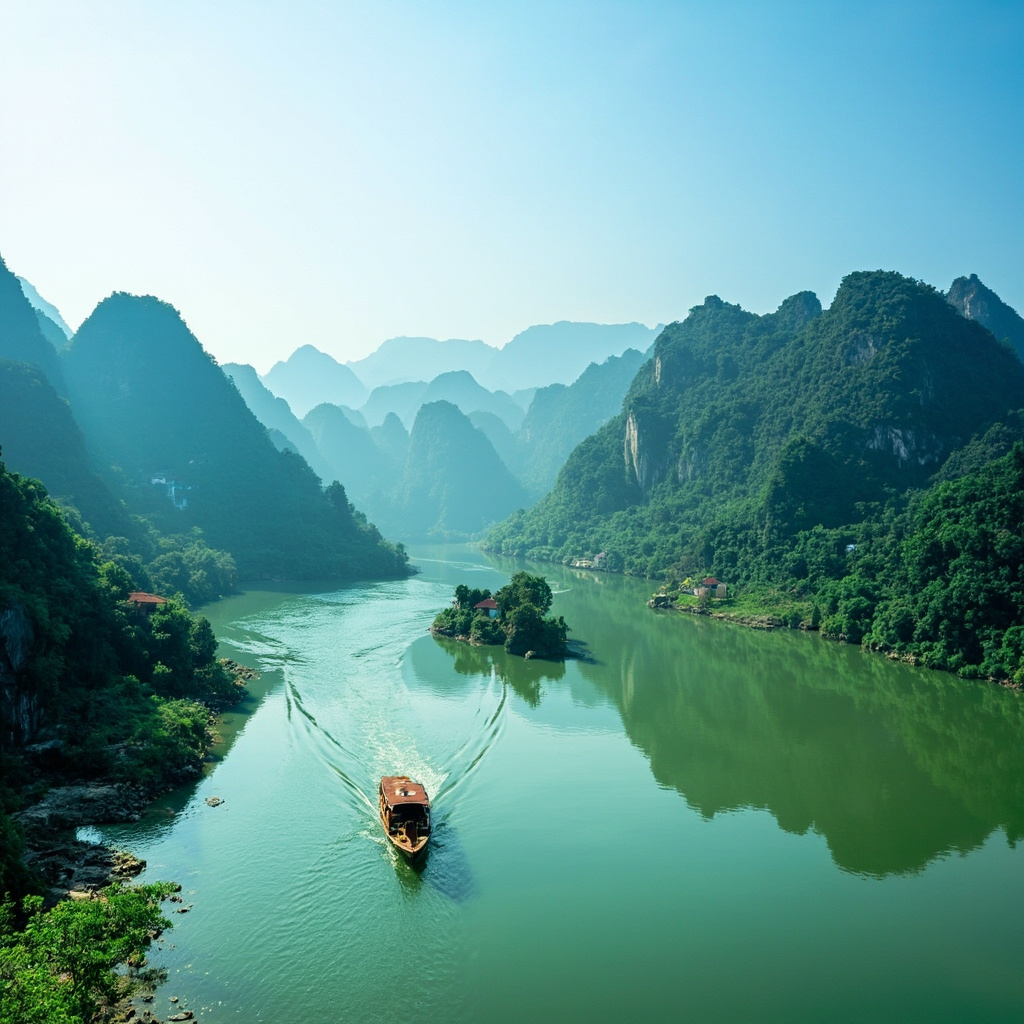
Guilin Li River Scenery: China’s Most Beautiful Landscape
When travelers first set eyes on the Guilin Li River scenery, the reaction is often a collective gasp. Towering karst peaks rise abruptly from the jade‑green water, mist clings to the valleys, and the whole tableau looks like a living ink‑painting straight out of a Chinese scroll. For anyone yearning for a destination that blends natural wonder, cultural depth, and outdoor adventure, the stretch of the Li River that flows through Guilin and Yangshuo is a must‑see. In this comprehensive guide, we’ll walk you through every highlight, give you practical travel tips, and help you plan the perfect trip to this iconic corner of China.
Why the Guilin Li River Scenery Is Legendary
Guilin’s landscape has inspired poets, painters, and emperors for more than a thousand years. The name “Guilin” itself means “Forest of Osmanthus,” a nod to the fragrant blossoms that once filled the region. Yet, it’s the Li River—Li meaning “pear”—that supplies the lifeblood for the scenery. The river winds 164 km (102 mi) from Guilin to Yangshuo, carving its way through a karst basin that UNESCO has recognized as a World Heritage Site. The result is a seamless blend of towering limestone monoliths, hidden caves, rice paddies, and riverbanks dotted with water buffalo and fishermen.
The Iconic Karst Landscape
Karst topography forms when soluble rock—primarily limestone—dissolves over millennia, creating caves, sinkholes, and sharp, isolated hills known as “karst peaks.” In Guilin, these peaks reach heights of 200–300 m (650–980 ft) and appear almost surreal in their symmetry. The most photographed formations include:
- Elephant Trunk Hill (Xiangshan) – Shaped like an elephant drinking from the river, this landmark sits right at the edge of downtown Guilin and is especially magical at sunrise.
- Yaoshan Mountain – Offers a panoramic view of the city and the Li River’s winding course.
- Fubo Hill – Known for the “Wave‑Subduing Stone” at its summit, which gives a dramatic silhouette against the river.
These formations are not just static backdrops; they shape the micro‑climate, create hidden micro‑habitats, and provide climbing and hiking opportunities for adventurous visitors.
Elephant Trunk Hill: The Crown Jewel of Guilin
Elephant Trunk Hill is arguably the most recognizable symbol of Guilin Li River scenery. The “trunk” is actually a natural arch formed by erosion, and a small water cave runs beneath it, allowing a continuous flow of river water. You can view the hill from the riverbanks, take a short hike up the surrounding park for a bird’s‑eye perspective, or enjoy a boat ride that passes directly under the arch. Photographers favor the “Moonlight Reflection” – a phenomenon when the river’s surface mirrors the hill’s silhouette during a full moon.
Reed Flute Cave: A Subterranean Masterpiece
Just 7 km (4 mi) northwest of Guilin’s city center lies the Reed Flute Cave (Ludi Yan). This 240‑meter‑long cavern is filled with stalactites, stalagmites, and rock formations illuminated by colorful LED lights, creating a surreal, otherworldly atmosphere. The cave’s name comes from the reeds that once grew at its entrance, which locals used to make flutes. Inside, you’ll see formations named after classic Chinese characters and legends, like “Crystal Palace” and “Dragon Pagoda.” Visiting the cave offers a cool respite from the summer heat and adds a geological dimension to the Li River’s above‑ground beauty.
Yangshuo County: The Heart of the Li River
While Guilin city is the gateway, Yangshuo is the soul of the Li River experience. This small, laid‑back town sits at the foot of karst peaks and is famed for its vibrant arts scene, cycling paths, and a riverfront that transforms each evening into a bustling market. Yangshuo’s West Street (Xi Jie) is a UNESCO‑designated historic street lined with shops, cafés, and traditional courtyard homes. The surrounding countryside is dotted with rice terraces, bamboo groves, and the occasional water buffalo, making it perfect for exploration on foot, by bike, or on a bamboo raft.
The Li River Cruise Experience
A cruise along the Li River is the quintessential way to absorb the Guilin Li River scenery. Most tours depart from Guilin’s Mopgan Pier (also known as Zhujiang Pier) and travel downstream to Yangshuo, a journey of about 4–5 hours. Highlights along the way include:
- The Nine Horse Fresco Hill (Jiu Ma Shan) – A sheer cliff face that, according to legend, shows nine horses galloping across a misty sky.
- Yellow Bat Hill – A modest peak with a small Buddhist temple perched on its summit.
- Xingping Ancient Town – A picturesque village where many famous Chinese paintings were set.
During the cruise, you’ll see locals fishing with cormorants, children waving from riverbanks, and farmers tending their paddies. Many operators offer “deluxe” boats with air‑conditioned lounges and buffets, while “bamboo raft” options provide a more intimate, eco‑friendly experience.
Cycling in Yangshuo: Two Wheels, Infinite Views
Yangshuo’s flat terrain and network of quiet country roads make it a cyclist’s paradise. A popular route is the “Ten‑Mile Gallery” (Shiliang Huayuan), which winds through karst hills, past green rice fields, and through small villages. Bike rentals are readily available (expect to pay ¥30–¥50 per day for a basic mountain bike). For a more guided experience, many hostels organize half‑day or full‑day bike tours that include a local guide, a riverside lunch, and a visit to hidden spots like the Moon Hill (Yueliang Shan) – a massive arch that frames the sky like a moon.
Tips for Cycling
- Start early to avoid the midday heat and catch the best light for photography.
- Carry a refillable water bottle and a small first‑aid kit.
- Use a GPS‑enabled map or a local SIM card for offline navigation.
- Respect local traffic; many roads share space with pedestrians and motorbikes.
Local Cuisine: Savoring Guilin’s Flavors
No travel article would be complete without a taste of the local cuisine. Guilin and Yangshuo offer a delicious blend of Cantonese, Guizhou, and ethnic minority influences. Must‑try dishes include:
- Guilin Rice Noodles (Guilin Mifen) – Thin rice noodles served in a savory broth with pickled vegetables, peanuts, and chili oil. A breakfast staple.
- Beer Fish (Pijiu Yu) – Fresh fish from the Li River cooked in a spicy tomato‑beer sauce, a Yangshuo specialty.
- Stuffed Lotus Leaf (He Xiang Ju) – Glutinous rice and fillings wrapped in a lotus leaf, then steamed.
- Yangshuo Taro Pork (Yanshan Turu Rou) – Tender pork belly simmered with taro, a comforting winter dish.
- Sweet/Sour Snacks – Try the fried rice cakes (Niangao) and the sweet rice dumplings (Tangyuan) for a quick street‑food fix.
Visit local night markets in Guilin (e.g., Zhongshan Road Night Market) or Yangshuo’s West Street for an immersive culinary adventure. Wash everything down with a glass of local Osmanthus tea, which perfectly captures the region’s fragrant heritage.
Best Time to Visit Guilin and the Li River
Timing can make or break a visit. Here’s a quick guide to the four seasons:
| Season | Weather | Highlights | Considerations |
|---|---|---|---|
| Spring (Mar–May) | 15–25 °C (59–77 °F), occasional rain | Blooming rapeseed flowers, less crowds | Bring a light rain jacket; water levels start rising. |
| Summer (Jun–Aug) | 25–35 °C (77–95 °F), humid, frequent showers | Lush green scenery, longer daylight for cruises | High tourist season; book cruises early. Watch out for typhoon‑related floods. |
| Autumn (Sep–Nov) | 18–28 °C (64–82 °F), dry and clear | Clear skies, golden rice paddies, comfortable temps | Peak foliage; ideal for photography and hiking. |
| Winter (Dec–Feb) | 5–15 °C (41–59 °F), crisp, occasional fog | Quieter crowds, lower prices, winter festivals | River mist creates ethereal scenes; some boats may run reduced schedules. |
For most travelers, autumn offers the best combination of clear weather, vibrant scenery, and manageable crowds. However, each season has its own charm, so pick the experience you value most.
Practical Travel Tips for the Guilin Li River Scenery
Getting There
- By Air: Guilin Liangjiang International Airport (KWL) receives domestic flights from major Chinese cities and a few international routes. From the airport, take a shuttle bus or taxi to the city center (≈30 min).
- By Train: High‑speed trains connect Guilin with Beijing, Shanghai, Guangzhou, and Shenzhen. The new Guilin Railway Station is conveniently located near the riverfront.
- By Bus: Long‑distance buses run from neighboring provinces; the bus station near the city center offers routes to Yangshuo (≈1.5 hours).
Getting Around
- City Buses & Metro: Guilin’s bus network is extensive and cheap (¥2–¥4). A new metro line is under construction; for now, buses are the main public transport.
- Taxis & Ride‑Hailing: Didi (China’s Uber) works well in both Guilin and Yangshuo. A typical short ride costs ¥10–¥20.
- Bicycle & E‑Bike: Rent a bike in Yangshuo for local exploration. E‑bikes are also available for those who prefer a little extra boost.
Accommodation
- Guilin City: Mid‑range hotels near Elephant Trunk Hill (e.g., Guilin Bravo Hotel, Lijiang Waterfall Hotel) offer easy access to riverfront walks and night markets.
- Yangshuo: Boutique inns and hostels along the Li River (e.g., Yangshuo Mountain Nest, West Street International Youth Hostel) provide river views and a social atmosphere.
- Booking Platforms: Use Ctrip, Booking.com, or Agoda for the best rates; many hotels offer free cancellation up to 24 hours before check‑in.
Health & Safety
- Carry a basic medical kit (band‑aids, antihistamines, motion‑sickness tablets for river cruises).
- Stay hydrated, especially in summer; bottled water is cheap and widely available.
- Observe local customs: remove shoes when entering homes or temples, and avoid pointing your feet at Buddha statues.
- Keep your passport handy for hotel check‑ins and train ticket purchases.
Money & Communication
- Currency: Chinese Yuan (CNY). ATMs are plentiful in both cities; credit cards are accepted at most hotels and restaurants.
- SIM Card: Purchase a local SIM (China Mobile, China Unicom) for data; a tourist‑friendly 30‑day prepaid plan costs about ¥60.
- Language: Mandarin is the official language. While English is common in tourist spots, learning a few basic phrases (e.g., “Nǐ hǎo”, “Xièxiè”) is appreciated.
Conclusion
The Guilin Li River scenery is more than a pretty picture; it’s a living, breathing cultural tapestry woven from ancient karst formations, bustling river life, and the warm hospitality of the local people. Whether you glide past Elephant Trunk Hill on a tranquil cruise, pedal through the emerald rice terraces of Yangshuo, or feast on steaming bowls of Guilin rice noodles under the stars, you’ll quickly understand why this stretch of China has captured imaginations for centuries.
Ready to experience the magic for yourself? Start planning your itinerary today—book your flights, secure a Li River cruise, and reserve a cozy guesthouse in Yangshuo. The river’s misty peaks, the scent of osmanthus, and the taste of a perfectly spiced Beer Fish await. Let the Li River’s timeless beauty become the highlight of your travel story.
Enjoy your adventure, and safe travels!