# The History of Kung Fu Movies: From Shaw Brothers to Hollywood Blockbusters
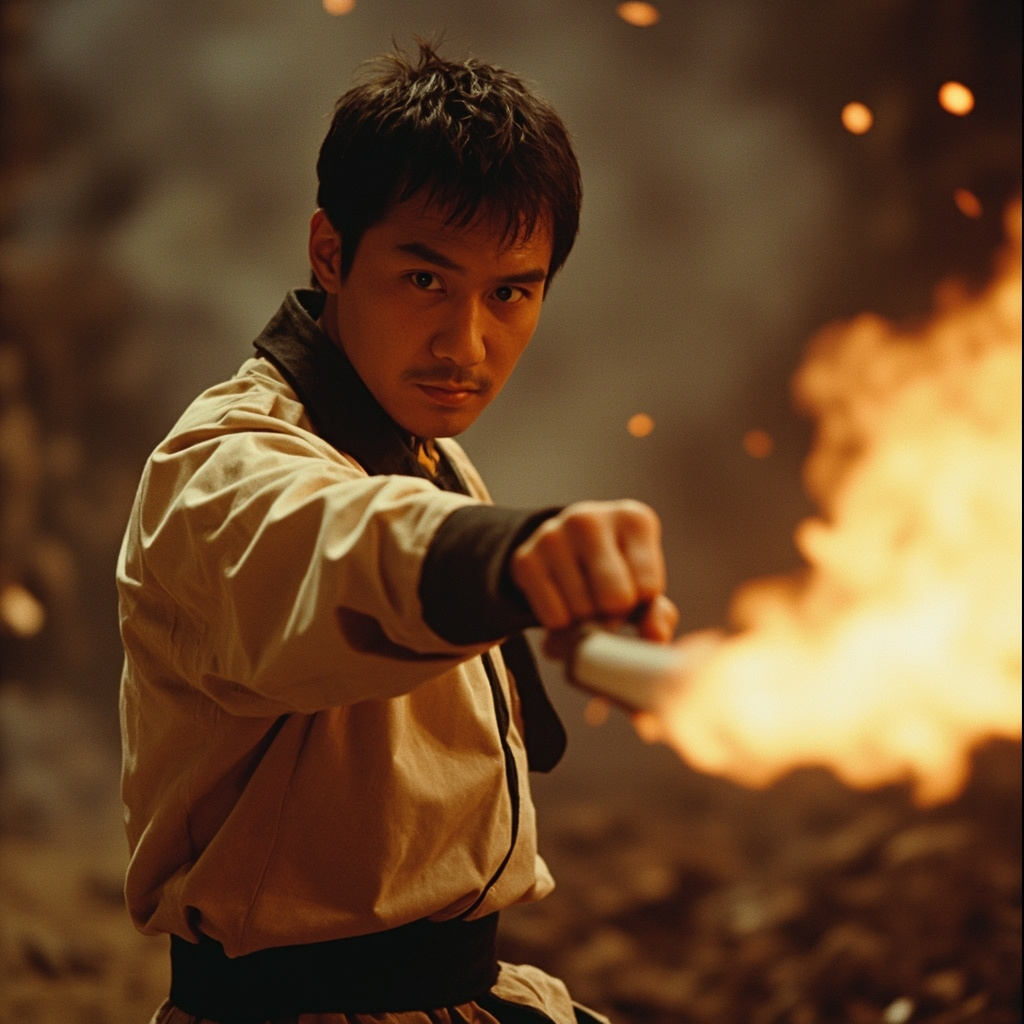
The history of kung fu movies represents one of cinema’s most fascinating cultural phenomena, transforming from regional Hong Kong productions into a global entertainment powerhouse that has influenced action filmmaking worldwide. From the elaborate sword fights of 1960s Shaw Brothers productions to the CGI-enhanced martial arts spectacles of contemporary cinema, this genre has undergone remarkable evolution while maintaining its core appeal: the sheer artistry of human physical performance combined with compelling storytelling rooted in Chinese martial arts traditions.
Understanding the complete history of martial arts cinema provides valuable insights for filmmakers, martial artists, and enthusiasts alike. Whether you’re interested in studying classic choreography techniques, exploring cultural narratives, or simply appreciating the genre’s contribution to world cinema, the journey from Hong Kong’s humble film studios to Hollywood’s blockbuster screens reveals much about cultural exchange, artistic innovation, and the universal language of physical storytelling. This comprehensive exploration of the kung fu movies history will take you through the pivotal eras, legendary performers, and groundbreaking productions that shaped an entire genre.
[IMAGE: Classic kung fu movie poster featuring martial artists in dynamic fighting poses]
## The Origins of Hong Kong Martial Arts Cinema
The foundations of Hong Kong martial arts cinema trace back to the early 20th century, when Chinese opera films and wuxia (martial heroes) productions first introduced audiences to dramatic fight choreography on screen. During the 1940s and 1950s, Hong Kong’s film industry began experimenting with adapting traditional martial arts novels and folk legends into cinematic form, creating the template that would eventually revolutionize global action cinema.
These early productions relied heavily on theatrical staging and theatrical combat techniques borrowed from Peking opera, featuring actors trained in acrobatics and stage combat. The genre remained relatively niche during this period, with limited budgets and production values that constrained creative possibilities. However, the foundational techniques developed during these formative years-the dramatic timing, the exaggerated movements, and the integration of narrative with action-established principles that would define Hong Kong martial arts cinema for decades to come.
The political climate of mid-20th century China, including the Chinese Civil War and subsequent establishment of the People’s Republic, led many martial arts masters, opera performers, and filmmakers to relocate to Hong Kong. This diaspora brought authentic martial arts knowledge and performance traditions that would eventually transform the industry, creating a unique synthesis of traditional Chinese combat arts and cinematic storytelling that became the hallmark of Hong Kong action cinema.
[IMAGE: Historical photograph of early Hong Kong film studio production]
## Shaw Brothers Studio: Architects of the Modern Kung Fu Film
The true birth of modern kung fu cinema arrived with Shaw Brothers Studio, which dominated Hong Kong filmmaking from the 1960s through the 1980s. Under the visionary leadership of Runme Shaw and Run Run Shaw, the studio revolutionized every aspect of martial arts filmmaking, transforming it from a modest regional genre into a sophisticated cinematic art form with international appeal.
Shaw Brothers invested heavily in production values, constructing massive studio facilities and developing new filming techniques specifically designed for capturing martial arts action. Their approach combined meticulous choreography with innovative camera work, employing multiple cameras, slow-motion effects, and careful editing to create fight sequences that emphasized both technical precision and visual drama. This systematic approach to action filmmaking established standards that Hong Kong martial arts cinema still adheres to today.
The studio’s roster of martial arts directors and choreographers, including legends like Chang Cheh, Liu Chia-liang, and Ching Siu-tung, developed distinctive visual languages that distinguished their productions from earlier, more theatrical approaches. Shaw Brothers kung fu films emphasized realistic combat techniques drawn from various Chinese martial arts styles, incorporating genuine martial artists and fighters who brought authentic movement vocabulary to the screen. This commitment to technical accuracy helped establish the genre’s credibility while maintaining entertainment value.
Key Shaw Brothers productions like “The One-Armed Swordsman” (1967), “The 36th Chamber of Shaolin” (1978), and “The 8 Diagram Pole Fighter” (1984) exemplified the studio’s approach, combining compelling martial arts action with strong character development and production values. These films launched the careers of major stars including Jimmy Wang Yu, Gordon Liu, and the legendary Gordon Chan, establishing templates for hero archetypes that would influence martial arts cinema for generations.
## Bruce Lee: The Dragon Who Transformed Martial Arts Cinema
No discussion of kung fu movies history remains complete without examining the transformative impact of Bruce Lee, whose brief but incandescent career fundamentally changed how the world perceived Chinese martial arts and martial arts cinema. Lee’s arrival on the Hong Kong film scene in the early 1970s represented a paradigm shift that elevated the genre from regional entertainment to international cultural phenomenon.
Bruce Lee’s appeal transcended simple star power; he brought genuine martial arts mastery to the screen, performing fight sequences with a fluidity, speed, and authenticity previously unseen in cinema. His background in wing chun, his physical conditioning, and his philosophical approach to martial arts translated into screen presence that was both believable and aspirational. Unlike previous martial arts performers who often relied on theatrical training, Lee demonstrated genuine combat capability that audiences immediately recognized and respected.
His four major films-“The Big Boss” (1971), “Fist of Fury” (1972), “Way of the Dragon” (1972), and “Enter the Dragon” (1973)-showcased different aspects of his vision for martial arts cinema. These Bruce Lee movies emphasized realism in combat choreography, with Lee insisting on minimal wire work and special effects, preferring to demonstrate actual martial arts techniques captured with minimal cinematographic trickery. His approach influenced generations of martial arts directors and performers, establishing expectations for authentic movement that persist in the genre today.
Beyond his on-screen contributions, Bruce Lee’s philosophy regarding martial arts and cultural representation profoundly influenced the trajectory of Hong Kong martial arts cinema. He insisted on presenting Chinese martial artists as capable, dignified characters rather than the stereotypical submissive or villainous roles common in Western media. This commitment to dignified representation helped establish Asian actors as viable leads in international productions and paved the way for subsequent Asian performers in global cinema.
## The Evolution of Action Choreography and Technical Innovation
Following Bruce Lee’s legacy, Hong Kong martial arts cinema experienced an era of remarkable technical innovation in fight choreography and action design. The role of the martial arts director emerged as a distinct creative position, separate from both the main director and stunt coordinator, responsible for conceiving, choreographing, and often performing in action sequences. This specialization elevated action filmmaking to a sophisticated art form with its own masters and traditions.
Yuen Woo-ping, Sammo Hung, and Yuen Biao emerged as the preeminent martial arts directors of the 1980s, each bringing distinctive approaches to action choreography. Yuen Woo-ping’s work emphasized complex choreography with multiple performers, creating intricate fight sequences that resembled elaborate dance performances while maintaining combat logic. His innovations included integrating various martial arts styles into visually coherent action language and developing techniques for filming fights with maximum impact.
The development of wire-work techniques during this period allowed filmmakers to realize martial arts that transcended physical limitations while maintaining martial arts integrity. Skilled performers could execute impossible aerial maneuvers, defying gravity in ways that traditional martial arts could never achieve, while still requiring genuine physical skill and training. This technical innovation became a signature element of Hong Kong martial arts cinema, influencing action filmmaking worldwide.
Contemporary martial arts choreography continues to evolve, incorporating mixed martial arts techniques, parkour, and modern fight sports into the traditional vocabulary. The principles established by Hong Kong masters-clear intention, readable technique, spatial awareness, and emotional engagement-remain foundational even as technological capabilities expand creative possibilities. For aspiring martial arts filmmakers, studying this evolution provides essential context for understanding how contemporary action sequences achieve their effects.
## Jackie Chan: Reinventing Martial Arts with Comedy and Spectacle
Jackie Chan represents perhaps the most successful evolution of martial arts cinema, combining authentic martial arts skill with comedic timing, elaborate stunt work, and accessible storytelling to create a distinctive style that achieved unprecedented international popularity. His approach to Jackie Chan films demonstrates how the genre could evolve beyond traditional dramatic action to incorporate broader entertainment elements without sacrificing martial arts integrity.
Chan’s background in Peking opera training provided him with exceptional physical capabilities, including acrobatics, flexibility, and performance skills that he adapted for cinematic use. Unlike Bruce Lee’s serious, determined hero persona, Chan developed the “mo lei tau” (subversive comedy) approach, creating characters whose martial prowess emerged through improvisation, desperation, and physical comedy rather than predetermined technique. This relatable everyman quality made his films accessible to audiences who might not connect with more serious martial arts heroes.
The elaborate stunt work that became Jackie Chan’s signature represents another significant evolution in martial arts cinema. Unlike performers who delegated dangerous work to stunt doubles, Chan performed most of his own stunts, incorporating genuine risk into his comedy. Films like the “Police Story” series showcased increasingly elaborate physical feats, with Chan performing death-defying falls, vehicle stunts, and complex physical comedy that required months of preparation and carried genuine injury risk. This commitment to practical stunt work distinguished his productions in an era when CGI was becoming increasingly prevalent.
Jackie Chan’s international success proved that martial arts cinema could transcend cultural barriers, achieving massive popularity across Asian, European, and American markets. His ability to combine martial arts action with universal comedy, family-friendly themes, and spectacular practical effects created a template for accessible martial arts entertainment that continues influencing contemporary blockbusters. For filmmakers seeking to reach global audiences, studying Chan’s approach to cultural translation provides valuable lessons in creating universally appealing action cinema.
[IMAGE: Jackie Chan performing a signature stunt from one of his classic films]
## The Hollywood Takeover: Kung Fu Influence on Western Cinema
The influence of Hong Kong martial arts cinema on Hollywood represents one of the most significant cross-cultural exchanges in film history. Following Bruce Lee’s international breakthrough and the growing popularity of Hong Kong martial arts films among Western audiences, Hollywood studios began actively incorporating martial arts elements and recruiting Hong Kong talent to enhance their action productions.
The 1970s and 1980s saw gradual integration, with martial arts consultants and choreographers contributing to American productions while maintaining distinct stylistic approaches. However, the turn of the millennium marked a dramatic acceleration of this influence, as Hong Kong martial arts directors began receiving Hollywood directing opportunities that brought authentic combat choreography and storytelling sensibilities to blockbuster productions. Directors like John Woo, Johnnie To, and Tsui Hark have contributed significantly to Hollywood action cinema, transferring their distinctive visual styles and action philosophies to larger-scale productions.
The Matrix trilogy (1999-2003) exemplified this cultural exchange, with Yuen Woo-ping serving as action choreographer to bring Hong Kong martial arts sensibilities to science fiction action. The film’s innovative wire-work, freeze-frame techniques, and detailed hand-to-hand combat sequences demonstrated how traditional martial arts choreography could enhance and transform Western action filmmaking. This production represented a turning point, establishing that Hong Kong martial arts expertise was valuable not merely for authenticity in Asian-themed productions but as a general resource for enhancing action cinema across genres.
Contemporary Hollywood blockbusters routinely incorporate martial arts choreography principles, with many major action franchises featuring Hong Kong-trained martial arts directors or performers in key roles. This integration has created new opportunities for martial artists and choreographers while raising audience expectations for action sequence quality. Understanding this influence provides context for appreciating how traditional kung fu cinema techniques continue shaping contemporary global action filmmaking.
## Modern Era: Streaming, Digital Distribution, and New Talent
The contemporary martial arts cinema landscape reflects both continuity with tradition and significant changes in distribution and production paradigms. Streaming platforms have created new outlets for martial arts content, with Netflix, Amazon Prime, and regional streaming services commissioning original productions that range from traditional martial arts dramas to innovative genre hybrids. This expanded distribution has allowed diverse voices and approaches to reach global audiences that might not have access to theatrical releases of martial arts films.
New generations of martial arts performers and directors continue emerging from China, Hong Kong, Taiwan, and the broader Asian diaspora, bringing fresh perspectives while honoring established traditions. Directors like Gareth Edwards, who directed the acclaimed “Rogue One,” have expressed admiration for traditional martial arts cinema, suggesting continued influence on mainstream filmmaking. Meanwhile, martial arts-based television series and web content demonstrate the genre’s ongoing vitality and adaptability to new media formats.
The rise of mixed martial arts as a mainstream spectator sport has created new audience interest in realistic combat while also influencing how martial arts cinema approaches authenticity. Contemporary productions often incorporate MMA techniques and training methodologies, creating hybrid action styles that reflect both traditional martial arts and modern combat sports. This evolution demonstrates the genre’s capacity for incorporating new influences while maintaining its essential appeal.
Digital technology has transformed both production capabilities and audience expectations, with high-definition cameras, advanced editing software, and global connectivity enabling independent filmmakers to create professional-quality martial arts content. This democratization has expanded opportunities for new talent while also intensifying competition for attention in an increasingly crowded content landscape.
## Conclusion: Appreciating and Continuing the Kung Fu Legacy
The history of kung fu movies represents a remarkable journey from regional entertainment to global cultural phenomenon, encompassing technological innovation, artistic achievement, and significant cultural exchange. Understanding this evolution provides essential context for appreciating contemporary martial arts cinema while honoring the pioneers whose work established the foundations for modern action filmmaking.
For martial arts enthusiasts and aspiring filmmakers, studying classic Hong Kong martial arts cinema offers valuable lessons in action choreography, character development, and storytelling that remain relevant despite technological changes. The emphasis on practical performance, clear technique, and emotional engagement that characterized Shaw Brothers productions and Bruce Lee’s performances continues influencing how audiences evaluate action sequences today.
To deepen your appreciation of martial arts cinema history, consider exploring the works of the legendary directors and performers discussed in this article. Seek out the classic Shaw Brothers productions that established the modern kung fu film vocabulary, experience Bruce Lee’s groundbreaking performances that changed international cinema, and discover how Jackie Chan developed his unique synthesis of comedy and martial arts. Many of these classic films are available through streaming platforms, specialty distributors, and home video releases, making historical exploration more accessible than ever.
The future of martial arts cinema looks promising as new talent continues emerging and global audiences demonstrate ongoing appetite for authentic, well-crafted action entertainment. Whether you’re a martial artist seeking to understand how your discipline appears on screen, a filmmaker studying genre conventions, or simply an enthusiast appreciating an art form, the rich history of kung fu movies offers endless opportunities for exploration and appreciation.