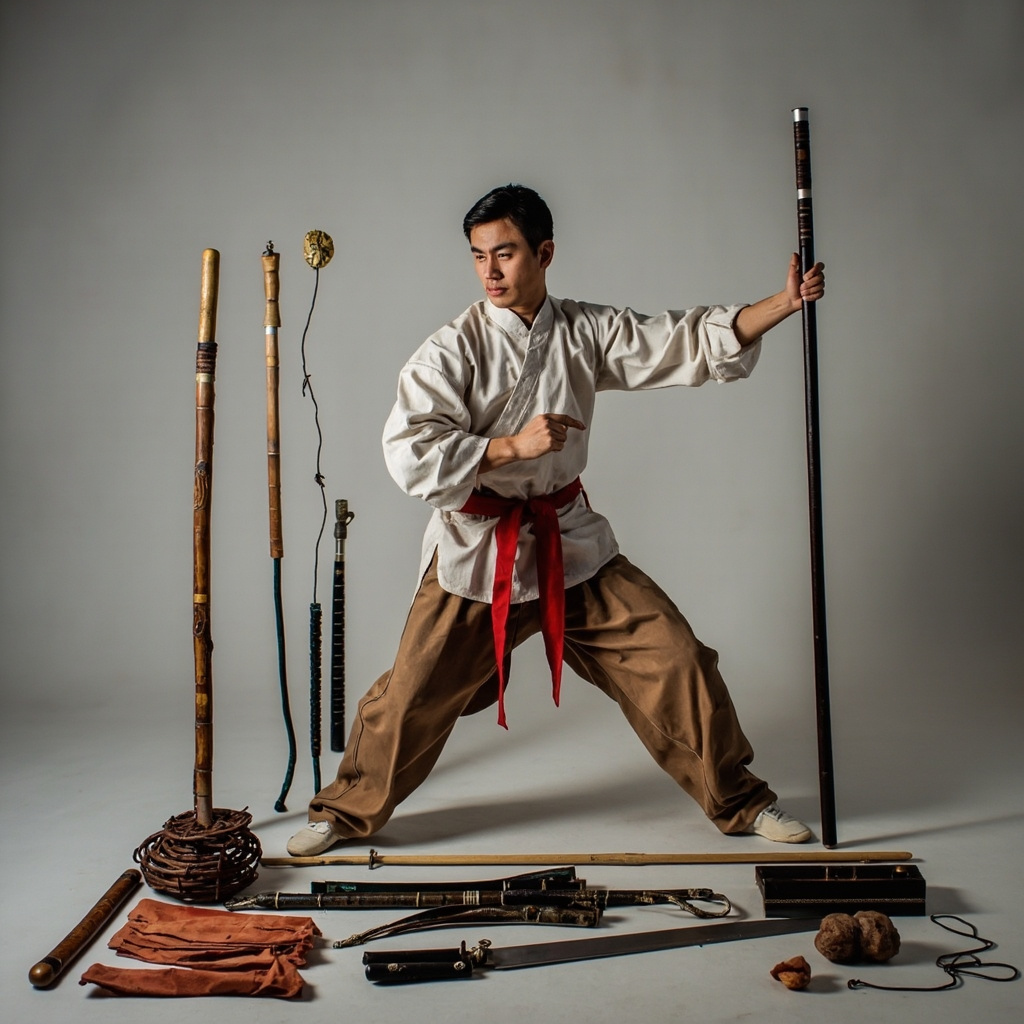
# Kung Fu Uniforms and Equipment: Complete Guide for Martial Artists
The world of Chinese martial arts is rich with tradition, discipline, and a distinctive visual identity that sets it apart from other combat sports. Whether you’re drawn to the flowing movements of Tai Chi, the explosive techniques of Shaolin Kung Fu, or the intricate weapon forms of Wushu, having the right kung fu uniforms equipment is essential for both performance and respect for the art. This comprehensive kung fu clothing guide will walk you through everything you need to know about traditional kung fu attire, the various martial arts uniform types available, and the equipment essentials that every practitioner-from complete beginners to advanced masters-should understand.
For many Western practitioners, the journey into Chinese martial arts begins with a simple question: what exactly do I need to wear and use? Unlike modern sports with standardized uniforms, kung fu encompasses dozens of distinct styles, each with its own clothing preferences and equipment requirements. This guide aims to demystify that process, offering practical advice that will help you make informed decisions about your martial arts wardrobe and gear.
[IMAGE: Collection of various traditional kung fu uniforms displayed on a clothing rack in a martial arts school]
## The Significance of Traditional Kung Fu Attire
Understanding the cultural and practical significance of kung fu clothing helps you appreciate why traditional kung fu attire looks the way it does. The classic kung fu uniform-typically consisting of a button-down jacket, loose-fitting trousers, and cloth shoes-emerged from the everyday clothing of Chinese peasants and scholars during the Ming and Qing dynasties. This wasn’t merely a matter of convenience; the design served specific martial purposes that remain relevant today.
The loose fit of traditional kung fu clothing allows for unrestricted movement in all directions, accommodating the high kicks, deep stances, and flowing transitions that characterize Chinese martial arts. The jacket’s length provides coverage during ground work and grappling, while the fabric choices-traditionally cotton or silk-offer breathability during intense training sessions. Perhaps most importantly, wearing proper attire shows respect for your instructor, your training partners, and the art itself. This cultural dimension cannot be overstated in a discipline that prizes discipline, humility, and proper etiquette.
For beginners, adopting traditional attire from the start establishes the right mindset. When you put on your kung fu uniform, you’re not just changing clothes-you’re transitioning into a different state of being, one focused on learning, growth, and the transmission of centuries-old knowledge. This psychological shift, combined with the practical benefits of the clothing, makes traditional kung fu attire a meaningful choice for serious practitioners.
[IMAGE: Close-up of traditional kung fu jacket with frog button closures and embroidery details]
## Types of Kung Fu Uniforms and Styles
The world of martial arts uniform types spans a wide spectrum, from highly traditional to modern adaptations. Understanding the differences helps you choose the right uniform for your specific needs and training context.
**Traditional Cotton Kung Fu Suit** – The most common type of kung fu uniform equipment found in schools worldwide. These typically feature a cross-collar jacket with frog buttons (knotted closures) and straight-leg trousers with an elastic or drawstring waist. Made from lightweight cotton, these uniforms are affordable, durable, and appropriate for virtually all traditional styles.
**Silk Kung Fu Uniforms** – For formal occasions, demonstrations, and traditional Chinese martial arts competitions, silk uniforms offer superior aesthetics and comfort. Silk drapes beautifully, allowing for more elegant movements during performance. While more expensive than cotton alternatives, silk kung fu clothing is considered an investment in your martial arts journey.
**Sash-Closure Jackets** – Some traditional styles, particularly those from northern China, utilize jackets that close with a cloth sash rather than buttons. This design allows for even greater freedom of movement and is associated with styles emphasizing high kicks and dynamic footwork.
**Modern Training Uniforms** – Many contemporary schools have adopted simplified training gear that combines traditional aesthetics with modern fabrics. These often feature stretch materials, reinforced stitching, and moisture-wicking properties that suit intensive daily training.
**Competition and Performance Uniforms** – Wushu practitioners typically wear specially designed uniforms that balance traditional appearance with functional requirements for high-difficulty movements. These may include fitted jackets, colored trim indicating school affiliation, and specialized footwear.
When selecting among martial arts uniform types, consider your primary training goals, your school’s requirements, and the balance you want between tradition and practicality.
## Choosing the Right Kung Fu Clothing for Your Style
Selecting appropriate kung fu uniforms equipment involves more than simply picking a size. Your choice should reflect your training style, the climate where you train, and your level of experience. This kung fu clothing guide section provides practical guidance for making the best decision.
**Consider Your Primary Style** – Internal styles like Tai Chi and Xing Yi typically favor softer, more flowing uniforms that complement the art’s subtle movements. External styles such as Shaolin Kung Fu often pair well with sturdier cotton uniforms that can withstand rigorous training. If you practice weapon forms, ensure your uniform allows freedom of movement without catching on implements.
**Sizing and Fit** – Kung fu uniforms should fit differently than Western athletic wear. The jacket should allow you to raise both arms fully without the hem riding up, while the trousers should permit deep squats and wide stances. Many practitioners prefer trying on uniforms before purchasing, as sizing varies significantly between manufacturers. When in doubt, err toward slightly larger-excess fabric can be tucked or adjusted, but overly tight clothing restricts movement.
**Climate Considerations** – If you train in hot, humid conditions, prioritize lightweight cotton or performance fabrics that breathe well. In cooler environments, consider layering options or thicker materials that retain warmth without sacrificing mobility.
**Quality Indicators** – Examine stitching, particularly at stress points like shoulders and underarms. Quality uniforms feature reinforced seams that will withstand years of training. Button or closure systems should operate smoothly and securely. Fabric should feel substantial without being heavy, and should maintain its shape after multiple washings.
For beginners, starting with one quality traditional cotton uniform serves most needs. As you progress and develop specific preferences, you can expand your wardrobe to include specialized attire for different purposes.
## Essential Kung Fu Equipment for Beginners
Beyond the basic uniform, martial arts training requires specific equipment that supports proper technique development and injury prevention. This section outlines the essential kung fu equipment beginners should consider acquiring as they progress in their training.
**Training Footwear** – Traditional kung fu cloth shoes (also called martial arts shoes or tau pei) provide excellent ground feel and allow for natural foot movement. Unlike Western athletic shoes, these thin-soled options encourage proper footwork and strengthen foot muscles. Many practitioners alternate between cloth shoes and bare feet, depending on their school’s policies and the specific training focus.
**Protective Gear** – While traditional kung fu emphasizes internal development over competition, beginners benefit from basic protection during partner work and sparring. Hand wraps support the wrists and knuckles, while mouth guards protect teeth during close-quarters practice. Shin guards become important when practicing kicking techniques with partners.
**Training Weapons** – Beginning practitioners typically start with wooden or foam training versions of weapons before progressing to steel or other advanced materials. Common beginner weapons include wooden staff (gun), butterfly swords (die da), and broadsword training implements. Your instructor will guide your progression through weapon training based on your school’s curriculum.
**Training Accessories** – Several items enhance training effectiveness: a quality training bag for striking practice, wooden dummies for wing chun and other close-range arts, and conditioning equipment like hand grip strengtheners and leg developers.
**Bag and Storage** – A dedicated martial arts bag keeps your equipment organized and protected during transport. Look for bags with separate compartments for shoes, uniforms, and smaller gear items.
When building your initial equipment collection, prioritize quality over quantity. A well-made uniform and appropriate footwear serve you better than an array of mediocre gear.
[IMAGE: Organized display of essential kung fu equipment including cloth shoes, hand wraps, wooden staff, and training bag]
## Maintaining and Caring for Your Kung Fu Gear
Proper care extends the life of your kung fu uniforms equipment significantly and ensures you always present yourself professionally on the training floor. This practical advice helps you protect your investment while maintaining hygiene standards expected in martial arts schools.
**Washing Your Uniform** – Most cotton kung fu uniforms can be machine washed in cold water on a gentle cycle. Turn the uniform inside out to protect any embroidery or decorative elements. Avoid harsh detergents that can weaken fabric fibers and cause colors to fade. Air drying is preferred, as high heat from dryers can cause shrinkage and damage to the fabric over time. If you must use a dryer, select the lowest heat setting.
**Handling Silk Uniforms** – Silk requires more delicate treatment. Hand washing in cool water with specialized silk detergent is recommended, though many silk uniforms are now designed to withstand gentle machine washing. Never wring silk; instead, press excess water out with a clean towel and hang to dry away from direct sunlight.
**Footwear Care** – Cloth shoes should be aired out after each use to prevent odor buildup. If they become wet, stuff them with newspaper to absorb moisture and maintain shape while drying. Avoid machine washing cloth shoes, as this can damage their structure. Replace footwear when the soles become worn smooth, as traction becomes compromised.
**Storing Equipment** – Hang your uniform when not in use to prevent wrinkles and allow air circulation. Store training weapons in a dry location to prevent warping or rust. Wooden implements benefit from occasional treatment with natural oils that prevent cracking. Keep protective gear in a well-ventilated bag and inspect it regularly for signs of wear.
**Regular Inspection** – Before each training session, quickly check your uniform and equipment for damage. Look for loose threads, worn areas, or structural issues that could affect performance or safety. Addressing small problems early prevents them from becoming serious concerns.
By establishing good care habits from the beginning, you’ll find that quality kung fu uniforms equipment provides years of reliable service.
## Where to Purchase Quality Kung Fu Uniforms and Equipment
Finding reliable sources for authentic, well-made traditional kung fu attire and training gear requires some knowledge of the marketplace. This section offers guidance on making smart purchasing decisions.
**Your Training School** – Many martial arts schools sell uniforms and basic equipment directly, often at reasonable prices. Purchasing from your school ensures you get appropriate attire and supports your training community. Instructors typically vet their suppliers and can recommend specific products that suit their curriculum.
**Specialty Martial Arts Retailers** – Both physical stores and online retailers specializing in martial arts supplies offer broader selections and competitive pricing. Look for retailers with detailed product descriptions, sizing guides, and customer reviews. Reputable specialty retailers often stock multiple quality levels, allowing you to choose according to your needs and budget.
**Asian Import Stores** – Chinese grocery and merchandise stores frequently carry basic kung fu uniforms equipment at low prices. While these items serve adequately for casual training, quality can be inconsistent. Use these sources for backup uniforms or inexpensive practice gear rather than primary equipment.
**Online Marketplaces** – Major e-commerce platforms offer vast selections and price comparisons. When purchasing online, carefully review sizing charts, read customer feedback about quality and durability, and factor in shipping costs and return policies. Purchasing from established sellers with high ratings reduces risk.
**Custom Options** – For practitioners seeking perfect fit or unique designs, custom uniform makers offer tailored options. While more expensive, custom kung fu clothing ensures ideal sizing and allows for personalization with embroidery or specific fabric choices.
Regardless of where you purchase, resist the temptation to choose price alone. Quality kung fu uniforms equipment represents a reasonable investment in your training, and well-made gear serves you better over time.
## Conclusion
Understanding kung fu uniforms equipment is an essential part of your journey into Chinese martial arts. The right traditional kung fu attire not only honors the art’s heritage but also enhances your training effectiveness through proper fit, appropriate materials, and respectful presentation. As this guide has shown, selecting martial arts uniform types involves considering your specific style, training environment, and personal preferences.
For beginners, starting with a quality cotton kung fu uniform and appropriate footwear provides everything needed for initial training. As you progress, gradually adding protective gear, training weapons, and specialized equipment expands your capabilities without overwhelming your investment all at once. Remember that caring for your gear properly extends its life and ensures you’re always training at your best.
The world of Chinese martial arts offers rich diversity in clothing and equipment traditions, and part of your growth as a practitioner involves discovering which options resonate with your individual path. Whether you embrace the simplest training uniform or aspire to elegant silk attire for formal demonstrations, the key is making informed choices that support your continued development.
Take the next step in your martial arts journey by evaluating your current equipment needs and investing in quality gear that will serve you well. Your training will benefit, your respect for tradition will deepen, and you’ll find that proper kung fu uniforms equipment becomes an extension of your dedication to this timeless art.