# Kung Fu Training for Beginners: Your Complete Guide to Starting Strong
Are you ready to embark on an incredible journey into the world of Chinese martial arts? Kung fu training for beginners offers a transformative experience that combines physical fitness, mental discipline, and centuries-old traditions. Whether you’re looking to improve your health, learn self-defense, or simply explore a new passion, this comprehensive guide will provide you with everything you need to start your kung fu journey on the right foot.
The beauty of beginning kung fu training lies in its accessibility. Regardless of your current fitness level, age, or athletic background, the art meets you where you are and helps you grow. In this guide, we’ll explore the essential elements of beginner kung fu exercises, master the fundamental stances, structure your workouts effectively, and avoid common pitfalls that trip up new practitioners. By the time you finish reading, you’ll have a clear roadmap for starting kung fu training with confidence and enthusiasm.
## What is Kung Fu? Understanding the Basics
Kung fu, often used interchangeably with wushu, encompasses a vast array of Chinese martial arts styles that have developed over thousands of years. The term itself means “skill” or “achievement” through effort, reflecting the dedication and perseverance required to master these arts. When starting kung fu training, understanding this broader context helps you appreciate that you’re joining a tradition that spans generations and countless masters.
The origins of kung fu trace back to ancient China, where monks developed fighting techniques for self-defense and spiritual cultivation. Over centuries, different regions and lineages created distinct styles, from the explosive power of Shaolin to the fluid movements of Yang-style tai chi. Each style offers unique benefits, but all share core principles of proper body mechanics, breath control, and mental focus. As a beginner, you’ll discover that kung fu isn’t just about learning moves-it’s about developing a complete mind-body connection that serves you in all aspects of life.
Modern kung fu training for beginners typically focuses on foundational elements that apply across all styles. These include basic stances, hand forms, kicking techniques, and conditioning exercises. Your journey will involve gradually building strength, flexibility, and coordination while simultaneously developing patience, discipline, and respect for tradition. Remember that every master began exactly where you are now, and consistent practice is the key to transformation.
[IMAGE: Traditional kung fu practitioner performing a form in a serene outdoor setting]
## Essential Kung Fu Stances Every Beginner Must Master
Before diving into more complex movements, mastering the fundamental stances forms the bedrock of your kung fu training. These positions teach your body proper alignment, develop leg strength, and establish the stability you’ll need for everything else. In traditional kung fu, students often spend months or even years perfecting stances alone before progressing to more advanced techniques.
The horse stance, or ma bu, represents perhaps the most iconic kung fu position. Standing with feet shoulder-width apart and thighs parallel to the ground, this stance builds tremendous leg strength and teaches you to sink your weight low. Beginners often find this position challenging, as it requires significant thigh endurance. Hold the horse stance for increasingly longer durations, starting with 30 seconds and working toward several minutes. This seemingly simple position will revolutionize your lower body strength and prepare you for more dynamic movements.
The bow stance, or gong bu, mimics the motion of drawing a bow and teaches rotational power generation. With one leg forward in a lunge position and the rear leg straight, you’ll learn to generate force through hip rotation-a technique that underlies many kung fu strikes and kicks. Practice transitioning smoothly between bow stance and horse stance, focusing on maintaining a straight back and keeping your weight evenly distributed. These transitions build the explosive power that characterizes effective martial technique.
## Beginner Kung Fu Exercises to Build a Strong Foundation
Starting kung fu training requires a systematic approach to developing the physical attributes that support martial skill. Beginner kung fu exercises focus on building flexibility, strength, coordination, and endurance in balanced proportions. By incorporating these exercises into your regular routine, you’ll accelerate your progress and reduce the risk of injury.
Dynamic stretching forms an essential component of any warm-up routine. Leg swings, hip circles, and arm rotations prepare your joints for the demands of kung fu movements. After warming up, static stretching helps develop the flexibility needed for high kicks and deep stances. Focus especially on hip flexors, hamstrings, and shoulders-areas that directly impact your ability to execute proper technique. Dedicate at least 10-15 minutes of every session to flexibility work, as this investment pays dividends throughout your training career.
Basic conditioning exercises round out your foundation work. Push-ups, squats, crunches, and lunges develop the muscular endurance needed for sustained training. Many beginners neglect core work, but a strong center powers every movement in kung fu. Consider incorporating planks, mountain climbers, and leg raises into your routine. Bridge exercises specifically target the lower back and glutes, supporting the arching movements found in many forms. Start with modest rep counts and gradually increase as your strength develops.
[IMAGE: Beginner performing basic stretching exercises in a martial arts studio]
## How to Structure Your Kung Fu Workout Routine
Designing an effective kung fu workout requires balancing different training elements to promote steady progress. When starting kung fu training, structuring your sessions thoughtfully prevents burnout, reduces injury risk, and maximizes your development. A well-designed routine includes warm-up, technique work, conditioning, and cool-down phases.
Begin each session with a thorough warm-up lasting 10-15 minutes. Start with light cardiovascular activity-jumping jacks, jogging in place, or skipping-to raise your body temperature and activate your cardiovascular system. Follow with dynamic stretches that target the major muscle groups you’ll use. This preparation phase cannot be rushed, as it primes your body for the more demanding work ahead and significantly reduces injury likelihood.
The technique portion of your workout should focus on fundamentals. Spend time reviewing stances, practicing basic forms, and drilling individual techniques. Quality matters more than quantity at this stage-focus on proper execution rather than??? power. Work on specific skills that challenge you, whether that’s maintaining balance in a particular stance or achieving greater range of motion in a kick. Recording yourself during practice provides invaluable feedback for identifying and correcting form issues.
## Finding the Right Kung Fu Style for You
The world of kung fu contains hundreds of distinct styles, each with unique characteristics, training methods, and philosophical approaches. When starting kung fu training, selecting a style that aligns with your goals and physical attributes ensures a more enjoyable and sustainable practice. Understanding the main categories helps narrow your options.
External styles like Shaolin kung fu emphasize physical conditioning, explosive power, and rigorous physical training. These styles typically feature dynamic, athletic movements with strong, visible techniques. Students practicing external styles often develop impressive strength, speed, and flexibility. If you thrive on challenging physical conditioning and enjoy dramatic, powerful movements, an external style might suit you well.
Internal styles such as tai chi, xing yi, and bagua focus more on developing internal energy (qi), mental focus, and fluid, relaxed movement. While these styles may appear gentle, they develop subtle strength and coordination that prove incredibly effective over time. Many beginners appreciate how internal styles promote stress relief, improve balance, and offer accessible entry points regardless of fitness level. Some practitioners ultimately train in both external and internal arts, finding that each complements the other beautifully.
## Common Mistakes to Avoid When Starting Kung Fu Training
Every new practitioner encounters challenges, but awareness of common pitfalls helps you navigate your early training more smoothly. Understanding these mistakes prevents discouragement and accelerates your progress. Being mindful of these tendencies allows you to maintain healthy habits from the very beginning of your journey.
Perhaps the most frequent error involves training too intensely too quickly. Enthusiasm drives many beginners to overtrain, leading to burnout, injury, or both. Your body requires time to adapt to the unfamiliar demands of kung fu movements. Respect the learning process by gradually increasing training volume and intensity. Consistency over months and years produces far better results than sporadic intensive sessions that leave you injured or exhausted.
Neglecting fundamentals in favor of flashy techniques represents another common stumbling block. The basic stances, forms, and conditioning exercises might seem unglamorous compared to spinning kicks or complex weapons work, but they form the essential foundation for everything else. Students who rush past fundamentals often find their progress plateauing or developing poor habits that prove difficult to correct later. Embrace the basics as the heart of your practice, and you’ll build lasting skill.
## Tips for Progressing Beyond Beginner Level
As your kung fu training evolves, strategic approaches help you continue growing as a practitioner. Moving beyond beginner status requires not just more training but smarter training. Developing good habits early and maintaining perspective ensures sustainable progress over the long term.
Consistency proves non-negotiable for advancement. Training several times weekly, even if briefly, produces superior results compared to occasional marathon sessions. Create a realistic schedule that fits your life circumstances and stick to it. Missing occasional sessions happens to everyone, but the key is returning to practice without self-judgment and continuing forward. Over months and years, this regular effort compounds into remarkable transformation.
Seek feedback from experienced practitioners and instructors whenever possible. Self-assessment has limitations, and external perspective identifies blind spots you cannot perceive yourself. Video analysis, in-person corrections, and thoughtful questions accelerate your learning curve significantly. Approach advanced students and teachers with genuine curiosity and respect for their experience. Most martial artists genuinely enjoy sharing their knowledge with dedicated beginners.
## Conclusion
Starting kung fu training marks the beginning of an incredibly rewarding journey that will transform your body, mind, and spirit. This complete guide has equipped you with essential knowledge about fundamentals, stances, exercises, workout structure, style selection, common pitfalls, and progression strategies. The path ahead requires patience, dedication, and consistent effort, but the rewards justify every moment invested.
Now is the perfect time to take your first concrete step. Visit a local kung fu school, observe a class, and speak with instructors about beginning your training. If attending in-person classes isn’t immediately possible, start with basic stretches, stances, and conditioning exercises at home while you arrange formal instruction. The most important element is simply beginning-every expert practitioner started exactly where you are now.
Your kung fu journey promises improved fitness, mental clarity, self-defense capability, and connection to a rich tradition spanning millennia. Embrace the challenges, celebrate the small victories, and remain patient with yourself during the learning process. Before you know it, you’ll look back at this moment as the beginning of an incredible transformation. Take action today and discover what awaits you on the mat.
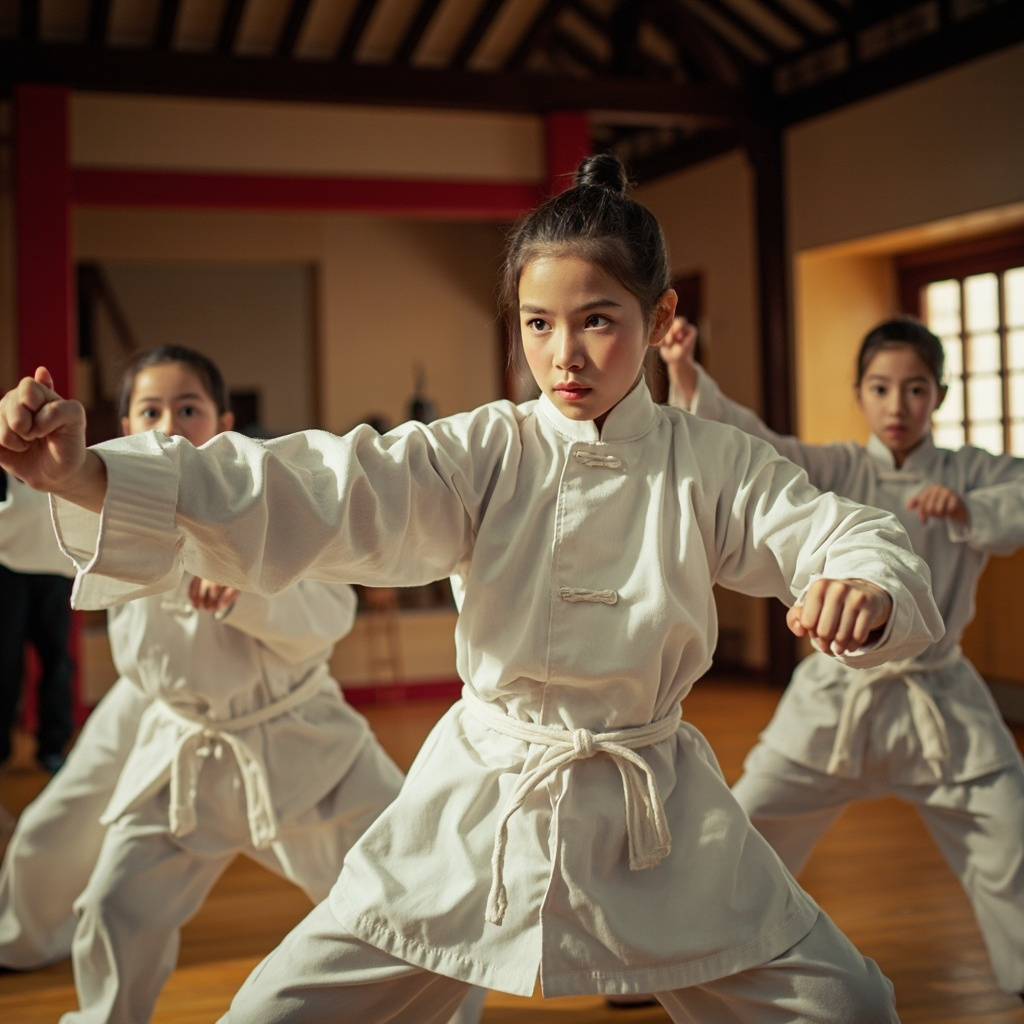
[IMAGE: Group of students in a kung fu class practicing together in harmony]
—
*Ready to begin your kung fu journey? Start with 10 minutes of basic stretches and horse stance practice today, and build from there. Your future self will thank you for taking this first step toward becoming a stronger, more focused version of yourself.*