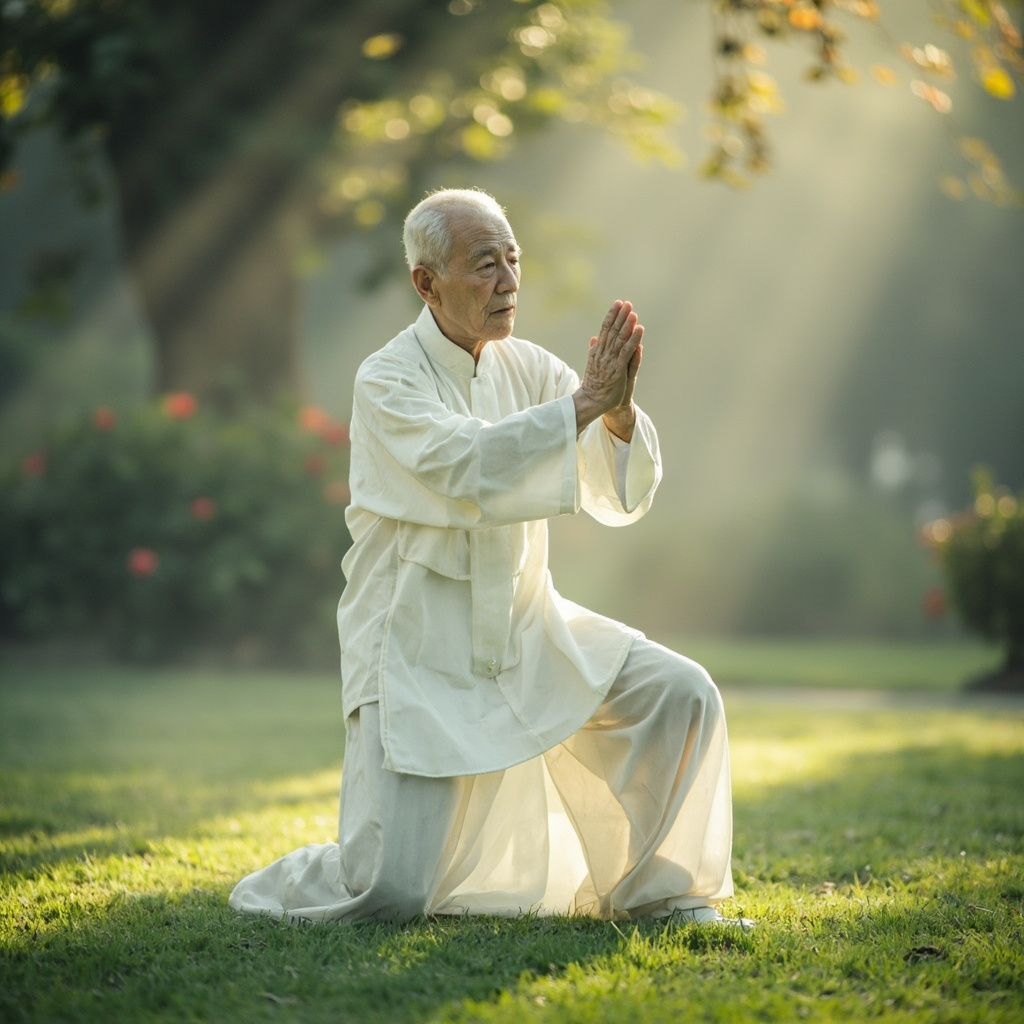
# Tai Chi for Beginners: A Complete Step-by-Step Guide to Starting Your Journey
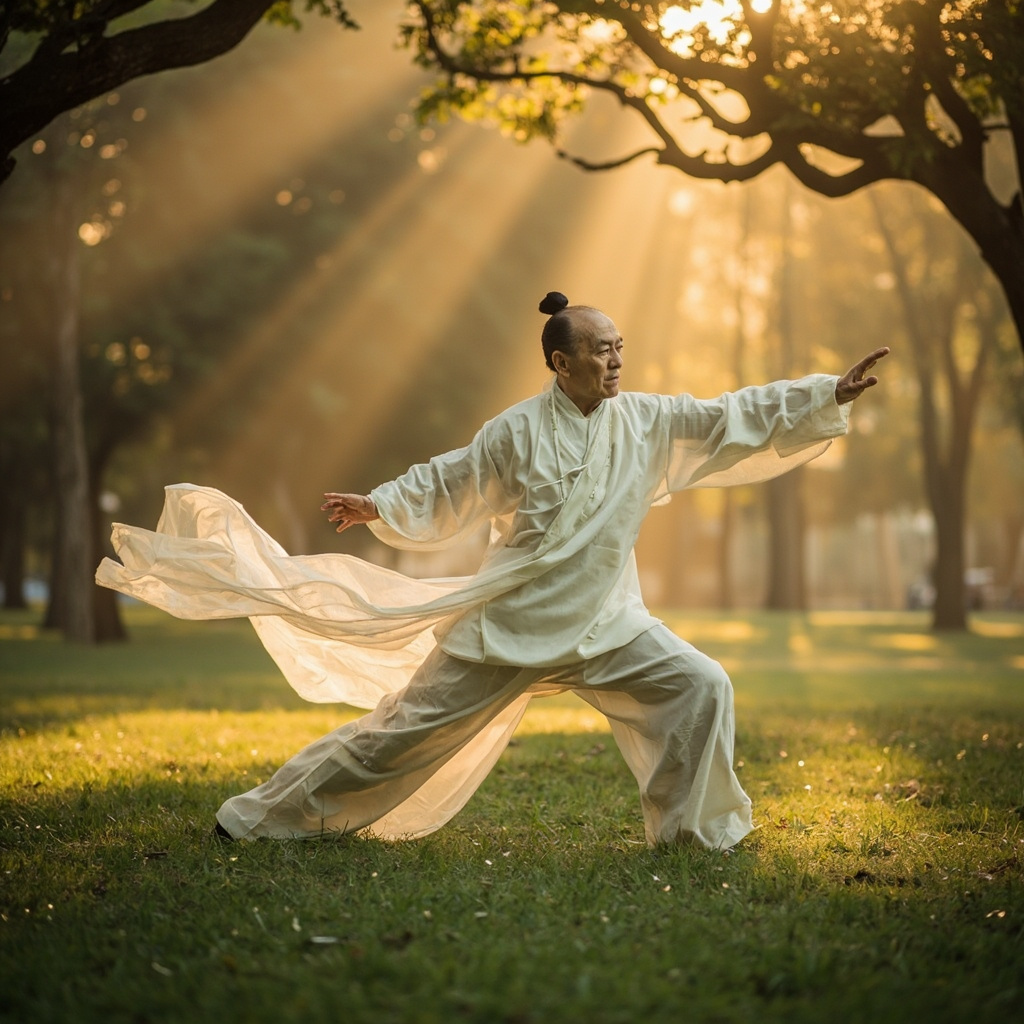
**Discover the ancient Chinese art of Tai Chi and transform your mind-body connection.** Whether you’re seeking stress relief, improved flexibility, or a gentle path to better health, this comprehensive guide for Tai Chi for beginners will walk you through everything you need to know to begin your practice with confidence and enthusiasm.
For centuries, practitioners across the globe have turned to Tai Chi as both a martial art and a meditative practice, finding in its slow, deliberate movements a pathway to inner peace and physical vitality. If you’ve been curious about this elegant practice but didn’t know where to start, you’re in exactly the right place. This guide covers essential tai chi basics, practical beginner exercises, and actionable steps to launch your journey toward improved well-being through this beautiful art form.
## What is Tai Chi and Why Should Beginners Start?
Tai Chi, also known as Tai Chi Chuan, originated in ancient China as both a martial art and a method of moving meditation. Often described as “meditation in motion,” this practice involves a series of slow, flowing movements coordinated with deep breathing and mental focus. Unlike high-impact exercises that can strain joints and muscles, Tai Chi offers a low-impact alternative suitable for virtually every age and fitness level.
### The Origins and Philosophy of Tai Chi
The exact origins of Tai Chi remain somewhat mysterious, with most historians tracing its development to Chen village in Henan Province, China, during the 17th century. Legend attributes the art to Zhang Sanfeng, a Taoist monk who reportedly created the style after observing a crane and a snake in combat, noticing how softness could overcome hardness through yielding and redirecting energy rather than meeting force with force.
The underlying philosophy of Tai Chi draws heavily from Taoist and Confucian principles, particularly the concept of yin and yang-the complementary forces that exist throughout nature. In practice, this translates to movements that embody both stillness and motion, firmness and flexibility, strength and relaxation. For beginners, understanding this philosophical foundation enriches the practice beyond mere physical exercise, connecting each movement to deeper principles of balance and harmony.
### Health Benefits of Tai Chi for Beginners
Modern scientific research increasingly validates what practitioners have known for centuries: Tai Chi offers remarkable health benefits. Studies published in reputable medical journals have demonstrated that regular practice can reduce stress and anxiety, improve balance and coordination, decrease blood pressure, and enhance overall cardiovascular health.
For those specifically interested in tai chi for health, the practice provides an accessible entry point regardless of current fitness levels. Unlike gym workouts that might intimidate newcomers, Tai Chi welcomes everyone. The gentle nature of the movements makes it particularly beneficial for individuals recovering from injuries, managing chronic conditions, or simply seeking a more mindful approach to physical activity. Research from Harvard Medical School suggests that Tai Chi can improve muscle strength, flexibility, and aerobic capacity while significantly reducing stress levels.
## Essential Tai Chi Basics Every Beginner Should Know
Before diving into specific movements, beginners should understand several foundational concepts that will inform their entire practice. These basic principles serve as the framework upon which all Tai Chi techniques are built, providing the conceptual tools needed to execute movements correctly and safely.
### Understanding the Core Principles
The three most essential principles in Tai Chi involve posture, breathing, and mental focus. First, maintaining proper posture means keeping the body aligned in a way that promotes natural energy flow-head lifted as if suspended from above, shoulders relaxed, spine straight, and knees slightly bent. This stacked alignment creates the foundation for all subsequent movements.
Second, breath coordination connects physical movement with diaphragmatic breathing. In Tai Chi, exhale typically accompanies external movements and contraction, while inhalation accompanies returning movements and expansion. This synchronization enhances the meditative quality of the practice while promoting deeper oxygen exchange.
Third, mental focus involves directing attention to specific areas of the body, visualizing energy flow, or simply maintaining present-moment awareness. Beginners often find their minds wandering initially-this is completely normal. Like any skill, concentration improves with consistent practice. The mental aspect transforms Tai Chi from mere physical exercise into a holistic mind-body practice.
### Choosing the Right Style for Beginners
Five major styles of Tai Chi exist, each with distinct characteristics. The Chen style features explosive power combined with silk-reeling movements, making it more athletic. The Yang style, the most popular worldwide, emphasizes large, slow, flowing movements ideal for beginners. The Wu style uses smaller, more compact movements with a lower stance. Sun style incorporates martial arts elements with faster footwork. Finally, the Hao style, less commonly practiced, features subtle, internal movements requiring significant experience.
For most beginners, the Yang style provides an excellent starting point. Its clear, defined forms and moderate tempo make it accessible while still offering depth for long-term development. Many community centers and health clubs offer Yang style classes specifically designed for newcomers. However, exploring different styles before committing can help you discover which resonates most with your body and personality.
## How to Learn Tai Chi: A Step-by-Step Guide
Understanding how to learn Tai Chi effectively involves considering multiple learning pathways and committing to consistent practice. The method you choose depends on your learning style, budget, schedule flexibility, and personal preferences regarding social interaction versus independent study.
### Finding a Qualified Instructor
While online resources offer valuable supplements, learning Tai Chi under qualified instruction remains strongly recommended, especially for beginners who benefit from real-time feedback on posture and movement quality. When searching for an instructor, look for credentials from recognized organizations, years of experience practicing and teaching, and testimonials from current or former students.
A competent instructor will emphasize proper alignment from the first lesson, provide modifications for physical limitations, and explain the connection between movements and underlying principles. They should create a welcoming, patient atmosphere where questions are encouraged and individual progress is valued over standardized benchmarks. Consider observing a class before committing, paying attention to how the instructor interacts with students and whether their teaching style matches your learning preferences.
[IMAGE: Tai Chi instructor demonstrating proper posture alignment with a beginner student]
### Online Resources and Classes
The digital age has made Tai Chi more accessible than ever, with countless online tutorials, video courses, and live-streamed classes available. Platforms like YouTube offer free introductory content, while specialized websites provide structured courses designed for progressive learning. For those with busy schedules or limited local access to instructors, online learning offers a viable pathway to begin understanding tai chi basics.
However, approach online learning with discernment. Seek out instructors with established credentials rather than random videos from unverified sources. Use online resources to supplement rather than replace in-person instruction when possible. Virtual classes can provide guidance on form, but they cannot correct your posture or offer hands-on adjustments. Consider a hybrid approach: learn foundational movements with an instructor, then use online resources for supplementary practice and learning.
## Essential Tai Chi Beginner Exercises to Start With
With theoretical understanding established, let’s explore specific exercises and movements that form the foundation of a Tai Chi practice. These beginner exercises require no special equipment and can be practiced in a modest space, making them accessible regardless of your living situation.
### The Opening Stance and Preparation
Every Tai Chi form begins with an opening stance, making mastery of this foundational position essential. Stand with feet shoulder-width apart, weight distributed evenly between both legs. Allow your arms to hang naturally at your sides, shoulders relaxed, chin slightly tucked. Close your eyes briefly and focus on your breathing, feeling the ground beneath your feet and the space around your body.
From this neutral position, gradually shift weight to your right leg while raising your left heel, maintaining contact with the floor through the ball of your foot. This weight transfer prepares the body for the subsequent movements and teaches the important principle of continuous, flowing weight transition that characterizes all Tai Chi practice.
### Basic Warm-Up Movements
Before practicing forms, warming up prevents injury and prepares the body for the specific demands of Tai Chi. Begin with gentle neck rotations-slowly turning the head from side to side, then tilting ear toward shoulder, and finally making small circular motions. Move to shoulder rolls, lifting shoulders toward ears, then rolling them back and down in circular motions.
Continue with waist rotations, allowing the upper body to turn gently from side to side while the legs remain stable. Gentle knee bends, keeping the torso upright and knees tracking over the toes, prepare the joints for the deeper bends used in forms. Finally, ankle rotations while standing or sitting prepare the foundation points of your stance. These movements, typically performed for several minutes, transition the body from daily activity into the focused awareness required for Tai Chi practice.
[IMAGE: Sequence of warm-up movements showing neck, shoulder, and waist rotations]
### Your First Form: The Opening Sequence
Most traditional Tai Chi forms begin with similar opening sequences that establish rhythm and mental focus. The most fundamental movement, often called “Parting the Wild Horse’s Mane” in Yang style, involves weight shifting combined with arm movements that separate and reunite. Despite its poetic name, the movement follows logical, learnable steps.
Begin in the ready stance, then shift weight to the left while turning the torso slightly right. Raise the right arm in a curved position while the left palm faces down. Shift weight forward onto the left foot while turning the torso left, bringing arms through center and separating into a ward-off position with the right arm. This movement teaches coordination between weight shifting, body rotation, and arm positioning-the three pillars of all Tai Chi practice.
Practice this single movement repeatedly until it feels natural, spending five to ten minutes daily. Only when one movement becomes internalized should you proceed to the next. This patient, methodical approach prevents developing bad habits and builds a strong foundation for advanced practice.
## Common Mistakes to Avoid as a Tai Chi Beginner
Every beginner encounters challenges, but awareness of common pitfalls can accelerate learning and prevent frustration. Understanding these typical mistakes helps you recognize and correct them in your own practice.
The most prevalent error involves rushing through movements. Tai Chi’s essence lies in its deliberate, unhurried pace. New practitioners often accelerate through forms out of impatience or eagerness to “finish,” missing the profound benefits that come from slow, mindful movement. Force yourself to move at half your natural speed, then slower still. The slower you move, the more muscles engage and the more you develop body awareness.
Another common mistake involves holding tension in the shoulders and upper body. Modern life trains us to carry stress in our upper bodies, creating habitual tension that contradicts Tai Chi’s relaxed approach. Consciously release shoulder tension throughout practice, imagining your shoulders melting down your back. This relaxation extends to the entire body, promoting the “song” or looseness essential to proper energy flow.
Finally, beginners often focus too heavily on arm movements while neglecting lower body work. In Tai Chi, the legs and feet generate movement, with arms following rather than leading. Practice sensing how your weight transfers through your feet, how your knees track, how your waist rotates-these lower body elements drive the upper body, not the reverse.
## Tai Chi for Health: What Scientific Research Says
Beyond traditional claims, modern research increasingly validates Tai Chi’s therapeutic applications. Understanding the science behind tai chi for health can motivate practice and help you communicate its benefits to skeptical friends or healthcare providers.
Studies from the National Center for Complementary and Integrative Health have found that Tai Chi appears to reduce stress, anxiety, and depression while improving balance, leg strength, and the ability to sleep well. Research published in the Journal of the American Geriatrics Society demonstrates that Tai Chi significantly reduces fall risk among older adults, with some studies showing greater balance improvements compared to other forms of exercise.
Cardiovascular benefits have also emerged in research, with regular practice associated with lowered blood pressure, improved heart rate variability, and enhanced endothelial function. For those with chronic conditions, Tai Chi offers gentle rehabilitation potential, with studies showing improvements for individuals with fibromyalgia, arthritis, and chronic obstructive pulmonary disease.
Perhaps most significantly for beginners, research indicates that even short-term practice yields benefits. One study found that twelve weeks of Tai Chi practice significantly improved mood and sleep quality in participants with chronic illness. This suggests that you don’t need years of dedication before experiencing health improvements-a encouraging finding for those just beginning their journey.
## Building Your Practice: Tips for Long-Term Success
Starting a new practice is exciting, but maintaining it over time requires different skills. Implementing strategies for sustainable development ensures your Tai Chi journey continues growing rather than fizzling out after initial enthusiasm.
Consistency matters more than duration. Practicing for ten minutes daily produces superior results to hour-long sessions twice weekly. Short, regular practice builds habit more effectively than sporadic intensive sessions. Choose a specific time each day for practice, linking it to existing routines-perhaps practicing immediately upon waking or before bed.
Keep a practice journal documenting your sessions, observations, and progress. Recording insights, difficulties, and small victories creates accountability while providing material for reflection. Reviewing past entries reveals patterns in your development and reminds you of how far you’ve progressed-particularly valuable during frustrating periods when improvement feels elusive.
Find community wherever possible. Practicing alongside others provides motivation, accountability, and joy that solitary practice cannot match. Local Tai Chi groups, community classes, online forums, or simply encouraging a friend to practice with you all serve this social function. The shared journey enhances individual journeys.
Finally, maintain beginner’s mind even as your practice develops. The philosophy of Shoshin-beginner’s mind-suggests that approaching advanced techniques with openness and curiosity, as a beginner would, preserves the freshness and potential for growth that can be lost through complacency. Never assume you know everything; every practice session offers opportunities for deeper understanding.
## Conclusion: Your Tai Chi Journey Begins Now
You now possess the foundational knowledge to begin your Tai Chi practice with confidence. From understanding the philosophical roots and health benefits to learning specific movements and avoiding common pitfalls, this guide has covered the essential tai chi basics that will launch your journey.
Remember that mastery in Tai Chi develops over years, not weeks. Approach your practice with patience and compassion for yourself. Each movement practiced mindfully, each breath coordinated consciously, each moment of presence cultivated during practice contributes to transformation that extends far beyond the physical body.
The path of Tai Chi offers something increasingly rare in modern life: a space for slowing down, breathing deeply, and reconnecting with your body’s natural wisdom. Whether your interest lies in martial application, stress reduction, improved health, or simply trying something new, Tai Chi welcomes you.
Begin today. Find a quiet space, stand in your opening stance, and take one conscious breath. That single moment of presence marks the beginning of a journey that can transform your health, your peace of mind, and your understanding of what it means to move through the world with grace and intention.
**Ready to begin?** Start with just five minutes of practice daily, focus on the foundational movements outlined here, and watch as your Tai Chi practice unfolds-one mindful breath at a time. Your journey awaits.
—
*If you found this guide helpful, explore our other resources on Chinese martial arts and holistic health practices. Remember to consult with your healthcare provider before beginning any new exercise program, especially if you have existing health conditions.*