# Shaolin Temple Kung Fu: The Ultimate Guide to the World’s Most Famous Martial Art
The mere mention of Shaolin Temple kung fu conjures images of robed monks performing impossible feats of physical prowess, their bodies moving with fluid precision through ancient forms passed down across countless generations. For more than 1,500 years, the Shaolin Monastery has stood as the spiritual and martial heart of Chinese combat traditions, influencing martial artists and inspiring millions around the globe. Whether you are a seasoned practitioner seeking deeper understanding or a curious newcomer drawn to the mystique of these legendary fighters, this comprehensive guide will take you through everything you need to know about Shaolin martial arts, the remarkable training methods of Shaolin monks, the profound connection to Chan Buddhism, and what makes this ancient Shaolin monastery the benchmark for martial excellence worldwide.
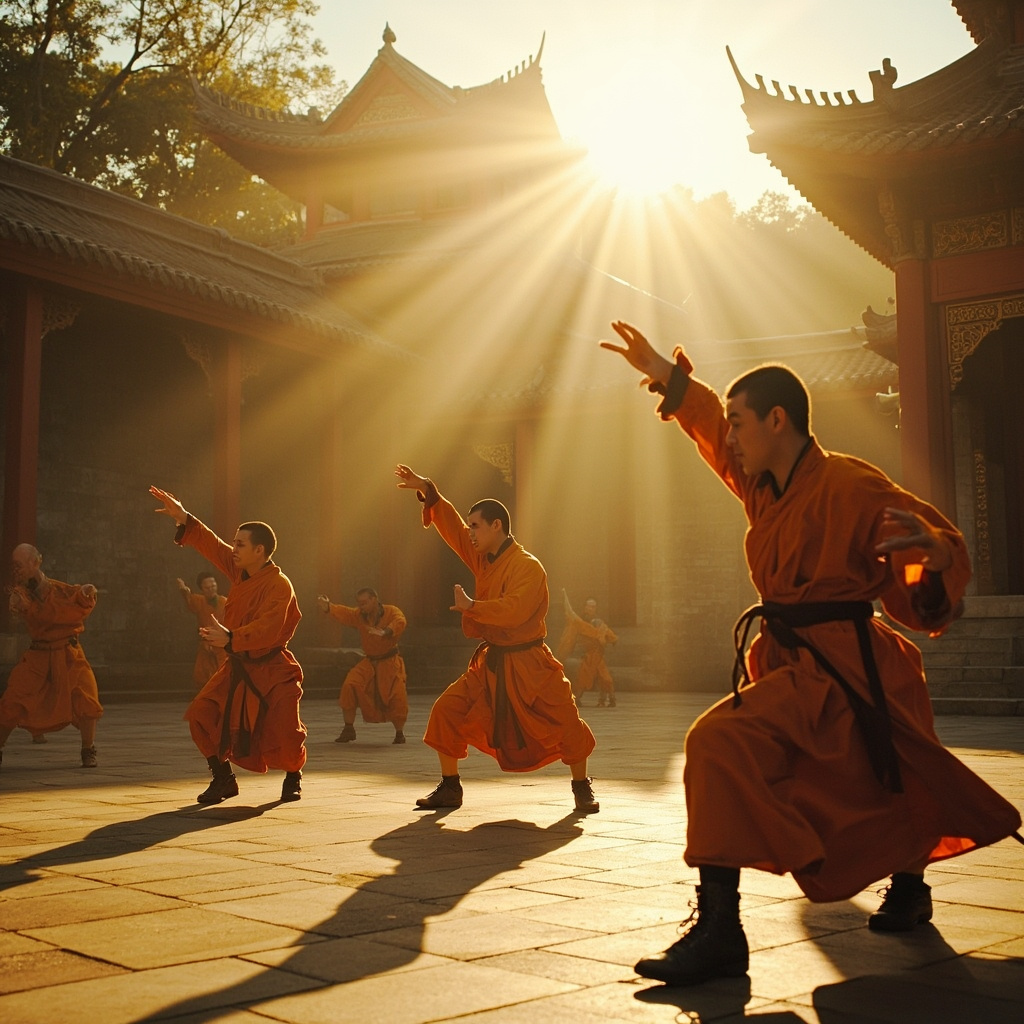
[IMAGE: Shaolin monks performing traditional kung fu forms in the courtyard of the ancient monastery]
## The History and Origins of Shaolin Temple Kung Fu
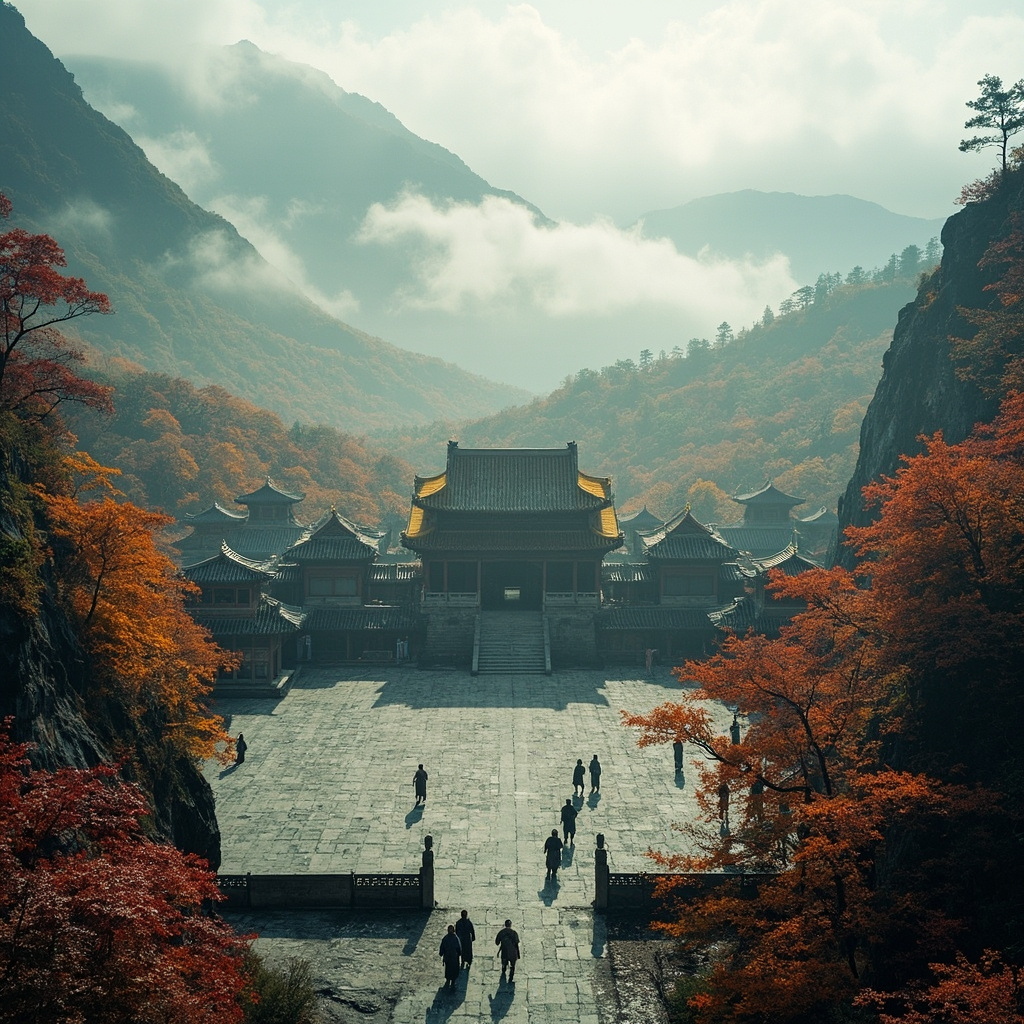
The story of Shaolin Temple kung fu begins in the misty mountains of Henan Province, central China, where the Shaolin Monastery was first established in 477 AD during the Northern Wei Dynasty. Emperor Xiaowen initially invited the Indian Buddhist monk Batuo (also known as Fotuo) to teach Buddhist scriptures at this newly constructed temple. For decades, the monastery focused primarily on scholarly Buddhist study rather than martial combat. The transformation that would create the world’s most celebrated martial tradition came from an unexpected source: a legendary encounter with a wandering monk who would forever change the course of Shaolin history.
Around 527 AD, another Indian monk named Bodhidharma arrived at Shaolin’s gates, reportedly having traveled from the southern kingdom of Liang. Rejected initially and forced to meditate alone in a nearby cave for nine years, Bodhidharma eventually gained the respect of the monastery and began teaching what would become known as Chan Buddhism-the Chinese expression of Zen. More significantly, Bodhidharma introduced foundational conditioning exercises designed to strengthen the monks’ bodies for prolonged meditation. These exercises, combining breathing techniques, stretching, and striking movements, laid the groundwork for what would evolve into the comprehensive system of Shaolin martial arts we recognize today. Historical records from the Tang Dynasty (618-907 AD) document Shaolin monks participating in military campaigns, demonstrating that by this period, their martial training had already reached formidable levels. The famous “Thirteen Warriors” episode, in which thirteen Shaolin monks helped Emperor Li Shimin defeat rebel forces, cemented the monastery’s reputation as a martial powerhouse that would endure for centuries.
## Understanding Shaolin Monastery Life
Life at an authentic Shaolin monastery operates on a fundamentally different rhythm than the modern world can easily comprehend. Understanding this daily existence provides essential context for appreciating how Shaolin martial arts developed and why it remains so effective. The monks who train at the original Shaolin Monastery follow a disciplined schedule that integrates spiritual practice, physical conditioning, and martial training into a unified way of living. This holistic approach distinguishes Shaolin martial arts from purely combat-oriented systems and explains why practitioners often describe it as a path of self-cultivation rather than mere fighting technique.
### Daily Routines of Shaolin Monks
A typical day at the Shaolin Monastery begins before dawn, often around 4:30 or 5:00 AM, when monks rise for morning prayers and meditation. This early practice aligns with traditional Buddhist teachings that emphasize the stillness of pre-dawn hours as optimal for spiritual cultivation. Following meditation, monks engage in stretching and basic conditioning exercises that prepare their bodies for more intensive training. Breakfast, typically simple and nutritious, provides necessary fuel for the demanding morning session ahead. From approximately 7:00 AM until noon, martial training dominates the schedule, with students practicing forms, sparring, and conditioning exercises under the watchful eyes of senior monks. Afternoons combine more training with religious study, philosophical discussion, and the completion of various monastery duties. Evening hours bring dinner, further practice, and time for personal reflection before the cycle begins again. This demanding routine, maintained consistently year after year, produces the extraordinary physical capabilities that have made Shaolin monks legendary. For those interested in adopting elements of this lifestyle, beginning with a structured daily practice-even just 30 to 60 minutes each morning-can initiate the transformation that Shaolin monks undergo over years of dedicated training.
### The Role of Chan Buddhism in Martial Training
The integration of Chan Buddhism with martial practice represents perhaps the most distinctive and profound aspect of Shaolin training. Chan Buddhism, emphasizing direct experiential insight over doctrinal study, teaches that enlightenment comes through present-moment awareness and intuitive understanding. This philosophy permeates every aspect of Shaolin martial arts, transforming combat techniques from mere physical actions into expressions of spiritual realization. The Shaolin monks who train in this tradition understand that true martial mastery cannot be achieved through mechanical repetition alone; it requires cultivating a mind that remains calm, focused, and completely present during combat. This mental training explains why Shaolin fighters often appear to move effortlessly, responding to attacks with spontaneous precision rather than calculated reaction. The famous ” wooden??” (wooden man) training, where monks strike progressively harder objects to develop bone and tissue conditioning, also carries spiritual significance-teaching practitioners to transcend the limitations and attachment to pain that would immobilize an unprepared fighter. Understanding this spiritual dimension elevates Shaolin martial arts beyond sport or self-defense, positioning it as a complete system for human development.
[IMAGE: Shaolin monk in deep meditation pose alongside martial arts weapons display]
## Shaolin Monks Training: Philosophy and Practice
When discussing Shaolin monks training, one must appreciate that the physical techniques we see performed-the high kicks, acrobatic jumps, and powerful strikes-represent only the visible portion of a much deeper practice. Authentic Shaolin training encompasses mental discipline, ethical conduct, breathing exercises, and spiritual cultivation that together create the complete martial artist. The legendary abilities of Shaolin monks-breaking bricks with bare hands, catching arrows, and moving with inhuman speed-result from decades of integrated training that develops every aspect of human capability simultaneously.
### The Five Animal Styles
Central to Shaolin martial arts training are the Five Animal Styles, which mimic the characteristic movements and spirit of the dragon, tiger, leopard, snake, and crane. Each animal represents distinct martial qualities that students must develop. The dragon embodies power, wisdom, and the ability to move fluidly between forms-representing the highest level of skill where technique becomes instinctive. Tigers demonstrate raw power, devastating strikes, and rooted stability, teaching practitioners to generate explosive force from the core. The leopard style emphasizes speed, agility, and precision strikes using the fists and elbows with minimal telegraph. Snake training develops fluidity, flexibility, and the ability to strike at vital points with lightning speed using fingers and palm heel strikes. Finally, the crane symbolizes balance, grace, and the use of soft power to redirect an opponent’s force. Mastery of Shaolin martial arts requires developing competence in all five animal qualities, creating well-rounded fighters who can adapt to any combat situation. Practitioners beginning their journey should spend time observing these different styles, then experiment with each movement quality during training to discover which animals resonate most strongly with their natural tendencies while consciously working to develop the others.
### Conditioning the Mind and Body
The physical conditioning practiced by Shaolin monks pushes human capabilities to remarkable extremes, but always with the understanding that the body serves the mind and spirit. Traditional conditioning methods include Iron Shirt training, where practitioners strike their own bodies progressively harder to toughen skin, muscles, and bones. These exercises, performed carefully over years, allow advanced Shaolin fighters to absorb impacts that would seriously injure untrained individuals. Hand and finger conditioning develops striking power while protecting the striking surfaces from injury. Running, jumping, and gymnastics build the explosive athletic ability visible in Shaolin performances. Importantly, Shaolin conditioning never prioritizes physical development at the expense of spiritual or mental growth. Breathing exercises coordinate with movement and visualization techniques to develop the internal energy (qi) that Shaolin philosophy considers essential for true martial mastery. For modern practitioners, understanding this integrated approach means avoiding the common mistake of focusing exclusively on technique while neglecting the foundational conditioning and mental aspects that give Shaolin martial arts its legendary effectiveness.
## Core Techniques and Styles of Shaolin Martial Arts
Shaolin martial arts encompass an extraordinarily diverse range of techniques, forms, and fighting systems that have developed over more than a millennium. While popular culture often focuses on spectacular acrobatics, the complete Shaolin curriculum includes empty-hand techniques, weapon training, grappling and throwing, joint locks, and striking to vital points. Understanding the major categories of Shaolin technique helps practitioners navigate this vast tradition and identify areas for focused study.
### Empty Hand Forms
The various empty hand forms (taolu) of Shaolin martial arts serve as the foundation for all other training. These choreographed sequences of techniques, practiced solo against imagined opponents, develop proper body mechanics, muscle memory, flexibility, and coordination. Different forms emphasize different qualities-some focusing on explosive power and wide stances, others on compact movements and rapid transitions. The legendary “Xiao Hong Men” (Little Red Door) form teaches close-range combat and grappling principles, while longer, more complex forms like “Yi Jin Jing” develop endurance, focus, and technical depth. Beyond these named forms, Shaolin training includes literally hundreds of traditional routines passed down through generations of masters. Each temple and lineage maintains its own collection of forms, creating a rich diversity within the broader Shaolin tradition. Advanced practitioners learn to extract the fighting principles embedded within these forms, transforming choreographed sequences into adaptive responses for actual combat. Beginners should focus initially on mastering basic forms with correct posture and breathing before progressing to more complex routines-rushing through the curriculum undermines the developmental purpose these forms serve.
### Weapon Forms
Weapon training represents an advanced stage in Shaolin martial arts, building upon the foundation established through empty-hand practice. The classic Shaolin weapons include the staff (gun), straight sword (jian), flexible sword (dao), spear (qiang), and many others, each requiring different physical qualities and mental approaches. Staff training develops reach, power generation, and the ability to maintain constant motion-qualities transferable to empty-hand fighting. Sword forms teach precision, economy of movement, and the integration of blade work with footwork. Traditional training methods involve practicing single techniques thousands of times before attempting the complete form, ensuring that each strike, block, and transition becomes genuinely ingrained. The remarkable weapon performances seen in Shaolin demonstrations-the spinning staff routines, the intricate sword dances-result from years of dedicated practice that transforms the weapons into natural extensions of the trained body. Modern practitioners should approach weapon training with patience, recognizing that attempting advanced weapon forms without adequate empty-hand foundation typically produces poor technique and increased injury risk.
[IMAGE: Shaolin monk demonstrating advanced staff (gun) technique in traditional practice yard]
## Modern Shaolin Temple Kung Fu: From Ancient Monastery to Global Stage
The twentieth and twenty-first centuries have witnessed remarkable transformations in how Shaolin Temple kung fu is practiced, transmitted, and perceived worldwide. Political upheavals, modernization, tourism, and global media have all reshaped the martial tradition, creating both opportunities and challenges for those seeking authentic training. Understanding this modern context helps practitioners find genuine instruction while avoiding commercialization and superficial representations that plague the contemporary martial arts landscape.
### Preserving Traditional Practices
Despite the pressures of modernization, significant efforts preserve authentic Shaolin traditions within the monastery and among dedicated lineages worldwide. The current Shaolin Monastery, restored and expanded over recent decades, maintains daily training programs for resident monks that continue centuries-old methods. Senior masters work to document traditional forms, techniques, and training philosophies before this knowledge disappears with the passing of the old generation. Additionally, networks of affiliated schools and training centers around the world maintain rigorous standards that connect back to the source tradition. The Chinese government, recognizing the cultural value of Shaolin martial arts, has established various programs supporting traditional preservation while also promoting Shaolin arts internationally as cultural ambassadors. For aspiring practitioners, this means that authentic Shaolin training remains accessible-though it requires discernment to distinguish genuine programs from commercial imitations that merely market the Shaolin name without delivering substantive content.
### Shaolin Kung Fu in Popular Culture
The influence of Shaolin martial arts extends far beyond monastery walls, permeating global popular culture through films, television, video games, and literature. Bruce Lee’s legendary performances, while not representing traditional Shaolin style directly, drew heavily on the martial philosophy and aesthetic established by Shaolin cinema. Films like “The 36th Chamber of Shaolin” and “Shaolin Temple” introduced global audiences to the monastery’s training methods and spiritual depth. Contemporary action cinema continues to feature Shaolin-influenced choreography, while video games like “Shaolin” and countless martial arts titles ensure that younger generations encounter this tradition. This cultural presence has both benefits and drawbacks-it generates interest that can lead people toward genuine training, but it also creates romanticized expectations that real practice may not immediately satisfy. Understanding the gap between performance and authentic training helps practitioners maintain realistic expectations and approach their studies with appropriate humility and patience.
## How to Start Your Shaolin Kung Fu Journey
Whether you dream of training at the source monastery in Henan or simply want to incorporate Shaolin principles into your existing fitness routine, beginning this journey requires thoughtful planning and realistic expectations. The path of Shaolin martial arts offers profound rewards-improved physical conditioning, mental clarity, self-defense capability, and spiritual growth-but these benefits emerge only through consistent, patient practice over time.
### Finding a Qualified Instructor
The single most important decision in beginning Shaolin martial arts training is selecting an appropriate instructor. Ideally, you want a teacher with direct lineage connection to the Shaolin tradition, verified teaching credentials, and the ability to adapt instruction to individual students’ needs. In larger cities, look for schools specifically advertising Shaolin Temple affiliation or featuring instructors who have trained in China. Observe classes before committing-quality instruction should emphasize proper body mechanics, provide individualized corrections, and maintain a respectful but challenging training environment. Be wary of schools that promise rapid results, offer “secret” techniques unavailable elsewhere, or lack transparent lineage information. Many excellent instructors may not have the famous name recognition of commercially promoted masters, so evaluate based on demonstrated knowledge, teaching skill, and student development rather than marketing claims. Visiting the Shaolin Monastery itself for short-term intensive training can provide valuable perspective and introduction to authentic methods, though beginners typically benefit most from consistent local training before pursuing such intensive experiences.
### Training Tips for Beginners
Beginning Shaolin martial arts training requires patience, consistency, and realistic expectations about your starting point and development timeline. Initial training should focus heavily on fundamental stances, basic movements, and conditioning-building the physical foundation that enables advanced technique. Stretching daily, even on rest days, accelerates flexibility development essential for executing kicks and high stances. Basic conditioning exercises like push-ups, squats, and core work prepare your body for the demands of forms practice. Approach each training session with focused attention, treating repetition not as drudgery but as the process through which technique becomes internalized. Setting realistic goals-whether mastering a particular form, achieving certain flexibility milestones, or simply establishing consistent training habits-provides motivation and measurement for progress. Remember that the monks who achieve legendary abilities have trained for decades; beginning practitioners should celebrate incremental progress while maintaining long-term perspective on their development.
[IMAGE: Group of students practicing basic Shaolin stances under instructor supervision outdoors]
## Conclusion
Shaolin Temple kung fu represents far more than a fighting system-it embodies a complete philosophy of human development that integrates physical conditioning, mental discipline, and spiritual cultivation into a unified path toward excellence. From its legendary origins with Bodhidharma through its development into one of the world’s most recognized martial traditions, Shaolin martial arts has demonstrated remarkable resilience and adaptability while maintaining its core principles. The Shaolin monks who dedicate their lives to this practice continue producing extraordinary demonstrations of human capability that inspire millions, while preserving ancient wisdom that offers relevant guidance for modern practitioners.
Whether your interest lies in the spectacular martial performances, the profound Chan Buddhist philosophy, the demanding physical conditioning, or practical self-defense applications, Shaolin martial arts offers a path suited to diverse goals and aspirations. Beginning your journey requires only finding qualified instruction and committing to consistent practice-but that commitment opens doors to development that extends far beyond physical technique. Start your training today, approach the practice with patience and respect, and discover why Shaolin Temple kung fu has captivated human imagination for over fifteen hundred years. The legendary monastery awaits those who seek its teachings, ready to transform willing students through the timeless wisdom of Shaolin martial arts.