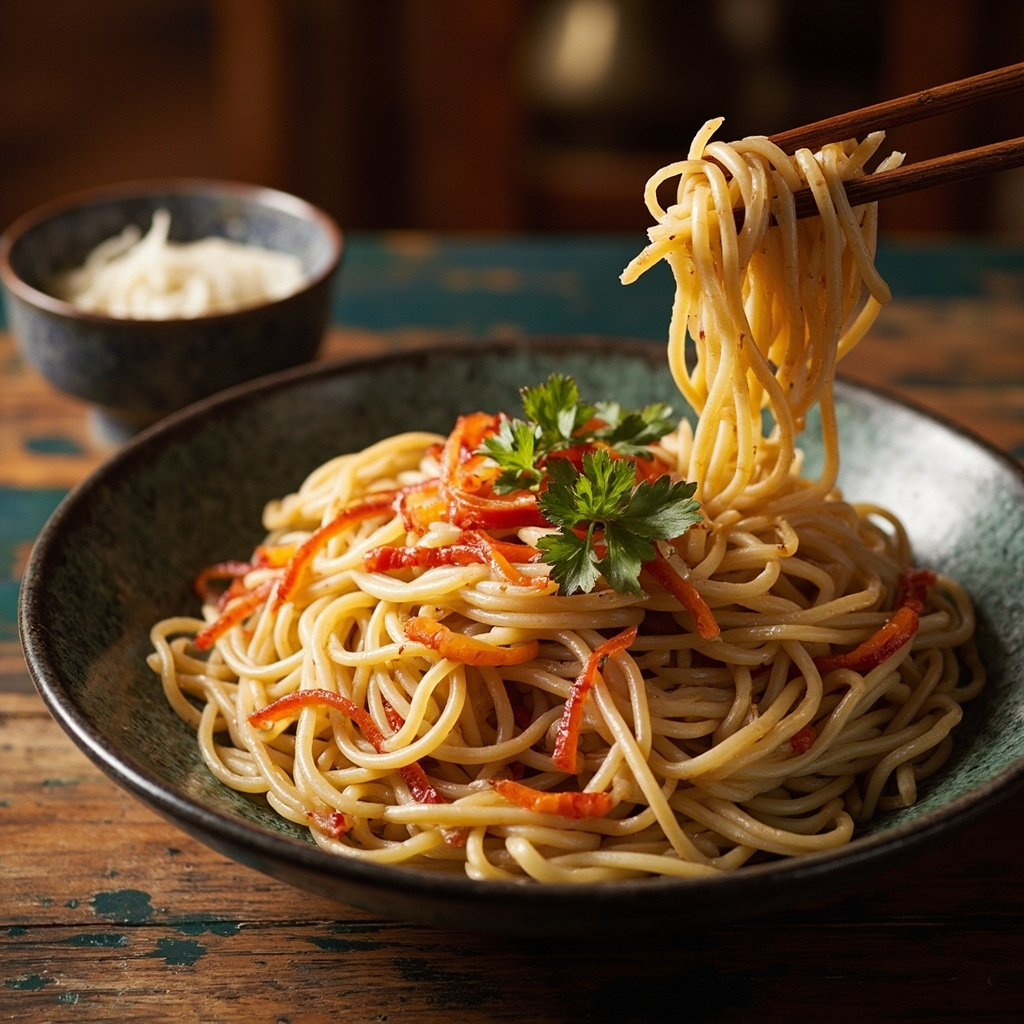
Chinese Food Culture and History: A Journey Through Flavors, Traditions, and Innovation
When you sit down to a steaming bowl of mapo tofu, a fragrant plate of Peking duck, or a delicate dim sum spread, you are tasting thousands of years of history, geography, philosophy, and social ritual. Chinese food culture is a living tapestry that weaves together regional diversity, ancient trade routes, imperial court delicacies, and the humble street‑side stalls that feed millions every day. In this comprehensive guide, we’ll explore the deep roots of Chinese cuisine, the eight great culinary traditions, the staples that define everyday meals, the role of tea and drink, and how modern globalization is reshaping an age‑old heritage.
Ancient Foundations: The Origins of Chinese Cuisine
Chinese civilization dates back more than 5,000 years, and with it came the first systematic approaches to food preparation. Early Neolithic societies cultivated millet in the Yellow River basin and rice in the Yangtze River delta, establishing the twin grain pillars that still dominate Chinese meals today. Archaeological finds of ancient pottery, bronze vessels, and oracle bone inscriptions reveal early cooking techniques such as steaming, boiling, and fermenting—methods that laid the groundwork for the sophisticated methods used centuries later.
- Millet and Rice: The twin staples that powered the ancient Chinese workforce and armies.
- Fermentation: Techniques for pickling vegetables and brewing soy sauce date back to the Shang dynasty (c. 1600 – 1046 BC).
- Cooking Vessels: The invention of the wok (chao) and the steamer (zheng) enabled rapid stir‑frying and gentle steaming, techniques still central to Chinese cooking.
By the time of the Han dynasty (206 BC – 220 AD), a flourishing trade network known as the Silk Road introduced spices, nuts, and new agricultural ideas from the West, enriching the Chinese pantry and expanding flavor profiles.
The Eight Great Culinary Traditions of China
One of the most recognized frameworks for describing Chinese regional cooking is the “Eight Great Cuisines” (八大菜系). Each tradition reflects local climate, terrain, and cultural influences, resulting in distinct tastes, techniques, and signature dishes.
1. Cantonese (Yue) Cuisine
Originating from Guangdong province, Cantonese cuisine is celebrated for its light, fresh flavors and delicate cooking methods. Steaming, blanching, and quick stir‑frying preserve the natural taste of ingredients. Iconic dishes include dim sum, char siu (barbecued pork), and sweet‑and‑sour pork.
2. Sichuan (Chuan) Cuisine
Famous for its bold, numbing heat, Sichuan cuisine uses abundant garlic, chili peppers, and the unique Sichuan peppercorn. The “seven flavors” (málà, sweet, sour, salty, bitter, and umami) create a complex palate. Classic dishes such as mapo tofu and kung pao chicken exemplify its fiery character.
3. Shandong (Lu) Cuisine
Shandong’s coastal location yields a wealth of seafood, and the cuisine emphasizes clear broths, braising, and frying. Famous for its seafood soups and the “three‑dimensional” cooking style, it also gave rise to the imperial banquet dishes of the Ming and Qing courts.
4. Jiangsu (Su) Cuisine
Known for its precise seasoning and elegant presentation, Jiangsu cuisine favors fresh water fish, poultry, and a light soy‑based broth. Dishes like Yangzhou fried rice and Nanjing salted duck showcase the region’s emphasis on texture and subtle sweetness.
5. Zhejiang (Zhe) Cuisine
Zhejiang cuisine is prized for its softness, freshness, and slight sweetness. The region’s abundant lakes and rivers supply fish, eel, and shrimp. Signature dishes include Dongpo pork and West Lake fish in vinegar sauce.
6. Fujian (Min) Cuisine
Fujian cooking highlights soups, briny seafood, and a delicate use of fermented ingredients. The famous “Buddha Jumps Over the Wall” (buddha jumps over the wall) is a rich, aromatic soup that showcases the region’s love for broths and umami.
7. Hunan (Xiang) Cuisine
Hot and sour flavors dominate Hunan cooking, which relies heavily on smoked, cured, and pickled ingredients. The cuisine reflects the region’s humid climate, using fresh chili peppers and pickled vegetables to stimulate the appetite.
8. Anhui (Hui) Cuisine
Anhui’s mountainous terrain influences its cuisine, which favors wild herbs, mushrooms, and braising techniques that retain the natural flavors of ingredients. Dishes such as ham‑stewed chicken illustrate the rustic yet refined character of Hui cuisine.
Staple Ingredients and Their Cultural Significance
No discussion of Chinese food culture is complete without a closer look at the everyday ingredients that anchor meals across the nation.
- Rice: In southern China, rice is the primary staple, often served steamed and paired with a medley of side dishes (cai). It symbolizes prosperity and fertility.
- Wheat and Noodles: Northern China favors wheat‑based foods such as noodles, dumplings (jiaozi), and steamed buns (baozi). Noodles symbolize longevity, especially during birthdays.
- Soy Sauce and Fermented Beans: Soy sauce, douchi (fermented black beans), and doubanjiang (broad bean chili paste) provide the deep umami backbone of countless dishes.
- Five‑Spice Powder: A blend of star anise, cloves, Chinese cinnamon, Sichuan peppercorns, and fennel seeds, representing the five elements and balance in Chinese philosophy.
- Fresh Herbs: Cilantro, scallions, ginger, and garlic are essential aromatic bases, often added at the end of cooking to preserve their fragrance.
The interplay of these staples reflects the Chinese concept of “yin and yang” in food—balancing hot and cool, sweet and salty, to maintain health and harmony.
The Role of Tea and Drink in Chinese Food Culture
Tea is far more than a beverage in China; it is an integral part of the dining experience. The tradition of “dim sum and tea” (yum cha) unites families and friends over small plates and steaming pots of pu‑erh, oolong, or jasmine tea. Tea’s astringent qualities help cleanse the palate between courses, while its antioxidants complement rich dishes.
- Pu‑erh: Aged, fermented tea that aids digestion, often served after heavy, fatty meals.
- Jasmine Tea: Fragrant and soothing, it pairs well with lighter fare such as steamed fish or vegetable dishes.
- Baijiu: A high‑proof sorghum liquor traditionally served during celebratory feasts, symbolizing good fortune.
- Rice Wine (Huangjiu): Used in cooking and as a table drink, it adds depth to braises and soups.
The Influence of Religion and Philosophy
Chinese cuisine is deeply intertwined with philosophical and religious ideas. Confucian ideals of filial piety and communal harmony are expressed through the practice of sharing dishes from a central plate, reinforcing social bonds. Buddhist vegetarianism, especially during festivals like Qingming, inspires elaborate meat‑substitute dishes made from tofu, seitan, and seasonal vegetables. Taoist concepts of balance encourage the use of “cooling” foods (like cucumber and melons) during hot months and “warming” foods (like ginger and lamb) in colder seasons.
Street Food: The Heartbeat of Daily Life
While banquet dishes showcase culinary skill, street food embodies the everyday rhythm of Chinese life. Night markets across cities such as Chengdu, Guangzhou, and Shanghai explode with sizzling woks, fragrant skewers, and steaming baskets. Popular street eats include:
- Jianbing (Chinese Crepe): A crispy wheat batter wrapped around a fried egg, scallions, cilantro, and a smear of hoisin or chili sauce.
- Stinky Tofu: Fermented tofu that is crispy on the outside and soft within, often paired with pickled vegetables.
- Baozi: Soft, fluffy buns filled with pork, vegetables, or sweet red bean paste.
- Lamb Skewers (Chuan): Marinated, cumin‑spiced lamb grilled over charcoal, a staple of night markets.
- Scallion Pancake (Cong You Bing): Flaky, pan‑fried flatbread layered with green onions and sesame oil.
These foods are not just quick meals; they carry cultural narratives, local pride, and generational recipes passed down through families.
Chinese Food in the Modern Era: Globalization and Innovation
In the 21st century, Chinese cuisine has traversed borders faster than ever. From bustling Chinatown eateries in New York to high‑end fusion restaurants in London, Chinese flavors are experiencing a renaissance. Chefs are reinterpreting classic dishes with modern techniques—think sous‑vide Peking duck, deconstructed mapo tofu, and molecular‑gastronomy dim sum.
Simultaneously, the rise of food delivery platforms, social media, and cooking shows has democratized access to authentic recipes. Home cooks can now replicate regional specialties with a click, fostering a global appreciation for Chinese food culture. However, this globalization also raises concerns about authenticity, sustainability, and the preservation of traditional practices. Many culinary scholars and chefs advocate for “slow food” movements that emphasize locally sourced ingredients, heritage seeds, and age‑old cooking methods.
How to Experience Authentic Chinese Food Culture
If you’re eager to immerse yourself in Chinese food culture, consider these practical steps:
- Visit Regional Markets: Wander through wet markets in cities like Chengdu or Guangzhou. Observe the vibrant display of fresh produce, live seafood, and aromatic spices.
- Take a Cooking Class: Many local households and culinary schools offer hands‑on sessions where you can learn to fold dumplings, master the wok, and brew tea.
- Participate in Food Festivals: Events such as the Chengdu International Food Festival and the Shanghai Dumpling Fair celebrate regional specialties and culinary artisans.
- Explore Tea Culture: Spend an afternoon at a traditional tea house, tasting different teas and learning about the ceremony that accompanies each infusion.
- Read Historical Texts: Classic works like “The Rites of Zhou” and “Huangdi Neijing” offer insights into ancient dietary theories and their lasting influence.
Conclusion
Chinese food culture is a living chronicle of history, geography, philosophy, and human creativity. From the ancient fields of the Yellow River to the neon‑lit night markets of modern megacities, the story of Chinese cuisine is one of continuous evolution while retaining core principles of balance, community, and respect for ingredients. Whether you’re savoring a humble bowl of rice porridge, indulging in an imperial banquet, or discovering the latest fusion创新, you are tasting a tradition that has been refined over millennia.
Understanding Chinese food culture not only enriches our palate but also deepens our appreciation for the diverse narratives that shape the world’s most populous nation. So next time you lift your chopsticks, remember: you’re joining a centuries‑long conversation about flavor, health, and togetherness that transcends borders and generations.