Dim sum, the quintessential Cantonese culinary tradition, represents much more than simply a meal — it is a profound ritual of connection, conversation, and cultural heritage perfected over centuries. The term “dim sum” derives from the Cantonese phrase “dim sam,” meaning “touch the heart,” perfectly capturing the essence of these delicate small dishes that have become one of the world’s most beloved dining experiences.
Originating in the tea houses of Guangdong Province in southern China, dim sum represents a unique intersection of culinary art, social ritual, and cultural tradition passed down through countless generations of Cantonese families. Today, this tradition thrives not only in Hong Kong and mainland China but in dim sum parlors throughout the world from San Francisco to Sydney to London.
Origins and History of Dim Sum
The dim sum tradition traces its roots to ancient Silk Road tea houses along China’s southern coast. Travelers passing through Canton would rest at these establishments, where they were served small portions of food alongside unlimited pots of tea. This combination evolved into “yum cha” (drinking tea), which became integral to Cantonese social culture.
During the Tang Dynasty (618-907 CE), the practice became increasingly sophisticated. By the Qing Dynasty (1644-1912 CE), yum cha had become deeply embedded in Cantonese society, with entire social rituals developing around morning tea. Weekend dim sum with family remains a sacred tradition for millions of Cantonese people worldwide, serving as a weekly opportunity for families to gather, reconnect, and strengthen bonds.
The Dim Sum Experience
When you enter a traditional dim sum restaurant, the experience engages all your senses. The clatter of bamboo steamers, cheerful chatter, clinking of tea cups, and aromatic steam create an atmosphere unlike any other. Waiters navigate between tables carrying pyramid-shaped bamboo baskets on wooden poles, calling out offerings in Cantonese dialect.
The social dimension is profound. Family members spanning multiple generations gather around circular tables, sharing dishes and stories. Business negotiations often take place over dim sum, as the relaxed atmosphere encourages open conversation and relationship building beyond purely transactional dealings.
Essential Dim Sum Dishes
Har Gow (Crystal Shrimp Dumplings)
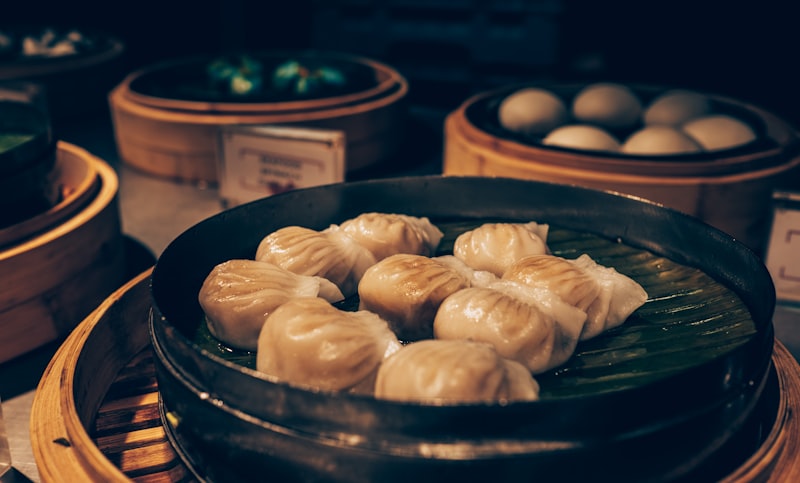
Considered the gold standard of all dim sum, har gow are translucent dumplings with a wheat starch wrapper thin enough to see the pink shrimp filling inside. A perfectly made har gow has pleated edges, a translucent wrapper, and a tender yet chewy texture. Achieving this quality requires tremendous skill, with the finest har gow masters spending years perfecting their technique.
Siu Mai (Pork and Shrimp Shumai)
Siu mai are among the most popular dim sum items, with distinctive open-topped cylindrical shapes revealing fillings of pork, shrimp, and mushrooms. The wrapper is rolled thin, topped with carrot or fish roe for color. These dumplings are typically steamed until the filling is cooked through but remains juicy.
Char Siu Bao (BBQ Pork Buns)
Char siu bao are fluffy white steamed buns filled with sweet, sticky barbecued pork marinated in honey, five-spice, and fermented bean sauce. The buns should be incredibly soft and cloud-like, with subtly sweet taste complementing the savory filling. Each bun is carefully pleated on top by hand.
Cheung Fun (Rice Noodle Rolls)
Cheung fun are smooth rice noodle rolls filled with ingredients like char siu, beef, or shrimp, drizzled with sweet soy sauce. The wrapper should be tissue-thin and smooth, almost tissue-like in its delicate quality. Rolls are cut into segments, drizzled with sauce, and garnished with sesame seeds.
Egg Tarts (Dan Tat)
Egg tarts represent the marriage of British and Chinese baking traditions, featuring a fluted pastry shell filled with smooth custard caramelized on top to a glossy brown. The filling should be wobbly with rich egg flavor and precisely calibrated sweetness. Some versions feature a crumbly cookie-style crust, while others showcase a beautifully layered, flaky puff pastry base.
Turnip Cakes (Lor Bak Go)
Turnip cakes are made from shredded turnip and rice flour, pan-fried until golden and crispy outside while remaining soft inside. Often studded with dried shrimp and Chinese sausage, they demonstrate Cantonese talent for transforming humble vegetables into extraordinary eating experiences.
Dim Sum Etiquette
Proper dim sum etiquette includes traditions reflecting Confucian values. Tea is poured for others before yourself, and tapping the table with two fingers signals respect to the tea pourer. Dishes are shared communally, with chopsticks transferring food to individual plates. The pace is leisurely, allowing time for conversation and multiple tea refills. The dim sum tradition continues to connect people across cultures through the universal language of exceptional food and warm hospitality.