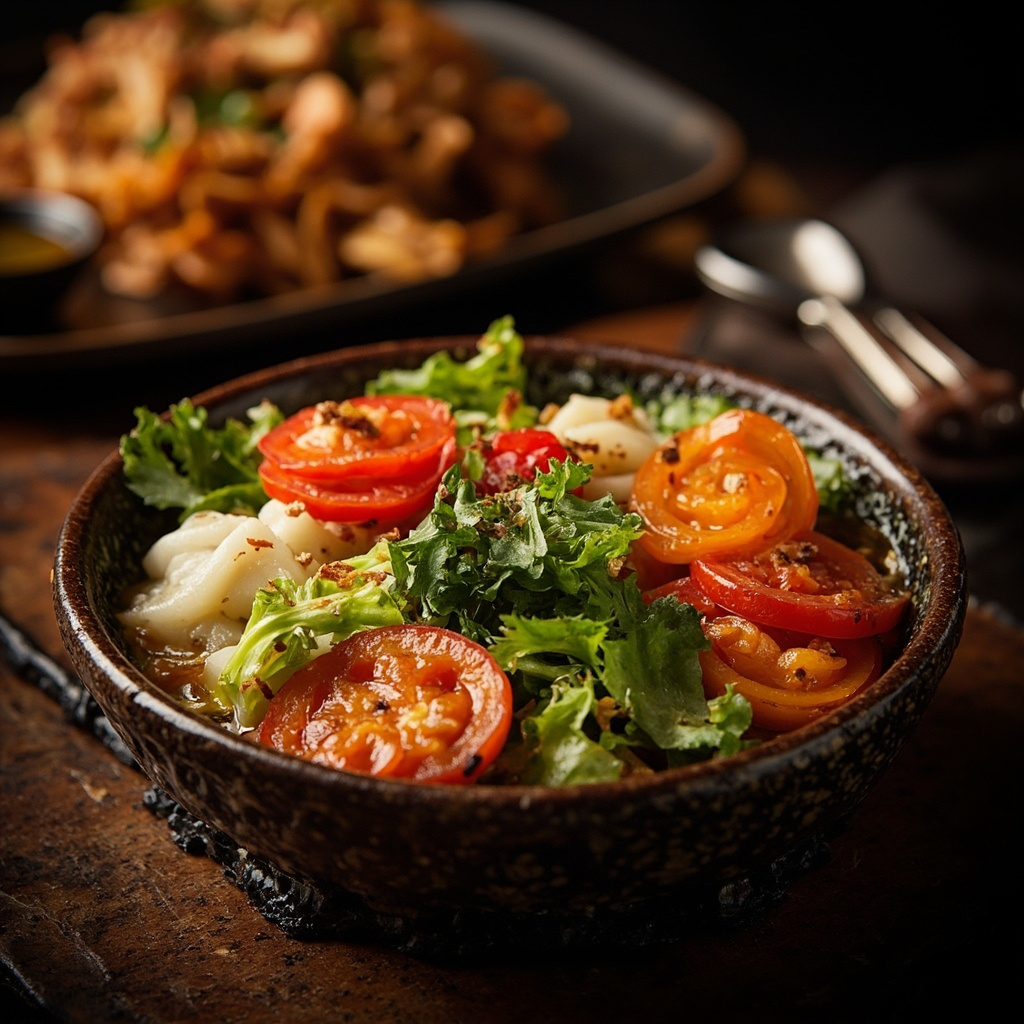
## Introduction
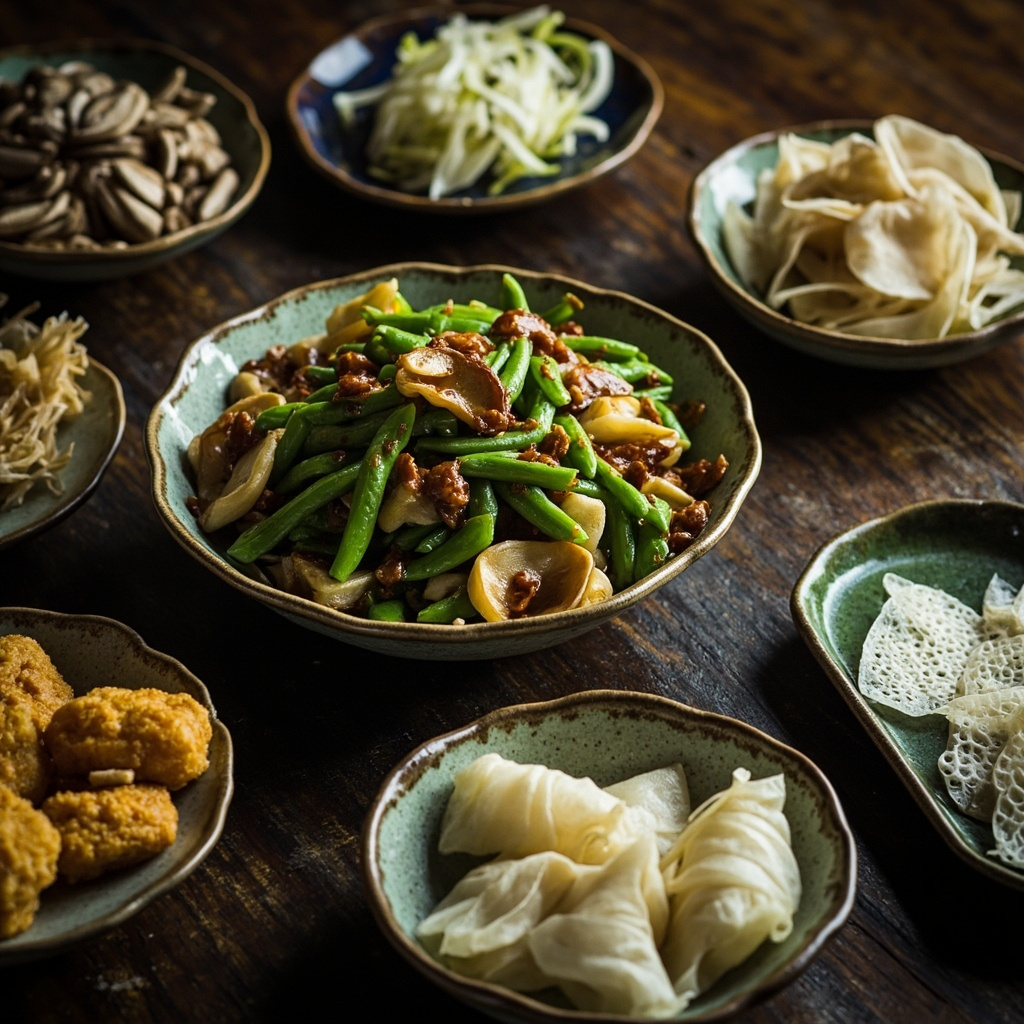
Chinese cuisine is famed for its bold flavors, intricate techniques, and remarkable diversity. Yet beyond the familiar meat‑centric dishes lies a rich, centuries‑old tradition of plant‑based cooking that deserves a spot in every food lover’s repertoire. From the elaborate “Buddha’s Delight” served at Buddhist monasteries to the humble street‑side vegetable dumplings found in bustling markets, Chinese vegetarian food offers a tantalizing array of tastes, textures, and cultural stories. This article explores the historical roots, essential ingredients, iconic dishes, and practical tips that will help you appreciate and recreate authentic Chinese vegetarian meals—whether you are dining at a temple, a high‑end restaurant, or your own kitchen.
## History and Philosophy of Chinese Vegetarianism
### Origins in Buddhism and Taoism
Vegetarianism in China is most closely tied to Buddhist monastic practice, which dates back to the Han dynasty (206 BCE–220 CE). Monks and nuns embraced the principle of *ahimsa*, or non‑harm, seeking to avoid killing any living being. This ethical stance inspired the development of “Buddhist cuisine,” a style of cooking that mimics the flavors and presentation of meat dishes using purely plant‑derived ingredients.
Taoist thought also contributed to the idea of “simple living” and the reverence for natural, unprocessed foods. Together, these spiritual currents laid the groundwork for a culinary tradition that values balance, harmony, and respect for all sentient life.
### The Concept of “Zhai”
In Mandarin, the term *zhai* (斋) translates loosely to “vegetarian fasting” or “pure diet.” Historically, *zhai* meant avoiding the “five pungent” vegetables—garlic, onion, scallion, leek, and asafoetida—because they were believed to stimulate the senses and cloud the mind during meditation. Modern interpretations of *zhai* vary; some temples still adhere to the original restrictions, while others focus simply on omitting meat and fish. Understanding *zhai* helps you appreciate why many Chinese vegetarian dishes rely on subtle seasonings such as ginger, soy sauce, and a touch of sugar rather than heavy spices.
## Traditional Chinese Vegetarian Dishes
### Buddha’s Delight (Luohan Zhai)
Often considered the quintessential Chinese vegetarian dish, Buddha’s Delight is a colorful medley of vegetables, tofu, and mushroom varieties. Typical ingredients include:
– **Lotus seed** – soft, slightly sweet
– **Bamboo shoots** – crunchy and neutral
– **Carrots** – sweetness and vibrant color
– **Snow peas** – fresh, crisp texture
– **Shiitake mushrooms** – umami depth
– **Gluten steaks (seitan)** – meat‑like chewiness
The vegetables are usually braised in a savory sauce made from soy sauce, rice wine (or a non‑alcoholic substitute), sugar, and a hint of sesame oil. The result is a harmonious blend of flavors that showcases the Buddhist ideal of balance.
### Vegetarian Dumplings (Jiaozi)
Dumplings are a staple across China, and vegetarian versions are just as beloved. A classic filling might combine:
– Finely chopped cabbage, carrots, and shiitake mushrooms
– Firm tofu, pressed and crumbled
– A dash of white pepper, ginger, and soy sauce
– Optional additions such as glass noodles or mung bean sprouts for texture
After folding the dough into pleated crescents, the dumplings are either boiled, steamed, or pan‑fried (to make “potstickers”). Served with a dipping sauce of soy vinegar and sliced ginger, they make an appetizer that is both comforting and impressive.
### Buddhist “Meat” Substitutes: Gluten and Tofu
Chinese vegetarian cooks have mastered the art of transforming plant proteins into textures that resemble meat. Two staples stand out:
– **Seitan (wheat gluten)** – When hydrated and kneaded, seitan develops a fibrous, chewy consistency perfect for “chicken,” “beef,” or “pork” dishes. It absorbs marinades readily, making it ideal for stir‑fries or braises.
– **Tofu skin and dried tofu** – These products have a silky or slightly spongy texture, respectively. They can be sliced thin for “noodles,” cubed for soups, or marinated and grilled for a smoky finish.
### Seasonal Vegetable Stir‑Fries
Simplicity is the heart of many Chinese vegetarian dishes. A quick stir‑fry of seasonal produce can be both nutritious and visually appealing. Basic technique:
1. Heat a wok over high heat, add a splash of peanut oil.
2. Add garlic (if permitted) and ginger, stirring for a few seconds.
3. Toss in the vegetables, keeping them crisp‑tender.
4. Season with soy sauce, a pinch of sugar, and a drizzle of sesame oil.
Typical vegetables include bok choy, Chinese broccoli (gai lan), snow peas, and radish. The key is to preserve the natural color and crunch while adding a savory glaze.
### Noodle and Rice Dishes
– **Vegetarian Lo Mein** – Wheat noodles tossed with a medley of stir‑fried vegetables, tofu, and a light soy‑based sauce.
– **Vegetable Fried Rice** – Day‑old rice wok‑tossed with peas, carrots, corn, and scrambled egg (optional), finished with soy sauce and scallions.
– **Zhou (Congee)** – A silky rice porridge served with pickled vegetables, fried tofu, and a sprinkle of cilantro. It’s a soothing option for a light meal.
## Temple Cuisine: Eating at Buddhist Monasteries
### Famous Temple Dining Experiences
#### Shaolin Temple (Henan Province)
Shaolin is world‑renowned for its martial arts, but its kitchen also draws curious foodies. The monastery offers a *zhai* menu featuring:
– **Buddha’s Delight** prepared with locally sourced mushrooms.
– **Steamed gluten “chicken”** marinated in a fragrant five‑spice blend.
– **Herb‑infused soups** using medicinal plants such as goji berries and dried longan.
The dining hall follows strict etiquette: eat quietly, finish all food on your plate, and avoid wasting.
#### Mount Wutai (Shanxi Province)
Mount Wutai is considered one of the Four Sacred Buddhist Mountains. Its temples serve simple, hearty dishes that reflect the mountainous climate:
– **Root vegetable stew** with potatoes, turnips, and carrots.
– **Pickled cabbage and tofu** as side condiments.
– **Mushroom and bamboo shoot hot pot** cooked at the table, allowing diners to customize their broth with fresh herbs.
#### Mount Putuo (Zhejiang Province)
Located on an island, Putuo’s cuisine emphasizes fresh seafood‑style flavors using seaweed and algae as protein sources:
– **Seaweed soup** with tofu and ginger.
– **Vegetarian “fish” fillets** made from kelp and rice flour.
– **Seasonal vegetable rolls** wrapped in thin rice paper.
### What to Expect: Etiquette and Menu
When dining at a temple, respect the monastic schedule. Meals are typically served at set times (often early morning, midday, and early evening). Most temples provide a communal dining hall where dishes are placed in the center, and diners use chopsticks or a spoon. Some establishments offer a *zhai* set menu that includes a series of small plates, a soup, and a simple dessert.
Key etiquette tips:
– **Bow slightly** before starting the meal as a sign of gratitude.
– **Avoid pointing chopsticks** at others or leaving them standing upright in rice—these actions are considered impolite.
– **Refrain from strong perfumes** to keep the atmosphere pure.
## Regional Vegetarian Traditions
### Cantonese Dim Sum
Cantonese cuisine is celebrated for its delicate flavors and bite‑size portions. Vegetarian dim sum options include:
– **Steamed vegetable dumplings** (chive flower, mushroom, and tofu).
– **Crystal shrimp‑style rolls** (made with tofu skin and kohlrabi).
– **Egg custard tarts** (using a vegan custard made from soy milk and turmeric).
Dim sum is traditionally served on small plates, allowing diners to sample a variety of dishes in one sitting.
### Sichuan’s Spicy Vegetarian
Sichuan cooking is known for its bold, numbing spice profile. Vegetarians can enjoy:
– **Mapo tofu** (vegan version using fermented black beans and Sichuan peppercorns).
– **Spicy cabbage kimchi** (fermented with chili flakes and ginger).
– **Hot and sour glass noodle soup** loaded with bamboo shoots and wood ear mushrooms.
The key to Sichuan’s vegetarian dishes is the *málà* (numbing‑spicy) sensation, achieved with Sichuan peppercorns, dried chili flakes, and a generous amount of garlic‑chive oil.
### Shanghai’s Light and Sweet
Shanghai cuisine tends to favor subtle sweetness and fresh ingredients. Popular vegetarian choices include:
– **Braised pork‑style gluten** (sweet soy glaze).
– **Steamed vegetable buns** (filled with chives and bean thread noodles).
– **Soy milk** served with sweet fried dough sticks for breakfast.
### Northern China’s Hearty Dishes
Northern China’s colder climate leads to richer, more filling fare. Staples include:
– **Vegetable‑filled flatbreads (bao)** with cabbage and tofu.
– **Wheat noodle soups** topped with pickled radish and chili oil.
– **Stir‑fried potatoes with vinegar** for a tangy, crunchy side.
## Practical Tips for Home Cooks
### Essential Ingredients
– **Soy sauce (light and dark)** – for depth and color.
– **Sesame oil** – a finishing drizzle for aroma.
– **Rice vinegar** – adds acidity.
– **Sugar or rock sugar** – balances savory flavors.
– **Five‑spice powder** – a blend of star anise, cloves, cinnamon, Sichuan pepper, and fennel.
– **Dried mushrooms (shiitake, porcini)** – rehydrated for umami.
– **Tofu, seitan, and tofu skin** – versatile plant proteins.
– **Fresh ginger and garlic** – aromatic base (optional if avoiding the five pungents).
### Cooking Techniques
1. **Velveting** – Toss tofu or seitan in a mixture of cornstarch and water before stir‑frying for a silky coating.
2. **Braising** – Slow‑cook vegetables in a shallow amount of broth with soy sauce and sugar, allowing flavors to meld.
3. **Steaming** – Use a bamboo steamer to retain nutrients and impart a delicate texture to dumplings and buns.
4. **Wok‑tossing** – Keep the heat high, and keep ingredients moving to achieve a slight char while preserving crunch.
### Pairing with Tea
Chinese vegetarian dishes often harmonize with tea:
– **Green tea** – cleanses the palate after a light stir‑fry.
– **Oolong tea** – complements richer, braised dishes like gluten steaks.
– **Pu‑erh tea** – its earthy notes balance spicier Sichuan creations.
Experimenting with tea pairings can elevate a simple vegetarian meal into a multi‑sensory experience.
## Where to Find Chinese Vegetarian Food Today
### Restaurants and Markets
– **Urban centers** – Many major cities host dedicated vegetarian restaurants that specialize in Buddhist cuisine, such as “Pure Lotus” in Beijing and “Veggie Temple” in Shanghai.
– **Night markets** – Street vendors often offer vegetarian versions of classic snacks like scallion pancakes, fried rice cakes, and soy‑milk dough sticks.
– **Temple towns** – Visiting a monastery provides an authentic experience; many allow day‑trippers to purchase a *zhai* set.
### Online Resources and Apps
– **Chinese Vegetarian Cooking blogs** – Many food bloggers share step‑by‑step recipes for Buddha’s Delight, jiaozi, and regional specialties.
– **YouTube channels** – Search for “Chinese vegetarian temple cuisine” for video tutorials on braising gluten and folding dumplings.
– **Meal‑kit services** – Some companies now deliver pre‑measured ingredients for Chinese vegetarian dishes, making home cooking accessible for beginners.
## Conclusion
Chinese vegetarian food is far more than a dietary niche; it is a celebration of centuries‑old philosophy, regional creativity, and the art of coaxing extraordinary flavors from the simplest of ingredients. From the elaborate, temple‑served Buddha’s Delight to a quick weeknight stir‑fry of bok choy and mushrooms, there is a dish for every palate and skill level. By understanding the cultural underpinnings—*zhai*, the use of meat‑like textures, and the reverence for seasonal produce—you can approach Chinese vegetarian cooking with both respect and curiosity. Whether you choose to sit down in a quiet monastery dining hall or bring a steaming pot of gluten “chicken” to your own table, the journey through China’s vegetarian heritage promises delicious discoveries and a deeper appreciation for the country’s culinary diversity. Happy cooking!