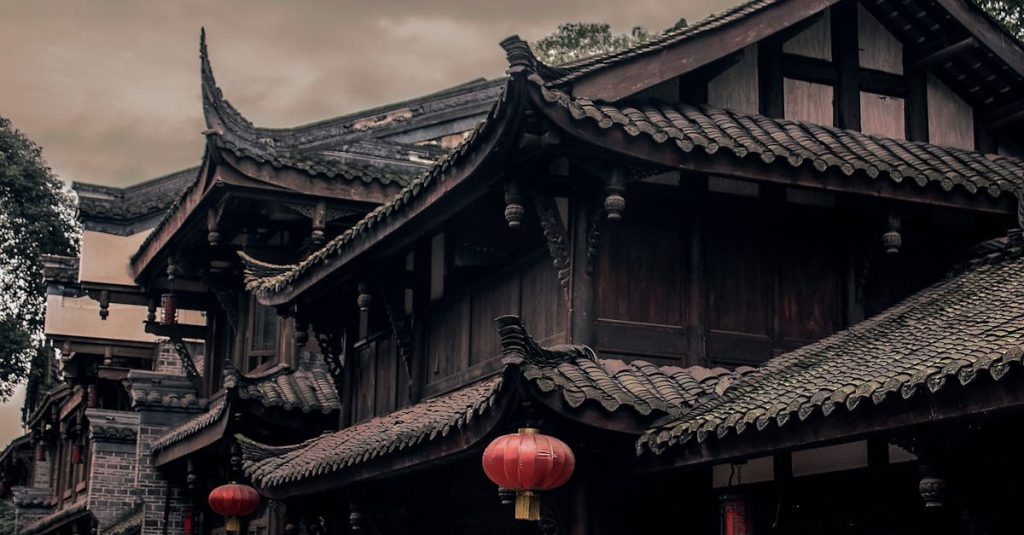
Chinese New Year, also known as the Spring Festival or Lunar New Year, is the most important traditional festival in China and among Chinese communities worldwide. Marking the start of the lunar calendar, the celebration is steeped in centuries-old history, vibrant customs, and a rich tapestry of symbolism. From the legendary tale of the monster Nian to modern digital red envelopes, the festival encapsulates a blend of ancient rituals and contemporary innovations. This article explores the deep-rooted history, traditional customs, iconic foods, festive decorations, zodiac connections, and how Chinese New Year is celebrated in today’s globalised world.
## History of Chinese New Year
### Ancient Origins and the Legend of Nian
The earliest origins of Chinese New Year date back over 3,000 years to the Shang Dynasty, when people held rites to honor gods and ancestors at the turn of the year. According to legend, a fierce beast called Nian (meaning “year”) would emerge each winter to devour livestock and villagers. The folklore says that Nian was terrified of the color red and loud noises, leading to the birth of many customs still observed today—red decorations, fireworks, and the giving of red envelopes (hongbao). Over centuries, the mythic story merged with agricultural cycles, creating a celebration that welcomed spring and hoped for prosperity.
### Evolution Through Dynasties
During the Zhou Dynasty (1046–256 BC), the concept of a “new year” became more formalised, and by the Han Dynasty (206 BC–220 AD) the festival was known as the “Day of Beginning.” The date was later fixed to the first new moon of the lunar calendar, which typically falls between late January and mid-February. Each successive dynasty added its own rituals—imperial audiences, fasting, and elaborate feasts. By the Tang and Song dynasties, the festival had expanded to include processions, theatrical performances, and the exchange of gifts. The Ming and Qing dynasties further institutionalised the customs, embedding them in the imperial calendar and influencing popular culture across the empire.
## Traditional Customs
### Spring Cleaning and House Decorations
Before the New Year arrives, households engage in a thorough spring cleaning (大扫除, dasao). This ritual clears away bad luck accumulated over the past year and invites fresh, positive energy (or “qi”) into the home. After cleaning, families decorate their doors with red couplets (春联, chunlian) featuring poetic phrases that express wishes for health, wealth, and happiness. Paper cuttings and calligraphy scrolls are also hung as symbols of good fortune.
### Red Envelopes (Hongbao)
One of the most recognisable customs is the exchange of red envelopes, or hongbao. Typically given by married couples and elders to children and unmarried adults, these envelopes contain money believed to ward off evil spirits and bring luck. The amount is usually an even number, as even digits symbolise continuity and prosperity.
### Family Reunion Dinner
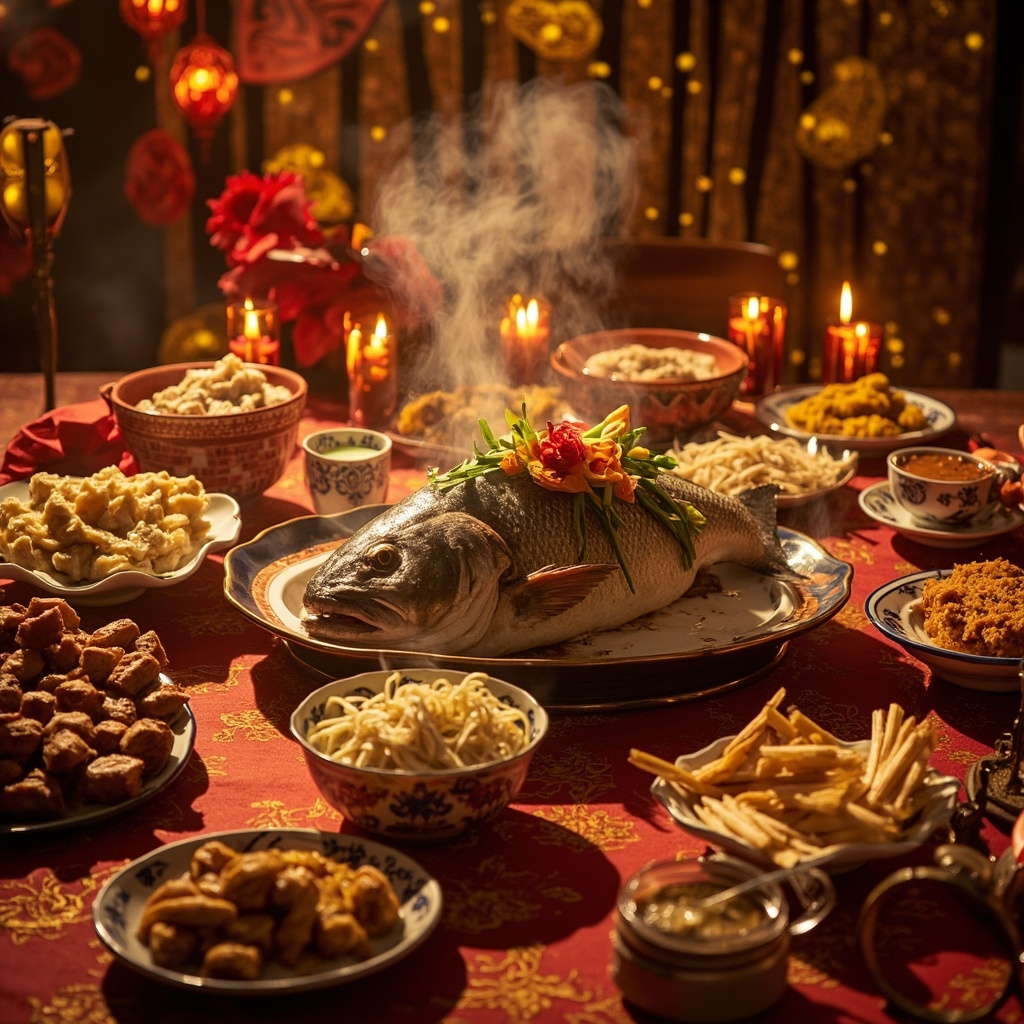
On the eve of the New Year, Chinese families gather for a grand family reunion dinner (年夜饭). This feast is a showcase of culinary heritage and regional diversity, with dishes chosen for their symbolic meanings. The dinner reinforces familial bonds and is considered the most significant meal of the year.
### Lion Dances and Fireworks
The lion dance and fireworks are performed to chase away evil spirits and usher in good luck. The lion, often constructed from colorful fabrics, mimics the movements of the mythical creature that scares away the Nian. Fireworks, originally invented in ancient China, light up the night sky, creating a dazzling display that is both festive and symbolic of the expulsion of negativity.
### Temple Visits and Offerings
Many people begin the New Year by visiting temples to pray for blessings, health, and success. Offerings such as fruit, incense, and joss paper are presented to deities and ancestors. The first day often includes the “bai nian” ceremony—paying respects to elders with bows and best wishes.
## Traditional Foods
### Dumplings (Jiaozi)
Shaped like ancient gold ingots, dumplings (饺子) are a staple during the New Year. Families often gather to make hundreds of dumplings together, with each one representing a wish for wealth. The more dumplings eaten, the more prosperity one is thought to receive.
### Nian Gao (Sticky Rice Cake)
Nian Gao (年糕), a sweet sticky rice cake, symbolises growth and progress. Its pronunciation “nian gao” sounds like “higher year,” encouraging a successful year ahead. It can be steamed, fried, or added to soups.
### Fish (Yu)
The word for fish (鱼, yu) is a homophone for “surplus” or “abundance.” Serving a whole fish during the reunion dinner signifies that the family will have excess wealth and good fortune in the coming year.
### Sweet Rice Balls (Tangyuan)
Tangyuan (汤圆) are glutinous rice balls often filled with sesame, red bean, or peanut paste. They are traditionally eaten on the 15th day of the lunar month during the Lantern Festival, marking the end of the New Year celebrations. Their round shape symbolises completeness and family unity.
## Decorations
### Red Color Symbolism
Red is the dominant color of Chinese New Year decorations. Associated with luck, happiness, and vitality, red is believed to scare away the Nian monster. From lanterns to couplets, the color infuses every aspect of the celebration.
### Paper Cutouts and Calligraphy
Intricate paper cutouts (窗花) featuring motifs like fish, bats, and chrysanthemums adorn windows. Calligraphy pieces showcasing the character “福” (fu)—meaning good luck—are often placed upside down on doors, as the phrase “fu dao” (福到) sounds like “good luck arrives.”
### Lanterns and Chinese Knots
Large red lanterns hang from streets, homes, and temples, creating a warm, festive glow. Chinese knots are decorative braids that represent continuity and harmony, frequently used as ornaments on gifts and doorways.
## Zodiac Connections
### How the Chinese Zodiac Works
The Chinese zodiac is a 12-year cycle, each year associated with an animal: Rat, Ox, Tiger, Rabbit, Dragon, Snake, Horse, Goat, Monkey, Rooster, Dog, and Pig. The zodiac sign for a given year influences personality traits, career prospects, and even compatibility in relationships.
### Year of the Dragon
The Year of the Dragon is a symbol of power, nobility, and good fortune. In Chinese culture, people born under the Dragon are considered charismatic, confident, and ambitious. Celebrations often highlight dragon dances, and many couples choose to marry or have children in a Dragon year for perceived luck.
### Zodiac-Based Superstitions and Activities
Families may consult zodiac forecasts to determine auspicious colors, directions, and activities for the year. For example, wearing red or gold, placing a dragon figurine in the southeast corner, or hosting a “dragon-shaped” cake can enhance the year’s positive energy.
## Modern Celebrations
### Global Spread and City Parades
Chinese New Year is no longer confined to China. Major cities worldwide—New York, London, Sydney, and Toronto—host vibrant parades featuring lion dances, marching bands, and cultural exhibitions. These events attract both Chinese diaspora and locals, fostering cross-cultural appreciation.
### Digital Red Envelopes
With the rise of mobile payment platforms, digital red envelopes have become popular. Apps like WeChat and Alipay allow users to send virtual hongbao instantly, complete with animated effects and personalised messages. This modern twist preserves the tradition while adapting to the digital age.
### Eco-Friendly Fireworks and Sustainable Practices
Increasing environmental concerns have led to a shift towards eco-friendly fireworks, laser light shows, and community clean-up drives. Some cities have introduced “quiet zones” where traditional firecrackers are replaced with silent, LED-based displays, reducing noise pollution while maintaining festive spirit.
### Pop Culture and Media Events
Television galas, streaming concerts, and social media challenges extend the celebration beyond physical gatherings. The annual CCTV Spring Festival Gala remains a staple in Chinese households, featuring comedy sketches, traditional performances, and patriotic songs. Online hashtags such as #ChineseNewYear and #LunarNewYear trend globally, encouraging people to share their customs and recipes.
## Conclusion
From the ancient legend of the Nian to today’s digital hongbao, Chinese New Year traditions encapsulate a dynamic blend of myth, ritual, and contemporary expression. The festival’s rich history, meaningful customs, symbolic foods, vibrant decorations, zodiac symbolism, and evolving celebrations illustrate how a centuries-old observance remains relevant and unifying across generations and continents. Whether you are lighting fireworks, sharing a dumpling, or sending a digital red envelope, participating in these traditions connects you to a global community that values family, fortune, and the hope for a prosperous year ahead.