Introduction – Why Beijing Should Be on Your Bucket List
Welcome to the most comprehensive Beijing travel guide you’ll find. From the soaring Great Wall to the serene gardens of the Summer Palace, Beijing is a city where ancient history and modern dynamism collide. Whether you’re a history buff, an art lover, a foodie, or an adventure seeker, the Chinese capital offers a kaleidoscope of experiences that will leave you yearning for more. This Beijing travel guide is designed to be your one-stop resource: it covers the must-see landmarks, reveals hidden gems that most tourists miss, and equips you with practical tips to navigate the city like a local.
Why Visit Beijing?
Beijing isn’t just a political hub; it’s a living museum. The city’s UNESCO World Heritage sites—Forbidden City, Summer Palace, Temple of Heaven, and the Great Wall—are testaments to centuries of imperial grandeur. At the same time, the 798 Art District, the bustling hutongs, and a burgeoning craft-beer scene show that modern Beijing is as creative as it is historic. A trip to Beijing is a journey through time, flavors, and futures, making it a compelling destination for every type of traveler.
Top Attractions in Beijing (Your Beijing Travel Guide)
1. The Great Wall of China
- Location: Badaling, Mutianyu, Jinshanling, Simatai (choose based on crowd tolerance).
- Why Go: The most iconic symbol of China, offering panoramic views and a sense of scale that few other structures can match.
- Tips: Arrive early to beat the crowds, wear sturdy shoes, and consider the less-touristy Mutianyu section for a more authentic experience. A cable car or toboggan ride can save energy for exploring the wall’s many watchtowers.
2. The Forbidden City (Imperial Palace)
- Location: Dongcheng District, north of Tiananmen Square.
- Why Go: The largest palace complex in the world, featuring 980 surviving buildings and over 8,000 rooms of imperial history.
- Tips: Purchase tickets online in advance; plan at least 3–4 hours to wander the courtyards, the Hall of Supreme Harmony, and the Imperial Gardens. Audio guides are available in multiple languages.
3. Tiananmen Square
- Location: Central Beijing, adjacent to the Forbidden City.
- Why Go: The world’s largest public square, surrounded by significant political and cultural landmarks.
- Tips: Security checks are stringent; bring a valid ID, avoid large bags, and be prepared for possible line-ups at the entrance gates.
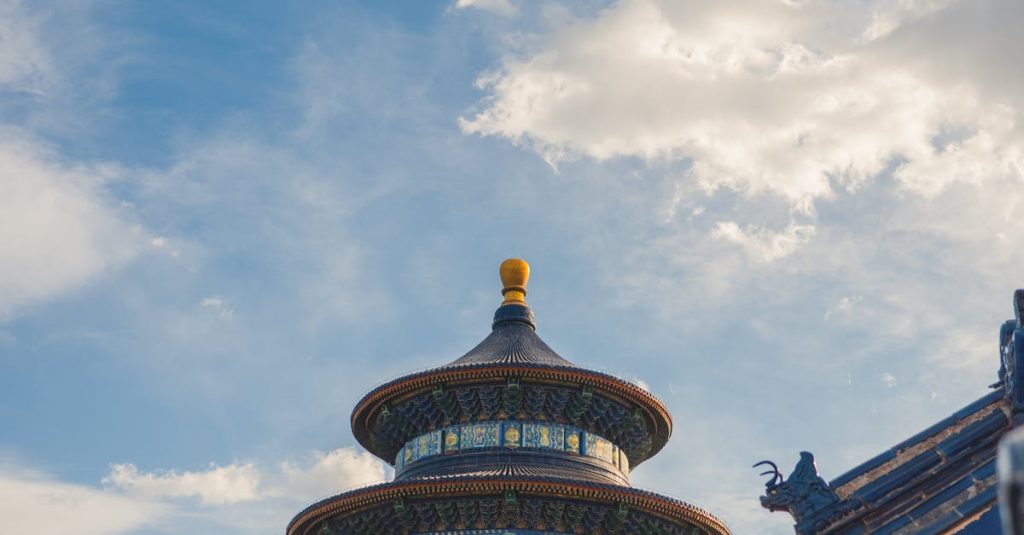
4. The Temple of Heaven
- Location: Dongcheng District, near the Ming dynasty’s ancient ceremonial site.
- Why Go: A masterpiece of Ming-Qing architecture, where emperors once prayed for good harvests.
- Tips: Visit early morning to see locals practicing tai-chi and calligraphy in the surrounding park.
5. The Summer Palace (Yiheyuan)
- Location: Haidian District, about 12 km northwest of the city center.
- Why Go: A sprawling imperial garden with lakes, pavilions, and the Long Corridor—a painted walkway that tells stories of Chinese folklore.
- Tips: Rent a boat to explore Kunming Lake, and don’t miss the Marble Boat (Zhao Yan Fang) and the elegant Suzhou-style gardens.
6. The Ming Tombs (Ming Shisan Ling)
- Location: Changping District, about 50 km north of Beijing.
- Why Go: The burial site of 13 Ming emperors, offering insight into imperial funeral rites and architecture.
- Tips: The “Sacred Way” walkway lined with stone statues is a perfect introduction; allocate half a day to fully explore the site.
7. 798 Art District (Dashanzi)
- Location: Chaoyang District, former factory complex.
- Why Go: Beijing’s contemporary art hub, brimming with galleries, cafés, and street art.
- Tips: Check exhibition schedules on local websites; many galleries close on Mondays.
8. Beijing National Stadium (Bird’s Nest)
- Location: Olympic Green, Chaoyang District.
- Why Go: An architectural marvel and iconic symbol of the 2008 Summer Olympics.
- Tips: Attend a sporting event or a concert if possible; otherwise, a nighttime light show offers spectacular views.
Hidden Gems: Off-the-Beaten-Path Experiences
1. Nanluoguxiang & Traditional Hutongs
What It Is: A maze of narrow alleys lined with courtyard houses, boutique shops, and local snack stalls.
Why It’s Special: Experience authentic Beijing life, discover hidden courtyards, and enjoy street foods like jianbing (Chinese crepe) and baozi (steamed buns).
2. Jingshan Park (Prospect Hill)
Location: Directly north of the Forbidden City.
Why Visit: The hill offers a panoramic view of the entire palace complex and the city’s north-south axis—perfect for sunrise or sunset shots.
3. Beihai Park
Location: Near the Forbidden City’s western side.
Highlights: The Five-Dragon Pavilions, the White Pagoda, and tranquil lake rides on small pedal boats.
4. Panjiayuan Antique Market
Location: Chaoyang District.
Why Go: The largest antique and folk-art market in Asia; great for souvenir hunting, from Mao memorabilia to vintage porcelain.
5. Yonghe Temple (Lama Temple)
Location: Dongcheng District.
Why It’s Special: The most influential Tibetan Buddhist temple outside Tibet; home to a 26-meter tall sandalwood Buddha statue.
6. Fragrant Hills (Xiangshan)
Location: Haidian District.
Best Time: Late October for crimson foliage.
Activities: Hiking, temple visits, and scenic photography.
7. Gubei Water Town
Location: Miyun District, about 130 km from Beijing.
Why It’s Unique: A modern recreation of a Ming-Qing water town, complete with stone bridges, canals, and traditional performances—ideal for a weekend escape.
8. Beijing Ancient Observatory (Guanxing Tai)
Location: Jianguomenwai Dajie.
Why Visit: One of the oldest surviving astronomical observatories in the world, featuring bronze celestial instruments dating back to the Ming dynasty.
Practical Tips for Your Beijing Travel Guide
1. Best Time to Visit
Spring (April–May) and Autumn (September–October) offer mild weather and vibrant foliage. Summer can be hot (30°C+), while winter brings cold and occasional snow, but the city’s indoor attractions stay warm.
2. Visa & Entry Requirements
Most travelers need a tourist visa (L-visa). Apply at the Chinese embassy or via an authorized visa service. Ensure your passport is valid for at least six months beyond your intended departure.
3. Getting Around Beijing
- Subway: Fast, inexpensive, and covers most tourist sites. Get a Yikatong card (rechargeable transit card) for seamless travel.
- Bus: Extensive network, but signage is mainly in Chinese; use a translation app.
- Taxi/Didi: Affordable and widely available; have your destination written in Chinese characters.
- Bike-sharing: Services like Mobike and Ofo let you rent bikes via an app; great for short trips in the hutongs.
4. Language & Communication
Learn a few Mandarin basics: “Hello” (你好, nǐ hǎo), “Thank you” (谢谢, xièxiè), and “Where is…?” (…在哪里? …zài nǎlǐ?). Translation apps (Google Translate, Pleco) can be lifesavers; download offline Chinese packs.
5. Money & Payment
Cash (RMB) is still widely used, especially in markets and smaller shops. Mobile payments (WeChat Pay, Alipay) are ubiquitous; link a local bank account or load a prepaid card if possible. Credit cards are accepted at major hotels and restaurants, but always carry some cash.
6. SIM Cards & Internet
Purchase a Chinese SIM card (China Unicom, China Mobile) at the airport or in town for cheap data. Alternatively, rent a portable Wi-Fi hotspot if you’re traveling with a group.
7. Health & Safety
Beijing’s public areas are generally safe, but watch for pickpockets in crowded tourist spots. Carry basic medication (e.g., motion-sickness pills for long bus rides) and stay hydrated.
8. Cultural Etiquette
- Bow slightly when greeting elders.
- Remove shoes when entering homes and some traditional restaurants.
- Respect queue lines—cutting in is considered rude.
- Photography: Some temples and museums restrict flash photography; always check signage.
9. Packing Essentials
Comfortable walking shoes, layers (especially for spring and autumn), a reusable water bottle, sunscreen, and a portable charger. A power adapter compatible with Chinese sockets (Type I, two-prong).
10. Accommodation Recommendations
- Luxury: The Peninsula Beijing, The Ritz-Carlton Beijing, Aman Summer Palace.
- Mid-range: The Novotel Beijing Peace, Hotel Jen Beijing, East Beijing.
- Budget/Hostels: Beijing Downtown Hostel, Pods at Beixinqiao, 4Elements Capsule Hotel.
Food & Dining: Savoring Beijing
- Peking Duck – Sample it at Quanjude or Bianyifang for an authentic, crispy experience.
- Hotpot – Try Haidilao for a premium chain with excellent service.
- Street Food – Sample lamb skewers, stinky tofu, and fried rice cakes in Nanluoguxiang.
- Dumplings – Head to Dumpling Master or the bustling Donghuamen Night Market.
- Local Markets – Explore Wangfujing Snack Street for adventurous bites like scorpions and starfish (though more tourist-oriented).
Seasonal Guide: What to Expect
| Season | Temperature (°C) | Highlights | Travel Tips |
|---|---|---|---|
| Spring (Apr–May) | 10–22 | Cherry blossoms at the Temple of Earth, comfortable walking weather. | Bring layers; book accommodation early for the May Day holiday. |
| Summer (Jun–Aug) | 22–33 | Long daylight, outdoor concerts, summer palace gardens in full bloom. | Stay hydrated, use sunscreen, consider indoor attractions during peak heat. |
| Autumn (Sep–Oct) | 10–20 | Golden foliage at Fragrant Hills, crisp air, ideal for Great Wall hikes. | Pack a light jacket; this is peak tourist season. |
| Winter (Nov–Mar) | -5–5 | Fewer crowds, beautiful snow-capped scenery, festive Chinese New Year celebrations (late Jan/Feb). | Dress warmly; some attractions may have limited hours. |
Conclusion – Your Beijing Journey Awaits
Beijing is a city that rewards curiosity. With this Beijing travel guide in hand, you’re equipped to explore the iconic landmarks that have shaped history, uncover hidden corners that reveal the city’s soul, and navigate daily life with confidence. From sunrise over the Forbidden City to a quiet sunset at Jingshan Park, every moment in Beijing is a story waiting to be told. Pack your bags, brush up on a few Mandarin phrases, and get ready for an adventure that blends ancient grandeur with a vibrant modern pulse. Safe travels and enjoy the magic of Beijing!