ARTICLE_TITLE: Chinese Dragons: Mythology, Symbolism, and Cultural Impact
ARTICLE_BODY:
## Introduction
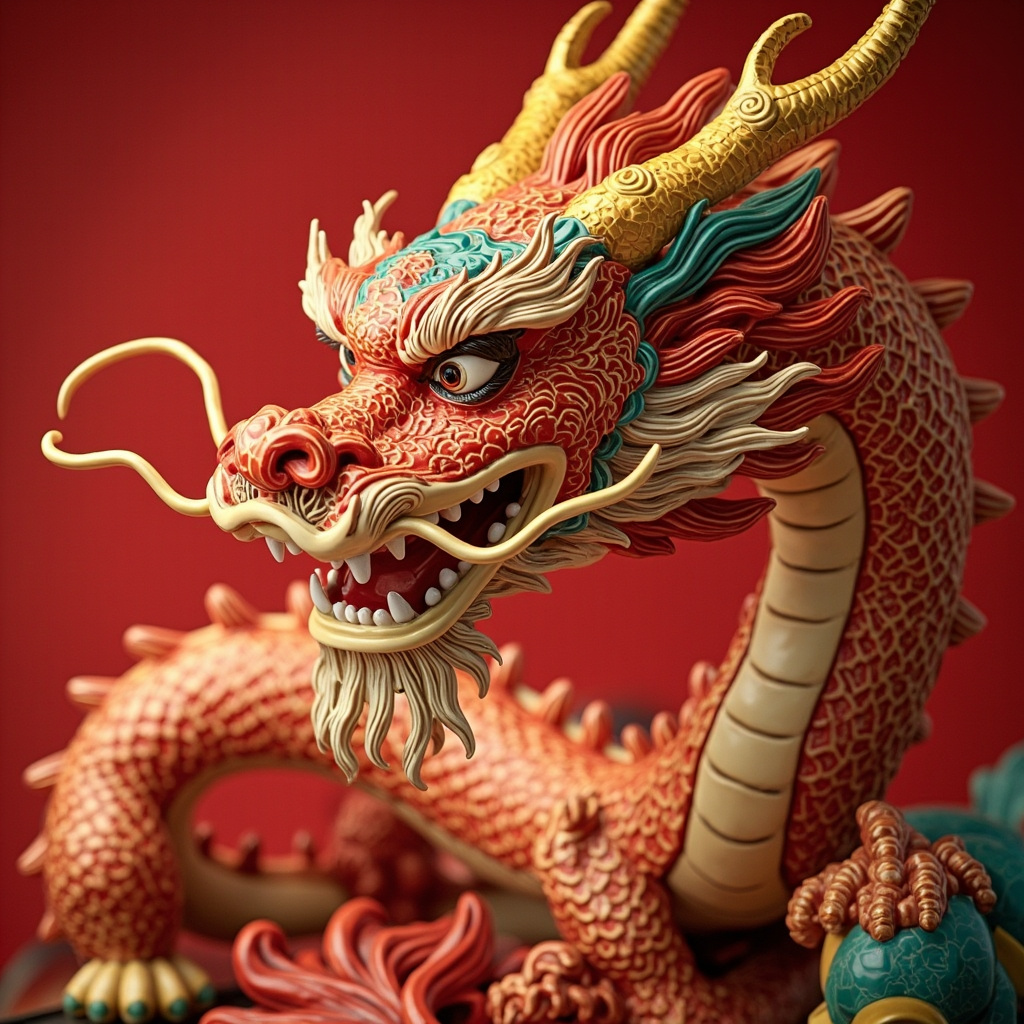
The Chinese dragon, known in English simply as the “Chinese dragon,” is one of the most iconic and enduring symbols in the world’s cultural tapestry. Unlike its fire‑breathing counterparts in Western myth, the Chinese dragon embodies wisdom, benevolence, and an affinity for water. Its presence stretches from ancient imperial courts to modern pop culture, influencing art, religion, festivals, and even business branding. This article explores the deep‑rooted mythology of the Chinese dragon, its rich symbolism, and its far‑reaching cultural impact, while weaving in essential SEO keywords such as **Chinese dragon mythology**, **dragon symbolism**, and **Chinese dragon culture**.
## Mythology of the Chinese Dragon
### Origins in Ancient Texts
Chinese dragon mythology dates back thousands of years. Early references appear in the *Shujing* (Book of Documents) and the *Zuo Zhuan*, where dragons are described as cosmic beings that control rain and rivers. The *Shan Hai Jing* (Classic of Mountains and Seas) catalogs dozens of dragon species, each with unique powers. These texts laid the foundation for the creature’s role as a divine regulator of weather and a guardian of sacred waters.
### The Dragon’s Role in Imperial Legend
During the Han Dynasty, the dragon became intertwined with imperial authority. The phrase “真龙天子” (the “True Dragon Son of Heaven”) was used to describe emperors, linking the sovereign’s divine right to rule with the celestial dragon. This mythos gave the dragon a regal status, making it a symbol of power that was both feared and revered.
### Dragons in Folk Tales and Taoist Beliefs
Folkloric tales often portray dragons as protectors of villages, bestowing blessings on those who honor them. In Taoist cosmology, the dragon is associated with the five elements and the concept of *Qi*, acting as a conduit between the earthly and heavenly realms. These stories reinforce the belief that dragons can bring prosperity, health, and harmony when propitiated correctly.
## Symbolism of the Chinese Dragon
### Auspicious Power and Good Fortune
The Chinese dragon is a beacon of auspiciousness. Its association with water—rivers, lakes, and rain—makes it a symbol of fertility and agricultural bounty. In business and home décor, the dragon is often displayed to attract wealth and success, reflecting its age‑old reputation as a bringer of good fortune.
### Imperial Authority and the Five Claws
Historically, only the emperor could use a five‑clawed dragon (the *Long*) on his garments and palace decorations. The five claws represent the five cardinal virtues: benevolence, righteousness, propriety, wisdom, and fidelity. This exclusive imagery underscores the dragon’s role as a marker of imperial power and moral excellence.
### Yin‑Yang Harmony and the Dragon‑Turtle Pairing
In the duality of Yin and Yang, the dragon embodies Yang energy—strength, activity, and celestial influence. When paired with the turtle, a symbol of stability and Earth, the dragon highlights the balance between Heaven and Earth. This pairing appears frequently in traditional Chinese art, reinforcing the idea of harmonious coexistence.
### Dragons in the Zodiac and Five Elements
The dragon occupies the fifth position in the Chinese zodiac, signifying ambition, charisma, and leadership. It aligns with the Wood element in the Five‑Element cycle, representing growth and renewal. The zodiac connection amplifies its symbolism in personal horoscopes, where individuals born under the dragon are thought to possess innate luck and confidence.
## Cultural Impact Across History
### Dragon Art and Architecture
From the intricate carvings on the Forbidden City’s rooftops to the sweeping murals of the Summer Palace, dragon motifs dominate Chinese architecture. Sculptors and painters employed flowing lines to convey the creature’s serpentine grace, creating a visual language that still influences contemporary design. The use of dragon imagery in jade, bronze, and porcelain artifacts showcases the creature’s aesthetic versatility.
### Dragon Dance and Festivals
The **dragon dance** is a cornerstone of Chinese New Year celebrations and other festive occasions. Performed by a team of dancers manipulating a long, undulating dragon puppet, the dance simulates the creature’s movement through water. This ritual is believed to summon good luck and dispel malevolent spirits. The **Dragon Boat Festival**, historically tied to dragon worship, features boat races that echo ancient rites for invoking the dragon’s blessings on the harvest.
### Literature, Opera, and Classical Poetry
Chinese literature brims with dragon references. Classical poems liken a ruler’s virtue to a benevolent dragon, while opera portrays the creature in mythic narratives involving heroes and celestial maidens. The dragon’s persona as a wise mentor appears in stories such as “The Dragon of the Sea,” where it guides a young scholar to enlightenment.
### Modern Media and Global Influence
In the 20th and 21st centuries, the Chinese dragon has leapt beyond traditional boundaries. Films such as *Crouching Tiger, Hidden Dragon* and animated series like *The Legend of the Dragon* introduce the creature to global audiences. Video games often incorporate dragon iconography as power-ups or symbolic mascots, reinforcing the dragon’s status as a universal emblem of strength.
### Branding and Commercial Symbolism
Businesses around the world adopt the Chinese dragon to convey dynamism and reliability. From tech startups to luxury fashion houses, the dragon’s image is used in logos, product packaging, and advertising campaigns. This commercial embrace demonstrates how ancient symbolism can be repurposed to meet contemporary marketing objectives.
## The Dragon in Contemporary Chinese Society
### Political and National Representation
Today, the dragon remains a potent national symbol. The Chinese national emblem features a stylized dragon, signifying the country’s historic continuity and aspirations for greatness. Political commentators often refer to China as “the rising dragon,” a metaphor that evokes growth, resilience, and a return to former glory.
### Education and Cultural Preservation
Schools incorporate dragon mythology into curricula, teaching students about its historical significance and artistic manifestations. Museums curate exhibitions dedicated to dragon artifacts, ensuring that future generations appreciate the creature’s cultural depth.
### Wellness and Feng Shui
In Feng Shui practice, dragon imagery is employed to enhance *Qi* flow, particularly in the southeast sector of a space, which governs wealth. Placing a dragon figurine near water features or in the entryway is believed to attract prosperity and protect the household from negative energies.
## Global Appreciation and Cross‑Cultural Exchanges
### Dragon Influence in Western Art
Western artists have long been fascinated by the Chinese dragon. Painters such as James Whistler and contemporary illustrators incorporate dragon motifs to evoke mystery and exotic allure. The cross‑cultural exchange has led to hybrid designs that blend Eastern aesthetics with Western artistic sensibilities.
### Dragon‑Themed Events Worldwide
International festivals now feature dragon dances, dragon boat races, and dragon‑themed parades. Cities like San Francisco and London host annual dragon celebrations, fostering multicultural dialogue and showcasing the enduring appeal of the Chinese dragon.
## Incorporating Dragon Themes: Practical Tips
### Home Décor
– **Wall Art**: Choose paintings that depict dragons amid clouds and water to invite positive *Qi*.
– **Sculptures**: Position a dragon figurine near entrances or living rooms to symbolize protection.
### Business Branding
– **Logos**: Use a stylized dragon silhouette to convey power and innovation.
– **Marketing Materials**: Incorporate dragon motifs in seasonal campaigns, especially around the Chinese New Year, to connect with a broader audience.
### Personal Expression
– **Tattoos**: Opt for designs that emphasize the dragon’s flowing form, often combined with elements like cherry blossoms or koi fish for added meaning.
– **Fashion Accessories**: Dragon‑embroidered jackets or jewelry can serve as subtle nods to the creature’s symbolism.
## Conclusion
The Chinese dragon is far more than a mythic beast; it is a living emblem that has shaped belief systems, artistic expression, and societal structures for millennia. Its mythology tells stories of celestial guardianship, its symbolism conveys authority, prosperity, and harmony, and its cultural impact reverberates through ancient festivals, contemporary media, and global commerce. By understanding the depth of **Chinese dragon symbolism** and its multifaceted influence, we can appreciate how this legendary creature continues to inspire and unite diverse cultures around the world. Whether you are a history enthusiast, a marketing professional, or simply curious about world mythologies, the Chinese dragon offers a rich tapestry of meaning that can enhance both personal insight and cultural appreciation.