ARTICLE_TITLE: Chinese Lanterns: Festival Lighting and Symbolic Traditions
ARTICLE_BODY:
Introduction
Chinese lanterns are more than just colorful decorations; they are a vibrant expression of history, hope, and community. For centuries, these illuminated creations have illuminated streets, homes, and temples, turning ordinary spaces into dazzling showcases during festive occasions. This article explores the origins, symbolic meanings, and modern applications of Chinese lanterns, providing insight into why they remain a cornerstone of festival lighting around the world.
The Historical Roots of Chinese Lanterns
The story of Chinese lanterns dates back over two thousand years, beginning in the Han Dynasty (206 BCE–220 CE). Early lanterns were crafted from silk, paper, and bamboo, designed to protect flickering candles from wind while casting a soft, warm glow. Over the centuries, artisans refined the materials and designs, leading to the intricate, multi‑shaped lanterns we recognize today. Their evolution mirrors the broader development of Chinese culture, reflecting changes in technology, trade, and artistic expression.
From Simple Candle Holders to Symbolic Art
Initially, lanterns served a purely utilitarian purpose: lighting pathways and signaling important events. As time progressed, they became canvas for artistic expression. Painters and calligraphers began adorning lanterns with scenes of nature, mythological figures, and auspicious symbols. This transformation turned each lantern into a portable work of art, capable of conveying wishes for prosperity, happiness, and good fortune.
Cultural Significance and Symbolic Traditions
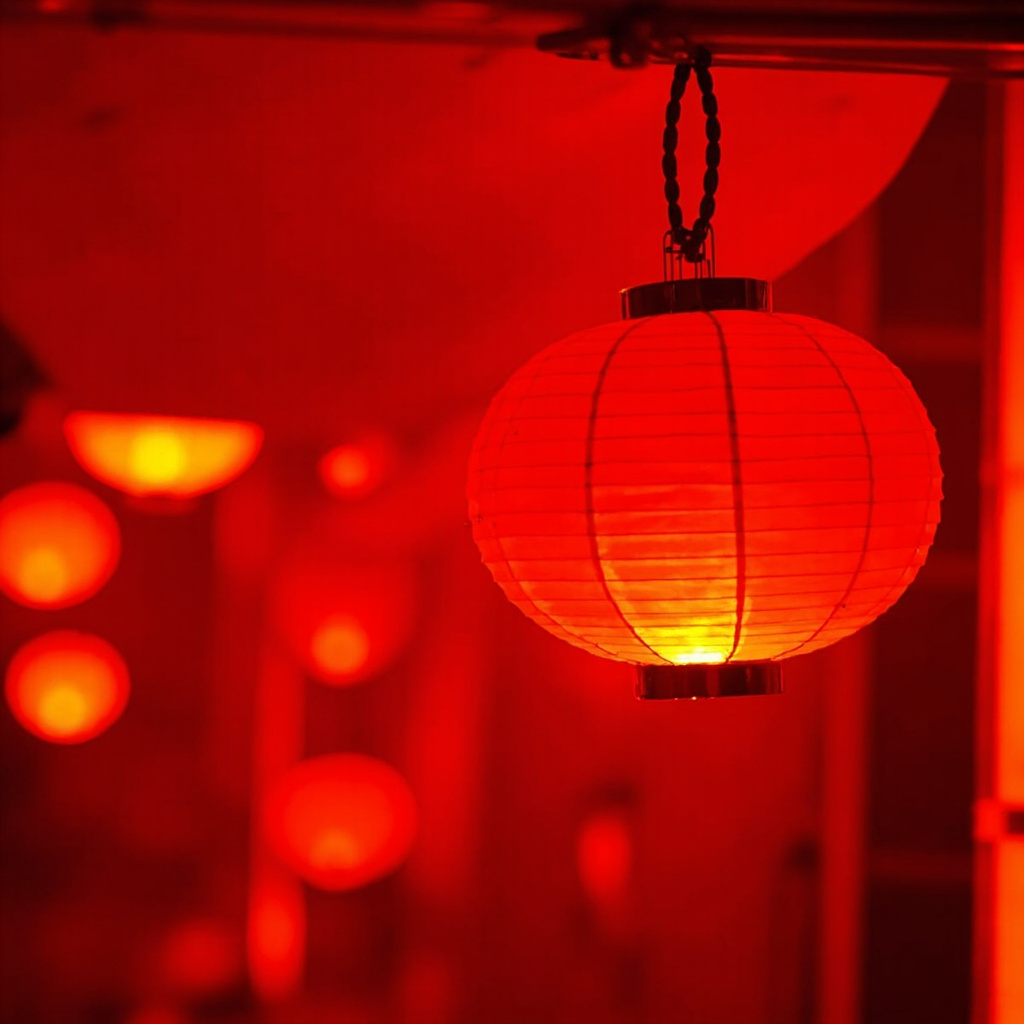
In Chinese culture, lanterns are laden with meaning. The bright red hue, for instance, is associated with luck, joy, and the celebration of life. The round shape of many lanterns symbolizes completeness and unity, echoing the cyclical nature of the lunar calendar. Hanging lanterns is believed to ward off negative energy and invite positive vibes, making them essential decorations during major celebrations.
Colors and Their Meanings
- Red lanterns – prosperity, happiness, and success.
- Gold lanterns – wealth and royalty.
- White lanterns – mourning or remembrance.
- Blue lanterns – serenity and intellectual pursuits.
These color associations help families convey specific wishes when selecting lanterns for their homes or public spaces.
Patterns and Motifs
Common motifs include the “double happiness” motif, dragons, phoenixes, lotus blossoms, and Chinese characters that spell out blessings. Each design carries its own story, allowing lanterns to act as visual storytellers that connect generations.
Lanterns in Major Festivals
Chinese New Year
During Chinese New Year, red lanterns dominate streets and households, marking the start of a fresh lunar cycle. The tradition stems from the legend of the Nian monster, which was said to be frightened by bright lights. By hanging lanterns, communities believed they could keep the beast at bay and usher in a year of safety and prosperity.
Lantern Festival
The Lantern Festival, celebrated on the 15th day of the lunar new year, is the most lantern‑centric holiday. Streets come alive with thousands of hand‑made lanterns, each displaying intricate patterns and riddles. In many cities, lantern‑lighting ceremonies, riddle contests, and dragon dances turn the night into a spectacle of light and sound. The event also includes the tradition of eating glutinous rice balls, which echo the round shape of the lanterns.
Mid‑Autumn Festival
During the Mid‑Autumn Festival, lanterns illuminate gardens and rooftops, complementing the full moon’s glow. Families gather to appreciate the moon, share mooncakes, and light lanterns as a sign of unity and gratitude. The lanterns often feature lunar motifs, reinforcing the holiday’s theme of reunion.
Other Celebrations
Lanterns also play a role in birthdays, weddings, and religious ceremonies. Their presence signifies reverence, joy, and the hope for a bright future, making them versatile symbols across various occasions.
Traditional Lantern Making Techniques
Creating a Chinese lantern is an art form that blends craftsmanship with cultural knowledge. The process typically involves several steps:
- Framework construction – A bamboo or wire skeleton is shaped into the desired form, often round, cylindrical, or rectangular.
- Covering – Silk, cotton, or rice paper is stretched over the frame. The material determines the lantern’s translucency and durability.
- Painting and embellishment – Artists apply pigments, gold leaf, or calligraphy to depict scenes and symbols.
- Installing the light source – Modern lanterns may use LED bulbs for safety, while traditional versions still employ candles.
- Finishing touches – Tassels, fringe, and hanging cords are attached to complete the lantern’s aesthetic.
Each stage requires precision, and many families pass down techniques through generations, preserving the authenticity of the craft.
Regional Variations
Different provinces have their own signature styles. For example, lanterns from Sichuan often feature bold colors and intricate paper‑cut designs, while those from Fujian may showcase elaborate wood‑carved frames and silk coverings. These regional nuances reflect local customs and artistic preferences.
Modern Applications and Global Spread
While traditional festivals remain the heart of lantern culture, contemporary designers have embraced lanterns for a variety of purposes:
- Event lighting – Weddings, corporate galas, and outdoor parties use lanterns as ambient lighting that adds a touch of elegance.
- Urban décor – City planners incorporate lantern strings into public spaces, creating welcoming atmospheres for tourists and residents alike.
- Sustainable lighting – Eco‑friendly LED lanterns reduce fire hazards and energy consumption, making them suitable for both indoor and outdoor use.
- Art installations – Contemporary artists use large‑scale lantern sculptures to explore themes of migration, identity, and environmental awareness.
The global appeal of Chinese lanterns has also spurred a market for souvenir lanterns, ranging from miniature paper versions to life‑size, hand‑painted masterpieces.
Choosing the Right Lanterns for Your Event
When selecting lanterns, consider the following factors to ensure they align with your aesthetic and functional goals:
Purpose and Setting
Outdoor festivals may benefit from durable, weather‑resistant lanterns with LED bulbs, whereas indoor celebrations can showcase delicate silk lanterns illuminated by candles.
Color Palette
Match the lantern colors to the event theme. Red and gold convey traditional festivity, while white or pastel shades suit modern minimalist celebrations.
Size and Shape
Large, round lanterns make a bold statement in open spaces, while smaller cylindrical or square lanterns work well for table centerpieces or hallway installations.
Authenticity vs. Convenience
If you value authenticity, opt for handcrafted lanterns made using traditional methods. For quick setup, pre‑assembled kits with LED lights offer practicality without sacrificing visual impact.
Preserving the Tradition: Tips for Maintenance and Care
To keep lanterns looking vibrant and safe, follow these maintenance guidelines:
- Store lanterns in a dry, cool environment to prevent moisture damage.
- Clean paper lanterns gently with a soft brush; avoid water.
- Check electrical components regularly if using LED versions.
- Replace candles with battery‑operated tea lights for extended indoor use.
Conclusion
Chinese lanterns embody a unique blend of artistry, symbolism, and community spirit. From their ancient origins to their modern‑day presence on global stages, these luminous decorations continue to illuminate festivals, celebrate traditions, and inspire creativity. Whether you are planning a festive gathering, seeking decorative lighting, or simply drawn to the cultural richness they represent, embracing Chinese lanterns can add warmth, color, and meaning to any occasion. Let the glow of a lantern guide your celebrations, and let its centuries‑old story become part of your own tradition.