## Introduction
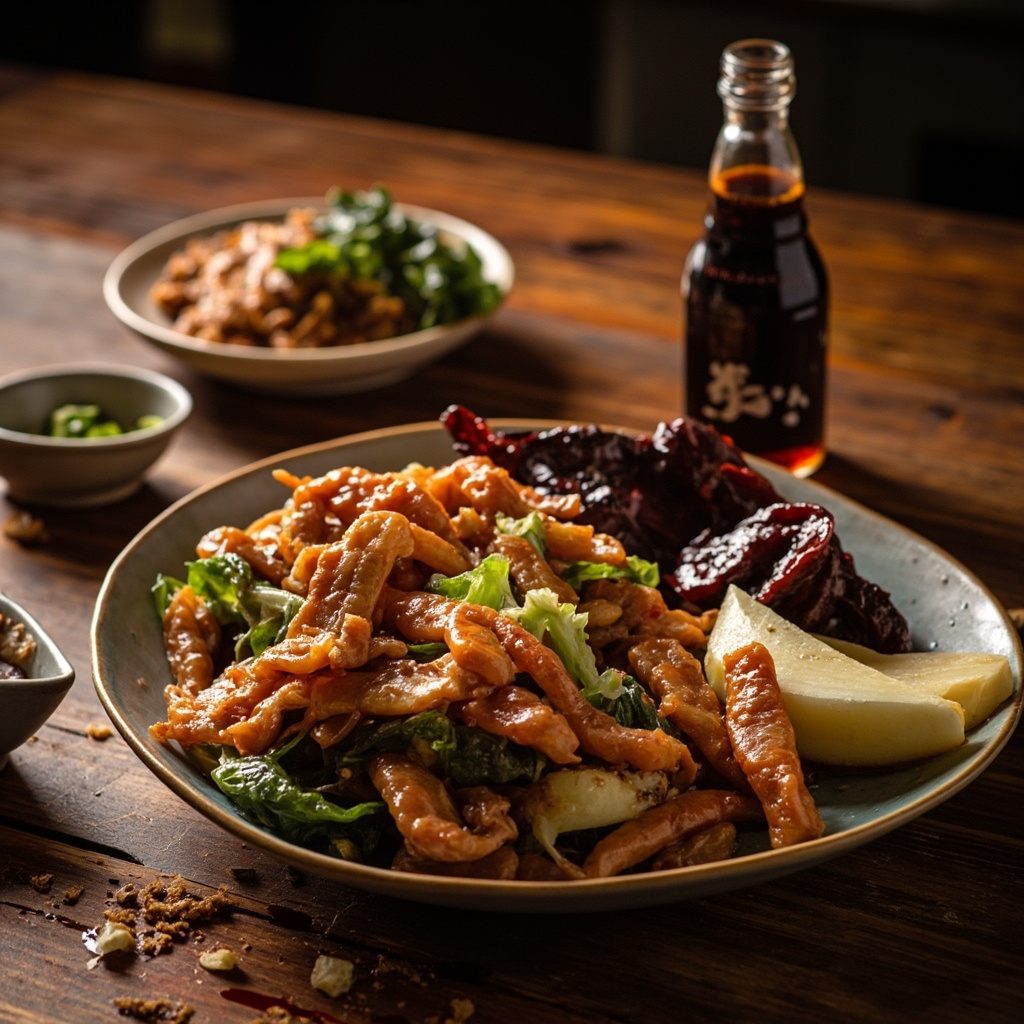
When it comes to Chinese cooking, the secret behind the deep umami flavors, glossy sauces, and balanced seasoning often lies in a handful of pantry staples. At the heart of this flavor library are soy sauce and a range of essential condiments that have been refined over centuries. Whether you are a home cook eager to recreate an authenticmapo tofu or a seasoned chef exploring regional Chinese cuisine, understanding these ingredients will elevate your dishes from ordinary to extraordinary. In this comprehensive guide, we will walk you through the different types of soy sauce, the must‑have condiments that accompany it, and practical tips for using them in everyday cooking.
## Understanding Soy Sauce: Types, Production, and Flavor Profiles
### Light Soy Sauce vs. Dark Soy Sauce
Soy sauce, or *jiangyou*, is a fermented condiment made from soybeans, wheat, salt, and water. The two primary varieties you will encounter in Chinese kitchens are **light soy sauce** (shengchou) and **dark soy sauce** (laochou).
– **Light Soy Sauce**: Often called “fresh” or “regular” soy sauce, it has a thin, reddish‑brown color and a salty, slightly sweet flavor. It is the everyday seasoning used to enhance the basic taste of dishes without overpowering them. Use it for stir‑fries, soups, and as a table dip.
– **Dark Soy Sauce**: Fermented longer and sometimes blended with caramel or molasses, dark soy sauce is thicker, darker, and less salty. Its primary role is to add color, depth, and a hint of sweetness to braised meats, red‑cooked dishes, and marinades. It can also lend a glossy finish to sauces.
### Seasoned Soy Sauce and Other Variants
Beyond the basic two, Chinese cuisine employs several specialized soy sauces:
– **Seasoned Soy Sauce (老抽)**: A more aged, darker product with a richer, slightly sweet taste. It is ideal for coloring and adding complexity to stews and roasted dishes.
– **Tamari**: A by‑product of miso paste production, tamari is thicker, less salty, and contains little or no wheat, making it a gluten‑free alternative while still delivering authentic umami.
– **Sweet Soy Sauce (酱油膏)**: A thick, syrupy sauce made from soy sauce, sugar, and sometimes garlic. Popular in Taiwanese and Southeast Asian cooking, it is used for glazing and dipping.
### How to Choose and Store Soy Sauce
– **Check the Label**: Look for “naturally brewed” or “first press” (头抽) on the bottle. These indicate a longer fermentation process and a more nuanced flavor.
– **Shelf Life**: Once opened, soy sauce can be stored at room temperature for up to two years, but exposure to heat and light can degrade quality. For best flavor, keep it in a cool, dark cabinet, and consider refrigerating if you live in a very warm climate.
– **Quality Indicators**: A high‑quality soy sauce will have a clear, deep amber hue and a complex aroma. If the liquid appears cloudy or has a sharp, overly salty scent, it may be a lower‑grade product.
## Key Chinese Condiments Beyond Soy Sauce
### Oyster Sauce
Made from boiled oyster extracts, sugar, salt, and sometimes cornstarch for thickening, **oyster sauce** (haoyou) delivers a savory, slightly sweet flavor that rounds out stir‑fries and noodle dishes. It is a staple in Cantonese cooking, especially for dishes like Beef with Broccoli and Lo Mein. Look for a brand that lists “oyster extract” as the first ingredient for authentic taste.
### Hoisin Sauce
A thick, reddish‑brown sauce crafted from fermented soybeans, sugar, vinegar, garlic, and spices, **hoisin sauce** (haixian) provides a sweet‑savory punch. It is essential for Peking duck pancakes, as a glaze for roasted meats, and as a dip for spring rolls. Because of its strong flavor, a little goes a long way.
### Rice Vinegar and Black Vinegar
– **Rice Vinegar (米醋)**: Mildly acidic with a subtle sweetness, rice vinegar brightens salad dressings, quick pickles, and dipping sauces. The most common variety is the clear, light version, though seasoned rice vinegar (with added sugar and salt) is used for sushi rice.
– **Black Vinegar (香醋)**: Produced from fermented glutinous rice, black vinegar—such as Zhenjiang or Chinkiang vinegar—has a complex, slightly smoky taste. It is the key component in many hot‑and‑sour soups, dipping sauces, and “sweet‑and‑sour” dishes.
### Sesame Oil and Chili Oil
– **Sesame Oil (麻油)**: Extracted from toasted sesame seeds, this aromatic oil is added at the end of cooking to impart a nutty fragrance. It is crucial in cold noodle salads, dipping sauces, and finishing dishes like Dan Dan noodles.
– **Chili Oil (辣油)**: A fiery condiment made by infusing hot peppers in oil, often with aromatics like ginger, garlic, and Sichuan peppercorns. Chili oil can be drizzled over dumplings, soups, or stir‑fries for a quick heat boost.
### Doubanjiang and Chili Bean Paste
– **Doubanjiang (豆瓣酱)**: A fermented broad‑bean and chili paste from Sichuan, doubanjiang is the backbone of dishes like Mapo Tofu and Dan Dan Noodles. It offers a salty, spicy, and deeply umami profile.
– **Tobanjan (辣豆瓣酱)**: A spicier variant that blends doubanjiang with additional chili, ideal for those who crave extra heat.
### Fermented Bean Paste: Tian Mian Jiang and Douchi
– **Tian Mian Jiang (甜面酱)**: A sweet, thick sauce made from fermented wheat and soybeans, used in dishes like Beijing Fried Sauce Noodles (炸酱面). It adds a mild sweetness and body to sauces.
– **Douchi (豆豉)**: Fermented black beans that are salty, aromatic, and slightly nutty. Douchi is a common flavor base in many Cantonese and Hunanese stir‑fries, and it can be used whole or mashed into a paste.
## Regional Differences in Chinese Condiment Usage
### Northern Chinese Cuisine
In the northern provinces—think Beijing, Shandong, and Hebei—the condiment palette is relatively straightforward. **Light soy sauce**, **sesame paste**, and **vinegar** dominate, reflecting a preference for simple, clean flavors that let the quality of the main ingredients shine. Dishes like Peking duck rely heavily on hoisin sauce and a thin soy‑based dipping sauce.
### Sichuan and the Southwest
Sichuan cooking is famous for its bold, complex flavors, and the condiment arsenal reflects that. **Doubanjiang**, **Sichuan peppercorn oil**, **chili flakes**, and **fermented black beans** are indispensable. The famous “ Mala ” (numbing‑hot) sensation is created by combining chili heat with the citrusy bite of Sichuan peppercorns, often delivered through chili oil or a Sichuan pepper‑infused sauce.
### Cantonese and Southern Chinese Cuisine
In Guangdong, Fujian, and Hong Kong, the emphasis is on freshness and subtle seasoning. **Oyster sauce**, **light soy sauce**, **sesame oil**, and **rice vinegar** are used to enhance natural flavors without overwhelming them. Dim sum sauces, such as a simple blend of light soy sauce, rice vinegar, and a dash of sesame oil, illustrate this restrained approach.
## Practical Tips: Cooking with Soy Sauce and Condiments
### Marinating and Braising
– **Marinades**: Combine light soy sauce, a splash of dark soy sauce for color, a teaspoon of sugar, and a tablespoon of rice wine (Shaoxing). Add a pinch of five‑spice powder for extra depth. Marinate meats for at least 30 minutes, or overnight for stronger flavor penetration.
– **Braising**: When braising, start with a small amount of dark soy sauce to build a caramelized base. Add broth, aromatics (ginger, star anise), and finish with a drizzle of sesame oil to lock in fragrance.
### Seasoning and Balancing Flavors
– **Taste as You Go**: The “tian” (甜) or “sour” (酸) balance can shift quickly; use a small spoon to taste the dish after each addition.
– **Layering**: Add soy sauce in stages—first for saltiness, then for color—rather than dumping it all at once. This prevents over‑salting and ensures even distribution.
– **Acid Cuts**: A splash of rice vinegar or black vinegar can brighten a heavy soy‑based sauce, cutting through the richness and adding complexity.
### Substituting and DIY Condiments
– **Gluten‑Free Options**: Tamari works as a direct swap for regular soy sauce. For hoisin, mix tamari with a bit of peanut butter, honey, and rice vinegar.
– **Quick Chili Oil**: Heat neutral oil until shimmering, then pour over dried chili flakes and Sichuan peppercorns. Let steep for 15 minutes, strain, and store.
– **Homemade Oyster Sauce**: Simmer oyster broth with a little sugar, soy sauce, and cornstarch slurry until thickened. This gives you control over sodium and sweetness.
## Conclusion
Mastering soy sauce and its companion condiments is a gateway to unlocking the true essence of Chinese cooking. From the delicate balance of light and dark soy sauces in a simple stir‑fry to the fiery depth of doubanjiang in a Sichuan classic, each ingredient carries centuries of tradition and culinary wisdom. By understanding the distinct roles of these pantry staples, learning how to select and store them properly, and experimenting with regional variations, you’ll be equipped to create authentic, flavor‑packed dishes right in your own kitchen. So stock your shelves, keep a few key condiments on hand, and let the rich tapestry of Chinese flavors inspire your next meal.