# Tai Chi Health Benefits: How Ancient Chinese Movement Transforms Mind and Body
Tai Chi, often described as “meditation in motion,” represents one of the most elegant and effective forms of exercise emerging from traditional Chinese medicine and martial arts. This ancient practice, with roots stretching back over 700 years to the Chen village in China’s Henan province, has captivated millions worldwide with its unique blend of slow, flowing movements, deep breathing, and mindful awareness. While many initially dismiss Tai Chi as merely a gentle activity suitable only for the elderly, those who dig deeper discover a profound system capable of transforming both physical health and mental well-being in remarkable ways.
Modern scientific research increasingly validates what practitioners have known for centuries: regular engagement with Tai Chi produces tangible, measurable improvements across numerous aspects of human health. From cardiovascular function to cognitive performance, from stress reduction to chronic pain management, the health benefits of this gentle martial art extend far beyond its serene exterior. Whether you are a young professional seeking relief from work-related tension, an older adult hoping to maintain independence and vitality, or anyone in between looking to enhance overall wellness, Tai Chi offers accessible pathways toward improved health that adapt to individual needs and capabilities.
This comprehensive exploration examines the science and practice behind **Tai Chi health benefits**, providing you with practical knowledge to understand why this ancient Chinese movement practice has earned its place as both therapeutic intervention and preventive health strategy in the modern world.
## Understanding Tai Chi: More Than Just Movement
To fully appreciate the **Tai Chi health benefits**, one must first understand what makes this practice distinct from conventional exercise. Unlike high-impact workouts that emphasize physical exertion and cardiovascular challenge, Tai Chi operates on principles fundamentally different from Western fitness paradigms. At its core, Tai Chi embodies the Chinese philosophical concept of yin and yang-the complementary forces that create harmony and balance in the universe.
The word “Tai Chi” itself translates to “ultimate harmony” or “great polarity,” referring to the integration of opposing forces that characterize optimal health according to traditional Chinese medicine. Practitioners move through a series of postures called forms, typically lasting anywhere from five minutes for simplified routines to forty-five minutes or longer for traditional long forms. These movements flow seamlessly into one another, requiring constant attention, weight shifts, and coordination that engage both body and mind simultaneously.
What distinguishes Tai Chi from other gentle exercises like walking or stretching is its integration of what practitioners call “song,” meaning relaxation or release of tension, combined with rootedness and groundedness. Every posture involves subtle spiraling motions, shifting weight between legs, and maintaining an upright but relaxed posture that develops without strain. This combination creates unique biomechanical and neurological effects impossible to achieve through most other forms of physical activity, making it both a martial art, a meditation practice, and a therapeutic exercise all rolled into one elegant practice.
## Physical Health Benefits of Tai Chi
The **Tai Chi exercise benefits** for physical health are extensive and well-documented through both traditional wisdom and modern research. Perhaps most remarkably, this gentle practice accomplishes significant physical improvements without the joint stress, muscle soreness, or injury risks associated with more strenuous forms of exercise, making it uniquely suitable for people across the fitness spectrum.
Regular Tai Chi practice demonstrably improves balance, coordination, and proprioception-the body’s ability to sense its position in space. A landmark study published in the New England Journal of Medicine found that Tai Chi reduced falls among elderly participants by nearly 45 percent compared to other interventions. These improvements stem from the constant weight shifting, single-leg standing positions, and directional changes that train the proprioceptive systems integral to maintaining stability and preventing dangerous tumbles.
Flexibility and range of motion show marked improvement among consistent practitioners. The slow, expansive movements systematically stretch muscles, tendons, and ligaments while the rotational components improve spinal mobility and joint function. Many individuals with previously limited flexibility report significant improvements within months of regular practice, benefiting not only their Tai Chi but also reducing general stiffness and improving posture in daily activities.
Cardiovascular health receives substantial support from Tai Chi practice. Research indicates improvements in blood pressure regulation, heart rate variability, and overall cardiovascular efficiency. The breathing techniques central to Tai Chi enhance lung capacity and oxygen utilization while the gentle dynamic movement stimulates circulation throughout the body. For those unable to engage in more vigorous aerobic activities due to health conditions, age, or injury, Tai Chi provides a safe yet effective cardiovascular workout that strengthens the heart without overexertion.
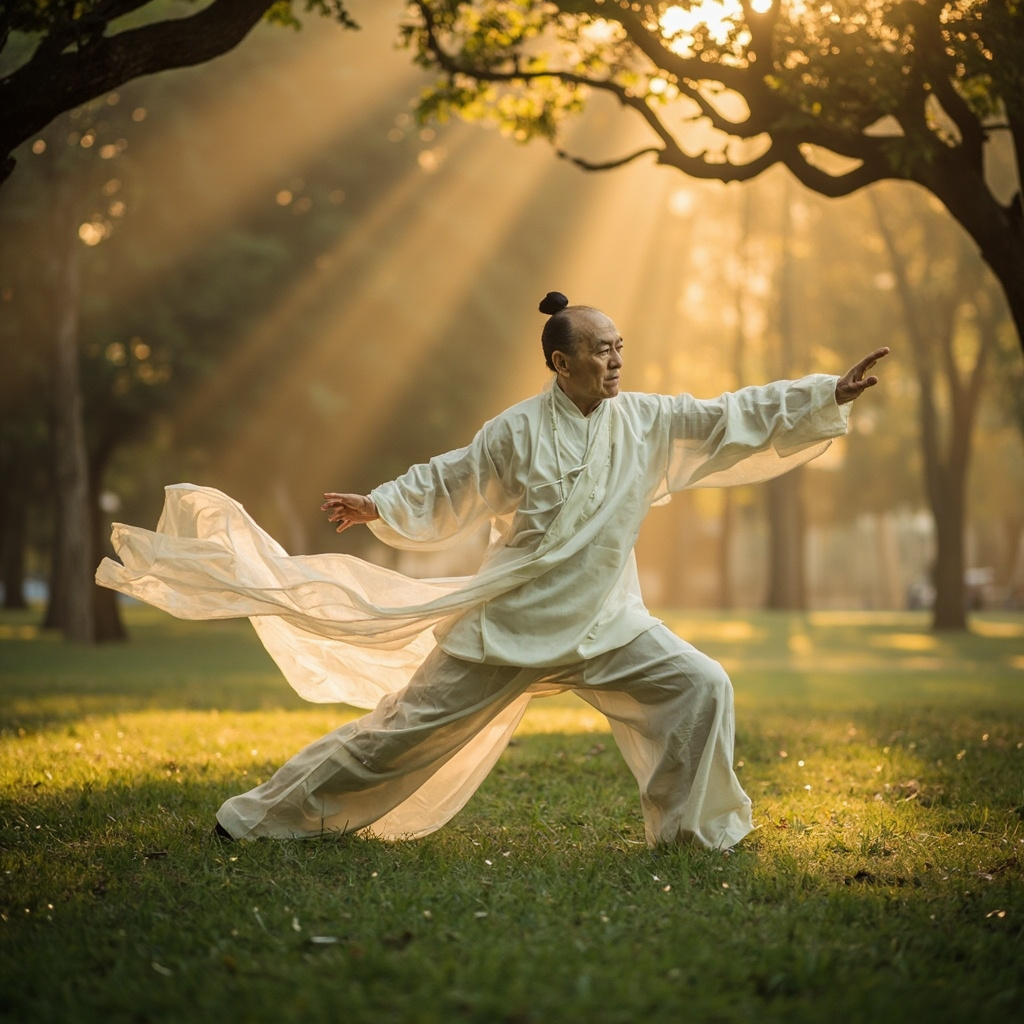
[IMAGE: Demonstration of Tai Chi flowing movement sequence showing proper posture and weight transfer]
## Tai Chi for Seniors: Enhancing Quality of Life in Later Years
**Tai Chi for seniors** represents perhaps the most thoroughly studied and celebrated application of this ancient practice. As research continues to validate what many older practitioners have experienced firsthand, medical professionals increasingly recommend Tai Chi as a first-line intervention for age-related health concerns, fall prevention, and maintenance of functional independence.
The Centers for Disease Control and Prevention recognizes Tai Chi as an evidence-based fall prevention strategy, listing it among the most effective interventions for reducing fall risk among older adults. Falls represent a leading cause of injury, hospitalization, and loss of independence among seniors, making effective prevention strategies critically important. Tai Chi addresses multiple components of fall prevention simultaneously: it improves balance through vestibular and proprioceptive training, strengthens leg muscles essential for stability, enhances reaction time through practice of weight shifts and transitions, and builds confidence in movement that itself reduces fall risk.
Beyond fall prevention, **Tai Chi for seniors** offers relief from chronic conditions prevalent in older populations. Research demonstrates significant benefits for individuals managing arthritis, including reduced pain, improved joint function, and decreased stiffness. The low-impact nature of Tai Chi protects fragile joints while the gentle movement actually stimulates synovial fluid production and maintains cartilage health. Studies show particular promise for those with knee osteoarthritis, where regular practice reduces pain comparable to or exceeding that achieved through conventional exercise programs.
Cognitive benefits make Tai Chi particularly valuable for aging populations. The mental demands of learning and practicing forms-remembering sequences, maintaining bilateral attention, coordinating breath with movement, visualizing movements during practice-create cognitive challenges that research associates with improved memory, attention, and processing speed. A study from the Journal of Alzheimer’s Disease found that older adults practicing Tai Chi showed increased brain volume and improved cognitive scores compared to control groups, suggesting the practice may support brain health and potentially offer protection against cognitive decline.
[IMAGE: Group of seniors practicing Tai Chi together in a park setting]
## Tai Chi for Stress Relief: Finding Calm Through Mindful Motion
In our fast-paced modern world, chronic stress has emerged as a significant contributor to nearly every major health condition, from cardiovascular disease to depression to weakened immune function. **Tai Chi for stress relief** offers a powerful antidote-not through avoidance of challenges but through developing inner resources that allow us to meet life’s pressures with greater resilience and equanimity.
The stress-reducing effects of Tai Chi operate through multiple mechanisms. Physically, the deliberate movements and coordinated breathing activate the parasympathetic nervous system, often called the “rest and digest” system, which counteracts the stress-induced “fight or flight” response. This shift reduces cortisol levels, lowers heart rate and blood pressure, and promotes a physiological state conducive to healing and restoration. Regular Tai Chi practice essentially trains the nervous system to return more quickly to calm states following stress activation.
Psychologically, the meditative aspects of Tai Chi cultivate present-moment awareness that interrupts the rumination and worry patterns that characterize chronic stress. Unlike seated meditation, which some find challenging, Tai Chi’s physical component provides a moving focal point that many practitioners find easier to maintain, making it an accessible entry point to meditation for those who struggle with purely mental practices. The concentration required during practice naturally displaces anxious thoughts, creating mental spaciousness and clarity.
Clinical research supports **Tai Chi for stress relief** across diverse populations. Studies with healthcare workers, college students facing exam pressure, individuals with diagnosed anxiety disorders, and cancer patients all demonstrate significant stress reduction following regular Tai Chi practice. Notably, improvements often extend beyond immediate practice sessions, with practitioners reporting enhanced emotional regulation, better sleep quality, and increased sense of well-being in daily life. These effects appear to accumulate with practice, suggesting that regular engagement builds lasting psychological resilience.
The breathing component deserves particular attention as a **Tai Chi health benefit** often underemphasized in Western discussions of the practice. Proper Tai Chi breathing involves diaphragmatic expansion, gentle holding of breath at specific phases, and coordination with movement that optimizes oxygen exchange and activates relaxation responses. These breathing patterns become internalized through practice, allowing practitioners to access calming effects even during stressful situations outside formal practice sessions.
## Tai Chi Healing: Addressing Chronic Conditions Naturally
The concept of **Tai Chi healing** encompasses the practice’s capacity to address chronic health conditions, support recovery from illness and injury, and complement conventional medical treatments. While Tai Chi should never replace necessary medical care, its integration into treatment plans for various conditions shows remarkable promise across numerous areas of health management.
For individuals managing chronic pain conditions, **Tai Chi healing** often provides meaningful relief where conventional treatments fall short. The practice addresses pain through multiple pathways: it reduces muscular tension that often amplifies pain signals, improves circulation that supports healing and removes inflammatory chemicals, and develops body awareness that helps individuals move more efficiently and avoid pain-provoking patterns. Research examining Tai Chi for chronic pain conditions including fibromyalgia, low back pain, and osteoarthritis consistently demonstrates significant pain reduction and functional improvement among participants.
Heart health receives substantial support from regular Tai Chi practice. Studies show improvements in blood pressure management comparable to some medications, enhanced heart rate variability indicating better cardiovascular adaptability, and reduced markers of inflammation associated with heart disease progression. For individuals recovering from cardiac events or managing chronic heart conditions, Tai Chi provides safe, graduated exercise that supports cardiovascular rehabilitation while the stress-reducing effects address a key risk factor for cardiac complications.
The **Tai Chi healing** potential extends to immune function as well. Research indicates that regular Tai Chi practice enhances immune cell activity, particularly important findings given the role of immune function in everything from infection resistance to cancer prevention to autoimmune disease management. While mechanisms remain under investigation, the stress-reducing and sleep-improving effects of Tai Chi likely contribute to immune enhancement, as chronic stress and poor sleep both suppress immune function.
Individuals with respiratory conditions find meaningful benefits through Tai Chi’s emphasis on breathing awareness and control. The diaphragmatic breathing techniques developed through practice improve respiratory muscle function and efficiency, while the gentle dynamic movement supports overall physical conditioning without triggering respiratory distress. Studies with COPD patients demonstrate improved exercise capacity and quality of life following Tai Chi programs.
## Tai Chi Exercise Benefits: A Complete Mind-Body Workout
Understanding the comprehensive nature of **Tai Chi exercise benefits** reveals why this practice earns descriptions as a complete mind-body workout. Unlike exercise modalities that target primarily physical or primarily mental outcomes, Tai Chi integrates multiple dimensions of health in a single, cohesive practice that develops strength, flexibility, cardiovascular fitness, mental clarity, and emotional balance simultaneously.
The strength development occurring through Tai Chi, while less obvious than that achieved through weight training, proves significant and functional. The slow, held postures require sustained muscular effort, particularly in the legs, core, and back, building endurance and stability rather than bulk. The continuous weight shifting and balance challenges engage muscles throughout the lower body and core, developing the supportive strength essential for injury prevention and functional mobility. Importantly, this strength develops in a balanced, integrated way that supports natural movement patterns rather than creating the asymmetries sometimes produced by isolated weight training.
Mental benefits emerge through the cognitive demands of Tai Chi practice. Learning forms requires memory, attention, and sequencing abilities that exercise the brain. The bilateral attention required-maintaining awareness of both sides of the body simultaneously during asymmetric movements-creates neural connections associated with improved cognitive function and possibly reduced dementia risk. Many practitioners report enhanced mental clarity, focus, and creativity that extends well beyond practice sessions.
The mindfulness component of Tai Chi develops qualities of attention, acceptance, and present-moment awareness that transfer powerfully to daily life. Practitioners often find they respond more skillfully to challenges, recover more quickly from setbacks, and maintain greater equanimity in difficult situations. These psychological skills, developed through the vehicle of physical practice, offer benefits regardless of age or starting fitness level.
## Getting Started with Tai Chi: Practical Tips for Beginners
Beginning a **Tai Chi health benefits** journey requires no special equipment, significant financial investment, or exceptional physical capability. These practical guidelines help newcomers establish a sustainable practice that maximizes health benefits while avoiding common pitfalls that derail new practitioners.
Finding qualified instruction represents the most important initial investment. While video resources offer accessibility, learning Tai Chi from a knowledgeable instructor accelerates progress, ensures proper technique that prevents injury and maximizes benefit, and provides personalized guidance for individual needs. Look for instructors with demonstrated training, ideally certification from recognized organizations such as the Tai Chi for Health Institute or the American Tai Chi and Qigong Association. Many community centers, senior centers, and health clubs offer introductory classes at reasonable rates, providing opportunity to experience the practice before committing to longer-term programs.
Starting with simplified forms allows beginners to develop proper habits before advancing to more complex routines. The eight-movement form, five-movement form, or similar abbreviated routines teach fundamental principles while remaining manageable for those new to movement practice. These simplified forms also provide templates for brief daily practice that fits into busy schedules, with even five to ten minutes of focused practice producing measurable benefits. As mastery develops, longer forms provide increasing challenge and depth.
Establishing consistent practice habits matters more than practice intensity or duration. Shorter daily sessions produce superior results compared to longer sessions scattered irregularly throughout the week. Morning practice establishes a centered, relaxed tone for the day ahead, while evening practice can help release accumulated tension and prepare for restful sleep. Experiment with different times to discover what fits best with individual schedules and preferences.
Wearing comfortable, loose-fitting clothing allows unrestricted movement without binding or restriction. Flat, flexible shoes with thin, non-slip soles provide traction and ground contact important for balance while allowing natural foot function. Many practitioners eventually practice barefoot indoors, finding enhanced proprioceptive feedback and connection with the ground that supports balance and energy flow.
Listening to the body during practice and in daily life guides appropriate progression. Some muscle soreness when beginning represents normal adaptation, but sharp pain or significant discomfort signals the need for modification. The gentle nature of Tai Chi should never produce injury, and working with a teacher to adjust movements for individual limitations ensures safe, beneficial practice regardless of physical challenges or previous injuries.
## Conclusion: Embracing the Journey Toward Transformative Wellness
The exploration of **Tai Chi health benefits** reveals a practice of remarkable depth and versatility, capable of supporting wellness across physical, mental, and emotional dimensions. From fall prevention for seniors to stress relief for busy professionals, from chronic pain management to cardiovascular support, from cognitive enhancement to emotional balance, Tai Chi offers something valuable for virtually everyone willing to invest time in learning its principles and practicing its movements.
The ancient Chinese practitioners who developed Tai Chi understood something modern research increasingly confirms: optimal health emerges from integration rather than isolation, from balance rather than extremes, from sustainable practice rather than dramatic interventions. This gentle martial art embodies these principles not merely as abstract philosophy but as lived practice that transforms health one flowing movement at a time.
Whether you are managing a chronic health condition, seeking stress relief from demanding responsibilities, hoping to maintain vitality and independence as you age, or simply exploring new pathways to enhanced well-being, Tai Chi invites you to discover what millions worldwide have found: a practice that meets you where you are and gradually expands your capacity for health, happiness, and harmony. The journey of a thousand miles begins with a single step, and your first step toward experiencing the profound **Tai Chi health benefits** awaits whenever you are ready to begin.