Sichuan cuisine, also known as Chuan cuisine, stands as one of the most influential and distinctive culinary traditions in the world. Originating from Sichuan Province in southwestern China, this remarkable cuisine has captivated food lovers worldwide with its bold, complex flavors that dance between spicy, numbing, sweet, sour, bitter, and savory notes. The ancient saying “Sichuan food will make you weep without crying” speaks to the powerful sensory experience defining this extraordinary tradition.
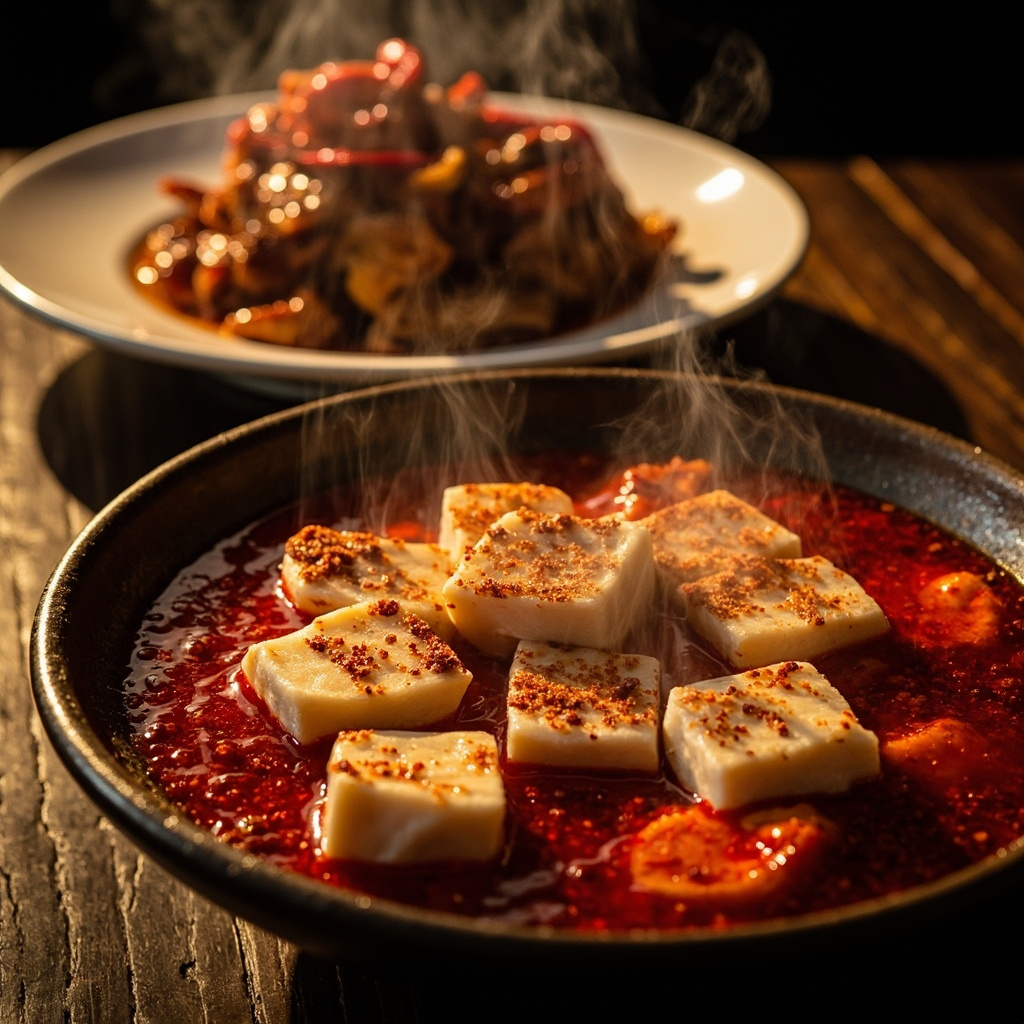
Sichuan Province has long been called the “Land of Abundance” due to its fertile valleys and exceptionally productive agricultural land. Surrounded by mountains and sitting within the Sichuan Basin, the region developed geographic isolation that allowed culinary traditions to evolve independently with unique characteristics distinguishing them from all other regional cuisines.

Geography and Climate: Shaping Sichuan’s Identity
The humid climate of Sichuan, characterized by damp, foggy weather, historically necessitated potent spices and sophisticated preservation techniques. Sichuanese people developed an intuitive understanding that certain spices could preserve food while enhancing its flavor and medicinal properties simultaneously.
The famous Sichuan peppercorn, known locally as “hua jiao,” produces a unique “ma” (numbing) sensation that causes a tingling, almost electric feeling on the lips and tongue. This “mala” (numbing-spicy) combination is the absolute hallmark of authentic Sichuan cooking with no equivalent in any other cuisine in the world. The region produces the “seven special chilies” of Sichuan cooking, including er jing tian and chao tian xian, offering varying degrees of heat and aromatic complexity.
Iconic Authentic Sichuan Dishes
Mapo Tofu (Ma Po Dou Fu)
Mapo tofu represents the soul of Sichuan cuisine, combining silky soft tofu cubes with an extraordinarily complex, spicy, numbingly flavorful sauce. Created in 1862 by Qing Dynasty restaurant owner Wen in Chengdu, this legendary dish features tofu swimming in a fiery red sauce made with doubanjiang (fermented broad bean and chili paste), Sichuan peppercorns, minced pork, green onions, and garlic. The contrast between cooling tofu and intensely warming spices creates perfect balance exemplifying Sichuan culinary philosophy.
Kung Pao Chicken (Gong Bao Ji Ding)
Kung Pao chicken originated as “gong bao” after Ding Baozhen, a Qing Dynasty governor of Sichuan. This internationally beloved dish features tender chicken cubes stir-fried with roasted peanuts, dried chilies, Sichuan peppercorns, and a sauce balancing sweet, savory, spicy, and slightly sour elements in remarkable harmony. Authentic versions emphasize the aromatic quality above all else.
Spicy Boiled Fish (Shui Zhu Yu)
Water-boiled fish showcases Sichuan cooking techniques at their finest. Fresh fish fillets are briefly blanched in a flavorful broth, then topped with extremely spicy oil infused with dozens of dried chilies and Sichuan peppercorns. The dish arrives practically sizzling with theatrical presentation, the extremely hot oil releasing an intoxicating aroma that captures the essence of Sichuan cuisine’s bold, assertive character.
Twice-Cooked Pork (Hui Guo Rou)
Twice-cooked pork demonstrates the region’s philosophy of transforming humble ingredients into extraordinary meals. Pork belly is first simmered, then sliced and stir-fried with leeks and doubanjiang until edges become crispy and caramelized, creating layers of complex flavor with every bite.
Dan Dan Noodles
Dan dan noodles originated as street food sold by vendors carrying pole-mounted bamboo shelves through Chengdu’s streets. This iconic dish features noodles topped with a sauce of sesame paste, Sichuan peppercorn oil, chili oil, minced pork, and preserved vegetables creating an extraordinarily addictive eating experience.
Essential Ingredients and Techniques
Authentic Sichuan cuisine relies on carefully curated ingredients. Doubanjiang serves as foundational flavoring for hundreds of dishes, providing deep umami and complex heat. Douchi (fermented black beans) adds salty, earthy notes. Sichuan chefs employ techniques including “tian chuang” (dry frying) to transform ingredients into aromatic, crispy elements adding texture and visual appeal.
Sichuan cuisine reflects the region’s vibrant culture. The saying “the people of Sichuan have the most blessed lives, they enjoy the food of heaven” speaks to deep pride in their culinary heritage. Today, authentic Sichuan cuisine continues gaining recognition worldwide, from bustling Chengdu night markets to acclaimed restaurants in New York, London, and Tokyo, with dedicated chefs preserving traditional techniques while innovating new approaches.