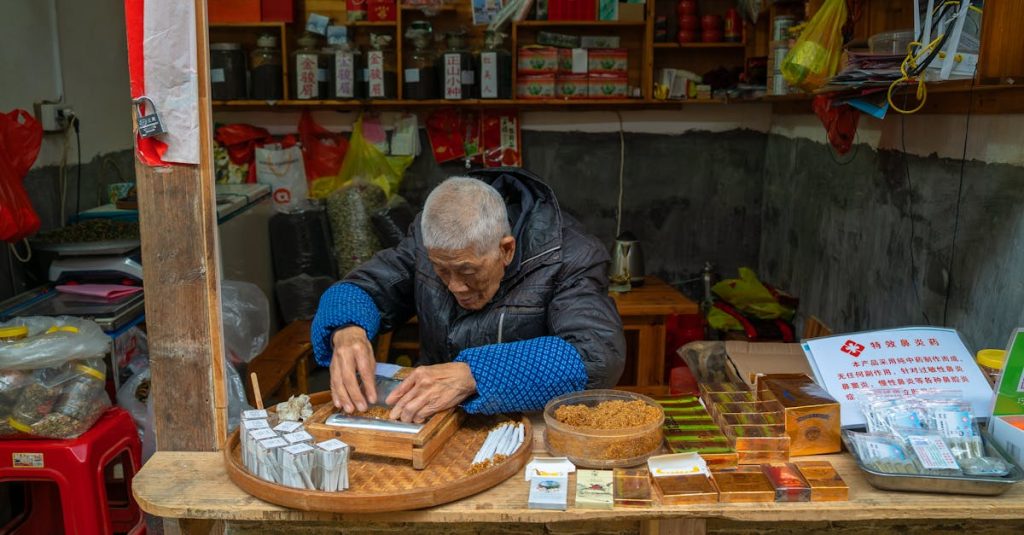
ARTICLE_TITLE: Chinese Medicine: Traditional Healing Practices and Modern Use
ARTICLE_BODY:
**Introduction**
Chinese medicine, often referred to as Traditional Chinese Medicine (TCM), is a comprehensive system of health care that has been practiced for thousands of years. It emphasizes a holistic approach, balancing the body’s internal environment to prevent illness and promote overall wellness. In recent decades, this ancient tradition has gained popularity worldwide, especially as people seek natural, integrative options for health maintenance. This article explores the core philosophies, key practices, scientific validation, and modern applications of Chinese medicine, offering a roadmap for those interested in incorporating it into their health regimen.
—
## History and Philosophy of Traditional Chinese Medicine
### Origins in Ancient China
The roots of TCM trace back more than 2,500 years, with early texts such as the “Huangdi Neijing” (The Yellow Emperor’s Inner Classic) laying the groundwork for concepts like yin‑yang theory and the Five Elements. Ancient practitioners observed natural patterns—seasonal changes, the flow of water, and the rhythm of breathing—and applied these observations to human health.
### Core Philosophical Concepts
– **Yin‑Yang Balance**: Health is viewed as a dynamic equilibrium between opposing but complementary forces. When yin (cool, passive) and yang (warm, active) are in harmony, the body functions optimally.
– **Five Elements (Wood, Fire, Earth, Metal, Water)**: Each element corresponds to specific organs, emotions, and bodily functions. Imbalances among the elements are believed to manifest as disease.
– **Qi (Vital Energy)**: The concept of qi underlies all TCM treatments; it circulates through meridians (energy pathways) and sustains physiological processes.
These philosophical foundations guide diagnostic methods and therapeutic interventions, ensuring a personalized approach to each individual.
—
## Core Practices: Acupuncture, Herbal Medicine, Cupping, and More
### Acupuncture
Acupuncture involves the insertion of thin, sterile needles into specific points along the body’s meridians. By stimulating these points, practitioners aim to regulate qi flow, alleviate pain, and restore balance. Research has shown acupuncture to be effective for conditions such as chronic back pain, migraines, and osteoarthritis.
### Herbal Remedies
Chinese herbal medicine employs a vast pharmacopeia of plant, mineral, and animal-derived substances, often combined into formulas tailored to the patient’s pattern of imbalance. Common herbs include *ginseng* (Ren Shen) for energy, *licorice root* (Gan Cao) for harmonizing formulas, and *ephedra* (Ma Huang) for respiratory support. Modern quality-control measures ensure safety, purity, and consistent dosing.
### Cupping Therapy
Cupping utilizes glass or plastic cups to create localized suction on the skin. This technique is believed to improve blood circulation, reduce muscle tension, and facilitate the removal of toxins. Athletes and individuals recovering from injuries frequently use cupping for its soothing effects.
### Additional Modalities
– **Moxibustion**: The burning of dried mugwort near acupuncture points to warm and invigorate the flow of qi.
– **Tui Na**: A therapeutic massage technique that manipulates muscles and joints to promote healing.
– **Tai Chi and Qigong**: Mind‑body exercises that combine gentle movement, breathing, and meditation to enhance qi and improve overall vitality.
Each modality can be employed alone or in combination, depending on the patient’s needs and the practitioner’s assessment.
—
## Modern Scientific Research and Evidence
### Clinical Trials and Meta‑Analyses
Recent systematic reviews have examined the efficacy of TCM interventions for various ailments. For example, a meta‑analysis published in a leading medical journal found that acupuncture significantly reduced the frequency of tension‑type headaches compared with sham treatment. Similarly, clinical studies on herbal formulas such as *Yin Qiao San* have demonstrated antiviral properties against seasonal flu viruses.
### Mechanistic Insights
Modern research seeks to explain TCM mechanisms through a Western scientific lens. Studies have identified anti‑inflammatory, immunomodulatory, and neurochemical pathways that may be influenced by herbal compounds. For instance, compounds in *Salvia miltiorrhiza* (Dan Shen) have been shown to improve microcirculation and exhibit antioxidant effects.
### Challenges and Limitations
While evidence is growing, challenges remain: variability in herbal product quality, differences in diagnostic criteria, and the need for larger, well‑controlled trials. Nonetheless, the trend toward evidence‑based practice is encouraging more rigorous investigation into TCM’s therapeutic potential.
—
## Integrating TCM with Western Medicine
### Integrative Healthcare Models
Many hospitals and clinics now offer integrative medicine programs that combine TCM with conventional treatments. These models prioritize patient‑centered care, using TCM to manage symptoms, improve quality of life, and reduce side effects of pharmaceuticals.
### Common Integration Scenarios
– **Pain Management**: Acupuncture and herbal analgesics are used alongside physical therapy or NSAIDs for musculoskeletal pain.
– **Cancer Support**: TCM therapies such as ginger tea and moxibustion help mitigate chemotherapy‑induced nausea and fatigue.
– **Mental Health**: Qigong and certain herbal formulations have shown promise in reducing anxiety and depression when used alongside psychotherapy.
### Safety Considerations
When integrating TCM, communication between patients, TCM practitioners, and Western medical doctors is essential. Some herbs can interact with prescription medications, so a thorough medication review is crucial. Licensed practitioners trained in both traditions can ensure safe, coordinated care.
—
## Choosing a Qualified Practitioner
### Credentials and Training
Look for practitioners who have completed accredited programs in acupuncture or Chinese herbal medicine. Certifications such as “Diplomate of Acupuncture” (NCCAOM) in the United States or equivalent bodies elsewhere indicate standardized training.
### Professional Affiliations
Membership in professional associations, such as the American Academy of Medical Acupuncture or the National Certification Commission for Acupuncture and Oriental Medicine, often reflects adherence to ethical standards and continuing education.
### Initial Consultation
A reputable practitioner will conduct a detailed health history, including lifestyle, diet, emotional state, and any current medications. They should explain the proposed treatment plan, expected outcomes, and any potential risks.
—
## Future Trends and Considerations
### Personalized Medicine and Genomics
Emerging research explores how genetic variations influence responses to herbal formulas, paving the way for personalized TCM protocols. Integrating genomic data with traditional pattern diagnosis may enhance treatment precision.
### Digital Health Tools
Telehealth platforms now enable remote consultations with TCM practitioners, expanding access for patients in rural or underserved areas. Mobile apps that track symptoms and qi flow can complement in‑person visits.
### Global Standardization
Efforts are underway to harmonize TCM education, licensing, and product regulation across borders. International standards for herbal quality and safety will bolster confidence among healthcare providers and patients alike.
—
## Conclusion
Chinese medicine offers a time‑tested, holistic framework for health that continues to evolve with modern scientific insights. From acupuncture and herbal remedies to mindful movement practices like Tai Chi, its diverse modalities address both preventive care and chronic disease management. By understanding its core philosophies, selecting qualified practitioners, and fostering open communication with conventional healthcare providers, individuals can safely incorporate TCM into their wellness journey. As research advances and integrative models become more prevalent, Chinese medicine is poised to play an increasingly prominent role in global health, marrying ancient wisdom with contemporary science for the benefit of all.