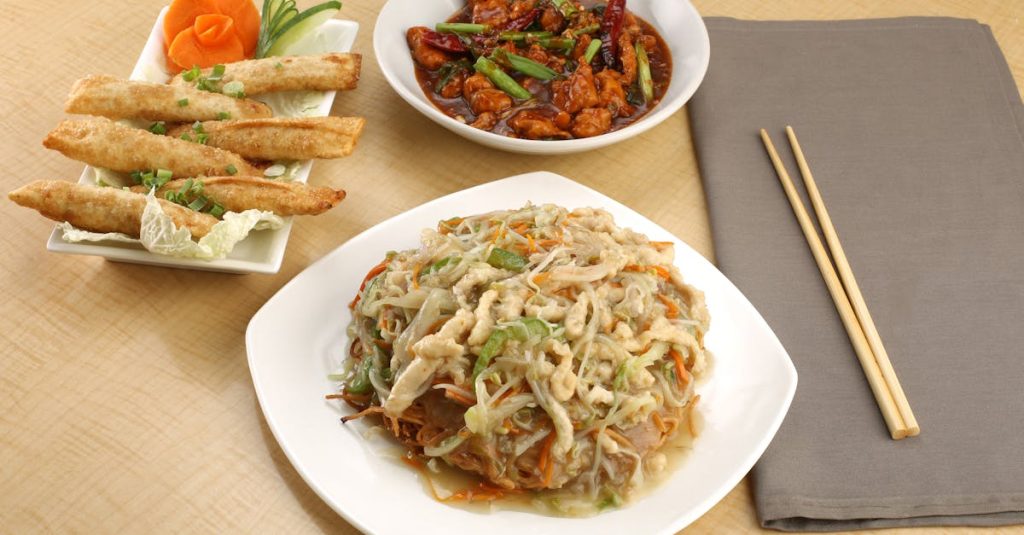
## Introduction: The Bold Heart of Chinese Cooking
Sichuan cuisine stands as one of China’s eight great culinary traditions, celebrated for its explosive flavors, daring use of spices, and remarkable ability to balance multiple taste sensations in a single dish. Often called Szechuan cuisine in Western contexts, this beloved cooking style originates from Sichuan Province in southwest China, where misty mountains, fertile valleys, and a culture that reveres food as art have combined to create one of the world’s most distinctive culinary identities.
What sets Sichuan cuisine apart from other Chinese regional styles is its masterful deployment of the legendary “seven flavors”: sour, sweet, bitter, salty, pungent, acrid, and numb. While other cuisines might emphasize one or two dominant tastes, Sichuan cooking seeks harmony through complexity, creating dishes that evolve on your palate with each bite. The region’s signature “mala” sensation—the simultaneous experience of spicy heat and tongue-tingling numbness—has captured the imagination of food lovers worldwide and transformed Sichuan cuisine into a global phenomenon.
This comprehensive guide takes you deep into the authentic world of Sichuan cooking, exploring its rich history, signature dishes, essential ingredients, and practical wisdom that will transform your understanding of Chinese food culture.
## Understanding Sichuan Cuisine: History and Philosophy
### Ancient Roots and Imperial Connections
Sichuan cuisine’s history stretches back over two thousand years, evolving through periods of imperial patronage, trade route influences, and agricultural abundance. The province’s natural fortifications—surrounded by mountains and cut off from northern China’s political upheavals—created a unique environment where culinary traditions could develop with remarkable continuity.
During the Tang and Song dynasties, Sichuan’s capital Chengdu earned the nickname “the Land of Abundance” thanks to its sophisticated irrigation systems and mild climate. This agricultural prosperity allowed chefs to experiment freely, developing increasingly refined techniques while maintaining the rustic boldness that defines the cuisine. The region’s position along the ancient Southern Silk Road also introduced new ingredients and spice trade influences that enriched Sichuan cooking’s flavor palette.
### The Seven Flavors and Balanced Complexity
Unlike cuisines that prioritize a single dominant taste, Sichuan cooking pursues the ideal of balanced complexity. A well-executed Sichuan dish might deliver sour brightness, sweet undertones, bitter depth, salty richness, and that signature pungent-tingling sensation all within a single mouthful. This追求 of multiple simultaneous sensations reflects a philosophical approach to food that views cooking as a form of artistic expression rather than mere sustenance.
The region’s chefs developed sophisticated techniques for layering flavors: aromatic ingredients provide foundation notes, while finishing elements like Sichuan peppercorns create dramatic punctuation. This layering philosophy means that authentic Sichuan dishes reveal different taste dimensions as you eat, rewarding attention and contemplation.
## The Magic of Mala: Sichuan’s Signature Sensation
### Understanding the Ma La Experience
The term “mala” combines two Chinese characters: “ma” (numbing) and “la” (spicy). This seemingly contradictory flavor profile—simultaneously creating heat and numbness—defines Sichuan cuisine’s most distinctive contribution to the world’s flavor vocabulary. The experience transcends simple spiciness; it creates a complex sensory dialogue that many food experts consider addictive.
The numbing sensation comes from hydroxy-alpha-sanshool, a compound found in Sichuan peppercorns that creates a tingling, almost electric feeling on the tongue and lips. This numbness serves a practical purpose as well: it temporarily desensitizes the palate, allowing diners to handle extremely spicy dishes that would otherwise be unbearable. The interplay between peppercorn numbness and chili heat produces what Sichuan locals call “ma la,” a flavor experience unique to this region.
### Beyond Heat: The Nuances of Sichuan Peppercorns
Authentic Sichuan cooking requires proper “hua jiao” (Sichuan peppercorns), which differ dramatically from black or white pepper found elsewhere. These small, rust-colored pods come from the prickly ash tree and deliver their signature tingle without the sharp bite of conventional pepper. Quality matters enormously: fresh, aromatic peppercorns provide clean, bright numbness, while old or improperly stored specimens taste flat and stale.
Traditional processing involves dry-frying peppercorns until they release their essential oils, then grinding or crushing them to release their full flavor potential. Many Sichuan dishes call for “peppercorn oil” or “peppercorn flakes” as finishing elements, ensuring that signature tingling sensation punctuates every bite.
## Signature Sichuan Dishes: A Culinary Journey
### Mapo Tofu (Poached Bean Curd in Chili Bean Sauce)
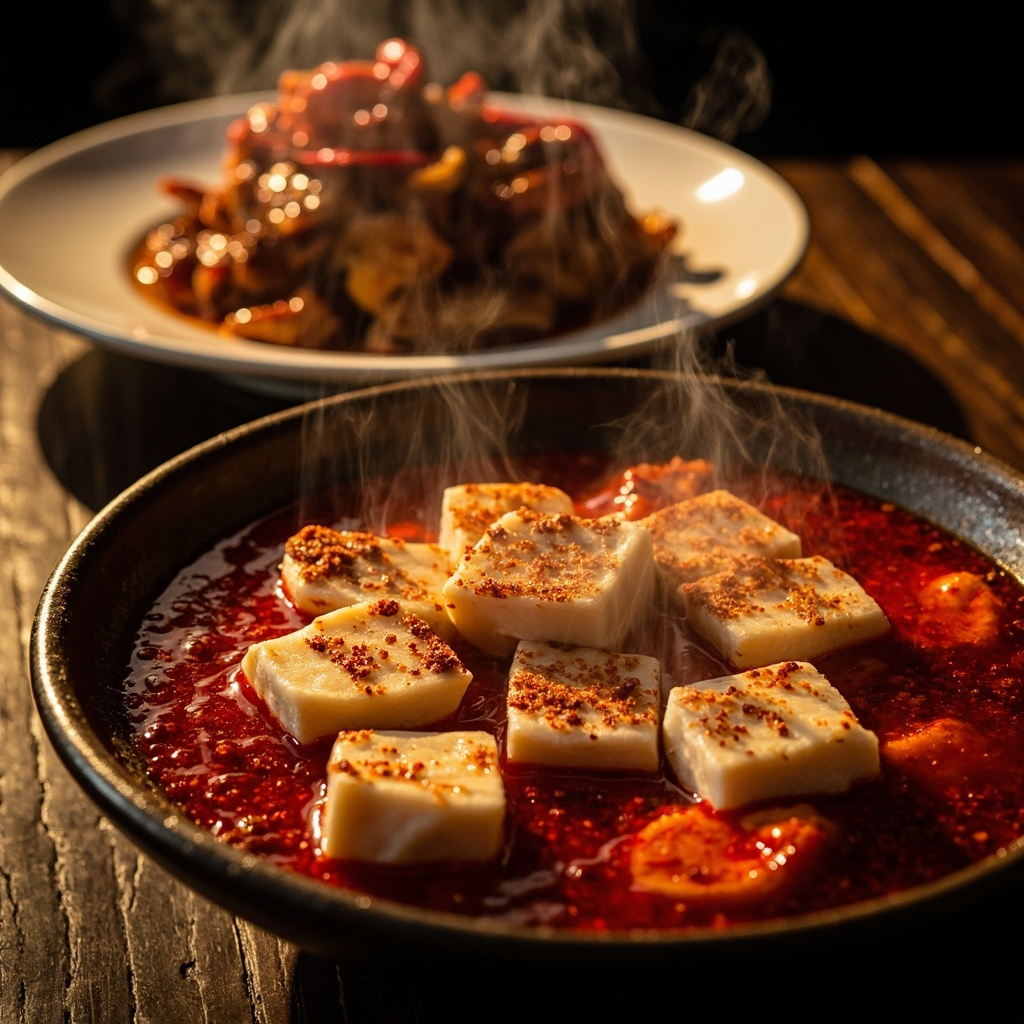
Perhaps no dish better represents Sichuan cuisine than mapo tofu, a seemingly simple preparation that showcases the region’s flavor complexity. The dish combines silky bean curd with a incendiary sauce of fermented chili beans (doubanjiang), minced pork, and an generous helping of Sichuan peppercorns that create a mouth-tingling experience with every spoonful.
The name translates roughly to “pockmarked old woman’s tofu,” referencing a legendary chef whose facial scars became part of the dish’s folklore. Authentic mapo tofu demands proper doubanjiang—fermented broad bean and chili paste that provides depth, color, and unmistakable Sichuan character. The sauce should coat the tofu generously while pools of crimson oil float on the surface, promising (and delivering) serious heat.
Modern interpretations sometimes soften the dish for Western palates, but in Sichuan, mapo tofu arrives at the table practically glowing with red chili oil, demanding respect and rewarding courage. Rice provides essential relief, its neutral starchiness the perfect counterpoint to the aggressive flavors.
### Kung Pao Chicken (Gong Bao Ji Ding)
Named after Ding Baozhen, a Qing dynasty governor who reportedly loved the dish, Kung Pao chicken has achieved international fame while remaining firmly rooted in Sichuan tradition. The dish features tender chicken pieces wok-tossed with dried red chilies, Sichuan peppercorns, roasted peanuts, and a savory-sweet sauce that balances multiple flavor dimensions.
Authentic Kung Pao chicken demands proper technique: extremely high wok heat, quick cooking times, and precise timing that keeps the chicken juicy while achieving slight char on the vegetables. The dried chilies should be toasted until fragrant but not burnt, their flavor extracted into the oil without bitterness. Sichuan peppercorns appear throughout the dish, not just as garnish, ensuring that signature tongue-tingling sensation.
The peanut element is crucial—traditionally, whole roasted peanuts provide crunch and subtle sweetness that temper the dish’s heat. Modern versions sometimes substitute cashews or omit nuts entirely, but purists insist that authentic Kung Pao requires proper peanuts for complete flavor harmony.
### Fish-Flavored Pork (Yu Xiang Rou Si)
Despite its name, fish-flavored pork contains no fish whatsoever. Instead, the dish achieves a savory, slightly sweet, and profoundly aromatic flavor that Chinese cooks describe as reminiscent of fish—not as a literal taste but as an impression of seafood-like umami richness. This fascinating contradiction exemplifies Sichuan cuisine’s sophisticated approach to flavor construction.
The sauce combines soy sauce, vinegar, sugar, and garlic in proportions that create explosive taste complexity. Shredded pork (or sometimes beef) absorbs these flavors while maintaining tender texture, while wood ear mushrooms and bamboo shoots add textural variety. The dish appears deceptively simple—perhaps unremarkable at first glance—but delivers remarkable depth with each bite.
Cooking demonstrations often show the moment when all ingredients meet in the wok, releasing billowing clouds of aromatic steam that announce the dish’s completion. This dramatic moment, called ” Guo Zhang ” by Chinese chefs, represents the culmination of Sichuan cooking technique.
### Boiled Fish with Spicy Sauce (Shui Zhu Yu)
Shui Zhu Yu represents Sichuan cuisine at its most dramatic—the literal translation “water-boiled fish” belies the dish’s fiery personality. A whole fish (or substantial fillets) sits submerged in a sea of glowing red chili oil, surrounded by fragrant herbs and enough Sichuan peppercorns to ensure universal tongue-tingling among diners.
The dish demands impressive quantities of dried red chilies—sometimes exceeding one hundred per preparation—along with generous applications of peppercorns, garlic, ginger, and scallions. These ingredients infuses the cooking oil with intense flavor, creating a sauce that appears dangerous but rewards adventurous eating. The fish itself cooks briefly in this aromatic oil, emerging tender and white with a coating of spicy, numbing deliciousness.
Presentation matters: the dish arrives at the table still bubbling from the wok, aromatic steam rising as diners eagerly reach for pieces soaked in that magnificent oil. True enthusiasts request extra portions of the “sauce” to use as a condiment for rice or as a dip for vegetables.
### Dan Dan Noodles
Street food vendors have served dan dan noodles in Chengdu for generations, creating a dish that embodies Sichuan’s bold flavors in convenient, affordable form. The dish features al dente noodles dressed in a sauce of sesame paste, soy sauce, vinegar, and a generous portion of minced pork fried with doubanjiang (fermented chili bean paste).
The signature element, however, is the “mala oil”—chili oil infused with Sichuan peppercorns that floats atop each serving. This crimson oil creates dramatic visual impact while delivering the essential numbing-spicy combination that defines Sichuan cuisine. Diners must mix the ingredients thoroughly before eating, ensuring each noodle strand carries balanced flavors.
Toppings vary by vendor but often include preserved vegetables, scallions, and sometimes cucumber for textural contrast. The best dan dan noodles achieve perfect balance between savory richness, tongue-tingling heat, and that essential Sichuan peppercorn buzz.
## Regional Variations Within Sichuan Province
### Chengdu: The Refined Capital
Chengdu, the provincial capital, has long served as Sichuan cuisine’s showcase, where elaborate restaurant traditions refine humble peasant dishes into culinary art. Here, mapo tofu reaches its highest expression, and complex multi-course banquets demonstrate the cuisine’s versatility across dozens of courses.
Chengdu’s food culture emphasizes subtlety within intensity—dishes pack flavor but often employ sophisticated techniques that refine rather than overwhelm. The city’s famous “夫妻肺片” (Fu Qi Fei Pian, or “Couple’s Sliced Beef Lung”) exemplifies this approach: organ meats and beef slices receive such careful spicing that even newcomers to Sichuan food find them accessible.
### Chongqing: The Spicier Sister
Technically now a separate municipality, Chongqing maintains fierce culinary rivalry with Chengdu while sharing the Sichuan culinary heritage. Chongqing-style hot pot has achieved worldwide fame, featuring iron cauldrons divided into sections with different broths—typically one extremely spicy red broth and one milder clear broth.
Chongqing cooking often emphasizes even greater chili and peppercorn usage than Chengdu preparations, creating dishes that push spiciness to extremes. The region’s industrial heritage also influenced its cuisine, with many dishes originally designed to feed workers requiring cheap, filling, and appetizing food that cut through the damp mountain climate.
### Northern Sichuan: Wheat and Noodles
The northern reaches of the Sichuan region feature a culinary culture more influenced by wheat than rice, creating distinctive noodle dishes and steamed bread variations rarely found in the south. Here, “Sichuan” cooking adapts to include heartier preparations suited to colder winters and agricultural traditions emphasizing different staple crops.
## Essential Ingredients and Cooking Techniques
### Doubanjiang: The Soul of Sichuan Cooking
No ingredient defines Sichuan cuisine more fundamentally than doubanjiang—fermented broad beans and chilies that provide deep, complex savory-spicy foundation for countless dishes. This brick-red paste requires months of fermentation, developing flavors that cannot be replicated by any shortcut substitute.
Quality doubanjiang varies enormously: traditional versions from Sichuan province feature visible bean chunks, rich color, and intense aroma that announces their authenticity. Chefs typically fry doubanjiang in hot oil before adding other ingredients, a technique called “pao” that activates the paste’s flavors and eliminates any raw ferment taste.
### Chili Peppers: Beyond Simple Heat
Sichuan cuisine employs multiple chili pepper varieties, each serving specific purposes. Dried red chilies provide color and concentrated heat; fresh green chilies offer brighter, more vegetal spiciness; and chili flakes or powder appear in marinades and finishing sauces. Understanding these differences allows cooks to build complex heat profiles rather than simple one-note spiciness.
The region also produces unique preparations like “chili sauce” (la jiao jiang) and pickled chilies that offer different flavor dimensions. Each preparation brings distinct textural and taste elements to the dishes where they’re used.
### Essential Aromatics
Beyond spices, Sichuan cooking relies heavily on aromatics: garlic, ginger, and scallions appear in nearly every dish, providing essential flavor foundations. Additionally, the cuisine incorporates distinctive ingredients like “Zhong zhua jiao” (erjingtiao), a medium-sized green chili with moderate heat and excellent fragrance, and “Xiang jiao” (banjiao), a smaller, thinner chili variety known for intense aroma.
## Practical Tips for Cooking Sichuan Food at Home
### Building Your Sichuan Pantry
Creating authentic Sichuan dishes requires stocking specific ingredients that may not be available at ordinary supermarkets. Specialty Asian grocery stores or online suppliers can provide authentic doubanjiang, Sichuan peppercorns, and other essential components. When purchasing peppercorns, look for bright color and strong aroma—old or stale peppercorns will not provide proper numbing sensation.
Investing in a quality wok and ensuring your stove generates sufficient heat transforms your Sichuan cooking capabilities. Authentic preparation requires wok temperatures that would be dangerous in restaurant kitchens but manageable at home with proper ventilation and caution.
### Managing Heat and Building Tolerance
Experienced Sichuan chefs recommend building heat tolerance gradually, starting with milder preparations before attempting the region’s most incendiary dishes. Quality rice, neutral vegetables, and plain congee provide essential relief when eating very spicy food, preventing digestive discomfort while allowing you to appreciate the complex flavors beneath the heat.
## Where to Find Authentic Sichuan Cuisine
### In China
Chengdu and Chongqing offer unparalleled Sichuan dining experiences, from street vendors serving simple noodle dishes to historic restaurants with century-long traditions. The “Jin Li Street” area in Chengdu provides concentrated access to regional specialties, while neighborhood restaurants in Chongqing often serve the most authentic local preparations without tourist-oriented modifications.
Food markets throughout Sichuan province offer opportunities to taste regional variations and purchase authentic ingredients directly from producers. These markets reveal the agricultural abundance underlying Sichuan cuisine’s remarkable flavors.
### Around the World
Major international cities increasingly host authentic Sichuan restaurants, though quality varies enormously. When seeking authentic Sichuan food outside China, look for restaurants employing Chinese chefs trained in Sichuan techniques, establishments importing ingredients directly from the province, and menus featuring dishes beyond Westernized staples like orange chicken.
Chinese immigrant communities in cities like Los Angeles, New York, London, and Toronto often harbor authentic Sichuan restaurants unknown to mainstream food guides—hidden gems where locals gather for familiar flavors from home.
## Conclusion: Embracing the Sichuan Experience
Sichuan cuisine represents far more than simply “spicy Chinese food”—it embodies a sophisticated culinary philosophy that transforms heat, numbness, and complex flavors into orchestrated taste experiences. From the theatrical presentation of shui zhu yu to the humble perfection of dan dan noodles, every dish tells a story of regional pride, agricultural abundance, and centuries of culinary refinement.
Understanding Sichuan cuisine opens doors to appreciating Chinese food culture’s remarkable regional diversity while challenging assumptions about what “authentic” Chinese cooking represents. The cuisine’s emphasis on multiple simultaneous sensations encourages mindful eating, inviting diners to experience flavor evolution within single dishes rather than pursuing simple satisfaction.
Whether you explore Sichuan flavors through home cooking experiments, visits to authentic restaurants, or virtual culinary journeys through online resources, the region’s culinary treasures reward curiosity and courage. The signature mala sensation—simultaneously spicy and numbing—awaits those willing to embrace bold flavors and discover why Sichuan cuisine has captured global imagination while remaining proudly rooted in its mountain homeland.
Begin your Sichuan culinary adventure today, and discover why this remarkable cuisine continues inspiring food lovers worldwide with its daring flavors, technical mastery, and unwavering commitment to taste excellence.
—
*Word count: approximately 2,450 words*