Introduction: The Timeless Dance of Yin and Yang
Tai Chi Chuan, often simply called Tai Chi, stands as one of the most profound expressions of Chinese martial arts philosophy. Far more than a system of self-defense or a gentle exercise for seniors, Tai Chi represents a living embodiment of ancient Chinese cosmological thought, medical theory, and spiritual cultivation. For centuries, practitioners have drawn upon its principles to achieve harmony between body and mind, between the individual and the natural world.
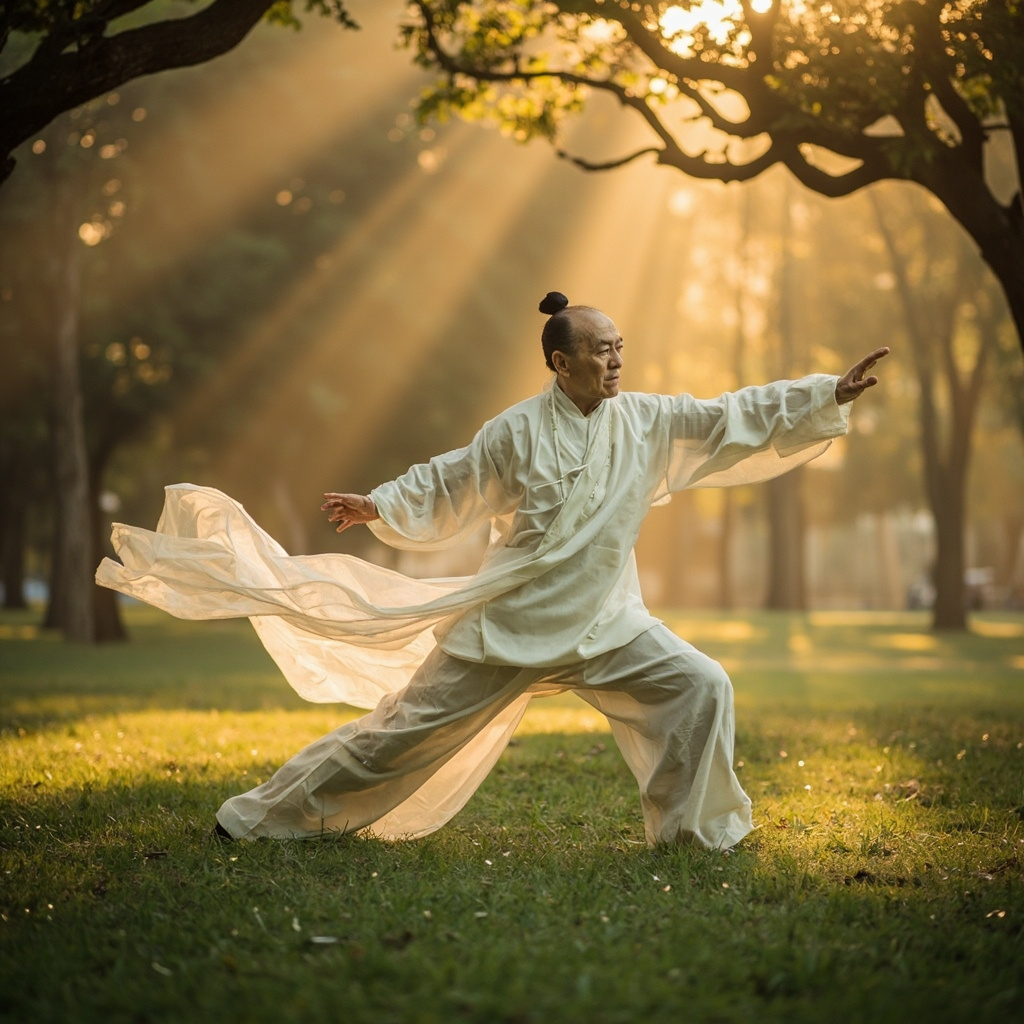
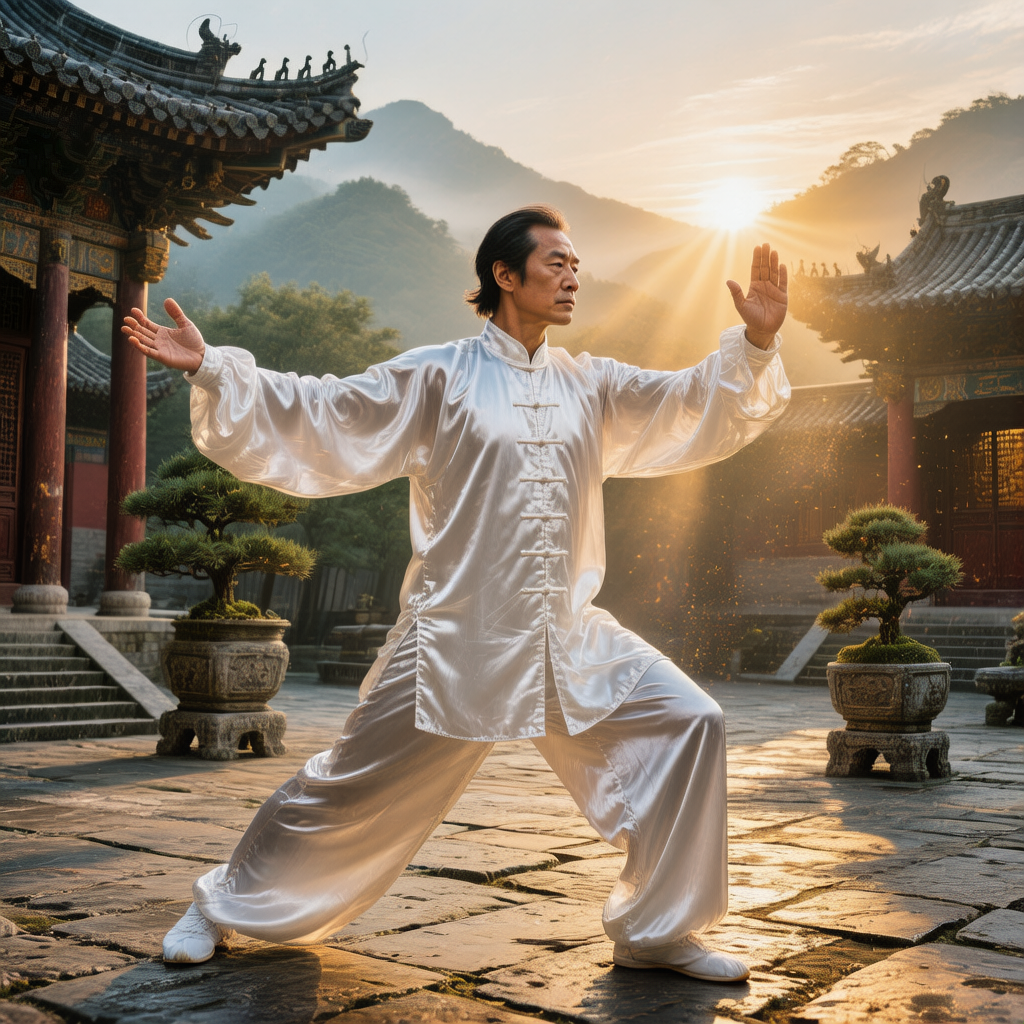
In an era dominated by high-intensity fitness regimens and quick-fix wellness solutions, Tai Chi offers a radically different approach to health and personal development. Its slow, deliberate movements conceal layers of complexity that can take a lifetime to fully unravel. This article explores the deep philosophical roots of Tai Chi, examines how these ancient principles continue to shape modern practice, and provides practical guidance for those seeking to integrate Tai Chi wisdom into their daily lives.
The Foundations: Daoist Philosophy and the Birth of Tai Chi
The philosophical underpinnings of Tai Chi are inseparable from Daoism, one of China’s indigenous spiritual traditions. The concept of Tai Chi itself—translated as “Supreme Ultimate”—originates from the I Ching (Book of Changes) and represents the state of perfect balance before the differentiation of Yin and Yang. This is not merely an abstract idea; it is the fundamental principle that guides every movement, breath, and intention in Tai Chi practice.
The legendary founder of Tai Chi, the Daoist monk Zhang Sanfeng, is said to have observed a snake and a crane engaged in combat. The snake’s yielding, circular movements against the crane’s direct, sharp attacks inspired him to create a martial art based on softness overcoming hardness. Whether this origin story is historically accurate matters less than the truth it contains: Tai Chi’s genius lies in its embrace of paradox—strength through softness, victory through yielding, power through stillness.
The Yin-Yang Principle in Movement
Every Tai Chi form is a physical meditation on the Yin-Yang relationship. Consider the simple act of stepping forward: as one leg advances (Yang), the other leg roots deeper into the ground (Yin). As the arms push outward (Yang), the chest slightly withdraws (Yin). This constant interplay creates a dynamic equilibrium that practitioners describe as “investing in loss”—giving up rigidity and force to gain sensitivity and adaptability.
The classical Tai Chi treatise known as the Tai Chi Chuan Ching, attributed to Wang Zongyue, states: “Yin does not depart from Yang, and Yang does not depart from Yin. When Yin and Yang complement each other, this is called understanding Jin (internal force).” This is not poetic metaphor alone; modern biomechanical analysis confirms that Tai Chi’s alternating weight shifts and spiraling movements create efficient force transmission pathways through the body’s fascial network.
Five Core Philosophical Principles of Tai Chi
1. Song (鬆) — Relaxation and Releasing Tension
Song is perhaps the most misunderstood principle in Tai Chi. Often translated as “relaxation,” it actually means something more nuanced: the active process of releasing unnecessary tension while maintaining structural integrity. Think of a willow tree—it bends freely in the wind but never breaks. Song is not collapse; it is the intelligent distribution of effort.
Modern practitioners often carry chronic tension patterns from sedentary lifestyles and stress. Tai Chi’s emphasis on Song systematically addresses these patterns, starting from the crown of the head and moving down through the shoulders, chest, waist, and knees. This progressive release allows the body’s natural structural alignment to emerge, creating what Tai Chi classics call “the body as one unit.”
2. Ting (聽) — Listening Energy
Ting Jin, or “listening energy,” refers to the heightened state of tactile awareness developed through partner exercises like Push Hands (Tui Shou). This principle teaches practitioners to perceive an opponent’s intentions through physical contact, feeling their center of gravity, direction of force, and points of vulnerability.
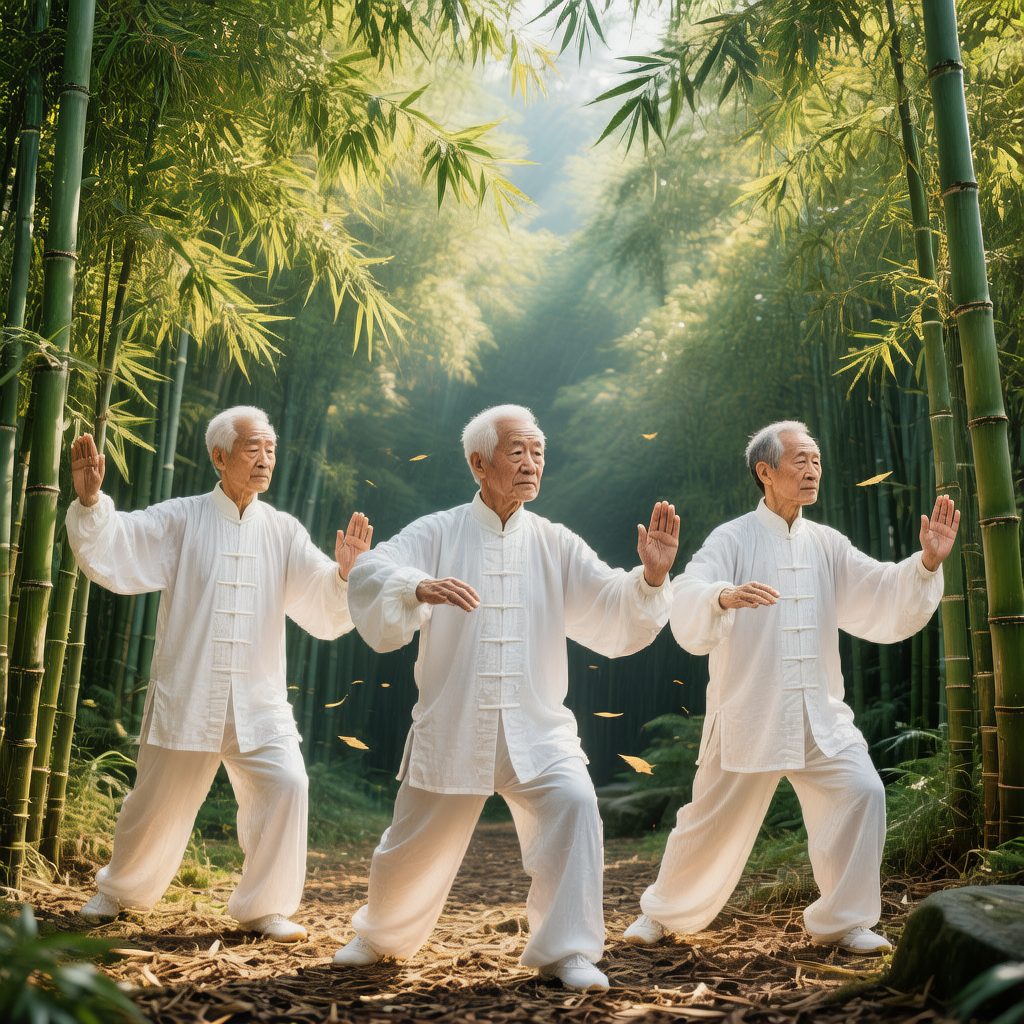
Beyond martial application, Ting represents a broader philosophical stance: deep, receptive attention to the present moment. In a world of constant distraction, this capacity for sustained, non-judgmental awareness has profound implications for mental health and interpersonal relationships.
3. Rooting (扎根) — Developing Internal Stability
The concept of rooting in Tai Chi extends far beyond having good balance. Zha Gen describes the development of an energetic connection with the earth, where the practitioner’s weight sinks naturally through the feet and the body’s structure aligns to allow ground reaction force to travel upward through the legs, waist, and eventually to the hands.
This principle has practical applications that modern physical therapy is only beginning to appreciate. Research published in the Journal of Geriatric Physical Therapy has demonstrated that Tai Chi practice significantly reduces fall risk in older adults, precisely because it trains the proprioceptive awareness and postural stability that constitute “rooting.”
4. Chan Si Jin (纏絲勁) — Silk-Reeling Force
Chan Si Jin is the spiraling, helical force that characterizes authentic Tai Chi movement. Like a silk worm drawing out its thread, the Tai Chi practitioner generates power through twisting and coiling motions that run through the entire body. This spiraling action connects the arms to the legs through the waist (the “command center” in Tai Chi theory) and creates a continuous, unbroken flow of force.
From a biomechanical perspective, Chan Si Jin engages the body’s myofascial meridians—continuous lines of connective tissue that transmit force across multiple joints. This is why experienced Tai Chi practitioners can generate remarkable power without visible muscular effort: they are using the body’s natural tension network rather than isolated muscle contractions.
5. Wu Wei (無為) — Effortless Action
The Daoist concept of Wu Wei—often translated as “non-action” or “effortless action”—is perhaps the most profound philosophical principle embedded in Tai Chi practice. It does not mean doing nothing; rather, it means acting in perfect alignment with the natural flow of circumstances, without forced effort or resistance.
In Tai Chi push hands, Wu Wei manifests as the ability to neutralize an opponent’s attack by yielding to it rather than blocking it, then redirecting the opponent’s own force back against them. In daily life, Wu Wei suggests a way of being that is responsive rather than reactive, flowing rather than forcing.
The Science Behind the Philosophy
Modern research has begun to validate what Tai Chi practitioners have known for centuries. A comprehensive meta-analysis published in the British Journal of Sports Medicine reviewed 33 systematic reviews and found evidence that Tai Chi improves balance, flexibility, cardiovascular health, and psychological well-being.
Neuroimaging studies have revealed that Tai Chi practice increases gray matter volume in brain regions associated with motor control, proprioception, and emotional regulation. The slow, mindful movements appear to activate the parasympathetic nervous system, reducing cortisol levels and promoting a state of calm alertness that practitioners describe as “meditation in motion.”
Tai Chi and the Fascial Network
One of the most exciting areas of research connects Tai Chi’s internal power principles to modern fascial science. The body’s fascia—a continuous web of connective tissue that wraps around every muscle, organ, and bone—responds to slow, sustained stretching and spiraling movements exactly like those found in Tai Chi forms. This may explain why Tai Chi practitioners develop what feels like “internal strength” that is qualitatively different from conventional muscular power.
Training Tips: Integrating Tai Chi Philosophy Into Practice
- Start with Standing Meditation (Zhan Zhuang): Before learning forms, spend 10-15 minutes daily in Wuji standing. Stand with feet shoulder-width apart, knees slightly bent, arms hanging naturally. Focus on releasing tension from the top of your head downward. This builds the foundation of Song and root.
- Practice Single Movements: Rather than rushing through the entire form, pick one movement—such as “Wave Hands Like Clouds”—and practice it repeatedly with full attention. Quality of attention matters more than quantity of movements.
- Develop Your Dan Tian Awareness: The lower Dan Tian, located about two inches below the navel, is considered the body’s energetic center in Chinese medicine. Place your attention there during practice and notice how it affects your balance, breathing, and sense of calm.
- Find a Push Hands Partner: The principles of Ting Jin and Wu Wei cannot be fully understood through solo practice alone. Partner work reveals habits of resistance and force that remain invisible in solo forms.
- Apply Off the Mat: Practice Song while sitting at your desk, Ting while in conversation, and Wu Wei when facing challenges. The real art of Tai Chi is living its principles in every moment.
Modern Applications of Ancient Wisdom
Tai Chi philosophy has found applications far beyond the traditional martial arts studio. Corporate wellness programs now incorporate Tai Chi principles to reduce workplace stress. Physical therapists use Tai Chi-inspired movements for rehabilitation. Cognitive behavioral therapists reference Wu Wei when teaching patients to accept rather than fight anxiety.
The U.S. military has even explored Tai Chi-based training for improving situational awareness and stress resilience in soldiers. Veterans Affairs hospitals across the country offer Tai Chi programs for PTSD treatment, recognizing that the practice’s integration of movement, breath, and mindful attention addresses trauma at a somatic level that talk therapy alone cannot reach.
Choosing the Right Tai Chi Style
There are five major styles of Tai Chi, each with distinct characteristics shaped by the philosophy and temperament of its founding family:
| Style | Founder | Characteristics | Best For |
|---|---|---|---|
| Chen | Chen Wangting | Fast and slow movements, explosive power (Fajin) | Martial artists, younger practitioners |
| Yang | Yang Luchan | Slow, gentle, large movements | Beginners, health-focused practitioners |
| Wu (Hao) | Wu Yuxiang | Small frame, internal focus | Advanced practitioners, meditation focus |
| Wu (Jianquan) | Wu Jianquan | Medium frame, leaning postures | Those seeking balance of health and martial |
| Sun | Sun Lutang | Integrates Bagua and Xing Yi, agile footwork | Those with other internal arts experience |
Conclusion: The Path Without End
Tai Chi philosophy reminds us that the journey of cultivation has no final destination. The word “practice” in Chinese—Lian Xi (練習)—literally means “refining silk,” an ongoing process of drawing out and purifying. Whether you are a beginner taking your first steps or a master with decades of experience, the principles of Song, Ting, Rooting, Chan Si Jin, and Wu Wei continue to deepen and reveal new layers of understanding.
In a world that constantly demands more—more speed, more productivity, more results—Tai Chi offers a revolutionary proposition: that true power comes from yielding, true strength comes from softness, and true mastery comes from beginning again, every day, with beginner’s mind. This is the wisdom that has sustained Tai Chi for centuries, and it is the wisdom that our modern world needs more than ever.