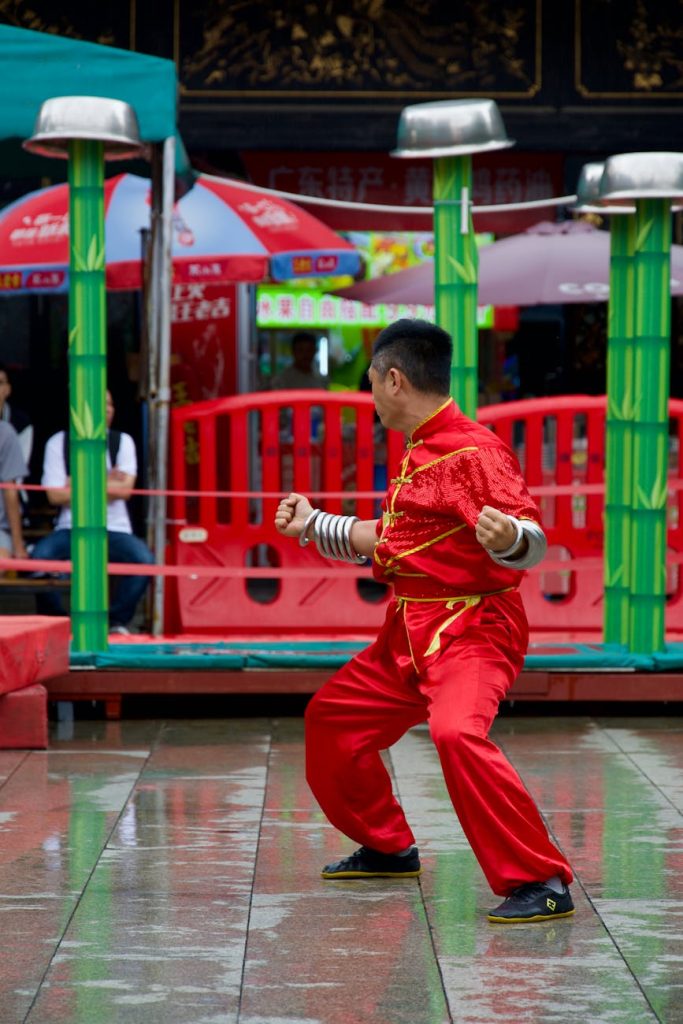
Learning basic Kung Fu moves provides the foundation for advanced training and everyday fitness that can benefit people of all ages and fitness levels. These fundamental techniques, which appear across all Chinese martial arts styles, develop the strength, flexibility, coordination, and body awareness necessary for both martial practice and general physical well-being. Mastering these basics before attempting more complex techniques is essential for developing proper form and preventing injury.
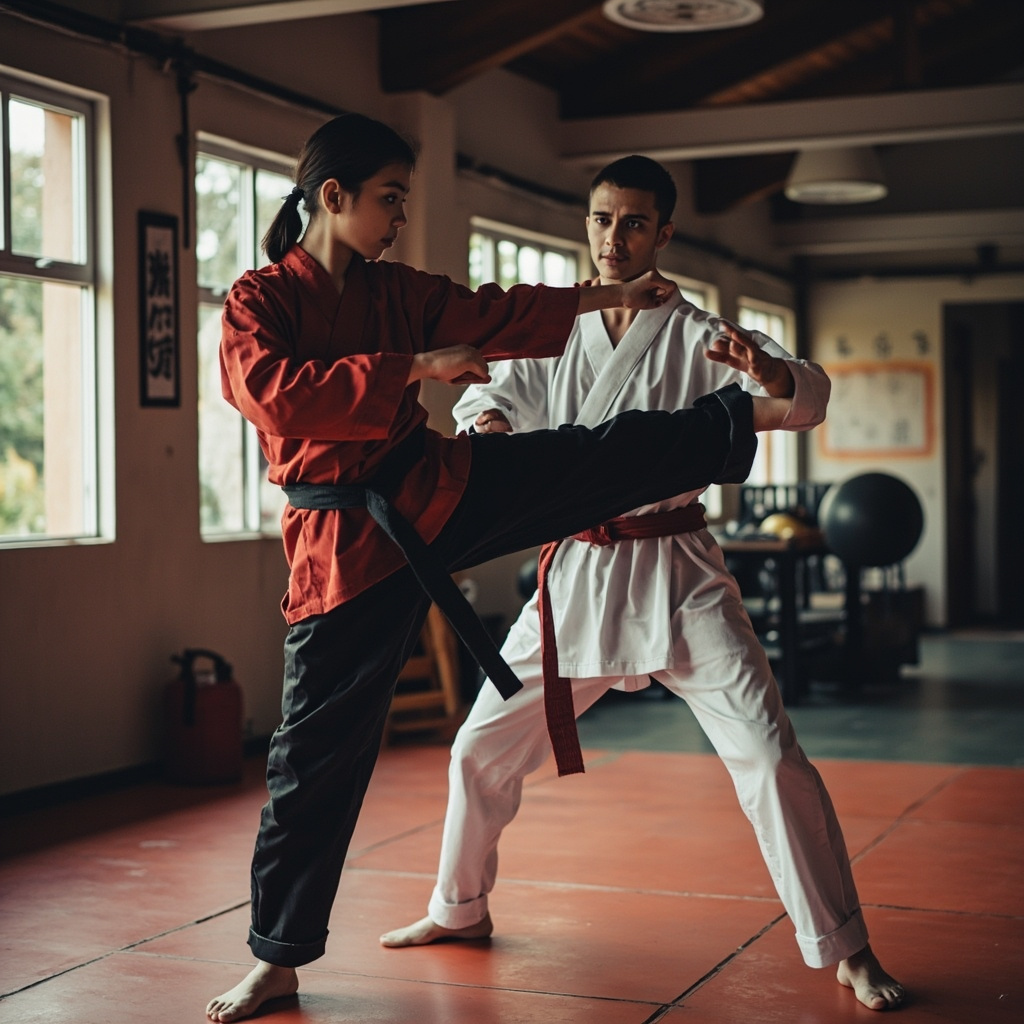
Chinese martial arts training traditionally emphasizes the importance of fundamentals over advanced techniques, with students often spending their first several months practicing nothing but basic stances and simple movements. This patient approach builds the structural foundation necessary for more complex techniques and ensures that students develop correct habits from the beginning rather than having to correct poor form later. The philosophy underlying this approach is that quality of practice matters far more than quantity, and that solid fundamentals enable faster progress in the long run.
Fundamental Stances
Stances form the foundation of all Kung Fu techniques, providing the stable base from which all offensive and defensive movements are generated. The horse stance, known as ma bu, is the most important fundamental stance, requiring the practitioner to squat with feet parallel and thighs nearly parallel to the ground. This seemingly simple stance builds extraordinary leg strength, endurance, and mental focus when held for extended periods. Traditional training requires beginners to hold horse stance for increasing durations, starting with one minute and progressing to thirty minutes or more in advanced training. The bow stance or gong bu develops forward power and stability, with the front knee bent and the back leg straight, distributing weight approximately 70 percent on the front leg. This stance is the foundation for most offensive techniques, providing the stable base needed to generate power in punches and strikes. The cat stance or xu bu is a lighter, more mobile stance that allows quick movement and defensive positioning, with most weight on the back leg and the front foot barely touching the ground. Masters can identify a practitioner’s skill level simply by observing how they hold basic stances, as proper stance work reveals years of dedicated training.
Basic Hand Techniques
Hand techniques in Kung Fu range from simple punches to complex open-hand strikes, each with specific applications and training methods. The straight punch, or chong quan, is the most fundamental hand technique, requiring the practitioner to generate power from the feet through the legs, hips, and torso into the fist. Proper punching technique involves rotating the fist at the moment of impact, using the first two knuckles as the striking surface, and maintaining a relaxed shoulder until the moment of impact. The back fist, or fan bei, extends the arm with the back of the hand as the striking surface, using the rebound of the arm to generate speed rather than raw power. This technique is excellent for rapid combinations and targeting vulnerable areas like the nose and temple. The palm strike, or tui zhang, uses the base of the palm as the striking surface, delivering powerful blows without the risk of injuring the knuckles. Palm strikes can generate tremendous force when properly executed and are preferred in many traditional forms over closed-fist punches for their safety and versatility. Each hand technique requires thousands of repetitions to develop proper form, power generation, and timing.
Essential Kicks
Kicks in Chinese martial arts emphasize flexibility, accuracy, and practical application over the high kicks popularized in film and demonstration. The front kick or zheng ti develops flexibility and can be delivered with the ball of the foot or the heel for different applications. Proper front kick technique requires lifting the knee first before extending the leg, generating power from the hip rather than the leg muscles. The side kick or ce ti provides the most power of any basic kick, using the entire body’s momentum focused through the heel or the edge of the foot. This kick requires strong hip flexibility and core strength to execute correctly. The crescent kick or tan ti arcs inward or outward to strike targets from unexpected angles, developing hip mobility and coordination. Beginners should practice kicks slowly with attention to proper form before gradually adding speed and power. Kicking drills should always include stretching before and after practice to maintain flexibility and prevent injury, and practitioners should never force their kicks higher than their current flexibility allows.
Basic Blocking Techniques
Blocking techniques redirect or absorb incoming attacks while positioning the practitioner for counterattacks. The high block or shang ge protects the head and upper body, using the forearm to deflect downward strikes. The low block or xia ge defends against kicks and low punches, sweeping the arm downward to redirect attacks away from the body. The inside block or li ge redirects straight punches across the body, using the forearm to deflect the attack while the other hand prepares a counterstrike. Each block should flow naturally from stance movements, with the entire body participating in the defense rather than just the blocking arm. The most effective blocks combine evasion with deflection, moving the body out of the line of attack while using minimal force to redirect the incoming strike. Advanced practitioners learn to block and counterattack simultaneously, using the defensive movement to create openings for immediate offense.
Training Tips for Beginners
Beginning Kung Fu students should focus on quality over quantity, practicing each movement with full attention to proper form rather than rushing through sloppy repetitions. Daily practice of even fifteen minutes produces better results than weekly sessions of several hours, as consistent practice develops muscle memory and body awareness more effectively. Students should warm up thoroughly before each practice session, including joint rotations, stretching, and light cardio to prepare the body for training. Recording practice sessions on video allows students to observe their own form and identify areas for improvement that may not be apparent during practice. Finding a qualified teacher is essential for proper development, as self-taught students often develop incorrect habits that are difficult to correct later.
Conclusion
Mastering basic Kung Fu fundamentals enables advanced techniques and provides lifelong health benefits. Practice consistently, focus on form, and build progressively for best results. The journey of martial arts training is long and rewarding, with each level of mastery revealing new depths of technique, understanding, and personal growth.
Common Training Mistakes to Avoid
Beginning Kung Fu students commonly make mistakes that slow progress and can lead to injury if not corrected early. The most common mistake is rushing through techniques without attention to proper form, sacrificing quality for speed. Students should focus on performing each movement correctly before attempting to increase speed, as incorrect habits become increasingly difficult to correct the longer they are practiced. Another frequent error is tensing the shoulders during techniques, which reduces speed, power, and endurance. The shoulders should remain relaxed throughout movements, with power generated from the legs and core rather than the upper body. Holding the breath during techniques is another common mistake that reduces stamina and creates unnecessary tension. Breathing should be natural and coordinated with movement, with exhalation typically accompanying the execution of techniques. Neglecting stance training in favor of more exciting techniques represents a fundamental misunderstanding of martial arts development. Solid stances are the foundation upon which all advanced techniques are built, and neglecting them limits long-term progress regardless of how many forms or techniques one learns.
History of Chinese Martial Arts
Chinese martial arts have a rich history spanning thousands of years, with origins that predate written records. Archaeological evidence indicates that wrestling and weapons training were practiced during the Shang Dynasty over 3,000 years ago. The Spring and Autumn period saw the development of sword fighting techniques that would influence later martial arts. The Shaolin Temple establishment in the 5th century marked a turning point, as Buddhist monks began systematically developing martial techniques that combined physical training with spiritual practice. The Ming Dynasty represented a golden age for martial arts, with extensive military manuals documenting techniques and the emergence of internal styles like Tai Chi. The 20th century brought both challenges and opportunities, as modernization threatened traditional practices while international interest created new audiences for Chinese martial arts. Understanding this history provides context for the techniques and philosophies passed down through generations of practitioners.
Creating a Home Practice Space
Having a dedicated practice space at home supports consistent training and progress. A space measuring at least 2 meters by 3 meters provides sufficient room for basic stances and techniques. The floor should be non-slip and provide adequate cushioning, with interlocking foam mats offering an affordable and effective solution. A full-length mirror helps check form and alignment during practice, allowing you to see and correct errors that may not be apparent from feel alone. Natural light and good ventilation make practice more pleasant, though any clean, quiet space will serve the purpose. Having a small altar or display area with inspiring images or objects can create a focused training atmosphere. Training weapons, if used, should be stored safely and respectfully. The practice space need not be elaborate, but having a consistent place to train eliminates excuses for skipping practice and helps establish the habit of regular training.