
Tea drinking in China transcends mere refreshment to encompass philosophy, art, and social customs that have developed over thousands of years. Chinese tea culture represents one of the world’s most sophisticated beverage traditions, with intricate ceremonies, specialized equipment, and regional varieties that offer endless opportunities for exploration and appreciation. From the simple pleasure of a morning cup of green tea to the elaborate rituals of a formal tea ceremony, Chinese tea culture provides a window into the Chinese aesthetic of harmony, respect, and mindful living.
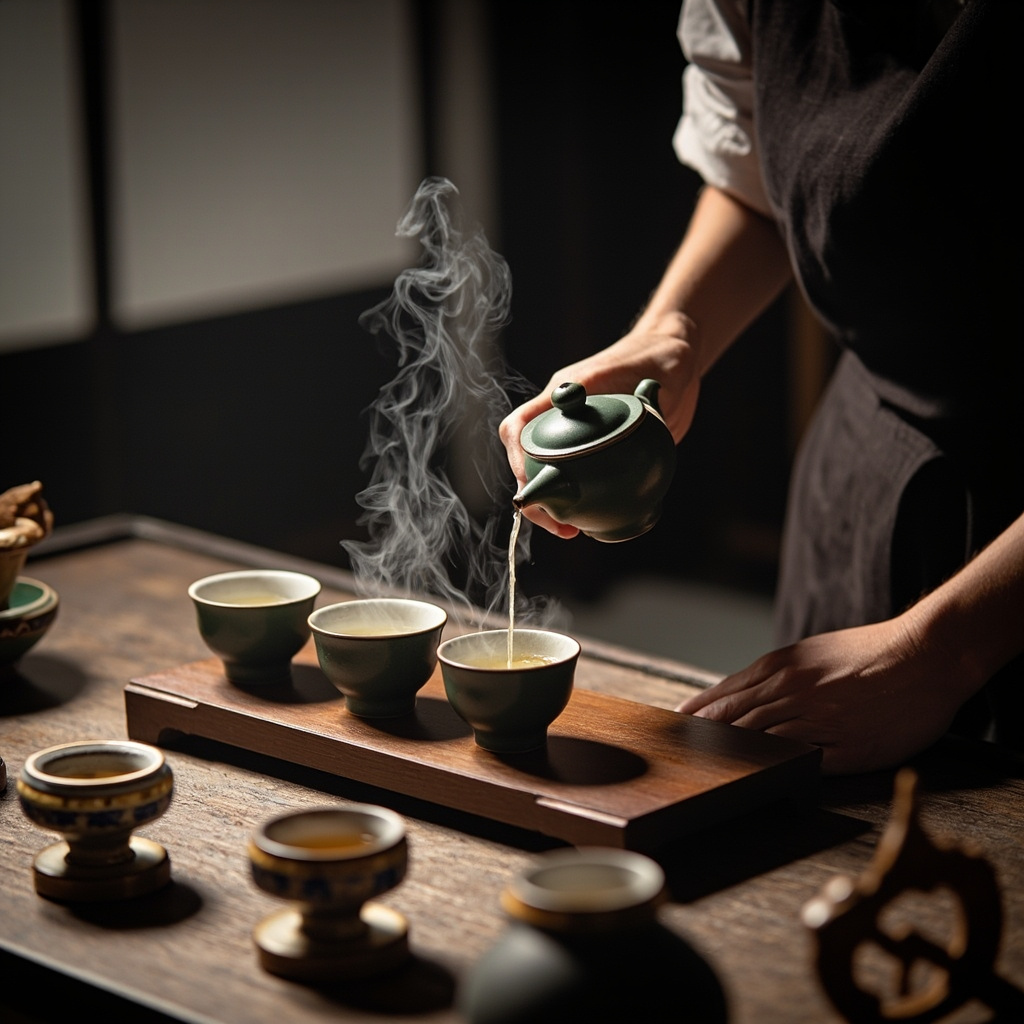
The history of tea in China begins in ancient mythology, with the legendary Emperor Shennong discovering tea around 2737 BCE when tea leaves accidentally fell into his boiling water. From these mythical origins, tea drinking evolved from medicinal use to daily beverage to artistic practice, becoming an integral part of Chinese culture that influenced poetry, painting, philosophy, and social customs. The Chinese word for tea, cha, has been adopted by languages worldwide, a testament to the global influence of Chinese tea culture.
Six Famous Tea Types
China produces six main tea types, each distinguished by its processing method and oxidation level. Green tea, the most popular type, is unoxidized and retains the natural green color of fresh leaves, offering fresh, grassy flavors with subtle sweetness. White tea is minimally processed, with young leaves simply withered and dried, producing a delicate, subtle flavor. Yellow tea undergoes a unique gentle fermentation process that gives it a distinctive yellow-green color and mellow taste. Oolong tea is partially oxidized, ranging from lightly oxidized varieties with floral notes to heavily oxidized types with rich, roasted flavors. Black tea, known as red tea in China, is fully oxidized, producing robust, malty flavors and dark liquor. Dark tea, including the famous pu-erh, undergoes microbial fermentation that creates earthy, complex flavors that improve with age. Each type includes numerous regional varieties that reflect local growing conditions and processing traditions.
Green Tea: Dragon Well
Longjing, or Dragon Well tea, from Hangzhou’s West Lake region represents the most famous Chinese green tea and sets the standard for green tea quality worldwide. The flat, sword-shaped leaves are hand-pressed during pan-firing, creating the characteristic flat appearance that distinguishes authentic Longjing from imitations. High-quality Longjing produces a clear, pale green liquor with a sweet, mellow flavor and subtle chestnut aroma. The best Longjing is harvested before the Qingming Festival in early April, when the young leaves contain the highest concentration of nutrients and flavor compounds. Genuine Longjing is produced in a small area around Hangzhou’s West Lake and carries protected geographical indication status, meaning only tea from this specific region can legally be called Longjing.
Tea Brewing Techniques and Equipment
Proper brewing is essential for experiencing the full flavor of Chinese teas, with each type requiring specific water temperature, steeping time, and vessel selection. Green and white teas require water temperatures around 75 to 80 degrees Celsius to avoid burning the delicate leaves, while oolong and black teas can handle near-boiling water. Yixing clay teapots from Jiangsu province are prized for brewing oolong and pu-erh teas because the unglazed clay absorbs tea oils over time, developing a patina that enhances the flavor of each subsequent brew. Gaiwan, lidded bowls with saucers, are versatile brewing vessels suitable for all tea types and allow the drinker to appreciate the tea’s aroma and leaf quality. Gongfu cha, meaning making tea with skill, is an elaborate brewing method that uses multiple short infusions with a high leaf-to-water ratio to extract the full complexity of high-quality teas.
Tea House Culture and Social Customs
Traditional Chinese tea houses serve as social gathering places where friends meet, business negotiations occur, and cultural performances entertain patrons. The atmosphere of a traditional tea house differs markedly from a coffee shop, emphasizing quiet conversation, mindfulness, and appreciation of the tea rather than quick consumption. Modern tea houses in major cities blend traditional practices with contemporary design, attracting younger customers who appreciate the aesthetic and health benefits of tea drinking. The social customs surrounding tea drinking include tapping the table with fingers to thank the person who pours tea, a practice said to originate from a Qing Dynasty emperor who used this gesture to maintain his incognito status while serving tea to his officials.
Health Benefits of Chinese Tea
Modern scientific research has confirmed many of the health benefits that Chinese tradition has attributed to tea for centuries. Tea contains antioxidants called catechins that neutralize free radicals and may reduce the risk of certain cancers. The amino acid L-theanine, found almost exclusively in tea leaves, promotes relaxation and mental clarity without drowsiness. Regular tea consumption has been linked to improved cardiovascular health, better bone density, and enhanced immune function. Traditional Chinese medicine has used tea medicinally for thousands of years, prescribing different tea types for different health conditions and seasonal needs. The health benefits of tea are maximized by drinking it without milk or sugar, as these additions can interfere with the absorption of beneficial compounds.
Conclusion
Chinese tea culture offers meditative practices and social connections that enrich daily life. Exploring tea traditions deepens understanding of Chinese daily life and provides a lifelong journey of discovery through China’s diverse tea regions and varieties. Whether enjoyed alone as a moment of quiet reflection or shared with friends in animated conversation, tea offers a connection to Chinese culture that transcends the beverage itself.
Tea Tourism in China
Tea tourism has become increasingly popular in China. Longjing tea village near Hangzhou West Lake offers tours of tea plantations where visitors can see how Dragon Well tea is grown and harvested. The Fujian province offers tours of Wuyi Mountain oolong tea plantations where visitors can taste famous rock teas. Yunnan tea regions offer visits to ancient tea forests where some tea trees are over 1,000 years old. Tea tourism experiences typically include plantation tours, processing demonstrations, tasting sessions, and opportunities to purchase tea directly from producers. Many tea tourism destinations offer accommodation in tea-themed hotels. Tea tourism provides a deeper understanding of Chinese tea culture and creates connections between consumers and producers.
Tea and Chinese Philosophy
The connection between tea drinking and Chinese philosophy runs deep in Chinese culture. The practice of drinking tea cultivates mindfulness, requiring attention to water temperature, steeping time, and the changing flavors of each infusion. The Daoist concept of wu wei is reflected in the skilled tea master whose movements appear effortless while achieving perfect results. The appreciation of tea flavor teaches patience and attention to subtle experiences. The social aspect of tea drinking creates connections that embody the Confucian value of harmonious relationships. Many Chinese tea practitioners describe their practice as a form of meditation, using the ritual of tea preparation as a focus for developing calm awareness.
Tea and Health: What Science Says
Modern scientific research has confirmed many traditional beliefs about tea health benefits. Green tea catechins, particularly epigallocatechin gallate, are powerful antioxidants that neutralize free radicals and may reduce cancer risk. Studies suggest regular green tea consumption is associated with lower rates of breast, prostate, and colorectal cancer. The L-theanine in tea promotes alpha brain wave activity associated with relaxed alertness, explaining the calm focus tea drinkers report. Tea flavonoids support cardiovascular health by improving blood vessel function and reducing inflammation. Regular tea drinkers show lower rates of heart disease and stroke in population studies. Tea moderate caffeine content provides gentle stimulation without the jitters associated with coffee. The fluoride content of tea supports dental health, though very high consumption may cause fluorosis. Drinking tea without milk or sugar maximizes health benefits, as milk proteins may bind to antioxidants and reduce their absorption. Three to five cups of tea daily provides optimal health benefits without the risks associated with excessive caffeine consumption.
Tea Ceremonies Around the World
The Chinese tea ceremony tradition has influenced tea cultures throughout East Asia and around the world. The Japanese tea ceremony, known as chanoyu, was heavily influenced by Chinese tea practices brought to Japan by Buddhist monks. The Japanese ceremony emphasizes Zen Buddhist aesthetics of simplicity, imperfection, and mindfulness. The British afternoon tea tradition, while less formal, similarly creates a ritual around tea drinking that emphasizes social connection and appreciation of food and drink. Taiwanese tea culture has developed its own distinctive approach to gongfu cha, emphasizing multiple short infusions of high-quality oolong teas in small vessels. Modern tea ceremonies in China blend traditional elements with contemporary preferences, creating accessible versions that maintain the spirit of the tradition. Tea ceremonies have adapted for the digital age, with online tea tastings and virtual tea ceremonies connecting tea lovers across distances. The universality of tea ceremonies reflects something fundamental about human appreciation for moments of mindful connection, whether with ourselves or with others, that tea facilitates across cultures.