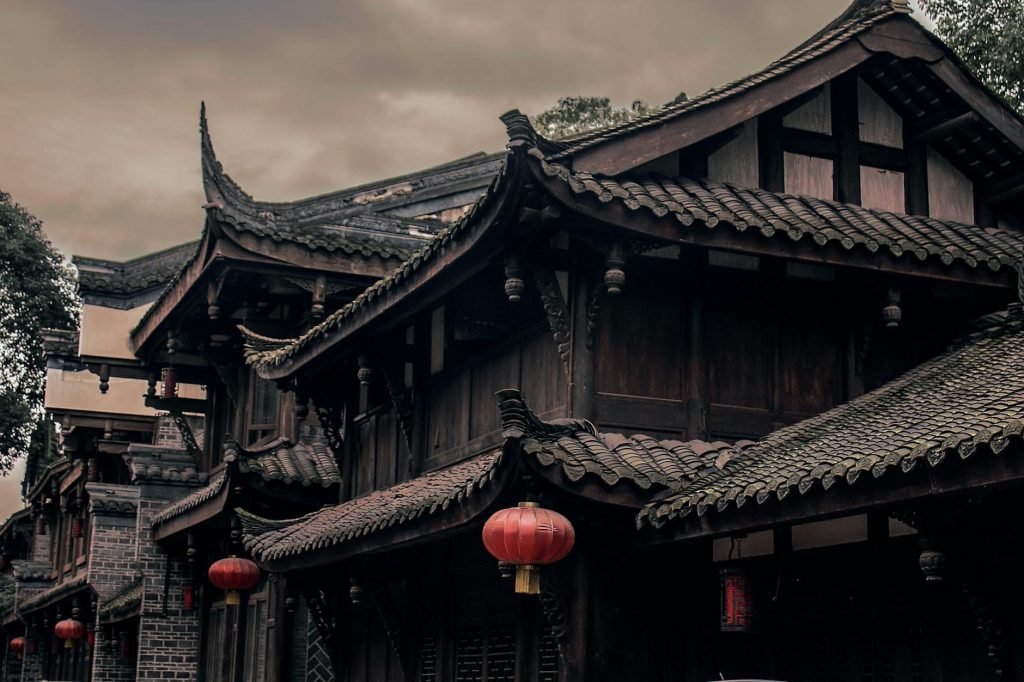
Embark on an extraordinary 14-day journey through China’s most historically significant destinations along the legendary Heritage Route. This carefully planned itinerary connects Beijing’s imperial wonders with Xi’an’s ancient armies, Luoyang’s Buddhist grottoes, and Guilin’s magical karst landscapes, creating a travel experience that spans thousands of years of Chinese civilization. Each destination along this route reveals a different chapter of China’s rich history, from the earliest dynasties to the imperial grandeur of the Ming and Qing empires.
The Heritage Route concept was inspired by the ancient Silk Road that connected China’s cultural capitals, but this modern interpretation focuses on the most accessible and spectacular historical sites that tell the complete story of Chinese civilization. The route benefits from China’s excellent high-speed rail network, which makes traveling between these cities convenient and comfortable. Each segment of the journey offers unique insights into different aspects of Chinese culture, from imperial politics and military history to religious devotion and artistic achievement.
Days 1-4: Imperial Beijing
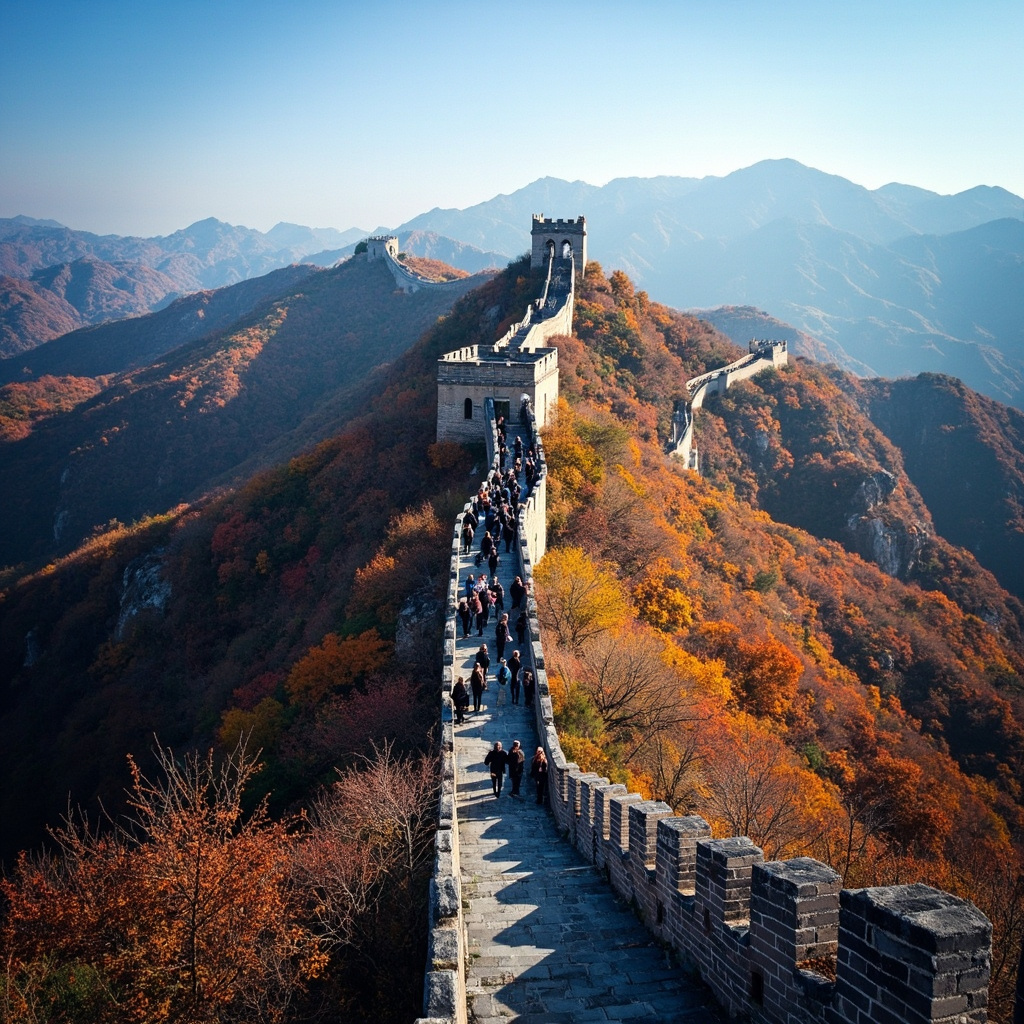
Begin your heritage adventure in Beijing, China’s historic capital that hosted emperors for eight centuries across the Ming and Qing dynasties. The Forbidden City, also known as the Imperial Palace, requires at least one full day to explore its 980 buildings and 9,999 rooms that housed 24 emperors. The Palace Museum within contains one of the world’s greatest collections of Chinese art and artifacts. The Great Wall at Mutianyu offers dramatic encounters with ancient engineering without the overwhelming crowds of the Badaling section. Other essential Beijing experiences include the Temple of Heaven, where emperors performed annual ceremonies to ensure good harvests, and the Summer Palace with its serene Kunming Lake and elaborate imperial gardens. Evening Peking duck dinners and traditional hutong alley explorations round out the Beijing experience.
Days 5-7: Ancient Xi’an
High-speed rail connects Beijing to Xi’an in just four and a half hours, whisking you from the modern capital to the ancient capital that served China’s first emperor. The Terracotta Army, discovered by farmers in 1974, continues to reveal secrets of Emperor Qin Shi Huang’s mausoleum, with thousands of life-sized warriors, horses, and chariots standing guard in underground chambers. Xi’an’s Ancient City Wall, the best-preserved city wall in China, offers cycling or walking opportunities atop walls that have protected the city for 600 years. The Muslim Quarter, centered around the Great Mosque, provides a fascinating glimpse into Xi’an’s historic role as the Silk Road’s eastern terminus, with markets selling hand-pulled noodles, lamb skewers, and traditional crafts. The Shaanxi History Museum houses an outstanding collection of artifacts spanning China’s entire dynastic history.
Days 8-10: Luoyang and Shaolin
Travel to Luoyang to witness Buddhist heritage at the Longmen Grottoes, where Tang Dynasty artisans carved 100,000 Buddha figures into limestone cliffs over 400 years. The largest Buddha statue stands 17 meters tall and continues to inspire awe. A day trip to Songshan Mountain includes both the Shaolin Temple, birthplace of Chinese martial arts, and the Songshan Pagoda Forest, where Buddhist monks have been buried for centuries. The Shaolin Temple offers regular kung fu performances by the famous warrior monks, demonstrating the martial arts tradition that has made this temple world-famous. The nearby White Horse Temple, China’s first Buddhist temple, adds another layer of religious history to this region rich in spiritual heritage.
Days 11-14: Guilin and Yangshuo
Fly or take high-speed rail to Guilin to experience China’s most scenic karst landscape, where limestone peaks rise dramatically from the earth like giant dragon’s teeth. Li River cruises from Guilin to Yangshuo pass through landscapes that have inspired Chinese painters for centuries, with dramatic limestone peaks reflected in the gentle waters of the river. Yangshuo offers cycling trails that navigate through rice paddies, ancient villages, and dramatic karst formations, allowing visitors to experience the countryside up close. Evening performances of the Impression Liu Sanjie show, directed by Zhang Yimou, use the natural landscape as a stage for spectacular light and music productions. Rock climbing, bamboo rafting, and cooking classes provide additional activities for adventurous travelers.
Conclusion
This Heritage Route journey creates profound connections to Chinese civilization through its most significant historical destinations. Allow buffer days for unexpected discoveries that inevitably enrich any heritage journey. The combination of world-class historical sites, comfortable transportation, and diverse regional cultures makes this itinerary an unforgettable exploration of China’s magnificent past and dynamic present.
Packing Essentials for the Heritage Route
Packing appropriately for this diverse itinerary requires preparation for different climates and activities. Comfortable walking shoes are the most important item, as you will be doing significant walking at historical sites, on city walls, and through temple complexes. Layered clothing allows adaptation to temperature changes between air-conditioned trains and outdoor sites. Sun protection including hat, sunscreen, and sunglasses is essential, especially at high-altitude destinations and during summer months. A reusable water bottle helps stay hydrated while reducing plastic waste, though remember that only bottled or boiled water is safe for drinking. Power banks are essential as you will use your phone extensively for navigation, translation, and photography throughout the day. Basic medications including motion sickness pills, digestive aids, and pain relievers should be carried as pharmacy items in China may be unfamiliar.
Budget Planning Tips
Planning a budget for this Heritage Route itinerary requires understanding the cost structure of Chinese travel. High-speed rail tickets between cities are reasonably priced, with second-class seats offering good comfort at the best value. Accommodation ranges from budget hostels starting around 100 yuan per night to luxury hotels exceeding 1,000 yuan, with mid-range hotels around 300 to 500 yuan offering the best value for most travelers. Food costs are generally low, with street food meals costing 15 to 30 yuan and restaurant meals 50 to 150 yuan per person. Entrance fees for major attractions range from 60 to 200 yuan and should be budgeted accordingly. Booking trains and accommodation in advance, especially during peak seasons, secures better prices and availability.
Connectivity and Communication
Staying connected while traveling the Heritage Route requires planning. A Chinese SIM card purchased at the airport provides reliable data and voice service throughout the trip, with packages offering generous data allowances at reasonable prices. Hotel Wi-Fi is generally reliable in cities but may be slower in rural areas. Downloading offline maps and translation tools before departure provides backup when internet access is limited. WeChat is essential for communication in China, as it serves as both messaging platform and payment system. Learning basic Chinese phrases like hello, thank you, how much, and where is the bathroom greatly enhances your travel experience and is appreciated by locals.
Traveling During Chinese Holidays
Understanding how Chinese holidays affect travel on the Heritage Route helps you plan around crowds and prioritize your itinerary. National Day Golden Week from October 1 to 7 is the busiest travel period, with all attractions experiencing extreme crowding, transportation sold out weeks in advance, and accommodation prices at their peak. Chinese New Year around January or February sees mass migration as workers return to hometowns, making long-distance travel difficult but leaving tourist cities like Beijing and Shanghai relatively quiet. The Labor Day holiday in early May creates another peak period, though shorter than National Day. If your travel dates are flexible, avoiding these holiday periods provides a more comfortable experience with shorter queues and lower prices. If you must travel during holidays, booking everything months in advance is essential, and visiting major attractions early in the morning or later in the afternoon helps avoid the worst crowds.
Solo Travel on the Heritage Route
Traveling the Heritage Route solo is entirely feasible and offers unique advantages for independent travelers. Solo travelers enjoy greater flexibility in itinerary planning, able to adjust schedules spontaneously based on energy levels and interests. China excellent public transportation and well-developed tourist infrastructure make solo travel practical, though some aspects require additional planning. Eating alone in restaurants may attract attention, as communal dining is the norm, but street food and casual noodle shops are perfect for solo dining. Joining group day tours at major sites provides opportunities to meet other travelers and share transportation costs. Hostels and budget hotels in all Heritage Route cities offer dormitory accommodations ideal for solo travelers seeking social connections.