Shanghai, China’s largest city and global financial hub, offers visitors an extraordinary blend of colonial heritage and futuristic innovation. As the gateway to modern China, this magnificent metropolis on the Huangpu River captivates travelers with its world-class attractions, culinary diversity, and relentless energy. Shanghai’s transformation from a small fishing village to one of the world’s most dynamic cities is a story of remarkable ambition and achievement that continues to unfold today.
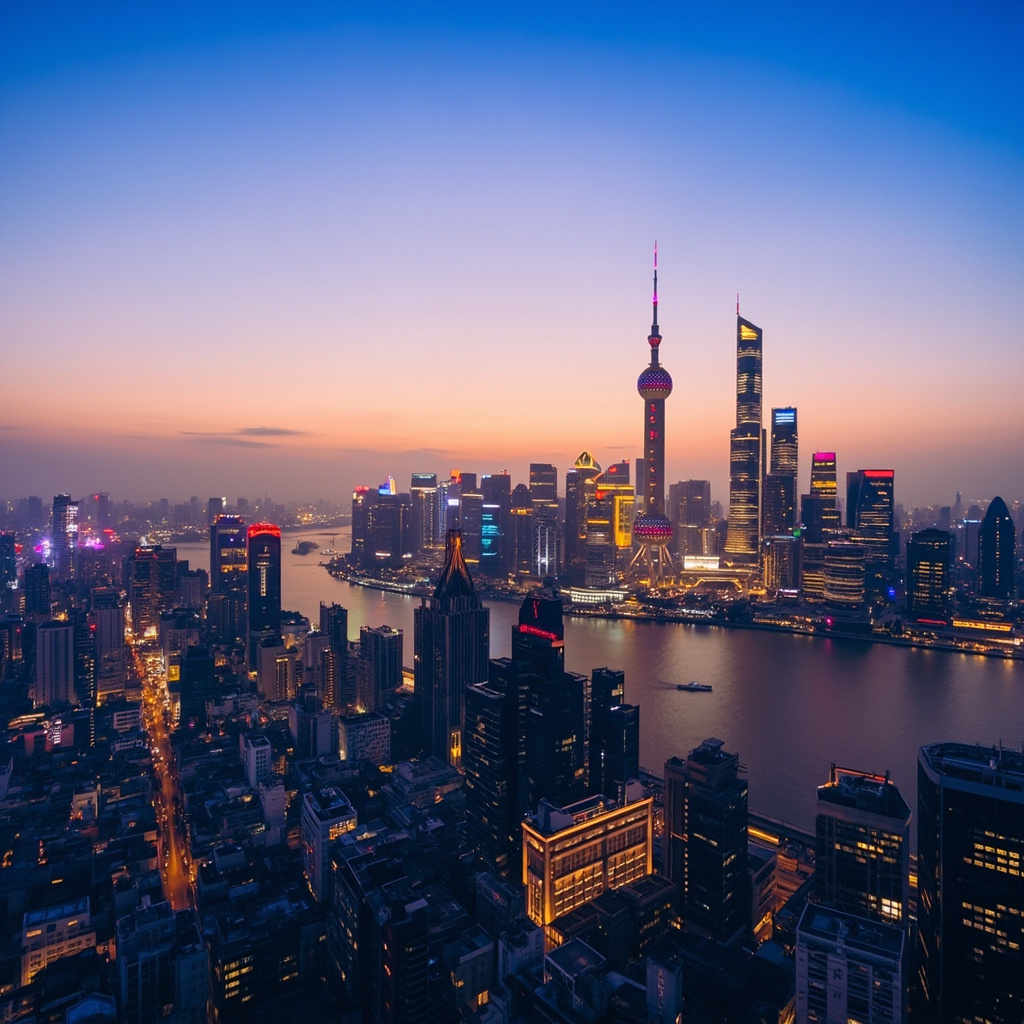
Shanghai sits at the mouth of the Yangtze River delta on China’s eastern coast. The city is divided into two main areas by the Huangpu River: Puxi on the west bank contains most tourist attractions, historic architecture, and the famous Bund waterfront, while Pudong on the east bank showcases Shanghai’s futuristic skyline with landmarks like the Oriental Pearl Tower and Shanghai Tower. This geographical division creates two distinct cities in one, with Puxi preserving the colonial charm of old Shanghai and Pudong representing the city’s modern ambitions. Visitors can spend days exploring both sides and still only scratch the surface of what Shanghai offers.
Top Shanghai Attractions
Shanghai’s attractions range from world-class museums to historic temples and cutting-edge entertainment venues. The Bund remains Shanghai’s most recognizable landmark, where colonial-era buildings from 52 different countries line the Huangpu River waterfront, creating an open-air museum of architectural styles that tells the story of Shanghai’s international trading heritage. Yu Garden, dating back to the Ming Dynasty, provides a peaceful escape from urban chaos with its classical Chinese garden design, complete with rockeries, ponds, and pavilions. The Shanghai Tower, China’s tallest building, offers observation decks with breathtaking views of the entire city from over 500 meters above ground. For art lovers, the Power Station of Art and the China Art Museum showcase both traditional and contemporary Chinese art in spectacular settings. Families will enjoy Shanghai Disneyland, a unique interpretation of the classic theme park that incorporates Chinese cultural elements.
Shanghai Metro System
Shanghai’s metro system ranks among the world’s most extensive and efficient, with 19 lines and over 500 stations covering every corner of the city. English signage throughout makes navigation straightforward for foreign visitors, and the system operates from around 5 AM to 11 PM daily. Tickets can be purchased at automated machines that accept cash and mobile payments, or visitors can use their Alipay account for direct entry. The metro is the fastest and most reliable way to get around Shanghai, avoiding the notorious traffic congestion that can slow taxis and buses significantly during peak hours. Key transfer stations like People’s Square and Century Avenue connect multiple lines and serve as convenient hubs for exploring different parts of the city.
Shanghai Cuisine
Shanghai’s culinary scene reflects its cosmopolitan character, offering everything from humble street snacks to world-renowned fine dining. Must-try dishes include xiaolongbao, soup dumplings filled with pork and a rich broth that bursts when bitten; shengjian bao, pan-fried pork buns with a crispy bottom and juicy filling; and braised pork belly, known as hong shao rou, cooked until meltingly tender in a sweet soy sauce glaze. The city’s food streets, particularly in the Yuyuan Garden area and the French Concession, offer countless opportunities to sample local specialties. For a truly authentic experience, visit a traditional Shanghai morning market where vendors sell freshly made breakfast items like scallion pancakes, rice rolls, and savory soybean milk.
Best Neighborhoods for Food Lovers
The Yuyuan Garden Bazaar surrounding the historic garden offers countless food vendors and restaurants serving local delicacies in a traditional atmosphere. The Old City demonstrates authentic local eating habits, with narrow lanes hiding family-run restaurants that have served the same recipes for generations. The French Concession features upscale establishments and international cuisine, offering a taste of Shanghai’s cosmopolitan character. For the most authentic experience, venture into residential neighborhoods where small restaurants serve workers and families, offering the best value and most genuine flavors.
When to Visit Shanghai
Spring from March to May and autumn from September to November offer the most comfortable weather for sightseeing, with mild temperatures and lower humidity. Summer months are hot and humid with frequent rain, while winters can be cold but rarely snow. The Shanghai International Arts Festival in autumn and the Chinese New Year celebrations in winter offer special cultural experiences. Peak tourist seasons during Chinese National Day in October and Chinese New Year see large crowds and higher prices, so planning ahead is essential for visits during these periods.
Conclusion
Shanghai rewards curious travelers with endless discoveries, from colonial architecture to cutting-edge innovation. Allow at least three to four days to explore major attractions while experiencing local culture, and consider longer stays if you want to explore beyond the city center. Shanghai’s energy, diversity, and constant evolution ensure that every visit offers something new.
Shanghai Shopping Guide
Shanghai offers world-class shopping experiences from luxury boutiques to traditional markets. Nanjing Road, one of the world longest shopping streets, stretches for 5.5 kilometers and contains hundreds of stores ranging from international brands to local specialties. The Bund area features luxury flagship stores in historic buildings, creating a shopping experience that combines retail with architectural appreciation. Tianzifang, a maze of narrow lanes in the French Concession, offers boutique shops selling crafts, clothing, and artwork in a charming setting. Yu Garden Bazaar surrounds the historic garden with traditional shops selling Chinese crafts, tea, and souvenirs. For electronics and gadgets, the Nanjing Road area and Xujiahui district offer massive electronics malls with competitive prices. Remember to bargain at markets and small shops, as prices are often inflated for tourists.
Nightlife and Entertainment
Shanghai nightlife offers endless options from sophisticated cocktail bars to energetic dance clubs. The Bund area features some of the city most luxurious bars with spectacular views of the Pudong skyline across the Huangpu River. The French Concession offers intimate wine bars, craft beer pubs, and live music venues in charming streets lined with plane trees. The Jingan district has become a hub for trendy bars and restaurants popular with Shanghai young professionals. For cultural entertainment, the Shanghai Grand Theatre and the Oriental Art Center host world-class performances including ballet, opera, and symphony concerts. The Shanghai Acrobatics Troupe performs nightly shows that amaze audiences with incredible physical feats, offering entertainment suitable for all ages.
Day Trips from Shanghai
Several excellent day trips from Shanghai provide opportunities to experience different aspects of Chinese culture and nature. Suzhou, known as the Venice of the East, is just 30 minutes away by high-speed train and offers classical Chinese gardens, silk factories, and historic canals. Zhujiajiao, a water town within Shanghai municipality, provides a glimpse of traditional Jiangnan life with its ancient bridges and canals. Hangzhou, about one hour by train, features West Lake, one of China most famous scenic spots, surrounded by temples, gardens, and tea plantations. Each of these destinations provides a different perspective on the region culture and history that complements the Shanghai urban experience.
Shanghai Museums and Cultural Institutions
Shanghai museums offer world-class collections that provide depth to understanding Chinese culture and history. The Shanghai Museum in People’s Square houses one of China finest collections of ancient Chinese art, including bronze vessels, ceramics, calligraphy, and paintings that span thousands of years. Admission is free but requires advance booking during peak seasons. The China Art Museum, located in the former China Pavilion from the 2010 World Expo, showcases modern and contemporary Chinese art in spectacular gallery spaces. The Museum of Contemporary Art Shanghai features rotating exhibitions of international contemporary art, often including works by leading Chinese artists. The Natural History Museum, with its striking modern building, offers fascinating exhibits on natural history and biodiversity, popular with families. The Power Station of Art, converted from a former power plant, presents cutting-edge contemporary exhibitions in dramatic industrial spaces.
Shanghai Parks and Gardens
Despite its reputation as a concrete jungle, Shanghai offers several beautiful parks and gardens that provide peaceful retreats from the urban bustle. Yu Garden, the most famous classical garden in Shanghai, features intricately designed pavilions, rockeries, and ponds that create a miniature paradise within the old city. The garden, dating from the Ming Dynasty, demonstrates the principles of Chinese garden design at their finest. People’s Park, located in the heart of the city, offers green space popular with locals practicing Tai Chi, playing cards, and socializing in the traditional Shanghai manner. Fuxing Park in the French Concession features beautiful formal gardens and plane tree-lined avenues that reflect the area colonial heritage. The Shanghai Botanical Garden offers extensive plant collections and seasonal flower displays, with especially beautiful cherry blossoms in spring and chrysanthemums in autumn.