
Chinese dining etiquette represents one of the world’s most sophisticated food cultures, with customs refined over thousands of years of shared meals and social interaction. Understanding these traditions enriches appreciation for Chinese cuisine while demonstrating respect when dining with Chinese hosts or visiting China. From the way chopsticks are held to the protocols governing toast exchanges, Chinese dining etiquette encodes social relationships, hierarchical respect, and communal harmony into every aspect of the dining experience.
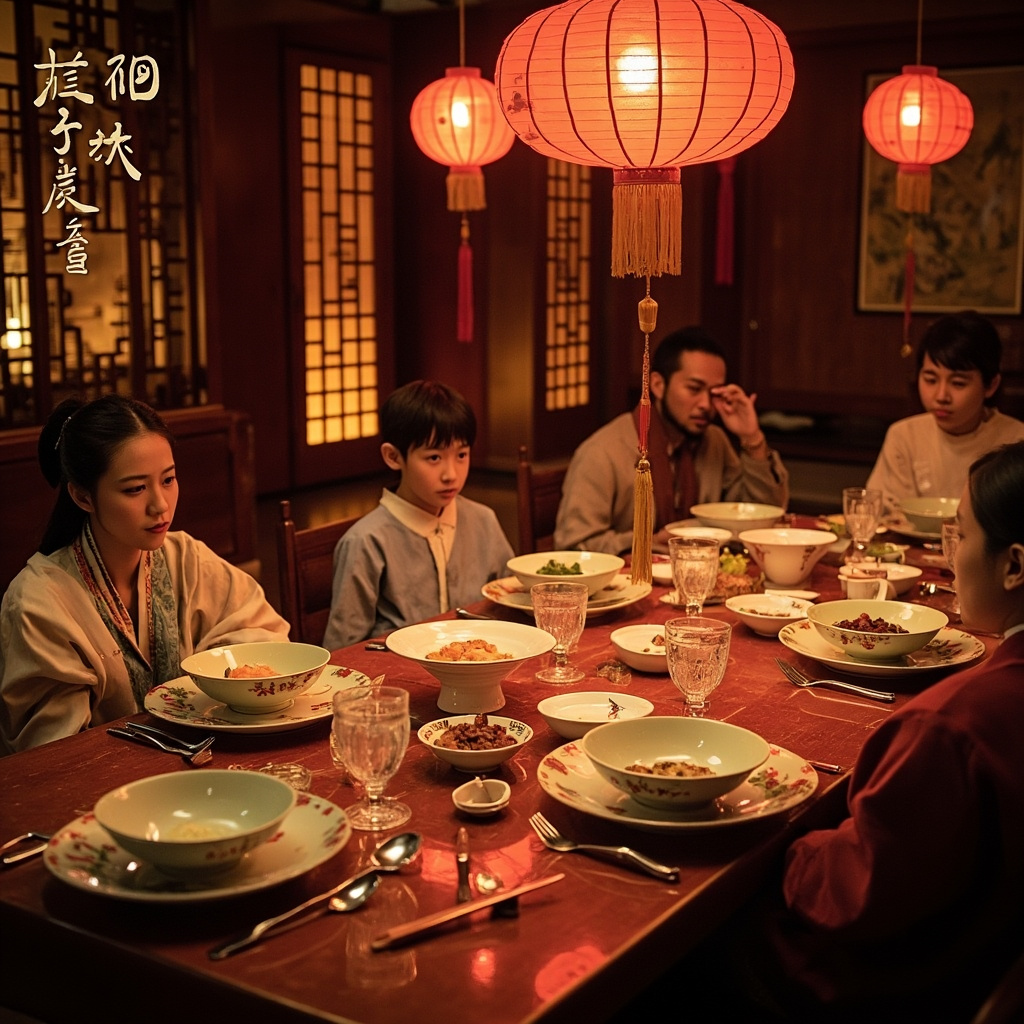
The foundation of Chinese dining etiquette centers on showing respect to elders, guests, and hosts through various customs and behaviors that reflect Confucian values emphasizing proper social relationships and filial piety. In traditional Chinese culture, the dining table serves not merely as a place to eat but as a venue for strengthening social bonds, conducting business relationships, and honoring family connections. Understanding these deeper meanings helps visitors navigate Chinese dining situations with confidence and grace.
Chopstick Etiquette
Several chopstick uses carry strong negative connotations and should be strictly avoided. Pointing with chopsticks at someone or something suggests accusation or anger and is considered highly rude. Standing chopsticks vertically in a bowl of rice resembles incense sticks placed at funerals and is associated with death and mourning. Passing food directly from your chopsticks to someone else’s chopsticks mirrors the funeral custom of passing cremated bones and should never be done. Instead, place shared food onto the other person’s plate or into a serving dish. Using chopsticks to spear food rather than pick it up suggests laziness and poor manners. Additionally, chopsticks should not be used to stir shared dishes or search through them for choice pieces, as this is considered unhygienic and greedy.
Seating Arrangements and Protocol
Chinese seating arrangements follow strict protocols reflecting social hierarchy and relationship status. The seat facing the entrance traditionally honors the most senior elder or distinguished guest, as this position commands the best view of the room and symbolizes authority. The host typically sits nearest the kitchen door to coordinate service, while the honored guest sits to the host’s right. Younger family members and those of lower status sit further from the host. In modern restaurants, the host will generally indicate where each person should sit, so it is polite to wait for direction rather than choosing your own seat. When in doubt, wait to be seated and accept the position offered without objection.
Communal Dining Traditions
Chinese dining typically features shared dishes placed centrally, with everyone eating from common vessels rather than individual plates. This communal style reflects the culture’s emphasis on group harmony and sharing. Chinese hospitality dictates that hosts serve guests before serving themselves, and guests should wait for the host to invite them to begin eating. It is customary for the host to place choice pieces of food onto guests plates using serving chopsticks or the opposite end of their own chopsticks. Guests should accept offered food graciously, even if only a small amount. When taking food from shared dishes, it is polite to take from the side facing you rather than reaching across the dish. The turntable on round tables should be rotated slowly and only when no one is taking food.
Drinking Customs and Toasting
Tea accompanies most Chinese meals, with hosts refilling guest cups throughout the dining experience. When someone refills your teacup, it is polite to tap the table twice with your index and middle fingers as a gesture of thanks. Traditional Chinese spirits called baijiu accompany formal dinners, with elaborate toasting customs governing alcohol consumption. When toasting, the junior person should hold their glass lower than the senior person’s glass as a sign of respect. It is customary to fill others glasses before filling your own. The common toast phrase is ganbei, meaning dry glass, which signals that the entire drink should be consumed in one go.
Meal Conclusion and Departure
Guests should wait for the most senior person or honored guest to signal meal completion before preparing to leave. Before departing, guests typically thank hosts profusely for their hospitality, complimenting the food and the host’s generosity. It is considered polite to leave a small amount of food on your plate to indicate that you have been fully satisfied, as cleaning your plate completely might suggest the host did not provide enough food. In some regions, the host may insist on walking guests to their car or to the street as a final gesture of respect.
Conclusion
Chinese table manners encode centuries of social wisdom into practical behaviors that guide communal dining experiences. Approaching Chinese dining with genuine interest and willingness to learn earns appreciation from hosts and enriches your understanding of this remarkable culture. The most important rule is to observe what others are doing and follow their lead, which will serve you well in any dining situation.
Gift Giving Etiquette
Bringing gifts when invited to a Chinese home is expected and shows respect for the host. Suitable gifts include quality tea, fruit, wine, or sweets, presented in even numbers except four, which is associated with death. Gifts should be wrapped in red or gold paper, avoiding white or black which are associated with funerals. Gifts are traditionally refused several times before being accepted, so persist politely. When presenting the gift, use both hands and offer it with a slight bow. The host will typically open the gift after guests leave rather than in front of them. Expensive gifts can embarrass hosts by creating an obligation to reciprocate appropriately, so thoughtful but modest gifts are most appreciated.
Dining with Chinese Colleagues
Business dining in China follows its own protocols that differ from social dining. Business meals typically begin with the host making a short welcoming toast, after which everyone can begin eating. Serious business discussions rarely occur during the meal itself, with the dinner serving as a relationship-building opportunity before formal negotiations. The host will typically order food for the entire table, selecting a variety of dishes that demonstrate generosity and thoughtfulness. Guests should not order for themselves unless specifically invited to do so. When the meal concludes, guests may offer to pay, but the host will insist on paying as the meal was their invitation. Accept graciously and express thanks, perhaps offering to host the next meal in return.
Regional Dining Customs
Chinese dining customs vary significantly by region, and understanding these differences enhances your dining experience across China. In Cantonese dining, washing dishes and utensils with hot tea before the meal is a common practice that serves both hygienic and ritual purposes. In Shanghai, cold appetizers are typically served before hot dishes, and soup appears toward the end of the meal rather than the beginning. In Sichuan, diners are offered a small bowl of vinegar for dipping, which helps cut through the oil and spice of the region cuisine. In northern China, it is common to order extra noodles or dumplings at the end of the meal if guests are still hungry, as hospitality demands that no guest leaves the table unsatisfied.
Navigating Dietary Restrictions and Allergies
Communicating dietary restrictions in Chinese dining situations requires preparation, as food allergies are less commonly understood in China than in Western countries. The most common food allergens in Chinese cooking include peanuts, tree nuts, shellfish, and gluten from soy sauce. Learning to say I am allergic to peanuts in Mandarin, or carrying a printed card explaining your allergies in Chinese characters, can be lifesaving. Many Chinese dishes contain hidden ingredients like soy sauce which contains wheat, oyster sauce, and fermented bean pastes that may contain allergens. In restaurant settings, communicating clearly with the server about allergies is essential, and it may be helpful to speak with the chef directly if possible. For those with celiac disease or gluten sensitivity, finding safe options requires extra caution as soy sauce is used in nearly every savory dish. Some restaurants in major cities now offer gluten-free options, but this remains uncommon outside of international hotels and Western-oriented establishments.
Modern Changes in Chinese Dining Etiquette
Chinese dining etiquette continues to evolve in response to changing social norms, health concerns, and international influences. The use of serving chopsticks for taking food from shared dishes has become more common, especially in formal settings and since the COVID-19 pandemic increased awareness of germ transmission. Some younger Chinese diners now prefer individual portions rather than traditional shared dishes when dining casually. The practice of toasting with hard liquor has become less compulsory in business settings, with many professionals opting for tea or soft drinks without causing offense. Mobile phone use at the table, once considered extremely rude, has become more tolerated in casual settings, though formal dinners still expect phones to be put away. Understanding these modern trends helps visitors navigate Chinese dining situations without inadvertently following outdated etiquette rules that even Chinese people no longer observe strictly.