
Entering the world of Chinese cooking requires understanding the unique ingredients that define this ancient culinary tradition. From aromatic sauces to distinctive seasonings, each component brings something essential to the symphony of flavors that characterizes authentic Chinese cuisine. This comprehensive guide introduces the fundamental ingredients every home cook needs to begin their journey into Chinese cooking, whether you are stocking your first Chinese pantry or seeking to understand the components in restaurant dishes.
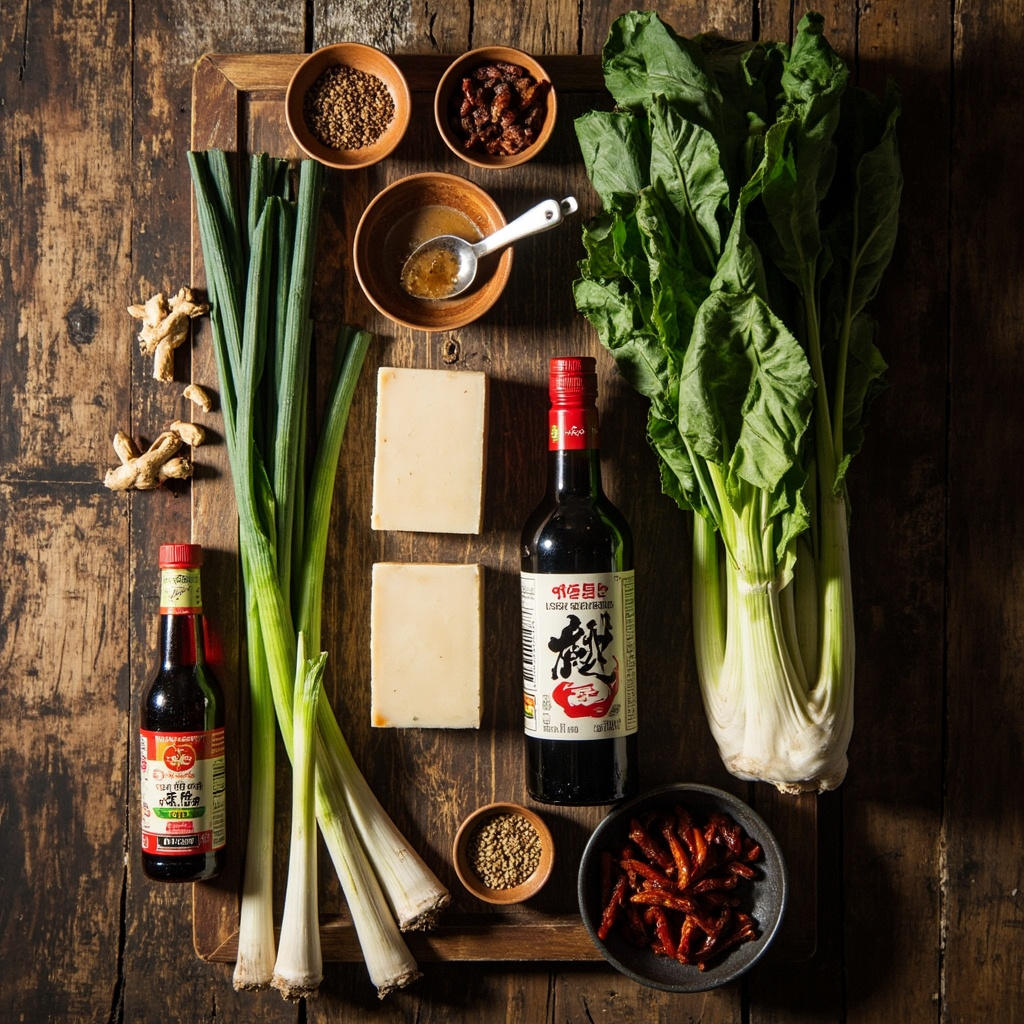
Chinese cuisine, with its rich history spanning thousands of years, has developed an extraordinarily sophisticated approach to seasoning and flavor building. Unlike Western cooking, which often relies on individual herbs and spices, Chinese cooking builds flavor layers through carefully balanced combinations of sauces, aromatics, and condiments that work together in harmony. Understanding these ingredients is the first step toward recreating authentic Chinese flavors in your own kitchen.
Sauces: The Flavor Foundation
Chinese cooking relies heavily on sauces that provide depth, umami, and complexity to dishes. Soy sauce serves as the cornerstone of Chinese seasoning, available in two main varieties: light soy sauce for salting and dark soy sauce for color and deeper flavor. Oyster sauce delivers rich umami flavor with a slightly sweet undertone, making it essential for many vegetable and meat dishes. Hoisin sauce, made from fermented soybean paste, provides sweetness and complexity to stir-fries and marinades. Shaoxing wine, a fermented rice wine, adds depth and aroma to sauces and marinades, while Chinkiang black vinegar contributes mild acidity and complexity. Each of these sauces plays a specific role in Chinese cooking, and understanding when to use each one is key to achieving authentic results.
Aromatics: Building Flavor Layers
Chinese cooking builds flavor through aromatic ingredients cooked at high heat to release their essential oils and fragrances. Fresh ginger provides warm, slightly sweet spice that forms the base of countless Chinese dishes. Garlic delivers pungent, savory depth and is used in nearly every savory Chinese recipe. Scallions provide mild onion flavor and visual appeal as both a cooking ingredient and garnish. These three aromatics, often called the holy trinity of Chinese cooking, are typically the first ingredients to hit the hot wok, creating the aromatic foundation upon which the rest of the dish is built. The order of adding aromatics matters, with ginger typically added first as it requires the most time to release its flavor, followed by garlic and then scallions.
Seasonings and Condiments
Beyond sauces, Chinese cooking employs various seasonings and condiments that add distinctive character to dishes. Sichuan peppercorns deliver the signature mala numbing sensation unique to Sichuan cuisine, creating a tingling sensation that transforms the eating experience. Chili bean paste, also known as doubanjiang, provides deep, complex spiciness and is the foundation of many Sichuan dishes like mapo tofu. Fermented bean curd adds intense umami and a creamy texture to braised dishes and marinades. White pepper, used more commonly than black pepper in Chinese cooking, provides a milder heat that complements delicate flavors without overpowering them. Sesame oil, used primarily as a finishing oil rather than a cooking oil, adds a nutty aroma that elevates any dish.
Building Your Chinese Pantry
Starting a Chinese pantry requires strategic selection of versatile ingredients that provide the widest range of cooking possibilities. Essential items include at least two types of soy sauce, Shaoxing wine, Chinkiang vinegar, sesame oil, cornstarch for velveting meat and thickening sauces, dried chilies, Sichuan peppercorns, and good-quality oyster sauce. Fresh ingredients like ginger, garlic, and scallions should be purchased regularly as needed. Investing in the best-quality soy sauce and oyster sauce you can find makes a noticeable difference in the final taste of your dishes. As you gain experience, you can expand your pantry to include more specialized ingredients like fermented black beans, dried shrimp, and various chili pastes.
Conclusion
Understanding Chinese ingredients empowers home cooks to explore this remarkable culinary tradition with confidence. Each component brings unique qualities that combine into the extraordinary flavors defining authentic Chinese cuisine. Start with the basics, experiment with different combinations, and you will soon be creating delicious Chinese dishes in your own kitchen.
Essential Tools for Chinese Cooking
Beyond ingredients, having the right tools makes Chinese cooking much easier and produces better results. A wok is the most important tool, with carbon steel woks being preferred for their heat distribution and ability to achieve wok hei, the characteristic smoky flavor of properly wok-cooked food. A good cleaver serves as a multi-purpose knife that can slice, chop, mince, and even crush garlic with its flat side. A bamboo steamer allows you to prepare dumplings, buns, and vegetables using healthy steaming methods. A spider strainer is essential for lifting foods from hot oil when deep-frying. A clay pot is perfect for slow-braising dishes that benefit from even, gentle heat distribution. These tools, combined with quality ingredients, will enable you to recreate authentic Chinese dishes at home.
Understanding Chinese Cooking Techniques
Chinese cooking employs several distinctive techniques that home cooks should understand. Stir-frying involves cooking ingredients quickly over very high heat while constantly moving them in the wok. Velveting is a technique where meat is marinated with egg white, cornstarch, and seasonings before being briefly cooked in oil or water, creating an exceptionally tender texture. Red braising involves slowly simmering ingredients in a mixture of soy sauce, sugar, and aromatics until they become tender and develop a deep, rich color. Steaming preserves the natural flavors and nutrients of ingredients while cooking them gently and evenly. Each technique serves specific purposes and produces different results, and mastering them expands your culinary repertoire significantly.
Seasonal Chinese Ingredients
Chinese cooking emphasizes seasonal ingredients, with different vegetables and produce available throughout the year. Spring brings fresh bamboo shoots, pea shoots, and garlic chives that add bright, fresh flavors to dishes. Summer offers abundance with bitter melon, lotus root, okra, and water spinach reaching their peak. Autumn provides mushrooms, chestnuts, and winter melon that add earthy depth to braised dishes. Winter features Napa cabbage, daikon radish, and taro that store well and provide hearty comfort in cold weather. Cooking with seasonal ingredients not only produces better-tasting dishes but also connects your cooking to the natural rhythms that Chinese culinary tradition has always respected.
Regional Pantry Variations
Chinese pantry ingredients vary significantly by region, reflecting local agricultural production and culinary preferences. Northern Chinese pantries emphasize wheat-based products like soy sauce, vinegar, and fermented pastes used in noodle dishes and dumplings. The famous Shanxi vinegar, aged for years in clay pots, provides the deep, complex acidity that characterizes northern cooking. Sichuan pantries are distinguished by their extensive use of chili products, including fresh, dried, and fermented forms, along with the essential Sichuan peppercorns that define the region cuisine. Cantonese pantries emphasize lighter sauces and fermented products like shrimp paste and oyster sauce, reflecting the cuisine focus on fresh ingredients and subtle flavors. Understanding these regional differences helps cooks create more authentic dishes from specific Chinese culinary traditions and explains why the same dish can taste quite different when prepared in different parts of China.
Storing Chinese Ingredients
Proper storage of Chinese ingredients extends their shelf life and maintains their quality for cooking. Soy sauce and other fermented sauces should be stored in a cool, dark place and can last for months or even years when properly sealed. Chili pastes and bean pastes should be refrigerated after opening to prevent mold growth and maintain their complex flavors. Dried ingredients like mushrooms, chilies, and Sichuan peppercorns should be kept in airtight containers away from light and heat, which can cause them to lose their volatile oils and flavors. Oils, particularly sesame oil, should be stored in dark glass bottles away from heat sources to prevent rancidity. Fresh ginger can be stored at room temperature for about a week or frozen for several months. Garlic keeps best in a cool, dark place with good air circulation. Proper storage ensures that your Chinese pantry ingredients remain fresh and flavorful for all your cooking projects.