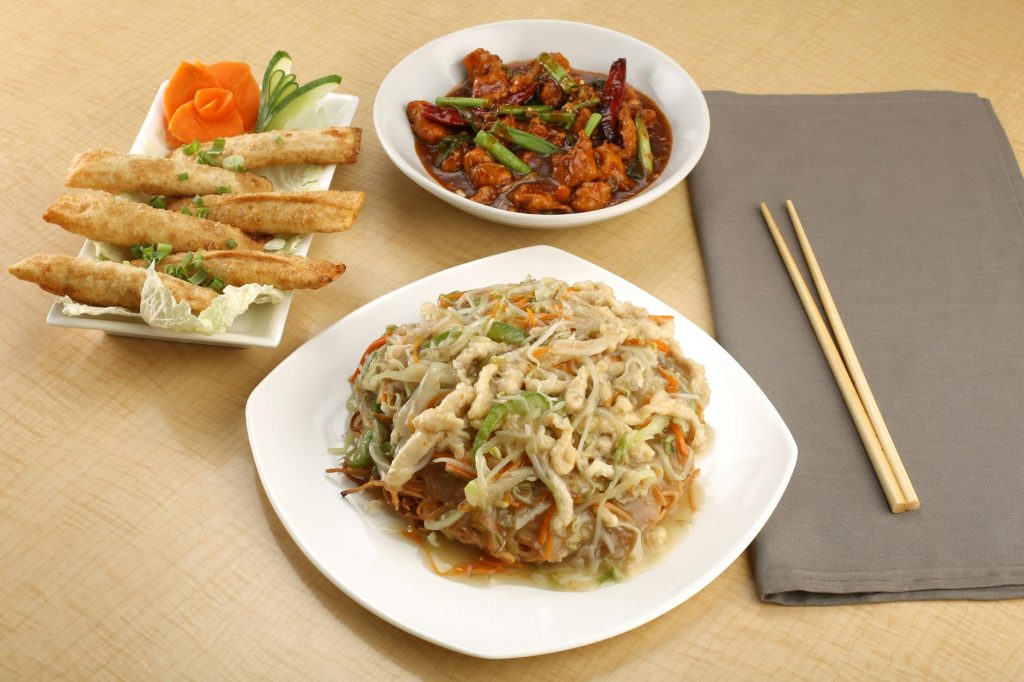
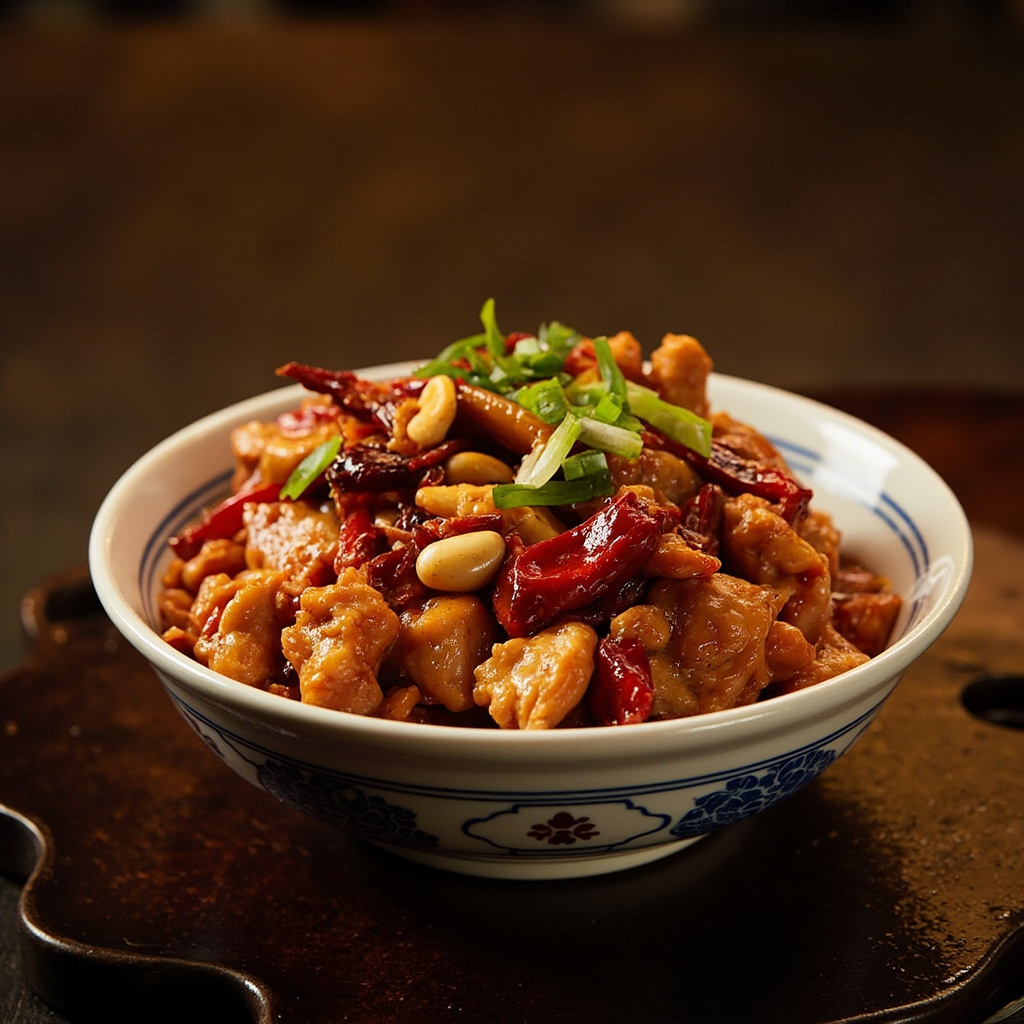
Kung Pao chicken stands as one of the most beloved Chinese dishes worldwide, yet achieving truly authentic results at home requires understanding the dish’s history, technique, and the precise balance of flavors that make this Sichuan classic so irresistible. The key to exceptional Kung Pao chicken lies in respecting tradition while executing each step with precision, from selecting the right chicken cuts to achieving the perfect char on your wok-cooked ingredients.
The origins of Kung Pao chicken trace back to the Qing Dynasty, where it was reportedly created in the provincial capital of Chengdu. The dish is named after Ding Baozhen, a Qing-era governor of Sichuan who supposedly loved the dish so much that his private chef developed this specific preparation in his honor. Originally called Gong Bao Ji Ding in Chinese, the dish’s name literally translates to Palace-Secured Chicken Cubes, referring to Governor Ding’s official residence. This historical connection adds depth to the appreciation of the dish, connecting modern diners to centuries of Chinese culinary tradition.
Essential Ingredients
Creating truly authentic Kung Pao chicken requires sourcing specific ingredients that define the dish’s character. Three ingredients define authentic Kung Pao chicken’s unique character: dried red chilies, Sichuan peppercorns, and roasted peanuts. The dried red chilies should be Chinese varieties like facing heaven peppers or erjingtiao, which provide aromatic heat rather than just pure spiciness. Sichuan peppercorns must be fresh and fragrant, as stale peppercorns lose their characteristic numbing quality. The peanuts should be roasted and unsalted, added at the very end to maintain their crunch. Other essential components include dark soy sauce for color, light soy sauce for seasoning, Chinkiang black vinegar for acidity, and sesame oil for aroma. The chicken itself should be thigh meat for optimal moisture and flavor.
The Preparation Process
Proper marinating transforms ordinary chicken pieces into the tender, flavorful base that makes Kung Pao chicken exceptional. The marinade typically includes light soy sauce, Shaoxing wine, and sometimes a small amount of baking soda to improve tenderness. The chicken should be cut into uniform bite-sized cubes and allowed to marinate for at least fifteen minutes, though thirty minutes yields even better results. While the chicken marinates, prepare the sauce by combining soy sauce, vinegar, sugar, sesame oil, and cornstarch in a small bowl. The cornstarch in the sauce helps create the glossy coating that characterizes well-made Kung Pao chicken. Slicing the scallions, mincing the garlic and ginger, and measuring out the dried chilies and Sichuan peppercorns before cooking begins is essential, as the actual cooking process moves very quickly.
The Cooking Technique
Authentic Kung Pao chicken requires proper wok technique, starting with achieving the smoking point where oil shimmers and wisps of smoke appear. The wok should be seasoned and extremely hot before any ingredients are added. The proper cooking sequence ensures each component reaches perfection: first sear the chicken until golden but not fully cooked, then remove it from the wok. Add a small amount of oil, then briefly fry the Sichuan peppercorns until fragrant, followed by the dried chilies and aromatics. Return the chicken to the wok, pour in the sauce mixture, and toss vigorously until the sauce thickens and coats every piece. Finally, add the roasted peanuts and scallion greens, give everything a final toss, and serve immediately.
Common Mistakes to Avoid
Overcooking the chicken remains the most frequent mistake, as high wok heat can quickly transition from perfect to dry. Improper sauce thickness also troubles many cooks, with either a watery sauce that fails to coat the ingredients or an overly thick paste that clumps unappealingly. Using insufficient heat results in the chicken steaming rather than searing, producing a pale and unappetizing appearance. Another common error is adding the peanuts too early, causing them to become soggy rather than maintaining their satisfying crunch. Finally, many home cooks use too much sauce, drowning the dish rather than allowing the balanced flavors to shine through.
Serving Suggestions
Kung Pao chicken is traditionally served with steamed white rice, which provides a neutral base that absorbs the flavorful sauce. The dish can be accompanied by a simple vegetable stir-fry or a bowl of clear soup to create a complete meal. For presentation, arrange the chicken on a white plate and garnish with additional sliced scallions and whole dried chilies. The visual contrast of the deep brown sauce, red chilies, green scallions, and tan peanuts creates an appetizing palette that promises the rich flavors within.
Conclusion
Mastering authentic Kung Pao chicken rewards patient attention to detail and respect for tradition. Each element, from ingredient selection through final plating, contributes to the remarkable harmony of flavors and textures that has made this dish beloved worldwide. With practice, home cooks can achieve results that rival those of professional Sichuan restaurants.
Wine and Beverage Pairings
Pairing beverages with Kung Pao chicken can enhance the dining experience, and several options complement the dish’s complex flavors. Cold beer, particularly light lagers or wheat beers, provides refreshing contrast to the dish’s heat and numbing sensation. The carbonation and cool temperature help cleanse the palate between bites, preparing your taste buds for the next mouthful. For wine lovers, off-dry Riesling or Gewurztraminer with their slight sweetness balance the spiciness while complementing the dish’s aromatic complexity. Traditional Chinese tea, particularly jasmine or oolong tea, is perhaps the most authentic accompaniment, cleansing the palate and providing a soothing counterpoint to the bold flavors. Cold water or soft drinks should be avoided as they spread the capsaicin around the mouth rather than washing it away.
Kung Pao Chicken Variations
While the classic Sichuan version remains the most famous, Kung Pao chicken has inspired numerous variations both within China and around the world. The Guizhou version adds sour flavors from pickled chilies, creating a distinctive sweet-sour-spicy combination. Western adaptations often include bell peppers, onions, and celery, ingredients not found in authentic versions but added to appeal to local tastes. Vegetarian versions substitute tofu, seitan, or mushrooms for chicken while maintaining the signature sauce and techniques. Some creative fusion variations incorporate ingredients like cashews instead of peanuts, or add fruit elements like pineapple for sweetness. Exploring these variations demonstrates the dish’s versatility and global appeal.
Health Benefits and Nutritional Profile
Kung Pao chicken offers several nutritional benefits when prepared properly. Chicken provides lean protein essential for muscle maintenance and repair. Peanuts contribute healthy monounsaturated fats, protein, and vitamin E. The Sichuan peppercorns used in the dish contain compounds with anti-inflammatory properties, while garlic and ginger both offer immune-boosting effects. The moderate use of oil in stir-frying keeps the fat content reasonable compared to deep-fried dishes. To make a healthier version, increase the vegetable content by adding more scallions, bell peppers, or bok choy, and reduce the amount of oil used in cooking while maintaining the high heat needed for proper wok cooking.
Regional Variations of Kung Pao Chicken
While the Sichuan version is most famous, Kung Pao chicken has evolved into distinct regional variations across China. The Sichuan version emphasizes the mala numbing sensation with generous use of Sichuan peppercorns and dried chilies, creating a dish that is both spicy and numbing. The Guizhou variation incorporates local sour flavors, using pickled chilies that add a distinctive tangy note to the dish. The Beijing version, often served in imperial-style restaurants, is milder and sweeter, catering to tastes accustomed to the city cuisine. In Shanghai, the dish may include more sugar and dark soy sauce, creating a richer color and sweeter profile. American Chinese versions, while delicious in their own right, have evolved significantly from the original, often including bell peppers, onions, and a thicker, sweeter sauce that bears little resemblance to the authentic dish. Understanding these variations provides insight into how Chinese cuisine adapts to different regional palates while maintaining its essential character.
Selecting the Best Ingredients
The quality of ingredients significantly affects the final taste of Kung Pao chicken, and selecting the best available options makes a noticeable difference in the finished dish. Chicken thighs provide superior flavor and moisture compared to breast meat, with the higher fat content preventing dryness during the high-heat cooking process. Peanuts should be raw and roasted just before cooking to ensure maximum crunch, as pre-roasted peanuts may have lost their freshness. Dried chilies should be whole and still pliable, indicating they have retained their essential oils, and should be snipped into pieces before cooking to release their flavor. Sichuan peppercorns should be bright red-brown and fragrant, with older peppercorns losing their characteristic numbing quality. Shaoxing wine, a fermented rice wine, adds depth that cannot be replicated by other wines or spirits. Each ingredient contributes to the final harmony of flavors, and using the best available options elevates the dish from good to exceptional.