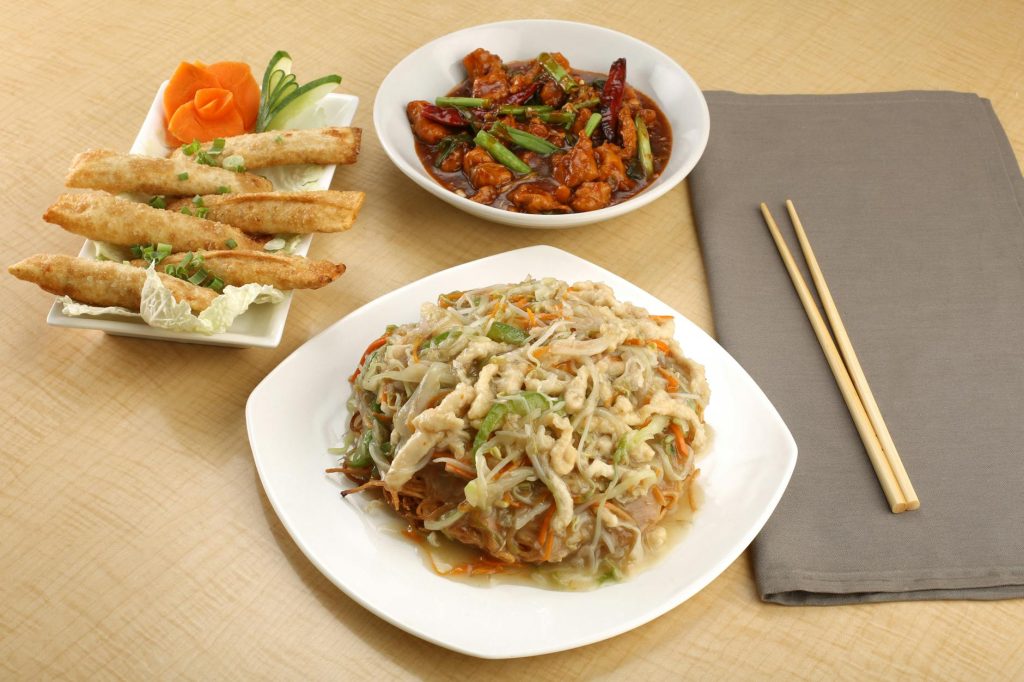
Beijing, the capital of China, offers one of the most exciting and diverse street food scenes in the world. While many tourists flock to the famous Wangfujing Snack Street, locals know that the most authentic and delicious Beijing street food is found in the city’s hutong alleys, neighborhood markets, and humble roadside stalls that have been feeding hungry Beijingers for generations. Understanding Beijing street food requires looking beyond the glitzy tourist destinations to discover the real culinary heart of this ancient city.
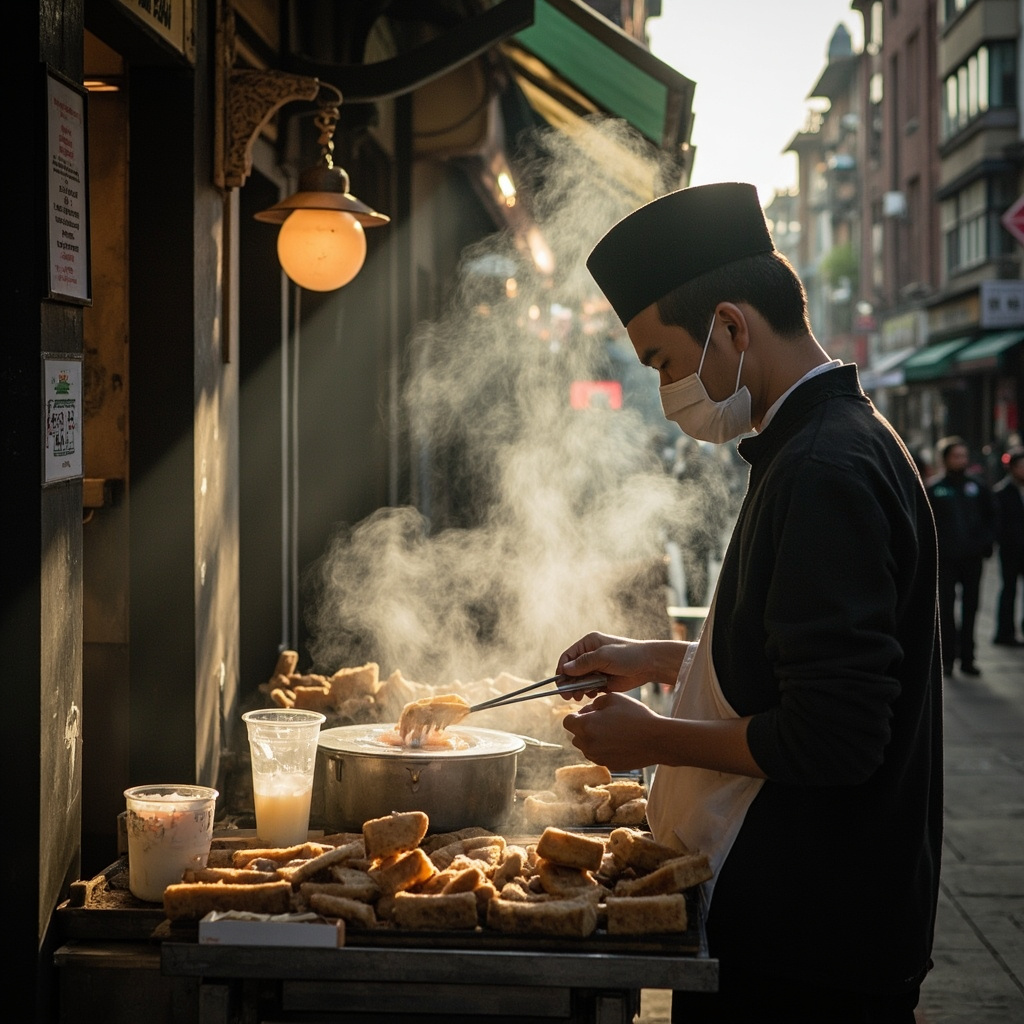
From the aromatic morning rituals of soy milk and fried dough sticks to the sizzling evening scenes of lamb skewers and stinky tofu, Beijing’s street food culture reflects the city’s unique blend of imperial grandeur and everyday simplicity. The history of Beijing street food stretches back centuries, with many beloved snacks having origins in the Ming and Qing dynasties when imperial chefs brought their culinary expertise to the streets. Today, despite the rapid modernization of the city, traditional food vendors continue to thrive, adapting their centuries-old recipes to contemporary tastes while preserving the essential character that makes Beijing street food so special.
The Morning Ritual: Breakfast on the Street
Beijing’s street food culture begins early, with vendors setting up their stalls as dawn breaks over the city. The morning rush sees office workers, construction laborers, and students stopping at their favorite spots for quick, satisfying breakfasts that fuel the day’s activities. The most popular breakfast items have remained largely unchanged for generations, a testament to their enduring appeal and nutritional value.
Soy Milk and Fried Dough Sticks
The quintessential Beijing breakfast combination features a steaming bowl of silky soy milk paired with crispy golden fried dough sticks known as youtiao. The soy milk can be served either sweet or savory, with the savory version featuring a dash of soy sauce, vinegar, chili oil, and a sprinkle of chopped scallions and pickled radish that transforms the humble drink into a complex flavor experience. The youtiao should be torn into pieces and dipped into the soy milk, allowing the crispy exterior to soften slightly while maintaining its chewy texture. This simple breakfast has sustained Beijingers for centuries and remains the most popular way to start the day in the capital.
Jianbing: The Chinese Crepe
Jianbing represents Beijing’s most beloved street breakfast, a savory crepe made from a batter of wheat and mung bean flour, spread thin on a griddle, topped with egg, crispy wonton skins, cilantro, and a generous squirt of hoisin and chili sauces. Watching a skilled jianbing vendor work is a performance in itself, as they deftly spread the batter into a perfect circle, crack an egg onto the surface, flip the crepe with practiced precision, and layer the fillings before folding it into a neat rectangular package. The combination of textures from the soft crepe, crispy wonton skin, and fresh herbs creates an irresistible breakfast that costs only a few yuan. Each vendor has their own secret sauce recipe passed down through generations.
Essential Street Foods Every Visitor Must Try
Certain dishes represent essential experiences for anyone exploring Beijing’s street food culture. Stinky tofu demands an open mind and adventurous palate, as the fermented tofu develops a pungent aroma that belies its surprisingly mild and creamy interior. Lamb skewers represent the quintessential night market experience, with skewers of seasoned lamb grilled over charcoal and dusted with cumin and chili powder. Hot and sour noodles provide a perfect example of how Beijing street food balances competing flavors, with the tang of vinegar cutting through the heat of chili oil. Other must-try items include candied hawthorn skewers, steamed buns filled with red bean paste, and Beijing yogurt served in traditional clay pots. Each of these dishes tells a story about Beijing’s culinary heritage and the creativity of its street vendors.
The Evening Feast: Night Market Adventures
As the sun sets over Beijing, the street food scene transforms into a bustling nocturnal celebration. Night markets come alive with sizzling grills, steaming pots, and the aromatic smoke of dozens of different delicacies. The most famous night markets include Wangfujing Snack Street in the tourist district and the more authentic Donghuamen Night Market, though locals often prefer smaller neighborhood markets where prices are lower and the food is more genuine. The atmosphere at these night markets is electric, with vendors calling out their specialties and the sound of sizzling oil creating a symphony that whets the appetite. Groups of friends and families gather around small plastic tables, sharing plates of grilled seafood, cold noodles, and steaming bowls of dumplings while enjoying the cool evening air.
Finding the Best Street Food
In Beijing’s street food culture, long queues rarely form for subpar food. Long-established vendors with loyal customer bases often represent safer choices than newer operations. The best strategy is to explore neighborhood markets rather than tourist-focused food streets, as these offer more authentic dishes at lower prices. Learning a few basic Chinese phrases like how much and delicious can enhance the experience and earn respect from vendors. Many visitors find that the best meals come from the least pretentious stalls, where three generations of the same family have been serving the same recipes for decades.
Conclusion
Beijing’s street food culture offers an extraordinary window into the city’s soul, revealing layers of history, tradition, and community that enrich every culinary adventure. The best approach is to explore with an open mind, follow the locals, and trust your instincts when choosing where to eat. Whether you are biting into a crispy jianbing at dawn or sharing lamb skewers with new friends at a night market, Beijing street food creates memories that last a lifetime.
Street Food Safety Tips
While Beijing street food is generally safe to eat, following a few basic guidelines will help you enjoy it without concerns. Choose vendors with high turnover, as busy stalls serve fresher food that has not been sitting out. Look for vendors who handle raw and cooked ingredients separately and maintain clean cooking surfaces. Hot, freshly cooked food is safer than food that has been sitting at room temperature. Peel fruits yourself rather than buying pre-cut options, and avoid raw vegetables that may have been washed in tap water. Most importantly, follow the locals if you see a long line of Chinese customers at a particular stall, that is a reliable sign of good food safety and quality. Your stomach may need a few days to adjust to the new cuisine, so start with milder options and gradually introduce spicier dishes as your digestive system adapts.
Seasonal Street Food Specialties
Beijing street food changes with the seasons, offering different specialties throughout the year. Summer brings refreshing cold noodles, chilled fruit, and ice cream bars sold from street carts. Autumn features roasted chestnuts and candied hawthorn snacks made from freshly harvested fruit. Winter offers steaming hot sweet potatoes roasted in metal drums, lamb hot pot eaten at sidewalk tables, and hot soy milk to warm chilled hands. Spring markets feature fresh vegetables and lighter dishes that celebrate the end of winter. Experiencing street food across different seasons reveals the deep connection between Beijing food culture and the natural rhythms of the year.
The Social Dimension of Street Food
Street food in Beijing is more than just eating it is a social activity that brings people together. Groups of friends gather around small stalls to share plates of lamb skewers and cold beer after work. Families visit night markets together on weekends, with children enjoying candied treats while adults sample savory specialties. Street food vendors often know their regular customers by name and remember their usual orders, creating a sense of community that is increasingly rare in modern cities. This social dimension adds warmth to the street food experience and makes eating alone at a stall feel less lonely than dining alone in a restaurant.