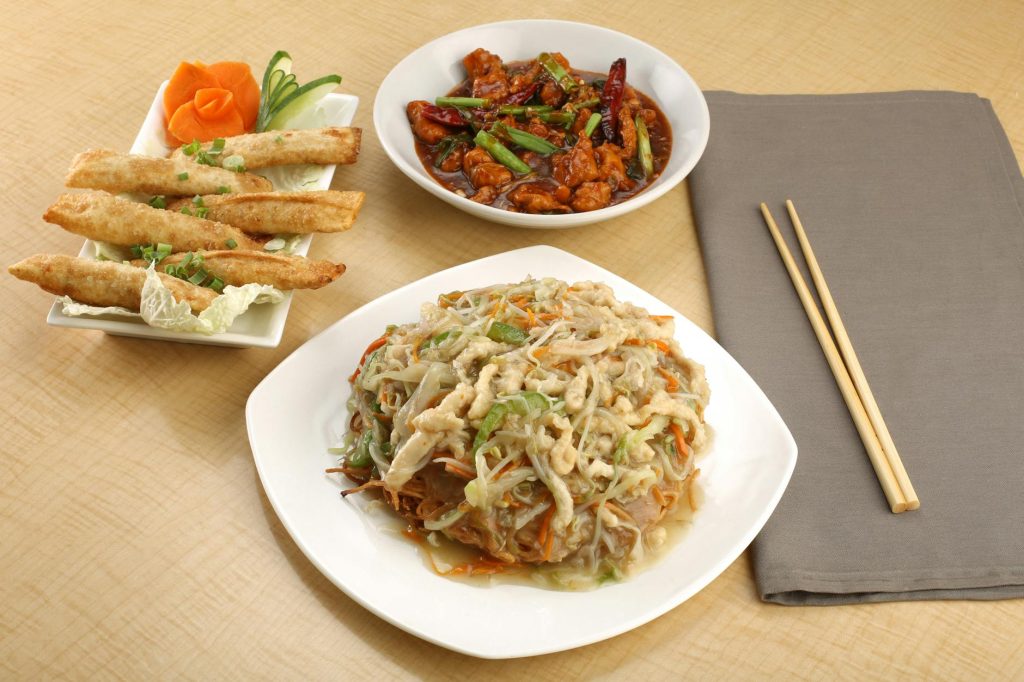
Sichuan cuisine, also known as Szechuan cuisine, stands as one of the most influential and beloved culinary traditions in all of China. Characterized by its bold flavors, generous use of garlic, and distinctive numbing sensation from Sichuan peppercorns, this culinary style has captured the hearts and taste buds of food enthusiasts worldwide. The province of Sichuan, located in southwestern China, boasts a humid climate that has shaped its cuisine over thousands of years, leading to the development of heavy salting, pickling, and smoking techniques that still define Sichuan cooking today.
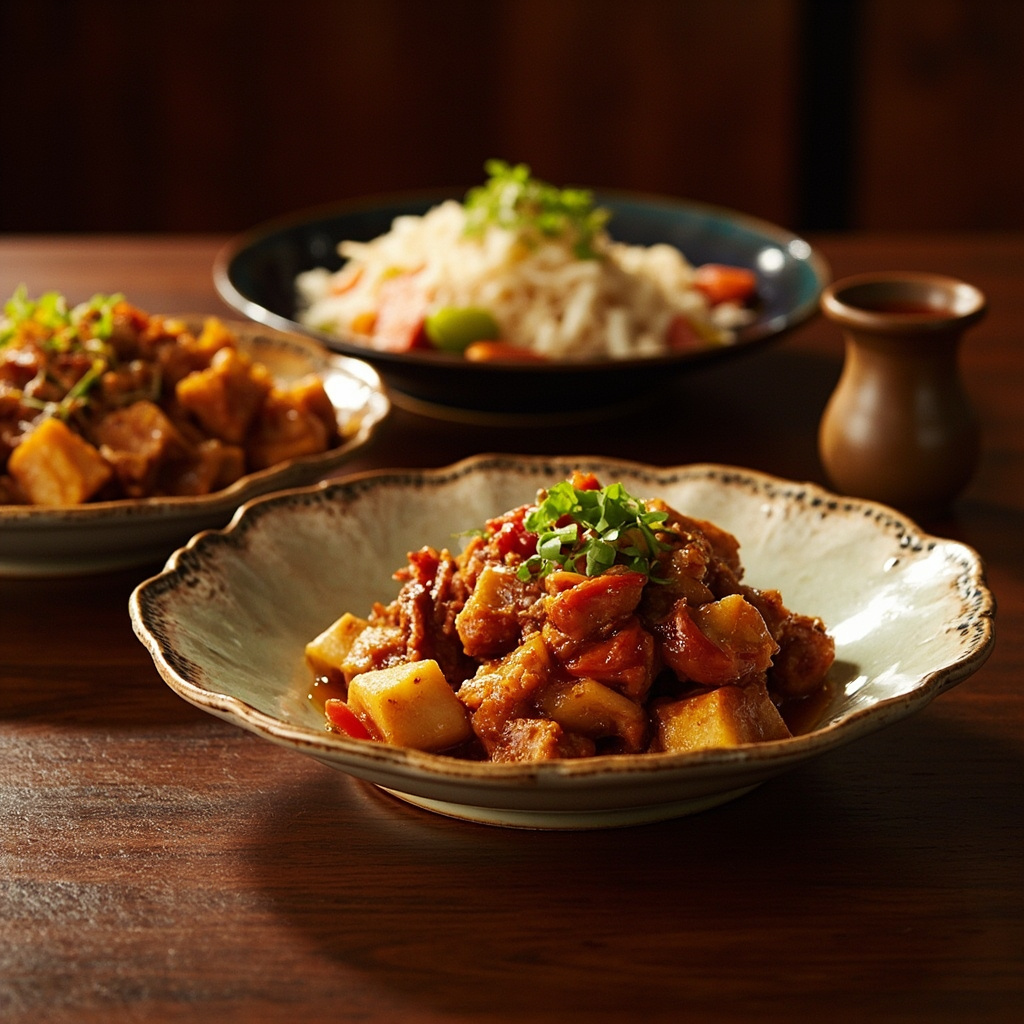
What truly sets Sichuan cuisine apart is its remarkable ability to balance the seven fundamental flavors: sweet, sour, salty, bitter, pungent, aromatic, and umami. This complexity is achieved through masterful combinations of ingredients and cooking methods refined over centuries. The signature mala sensation, a unique combination of numbing and spicy, comes from the expert use of Sichuan peppercorns and dried chilies together in perfect harmony. The cuisine’s global popularity continues to grow as more people discover the unique pleasure of Sichuan cooking.
1. Mapo Tofu
Mapo tofu stands as the crown jewel of Sichuan cuisine and remains one of the most recognizable Chinese dishes globally. This iconic recipe combines silky soft tofu with a complex sauce featuring doubanjiang fermented chili bean paste, Sichuan peppercorns, and minced pork, creating a dish that perfectly embodies the essence of Sichuan cooking. The dish’s name translates to pockmarked grandmother’s tofu, referring to its legendary creator, a Qing Dynasty woman whose facial scars gave her the nickname. Despite its humble origins, mapo tofu has achieved legendary status in Chinese gastronomy. The key to perfect mapo tofu lies in the quality of the doubanjiang, which should be aged for at least two years for optimal depth of flavor. When preparing this dish at home, it is essential to use silken tofu and handle it gently to preserve its delicate texture. The sauce should be simmered until it coats the tofu cubes evenly, creating a rich and velvety finish that clings to every piece. The dish is traditionally finished with a generous sprinkling of ground Sichuan peppercorns and chopped scallions, adding both visual appeal and a final burst of aromatic fragrance.
2. Kung Pao Chicken
Kung Pao chicken represents another globally recognized ambassador of Sichuan cuisine, combining tender chicken pieces with crunchy peanuts, dried chilies, and Sichuan peppercorns in a perfectly balanced sauce. This dish perfectly demonstrates how Sichuan cooking achieves harmony between heat, sweetness, and savory elements. The origin of Kung Pao chicken traces back to the Qing Dynasty governor Ding Baozhen, whose official title Gong Bao inspired the dish’s Chinese name. The authentic version uses dark meat chicken thighs for superior moisture and flavor compared to breast meat. The wok hei or breath of the wok is essential for achieving the characteristic smoky aroma that elevates this dish from good to exceptional. Timing is critical when cooking this dish: the chicken should be seared quickly over high heat, then removed from the wok before the aromatics and chilies are briefly fried to release their fragrance. The sauce, made from a combination of soy sauce, rice vinegar, sugar, and sesame oil, should be added last and tossed until it glazes the ingredients evenly.
3. Dan Dan Noodles
Dan dan noodles represent one of Sichuan’s most beloved street foods, featuring thin noodles dressed in a spicy sauce made from sesame paste, chili oil, and preserved vegetables. This dish exemplifies how Sichuan cuisine transforms simple ingredients into extraordinary culinary experiences. The name dan dan refers to the bamboo pole that street vendors traditionally used to carry their ingredients through the streets of Chengdu. The sauce is the soul of dan dan noodles, requiring a careful balance of Chinese sesame paste, chili oil, soy sauce, Sichuan peppercorn powder, and preserved mustard greens known as yacai. The minced pork topping should be stir-fried until crispy and browned, adding a textural contrast to the soft noodles. Traditional dan dan noodles are served with a thick sauce at the bottom of the bowl, which the diner mixes thoroughly before eating to ensure every strand of noodle is coated with flavor.
4. Water-Boiled Fish
Water-boiled fish showcases Sichuan cuisine’s mastery of transforming humble ingredients into dramatic culinary presentations. This spectacular dish features tender fish slices swimming in a pool of blazing red chili oil, dramatically garnished with dried chilies and Sichuan peppercorns. Despite its name, the fish is not simply boiled but rather poached gently in a seasoned broth before being drenched in sizzling hot chili oil. The choice of fish is important, with grass carp and catfish being traditional favorites for their firm texture and mild flavor that absorbs the surrounding seasonings well. The key technique involves marinating the fish slices in egg white and cornstarch to create a protective coating that keeps the fish silky and tender during cooking. The final step of pouring hot oil over the pile of dried chilies and Sichuan peppercorns creates a dramatic sizzle that releases their aromatics and signals that the dish is ready to serve.
5. Twice-Cooked Pork
Twice-cooked pork holds a special place in Sichuan hearts as perhaps the most beloved home-style dish in the region. This recipe takes pork belly, first boiled until tender, then sliced thin and wok-fried until caramelized and crispy. The double cooking method gives the dish its name and creates a texture that is simultaneously tender and chewy with crispy edges. The authentic version uses a specific cut of pork belly that includes the skin, which becomes deliciously chewy after the two cooking stages. Traditional accompaniments include leeks, green bell peppers, and fermented black beans, all stir-fried together with the pork and a generous dollop of doubanjiang. The dish exemplifies the Sichuan philosophy of making ordinary ingredients extraordinary through careful technique and bold seasoning.
6. Spicy Hot Pot
No exploration of Sichuan cuisine would be complete without experiencing the region’s legendary hot pot. This communal dining tradition features a bubbling pot of broth infused with Sichuan peppercorns and dried chilies, surrounded by an array of raw ingredients that diners cook at the table. The broth is the foundation of any great hot pot experience, requiring hours of simmering with beef bones, chicken, dried chilies, Sichuan peppercorns, and a complex blend of spices. The numbing and spicy broth is traditionally divided into two sections using a divided pot, with one side containing the fiery red broth and the other containing a milder broth for those who prefer less heat. The dipping sauces are equally important, with diners creating personalized combinations of sesame oil, garlic, chopped cilantro, and chili flakes to complement their cooked ingredients.
Conclusion
Sichuan cuisine represents one of China’s greatest culinary treasures, offering an extraordinary range of flavors, techniques, and dishes that have captivated food lovers around the world. The key to understanding Sichuan cuisine lies in appreciating its mastery of flavor balance and its willingness to embrace bold, assertive tastes that challenge and delight the palate. Whether you are sampling street food in Chengdu or cooking Sichuan recipes at home, this cuisine offers endless opportunities for discovery and enjoyment.
Tips for Cooking Sichuan Food at Home
Cooking authentic Sichuan food at home requires some specialized ingredients and techniques, but the results are well worth the effort. The most important ingredient to source is good-quality Sichuan peppercorns, which should be fragrant and produce a strong numbing sensation when tasted. Store them in an airtight container away from light to preserve their volatile oils. Doubanjiang, or fermented chili bean paste, is another essential ingredient that forms the base of many Sichuan dishes. Look for brands from Pixian county in Sichuan, which produces the most authentic version. A well-seasoned wok is invaluable for achieving the high-heat cooking that characterizes Sichuan stir-fries. Season your wok by heating it with oil until it smokes, then wiping it clean, repeating this process several times until the surface develops a dark patina. Many Sichuan recipes can be adapted for home cooking by adjusting the spice level to your tolerance while maintaining the balance of flavors that makes this cuisine so special. Start with milder versions of classic dishes and gradually increase the heat as you become more comfortable with Sichuan flavors.
Sichuan Tea Culture
Tea houses are an integral part of Sichuan culture, particularly in Chengdu where the tradition of drinking tea and socializing remains strong. Sichuan is famous for its jasmine tea, which is scented with jasmine flowers that impart a delicate floral aroma to the green tea base. Visiting a traditional Sichuan tea house is a cultural experience that should not be missed, offering a glimpse into the relaxed pace of life that characterizes this region. The tea houses in People’s Park in Chengdu are particularly famous, with hundreds of bamboo tables set up under shady trees where locals gather to drink, chat, and play mahjong throughout the day.
Regional Variations Within Sichuan Cuisine
Sichuan cuisine is not monolithic but varies significantly across the province. Chengdu style emphasizes complex flavor combinations and refined techniques, while Chongqing style is known for its bold, straightforward spiciness. The cuisine of the Zigong region features distinctive salt-based preservation techniques, reflecting the area’s history as a major salt-producing center. Understanding these regional variations adds depth to your appreciation of Sichuan cuisine and encourages exploration beyond the most famous dishes.