
Traveling China on a budget is not only possible but can provide a more authentic and rewarding experience than luxury travel. China offers excellent value for money across all aspects of travel, from accommodation and food to transportation and attractions. With careful planning and smart choices, travelers can experience China’s highlights on a daily budget that is surprisingly low compared to other major travel destinations.
The key to budget travel in China is understanding where to splurge and where to save. Accommodation, food, and local transportation are very affordable by international standards, while international flights, upscale hotels, and premium attractions represent the largest expenses. By choosing budget-friendly options in the right categories, travelers can significantly reduce their overall costs without sacrificing quality of experience. Many of China’s most memorable experiences, like exploring temple markets, eating street food, and walking through historic neighborhoods, cost very little or nothing at all.
Budget Accommodation Options
China offers excellent budget accommodation options that provide comfort and convenience at reasonable prices. Youth hostels are available in all major cities and tourist destinations, with dormitory beds starting at around 50 yuan and private rooms from 150 yuan. Chinese hostels often exceed the quality of their Western counterparts, with clean facilities, helpful English-speaking staff, and social common areas perfect for meeting other travelers. Budget hotels like the Home Inn, Hanting, and 7 Days Inn chains offer reliable standards across China, with private rooms from 150 to 250 yuan per night. These Chinese chain hotels provide consistent quality, convenient locations, and basic amenities that represent excellent value. For those willing to venture off the main tourist routes, small family-run guesthouses offer the best value and most authentic experiences, with rates often below 100 yuan per night including meals.
Eating Well on a Budget
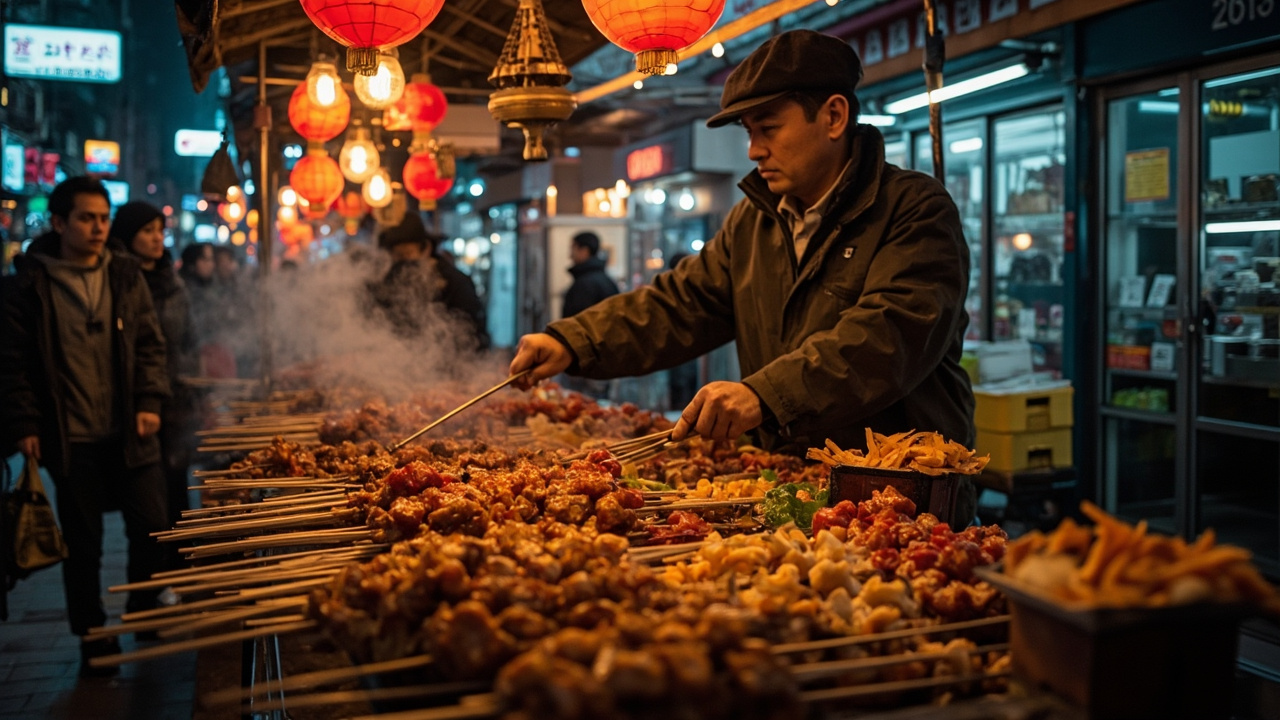
Food is one of the greatest pleasures of travel in China and also one of the best values for budget travelers. Street food stalls offer delicious meals for 10 to 25 yuan, with options ranging from steaming bowls of noodles to grilled skewers and dumplings. Following busy stalls with high turnover ensures both quality and safety. Local restaurants that cater to workers rather than tourists serve hearty meals for 20 to 40 yuan per person. These establishments often have picture menus or food displays that make ordering easy even without Chinese language skills. Also avoid tourist-area restaurants in favor of establishments in residential neighborhoods, which offer better food at lower prices.
Transportation Savings
Transportation represents a significant portion of any China travel budget, but smart choices can substantially reduce costs. High-speed trains are the best value for medium-distance travel, with second-class seats offering comfort and speed at reasonable prices. Overnight sleeper trains save both accommodation costs and travel time, with hard sleeper bunks providing a comfortable sleeping option at budget-friendly prices. For shorter distances, buses are cheaper than trains and reach many destinations that trains do not serve. Within cities, the metro is the most efficient and affordable option, with fares typically ranging from 2 to 10 yuan. Ride-sharing services like Didi are cheaper than taxis and eliminate language barriers. Walking and public bicycles provide free transportation for exploring compact city centers.
Free and Low-Cost Attractions
Many of China’s best experiences cost very little or nothing. Parks are free or charge minimal admission and offer glimpses into local life, with morning tai chi sessions and evening social gatherings providing authentic cultural experiences. Many temples and markets can be explored without paying admission, offering rich sensory experiences. Museums often have free admission days or low entrance fees. Walking tours through historic neighborhoods, available in many cities through hostels or online platforms, provide guidance at no cost.
Conclusion
Traveling China on a budget requires planning and flexibility but rewards budget-conscious travelers with authentic experiences and significant savings. The money saved by choosing budget options can be redirected toward longer trips, additional destinations, or once-in-a-lifetime experiences that make travel memorable. With daily budgets starting at around 200 yuan for basic travel, China remains one of the world’s best value destinations for adventurous travelers.
Money-Saving Tips for Attractions
China’s major attractions can be expensive, but several strategies help reduce costs. Many museums offer free admission on certain days of the week, typically Wednesdays. Student discounts are available with valid international student ID cards at most attractions. Combination tickets that include multiple attractions often offer significant savings over individual tickets. Visiting popular attractions during off-peak seasons dramatically reduces costs, with both admission prices and accommodation rates dropping significantly outside of summer and Chinese holidays. Many attractions offer discounted tickets for morning visits or for purchasing online in advance. City tourism cards, available in many Chinese cities, provide discounted admission to multiple attractions along with public transportation benefits. Researching these options before your trip can result in substantial savings.
Budget Travel Destinations in China
While major cities like Beijing and Shanghai are expensive, many of China’s most interesting destinations are remarkably affordable. Guilin and Yangshuo offer spectacular scenery with budget accommodation starting at 50 yuan per night and meals from 15 yuan. Chengdu, famous for its pandas and spicy food, provides excellent value with cheap eats and affordable attractions. Xi’an’s Muslim Quarter offers some of China’s best street food at incredibly low prices. Dali and Lijiang in Yunnan province offer beautiful old towns with budget guesthouses and cheap local food. Harbin in winter, despite the cold, offers affordable ice festival experiences. These budget-friendly destinations prove that traveling China on a tight budget does not mean sacrificing quality of experience. In fact, budget travel often leads to more authentic encounters with local culture and people.
Volunteering and Work Exchange in China
For budget travelers seeking deeper experiences, volunteering and work exchange programs offer opportunities to extend travel while minimizing costs. Teaching English is the most common work opportunity for native English speakers in China, with programs that provide accommodation, meals, and sometimes a small stipend in exchange for teaching hours. Volunteering at panda sanctuaries in Sichuan or wildlife reserves elsewhere provides unique experiences while contributing to conservation efforts. Work exchange programs through platforms like Workaway and HelpX connect travelers with hosts offering free accommodation in exchange for a few hours of work daily. These programs place travelers with families, farms, hostels, and language schools throughout China, providing immersive cultural experiences. Organic farms and eco-lodges in rural areas particularly welcome international volunteers who can help with sustainable agriculture projects while learning about rural Chinese life.
Couchsurfing in China
Couchsurfing offers budget travelers free accommodation and cultural exchange in China. While less developed than in Europe active Couchsurfing communities exist in major cities. Homestay programs in rural areas particularly in Yunnan allow travelers to live with families share meals and participate in daily activities. Cultural exchange is the primary benefit with hosts eager to practice English and learn about foreign cultures.
China budget travel apps include Ctrip for bookings Didi for rides and Alipay for payments making travel management convenient.
Money-Saving Tips for China Travel
Several strategies help travelers save money while exploring China. Using public transportation instead of taxis significantly reduces daily expenses with metro systems in major cities costing only a few yuan per ride. Eating at local restaurants and street stalls rather than tourist-oriented establishments saves money while providing more authentic food experiences. Visiting free attractions like parks temples and markets reduces entertainment costs while offering cultural experiences. Traveling during shoulder seasons spring and autumn rather than peak summer and holiday periods reduces accommodation and transportation costs significantly. Booking accommodation with kitchen facilities allows occasional self-catered meals that save money and provide variety. Taking overnight trains saves accommodation costs while covering long distances. These strategies allow budget travelers to experience China fully without breaking their budget.