
Visiting China for the first time opens doors to extraordinary experiences, ancient civilizations, and remarkable landscapes that you will remember for a lifetime. However, proper preparation significantly enhances any China journey. This comprehensive guide shares 30 essential tips gathered from experienced China travelers that will help you navigate the practical challenges and cultural nuances of traveling in this fascinating country.
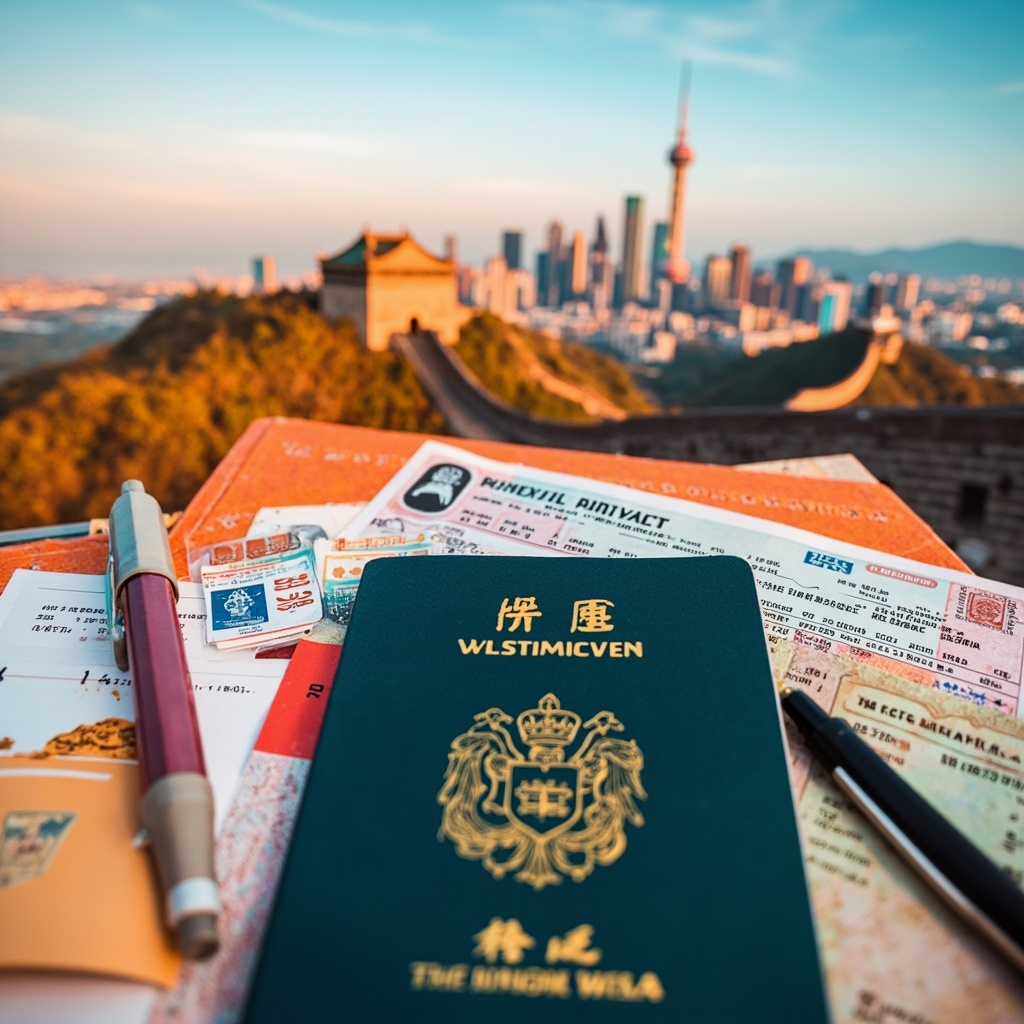
China is a country of immense diversity, both geographically and culturally, and what works in one region may not apply in another. The tips in this guide are designed to prepare you for the most common situations encountered by travelers, from navigating airports to ordering food in local restaurants. Understanding these fundamentals will allow you to focus on enjoying your journey rather than struggling with logistical challenges.
Essential Planning Tips
Proper planning begins well before departure. First, check visa requirements for your nationality, as most visitors need tourist visas arranged through Chinese embassies or visa centers well before travel. Second, download essential apps before arriving, including WeChat for communication and payments, translation apps like Google Translate or Pleco for reading menus and signs, and Didi for ride-hailing services. Third, understand that mobile payments dominate urban transactions, so setting up WeChat Pay or Alipay with your international card before departure is highly recommended. Fourth, be aware that internet restrictions mean services like Google, Facebook, and Instagram require VPN services activated before arrival. Fifth, book major train tickets and popular attractions in advance, especially during Chinese holidays when demand far exceeds supply.
Transportation Tips
China’s high-speed rail network ranks among the world’s finest and is the best way to travel between cities. Trains are punctual, comfortable, and affordable, with four classes of service ranging from second class to business class. Major cities offer metro systems with English signage that make urban navigation straightforward. For shorter distances, Didi ride-hailing is more reliable than street taxis, as it avoids language barriers and provides transparent pricing. Domestic flights connect all major destinations and are reasonably priced, but factor in travel time to and from airports, which are often located far from city centers. For local transportation, shared bicycles and electric scooters are available through apps in most cities, offering flexibility for short trips.
Cultural Etiquette Tips
Understanding Chinese customs helps avoid unintended offense. Tipping is not customary in China and can sometimes cause embarrassment, as it is not expected in restaurants, hotels, or taxis. When exchanging business cards, present and receive them with both hands as a sign of respect. At meals, wait to be seated at the host’s direction and allow the eldest or most senior person to begin eating first. Always ask before photographing individuals, especially in rural areas or minority regions where some people consider photography intrusive. Avoid discussing sensitive political topics like Taiwan, Tibet, or the Tiananmen Square incident with strangers, as these subjects can create uncomfortable situations. Learning basic phrases like hello and thank you in Mandarin earns appreciation from locals.
Practical Daily Tips
Several practical tips will make daily life in China easier. Carry personal tissues and hand sanitizer, as public toilets may not provide supplies. Drink only bottled or boiled water, as tap water is not safe for consumption even by local standards. Bargaining is expected at markets and tourist shops, but should be done respectfully and with good humor rather than aggressive negotiation. Carry your passport at all times, as police checks do occur, especially in major cities and border regions. Save screenshots of important addresses in Chinese characters to show taxi drivers, as English versions may not be understood. Keep photocopies of your passport and visa separate from the originals in case of loss or theft.
Health and Safety Tips
China is generally a safe country for travelers, with low rates of violent crime, but petty theft can occur in crowded areas. Be aware of altitude considerations if traveling to Lhasa, Jiuzhaigou, or Yunnan’s high mountain regions, as the elevation can affect visitors unaccustomed to thin air. Regarding food safety, street food from busy vendors with high turnover rates generally proves safer than food from deserted establishments, as high turnover ensures fresher ingredients. Major cities offer international-standard hospitals with English-speaking staff, but comprehensive travel insurance is essential. Check air quality indices during stays in northern cities, especially Beijing during winter, and carry N95 masks if pollution levels are high. Stay hydrated, especially during summer months when temperatures and humidity can be challenging.
Conclusion
China rewards curious, flexible travelers with extraordinary experiences found nowhere else on Earth. These essential tips address practical concerns while freeing you to embrace spontaneous discoveries that make travel truly memorable. Approach each day with patience and an open mind, and China will reveal its wonders to you in unexpected and delightful ways.
Technology and Connectivity Guide
China digital ecosystem differs significantly from Western countries, and preparing for these differences avoids frustration. WeChat is the most essential app for life in China, serving as messaging platform, social network, payment system, and mini-app hub for services like train tickets and food delivery. Setting up WeChat Pay with an international credit card before departure is recommended, though it may require assistance from a Chinese bank account holder. Alipay is equally important for mobile payments and accepted at virtually all merchants. A VPN should be installed on all devices before arriving in China, as popular Western services like Google, Facebook, Instagram, and WhatsApp are blocked. Test your VPN before departure to ensure it works reliably. Didi, the Chinese equivalent of Uber, provides convenient ride-hailing with English language support in major cities. Translation apps like Google Translate or Pleco help with reading menus, signs, and communicating in situations where English is not spoken.
Banking and Money Matters
Managing money in China requires preparation as the country has become largely cashless. While major international credit cards are accepted at hotels and high-end retailers, most daily transactions require mobile payment or cash. ATMs accepting international cards are available in cities but may charge fees. Bringing some cash in yuan for emergencies is recommended, though exchanging money at airports typically offers poor rates. Bank branches in cities can exchange currency with proper identification. Setting up mobile payment before arrival is highly recommended, as it dramatically simplifies daily transactions from buying street food to paying for train tickets. Keep small bills for markets and street vendors who may not have change for large denominations.
Emergency Preparedness
Knowing what to do in emergencies provides peace of mind during your China travels. The universal emergency number is 110 for police, 120 for ambulance, and 119 for fire. English-speaking operators may not be available, so having your hotel address written in Chinese is essential. Register with your embassy upon arrival to receive travel alerts and assistance if needed. Comprehensive travel insurance covering medical evacuation is strongly recommended, as air ambulance services for serious conditions can be extremely expensive. Know the location of international hospitals in major cities you plan to visit, as these facilities have English-speaking staff and Western medical standards. Keep digital and physical copies of your passport, visa, and insurance documents separate from the originals.
Understanding Chinese Business Culture
For those visiting China on business, understanding local business culture is essential for successful professional relationships. Chinese business culture places high value on personal relationships or guanxi, which must be developed before serious business discussions can occur. Initial meetings focus on getting to know counterparts as people rather than conducting specific business, and rushing into negotiations without building rapport is considered rude. Business cards are exchanged with both hands and treated with respect, never written on or placed in back pockets. Hierarchy is important in Chinese business settings, with decisions typically made by senior management rather than delegated to junior staff. Presentations should address the most senior person present while maintaining eye contact with all participants. Building patient, respectful relationships over time is the key to business success in China, and Western directness can be counterproductive in the Chinese business context.
Environmental Awareness and Responsible Travel
Traveling responsibly in China requires awareness of environmental challenges and cultural sensitivities that differ from Western contexts. Air pollution affects many Chinese cities, particularly in the north during winter, and travelers should monitor air quality indexes and adjust outdoor activities accordingly. Reducing plastic waste is challenging in China where bottled water is necessary for health reasons and single-use plastics are common. Carrying a reusable water bottle with a filter system reduces plastic consumption while ensuring safe drinking water. Being a responsible traveler in China demonstrates respect for the country culture and environment while setting a positive example for other visitors.