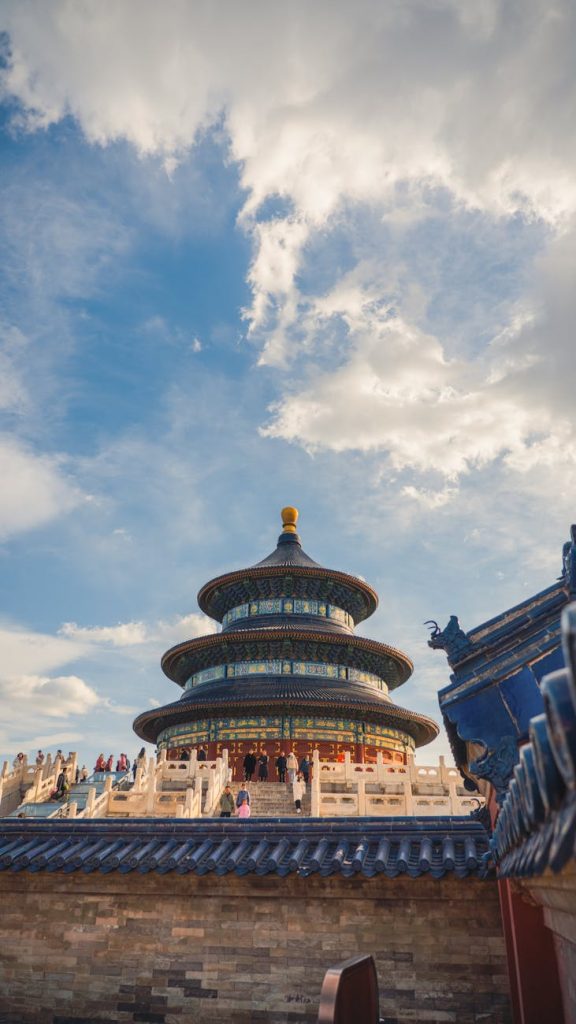
Beyond China’s famous destinations like the Great Wall and Terracotta Army lie extraordinary places that most international visitors never discover. These underrated destinations offer authentic experiences, stunning landscapes, and cultural encounters that transform good China trips into exceptional adventures. While millions of tourists crowd the well-trodden paths, travelers willing to venture off the beaten track will discover a China that remains remarkably untouched by international tourism.
The destinations featured in this guide represent China’s best-kept secrets, places where you can experience genuine local culture without fighting through crowds of selfie-stick-wielding tourists. Each location offers something unique and memorable, whether it’s otherworldly natural scenery, ancient traditions preserved intact, or warm hospitality from ethnic minority communities eager to share their culture with respectful visitors.
1. Zhangjiajie: Avatar’s Floating Mountains
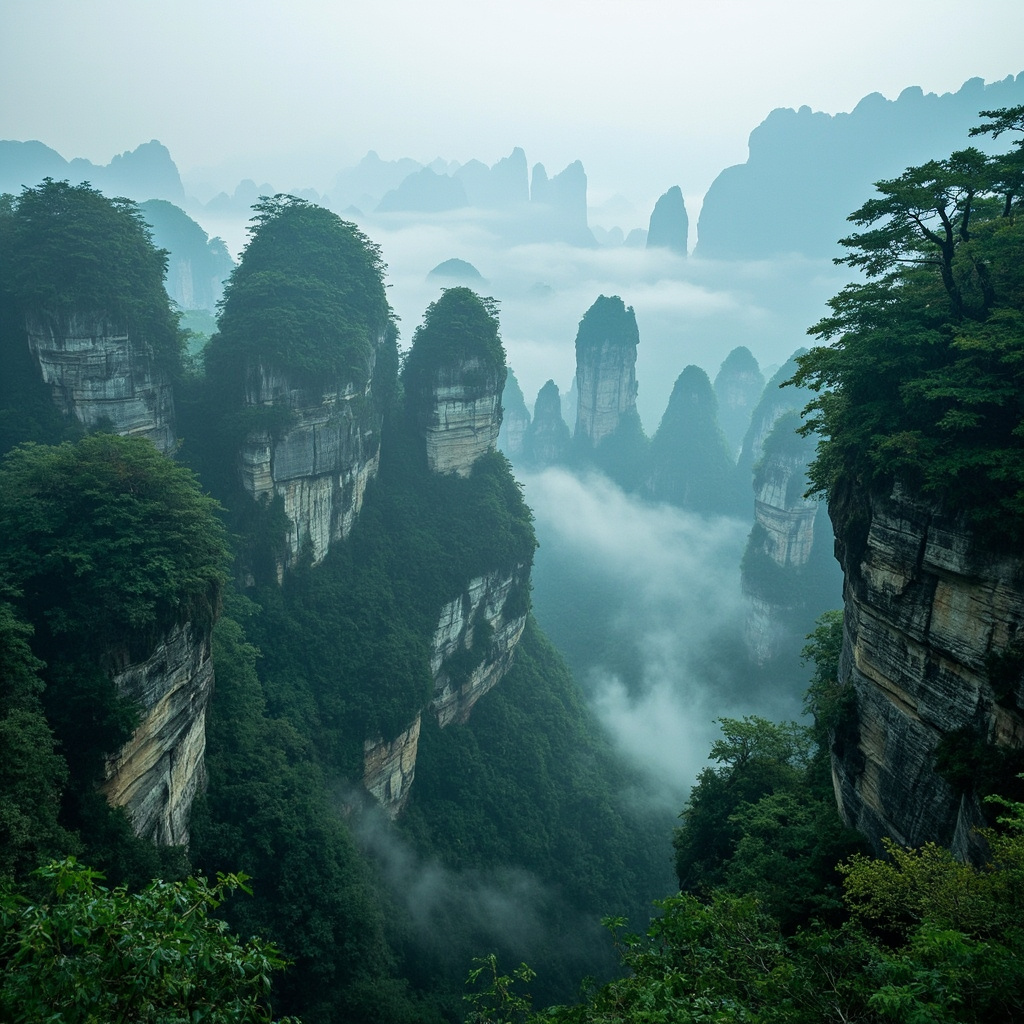
Zhangjiajie’s quartz sandstone pillars inspired James Cameron’s Avatar and continue to awe visitors with their otherworldly landscapes. The park’s quartz sandstone pillars, some rising over 400 meters, create a forest of stone that disappears into sea mists throughout the day. While the park has become more popular in recent years, the sheer scale of the area means that quieter trails still exist away from the main viewing platforms. The Zhangjiajie Grand Canyon’s glass bridge offers heart-pounding views over a 300-meter drop, while the Bailong Elevator carries visitors up the side of a cliff for panoramic views. Best visited during spring and autumn, the park rewards those who arrive early to experience the morning mist rising between the peaks.
2. Guizhou: China’s Best-Kept Secret
Guizhou province remains largely unknown to international tourists despite offering China’s most authentic minority cultures and breathtaking landscapes. Xijiang Miao Village, the largest Miao settlement in China, cascades down a mountainside in dramatic terraced stilt architecture that creates an unforgettable sight. The Huangguoshu Waterfall, China’s largest waterfall, rivals Niagara in its power and beauty. Guizhou’s unique geography of karst mountains, underground rivers, and terraced rice fields creates landscapes that photographers dream about. The province’s ethnic diversity, with Miao, Dong, and Buyi minorities each maintaining distinctive traditions, offers cultural experiences found nowhere else in China.
3. Xinjiang: China’s Wild West
Xinjiang’s dramatic landscapes range from the Taklamakan Desert, one of the world’s largest sand deserts, to the snow-capped Karakoram mountain peaks that border Pakistan. Kashgar’s Sunday market brings together thousands of traders and Uyghur families for a weekly market unchanged for generations, offering everything from spices and textiles to livestock and traditional crafts. The region’s Uyghur culture, with its Central Asian influences, provides a completely different experience from eastern China. The ancient Silk Road cities of Turpan and Dunhuang offer oasis history and Buddhist cave art that tell the story of cultural exchange along the historic trade routes.
4. Yunnan: China’s Cultural Crossroads
Yunnan’s extreme diversity in climate and culture makes it China’s most fascinating province for extended exploration. Tiger Leaping Gorge ranks among the world’s great hikes, following a trail carved into the side of a gorge where the river drops 2,500 meters between parallel mountain ranges. Lijiang’s ancient town, while touristy, still charms with its network of canals and Naxi minority culture. Shangri-La, formerly known as Zhongdian, offers Tibetan culture at a lower altitude than Tibet itself, making it accessible to travelers concerned about altitude sickness. Yuanyang’s rice terraces, carved by Hani farmers over 1,000 years, create patterns that change color with the seasons and have been designated a UNESCO World Heritage site.
Conclusion
China’s underrated destinations reward adventurous travelers with authentic experiences, genuine hospitality, and landscapes that often exceed famous sites in beauty and grandeur. Exploring these hidden gems requires more time and flexibility than visiting mainstream attractions, but the memories you create will be far more lasting and meaningful.
How to Reach These Hidden Gems
Reaching these underrated destinations requires more planning than visiting major cities but is generally straightforward with China excellent transportation network. Most destinations are accessible by high-speed rail or domestic flights from major hubs, followed by local buses or taxis for the final leg. Zhangjiajie has its own airport with flights from major cities, making it the most accessible of these hidden gems. Guizhou high-speed rail network has improved dramatically, with Guiyang now connected to major cities by multiple daily trains. Xinjiang long-distance trains offer an adventure in themselves, crossing vast landscapes that reveal the scale of China geography. Yunnan extensive bus network connects smaller towns and villages that trains do not serve. Booking transportation in advance is recommended, especially during peak travel seasons when tickets sell out quickly.
Accommodation Options
Accommodation options in these less-visited destinations range from basic guesthouses to comfortable hotels. In smaller towns and rural areas, family-run guesthouses often provide the most authentic experience, with homemade meals and personal attention from hosts who take pride in sharing their local culture. These guesthouses may lack Western amenities like private bathrooms or reliable hot water, but the cultural exchange opportunities compensate for any discomfort. In larger towns and county seats, chain hotels offer reliable standards familiar to international travelers. Booking platforms like Ctrip provide user reviews and booking options for most accommodations, though English language support may be limited in smaller establishments. During peak seasons, booking ahead is essential as accommodation options may be limited.
Cultural Sensitivity in Minority Regions
Several of these hidden gems are located in regions inhabited by ethnic minorities with distinct cultures and customs. Showing respect for local traditions enhances your experience and ensures positive interactions with community members. Dress modestly, especially when visiting religious sites or traditional villages. Ask permission before photographing people, particularly elders and children, and respect refusals. Learn about local customs before visiting, such as appropriate greetings and taboos to avoid. Purchase handicrafts directly from artisans rather than intermediaries, supporting local economies directly. Consider hiring local guides who can provide deeper insights into cultural practices and facilitate meaningful exchanges with community members. Responsible travel practices ensure that tourism benefits local communities rather than disrupting traditional ways of life.
Planning Your Hidden Gems Itinerary
Creating an effective itinerary for visiting China hidden gems requires prioritizing destinations based on your interests, available time, and travel preferences. Each region requires a minimum of three to five days to experience its highlights without rushing, and trying to visit too many destinations results in spending more time in transit than exploring. A focused itinerary covering two or three hidden gems provides deeper experiences than an ambitious schedule attempting five or six. Consider the distances between destinations, allowing adequate travel time that includes transportation between cities and local transit to attractions. Weather conditions vary significantly between regions and seasons, with some destinations being inaccessible or unpleasant during certain months.
Photography in Hidden Gems
China hidden gems offer exceptional photography opportunities that reward preparation and patience. Early morning light provides the best conditions for landscape photography, with soft golden light and atmospheric mist that adds depth to images. Late afternoon light creates similar quality with warm tones and long shadows. Tripods are essential for landscape photography in low-light conditions but may be restricted at some popular viewpoints. Local people photography requires sensitivity and permission, with offering a small gift or showing subjects their photograph on your camera helping to build rapport. The unique landscapes and cultural scenes found in China hidden gems provide photographic subjects that will distinguish your travel portfolio from typical tourist photography.