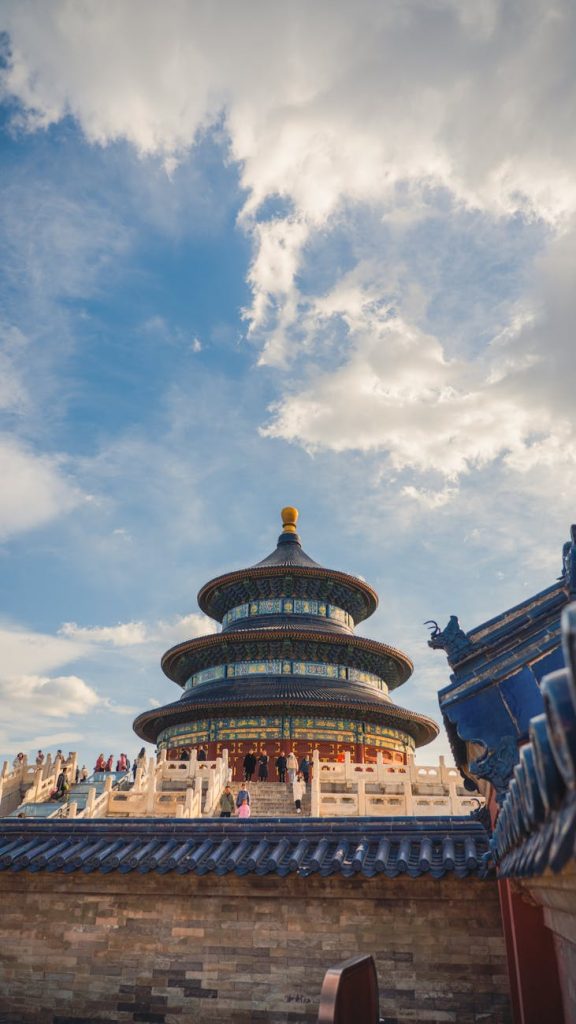
Choosing when to visit China significantly impacts travel experiences, as the country’s vast geography creates dramatically different conditions across regions and seasons. This comprehensive seasonal guide helps travelers plan optimal timing for their specific interests, weather preferences, and budget considerations. Understanding China’s seasonal patterns is essential for making the most of your visit, whether you are interested in seeing cherry blossoms in spring, avoiding summer crowds, or experiencing winter festivals.
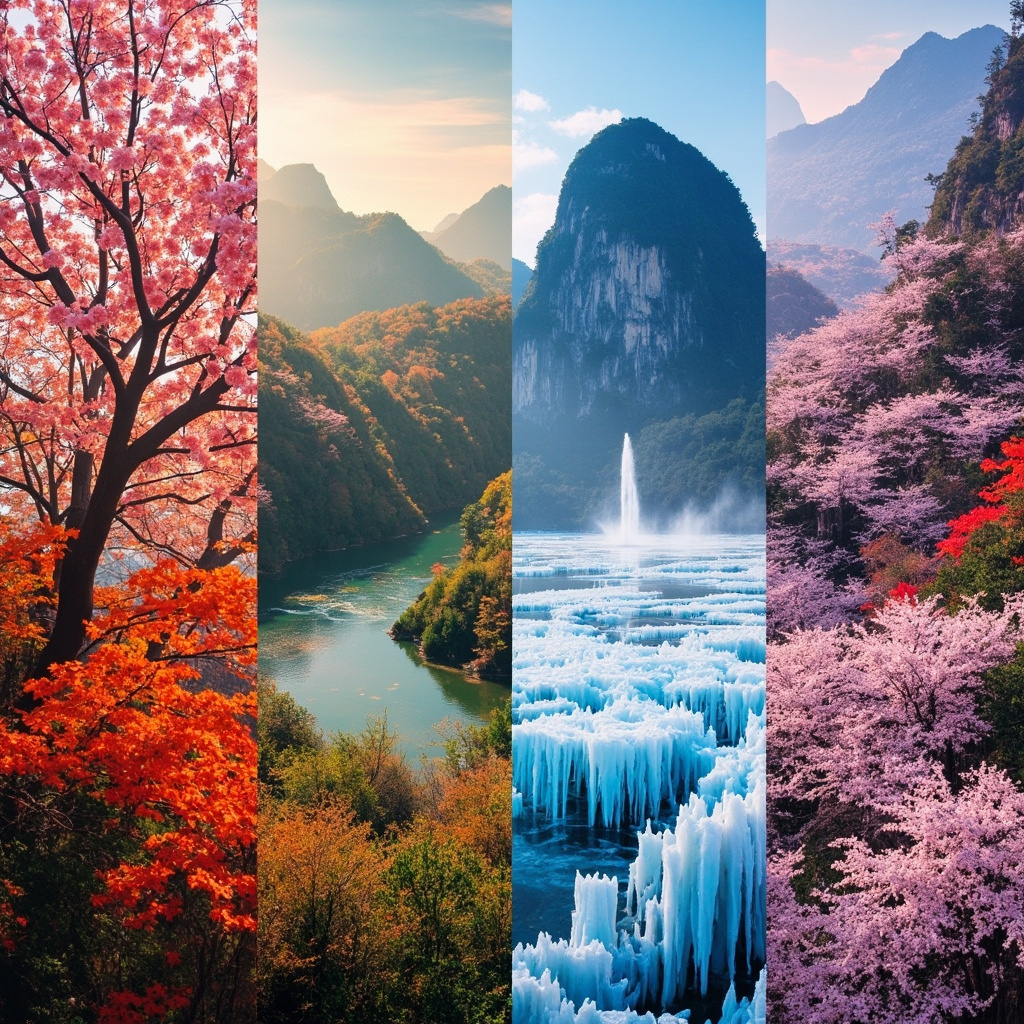
China spans a remarkable range of latitudes, from the cold northern regions near Siberia to the tropical southern island of Hainan, creating diverse climate zones that offer suitable travel conditions somewhere in the country throughout the year. This diversity means that even during unfavorable seasons in one region, another part of China may offer perfect conditions for your preferred activities.
Spring in China (March to May)
Spring generally offers China’s most pleasant weather across most destinations, with mild temperatures, blooming flowers, and moderate rainfall that creates lush green landscapes. March features cherry blossoms in Wuhan and Luoyang’s famous peony festival, where millions of peony flowers bloom in spectacular displays. April brings Qingdao’s cherry blossom festivals and the start of Yangtze Three Gorges cruise season, when the river is at beautiful levels. May showcases Yunnan’s rice terraces planted with vivid green seedlings, creating patterns that photographers love. Spring is ideal for visiting Beijing, Xi’an, and Shanghai, as temperatures are comfortable for walking tours without the summer heat and humidity. However, spring also brings the Qingming Festival and Labor Day holidays, which can increase domestic travel crowds at popular attractions.
Summer in China (June to August)
Summer brings heat, humidity, and rain to most destinations, particularly in central and southern China where temperatures regularly exceed 35 degrees Celsius. June features the Dragon Boat Festival celebrations across China, with colorful dragon boat races and traditional rice dumplings. July brings Qinghai Lake’s rapeseed flower carpets, which turn the lakeside into a brilliant yellow paradise, while the surrounding highlands offer cooler temperatures perfect for escaping the lowland heat. August sees many Chinese families traveling for summer vacations, making it the busiest time for domestic tourism. Summer is actually the best time to visit high-altitude destinations like Tibet, Qinghai, and parts of Yunnan, where the weather is mild and pleasant. Mountain resorts like Mount Huangshan and Mount Emei also offer cooler conditions and spectacular summer scenery with dramatic cloud formations.
Autumn in China (September to November)
Autumn represents China’s most spectacular season for most destinations, with comfortable temperatures, clear skies, and autumn foliage transforming landscapes into brilliant displays of red, orange, and gold. September offers ideal conditions for hiking the Great Wall and exploring Beijing’s outdoor attractions without the summer crowds. October brings the National Day Golden Week, which is China’s biggest travel period and should be avoided if possible due to massive crowds and inflated prices. November provides excellent conditions for visiting Guilin and Yangshuo, when the rice terraces are golden and the weather is cool and clear for photography. Autumn is also the best time for cruising the Yangtze River, as the famous Three Gorges are particularly beautiful with autumn colors adorning the steep cliffs along the riverbanks.
Winter in China (December to February)
Winter transforms China into dramatically different experiences depending on the region. Northern China becomes cold and dry, with Beijing temperatures often dropping below freezing, creating perfect conditions for enjoying the city’s indoor attractions like the Forbidden City museums and hutong restaurants. December marks the start of the Harbin Ice Festival construction, which culminates in January with spectacular ice and snow sculptures that create a winter wonderland. January brings the massive Chinese New Year Spring Festival migration, the world’s largest annual human migration, which causes transportation chaos but offers unique cultural experiences for those who plan carefully. February sees Spring Festival celebrations across China, with spectacular fireworks, family reunions, and festive decorations everywhere. Southern China, particularly Yunnan, Guangxi, and Hainan, offers mild winter temperatures perfect for escaping northern cold.
Conclusion
China’s seasonal diversity creates year-round opportunities for exceptional journeys. Matching destinations to seasons ensures optimal conditions for planned activities. For first-time visitors with flexible schedules, spring and autumn offer the most comfortable overall conditions across the most popular destinations, making these seasons the optimal choice for comprehensive China itineraries.
Festival and Event Calendar
Planning your visit around Chinese festivals and events adds cultural richness to your travel experience but requires awareness of their impact on travel conditions. Chinese New Year in January or February is the most important holiday, with massive family reunions causing transportation chaos for about two weeks. Cities empty as residents return to hometowns, but popular tourist destinations become crowded with holiday travelers. The Qingming Festival in April sees families visiting ancestral graves, with increased domestic travel to scenic areas. Labor Day in early May creates another peak travel period. The Dragon Boat Festival in June features dragon boat races and traditional rice dumplings. The Mid-Autumn Festival in September or October celebrates the harvest moon with mooncakes and family gatherings. National Day Golden Week from October 1 to 7 is the busiest travel period of the year, with attractions, trains, and hotels operating at maximum capacity.
Packing by Season
Packing appropriately for China seasonal conditions ensures comfort throughout your trip. Spring requires layers, as temperatures vary widely between morning and afternoon, along with a light rain jacket for April showers. Summer demands light, breathable clothing, sun protection, and rain gear for monsoon rains, with umbrellas essential for afternoon downpours. Autumn calls for medium-weight layers, with warmer clothing needed in northern regions where temperatures drop significantly in October and November. Winter requires heavy coats, thermal underwear, hats, gloves, and scarves in northern China, while southern regions need only light jackets. Regardless of season, comfortable walking shoes are essential for exploring China attractions, and a reusable water bottle helps stay hydrated throughout the day.
Photography Opportunities by Season
Each season offers distinct photography opportunities that capture different aspects of China beauty. Spring provides cherry blossoms in Wuhan and Beijing, rapeseed flowers in Yunnan, and fresh green rice terraces in Guangxi. Summer offers dramatic cloud formations over mountain landscapes, lotus flowers in full bloom, and golden sunlight during long daylight hours. Autumn delivers spectacular foliage color in Beijing parks, the Jiuzhaigou valley, and mountain destinations, with clear skies providing excellent conditions for landscape photography. Winter creates stark beauty in northern landscapes, snow-covered temples and mountains, and unique opportunities for photographing ice sculptures in Harbin. Planning photography around seasonal highlights ensures you capture China most photogenic moments.
Regional Festivals Worth Planning Around
Beyond the national holidays, regional festivals throughout China offer unique cultural experiences. The Harbin Ice and Snow Festival from December to February features enormous ice and snow sculptures illuminated at night. The Pingyao International Photography Festival in September transforms the ancient walled city into a gallery of contemporary photography. The Qingdao International Beer Festival in August combines Chinese hospitality with German brewing traditions. The Shanghai International Film Festival in June attracts filmmakers and cinema enthusiasts from around the world. Planning your visit around these festivals adds cultural depth to your China experience.
Travel Insurance and Medical Preparedness
Comprehensive travel insurance is essential for China travel given the potential costs of medical emergencies and trip disruptions. Policies should cover medical evacuation, which can cost tens of thousands of dollars for transport from remote areas to adequate medical facilities. Trip cancellation coverage protects your investment if unexpected events force changes to your itinerary. Pre-existing medical conditions should be declared when purchasing insurance. Major Chinese cities have international hospitals with English-speaking staff and Western medical standards. Carrying a basic medical kit with common medications and first aid supplies is recommended. Registering with your embassy upon arrival provides access to consular assistance if needed.