
Shaolin Kung Fu is the most famous martial art in China, with a history stretching back over 1,500 years to the Shaolin Temple in Henan Province. Born in this ancient Buddhist monastery, Shaolin monks developed sophisticated combat techniques not merely for fighting, but as a path to spiritual enlightenment, physical health, and mental discipline. The combination of Buddhist philosophy with martial practice created a unique tradition that has influenced martial arts throughout East Asia and continues to captivate people worldwide.
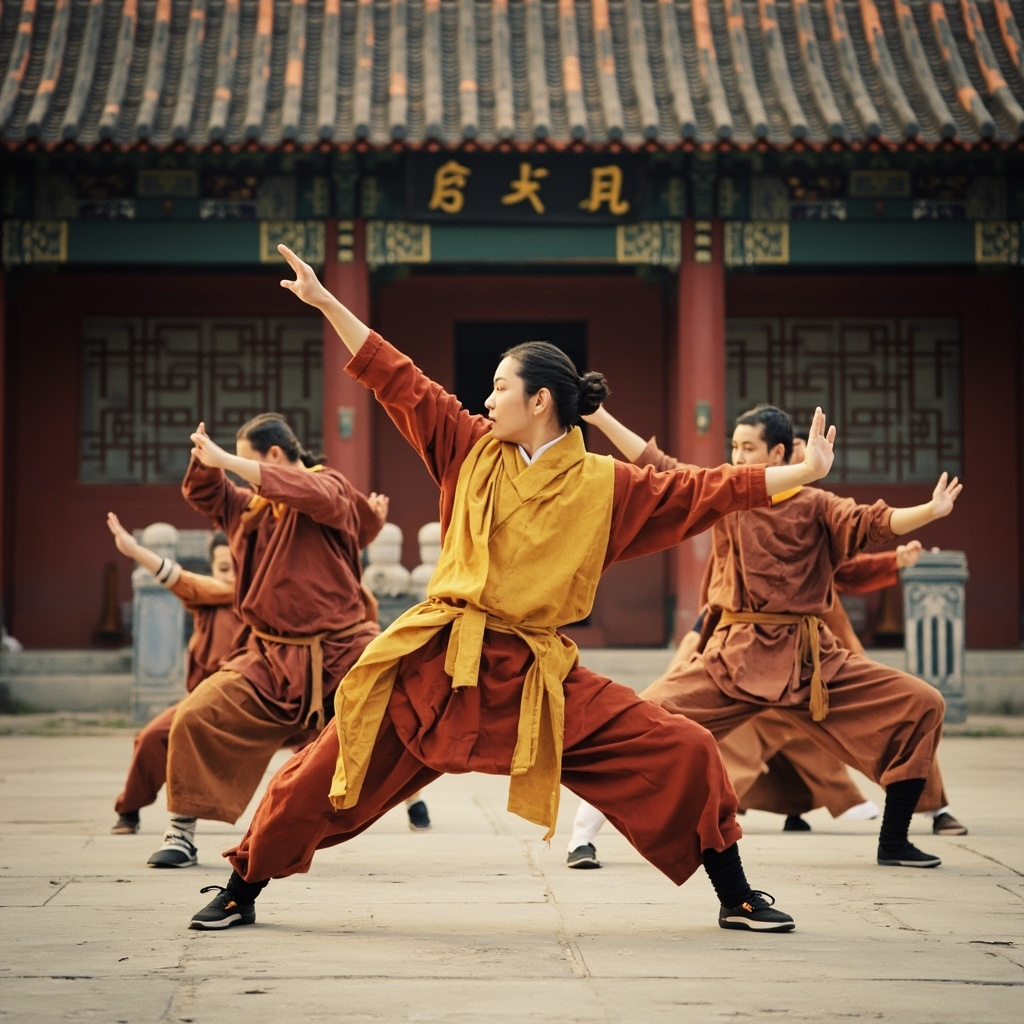
The legend of Shaolin Kung Fu begins with Bodhidharma, an Indian Buddhist monk who traveled to China in the 6th century and founded the Chan Zen school of Buddhism at Shaolin Temple. According to tradition, Bodhidharma found the monks too weak to sustain long periods of meditation and thus developed a series of exercises to strengthen their bodies and focus their minds. These exercises evolved into sophisticated martial techniques, and the temple became renowned as a center for Buddhist martial training. Over the centuries, Shaolin monks developed hundreds of distinct fighting styles, each with its own forms, techniques, and philosophical principles that reflected different aspects of the temple’s martial heritage.
History and Development
Shaolin Temple’s martial reputation grew during the Tang Dynasty when thirteen Shaolin monks helped the future Emperor Li Shimin defeat a rival army, earning imperial favor and protection that allowed the temple to flourish. Throughout Chinese history, Shaolin monks were called upon to defend the nation and the temple, developing increasingly sophisticated combat techniques through practical experience. The temple reached its golden age during the Ming Dynasty, when it maintained the largest and most disciplined monastic army in China, with thousands of warrior monks trained in both martial arts and Buddhist scripture. The Qing Dynasty brought periods of persecution, and the temple was destroyed and rebuilt multiple times, most recently in 1928 when a warlord burned the temple, destroying centuries of manuscripts and records. Despite these setbacks, Shaolin Kung Fu survived through the dedication of masters who preserved and transmitted the tradition orally and through practice.
Key Styles and Techniques
Shaolin Kung Fu encompasses hundreds of distinct styles, each emphasizing different techniques, principles, and animal inspirations. The Five Animal styles form the core of Shaolin training, with each animal representing specific combat strategies and training methods. The Tiger style develops powerful bones and aggressive techniques, emphasizing strength and direct attacks. The Crane style builds tendon strength and uses evasive footwork, with techniques focused on precision and timing. The Leopard style develops explosive speed and rapid combinations, training the practitioner to strike quickly and withdraw. The Snake style cultivates internal energy or qi, using fluid, circular movements and precise striking to soft targets. The Dragon style develops spirit and overall coordination, combining elements of all other styles in a comprehensive system. Each style requires years of dedicated practice to master, and advanced students typically specialize in one or two animals while maintaining competence in all five.
Training Methods and Philosophy
Traditional Shaolin training follows a structured progression that develops physical conditioning, technical skill, and mental discipline simultaneously. Students begin with basic stances, which appear simple but require enormous strength and endurance to hold correctly. The horse stance, which involves squatting with thighs parallel to the ground, builds leg strength and mental focus through extended holds that can last for hours in traditional training. After mastering basic stances, students progress to fundamental techniques, then to forms that combine techniques into choreographed sequences, and finally to free sparring and applications. Throughout training, Buddhist philosophy and meditation practice accompany physical training, with students learning to cultivate inner peace alongside martial skill. The principle of wu de, or martial virtue, emphasizes that martial skill without moral character is dangerous and incomplete, teaching students to use their abilities only for protection and justice.
Modern Shaolin and Global Influence
Today, Shaolin Temple attracts students from around the world who come to train at the source of this ancient tradition. The temple has established cultural centers in dozens of countries, and Shaolin monks tour internationally performing demonstrations that showcase their incredible physical abilities. Modern Shaolin training has adapted to contemporary needs, with programs designed for health, fitness, and personal development alongside traditional combat training. The global popularity of Shaolin Kung Fu has led to numerous films, documentaries, and television programs that have spread awareness of this martial tradition to audiences worldwide. Despite modernization, the temple maintains its essential character as a Buddhist monastery where martial training serves spiritual development, preserving the ancient connection between physical discipline and spiritual growth.
Conclusion
Shaolin Kung Fu offers practitioners a complete system of physical training, mental discipline, and spiritual development that has been refined over 1,500 years. The temple provides transformative experiences for those who visit, whether for serious training or cultural exploration. The combination of martial arts, Buddhist philosophy, and Chinese cultural heritage makes Shaolin a unique and invaluable part of world cultural heritage.
Training at Shaolin Temple Today
For those inspired to experience Shaolin training firsthand, the temple offers programs ranging from short-term introductory courses to long-term intensive training. Short-term programs lasting one week to one month provide an introduction to basic Shaolin techniques and philosophy, suitable for fitness enthusiasts and martial arts beginners. These programs include daily training sessions, meditation practice, and cultural activities that provide a comprehensive introduction to temple life. Long-term programs lasting three months to several years follow the traditional training curriculum and are suitable for serious martial arts students who can dedicate themselves to full-time practice. Living conditions at the temple are basic, with shared dormitories and simple vegetarian meals that reflect the monastic lifestyle. Training typically begins at 5 AM with morning meditation and conditioning, continuing with technique practice throughout the day until evening. The discipline required for temple training develops not only physical skill but also mental fortitude and spiritual awareness that students carry with them for life.
Famous Shaolin Masters
Throughout its long history, Shaolin Temple has produced many legendary masters who contributed to the development and spread of Shaolin Kung Fu. Venerable Master Su Xi, the current abbot, has led the temple’s revival in the modern era, expanding its international presence while maintaining traditional practices. Master Shi Deqian is renowned for his expertise in Shaolin Qi Gong and internal energy cultivation, teaching students the subtle aspects of martial arts that go beyond physical technique. Master Shi Yongxin has focused on preserving Shaolin cultural heritage and establishing the temple as a UNESCO World Heritage site. These masters represent living links to the 1,500-year tradition of Shaolin martial arts, embodying the combination of martial skill and spiritual wisdom that defines authentic Shaolin training.
Shaolin Kung Fu in Popular Culture
Shaolin Kung Fu has had a profound influence on global popular culture through films, television, and literature. The 1970s and 1980s saw a golden age of Shaolin-themed films produced by Hong Kong studios, with movies like The 36th Chamber of Shaolin and Shaolin Temple starring Jet Li introducing international audiences to the legend of the warrior monks. These films, while dramatized for entertainment, brought genuine attention to Shaolin martial arts and inspired many Westerners to seek authentic training. More recently, documentaries and travel shows have provided more accurate portrayals of temple life and training, while video games and anime continue to feature Shaolin-inspired characters and fighting styles. This cultural presence has helped maintain Shaolin relevance in the modern world while attracting students from every continent to train at the temple.