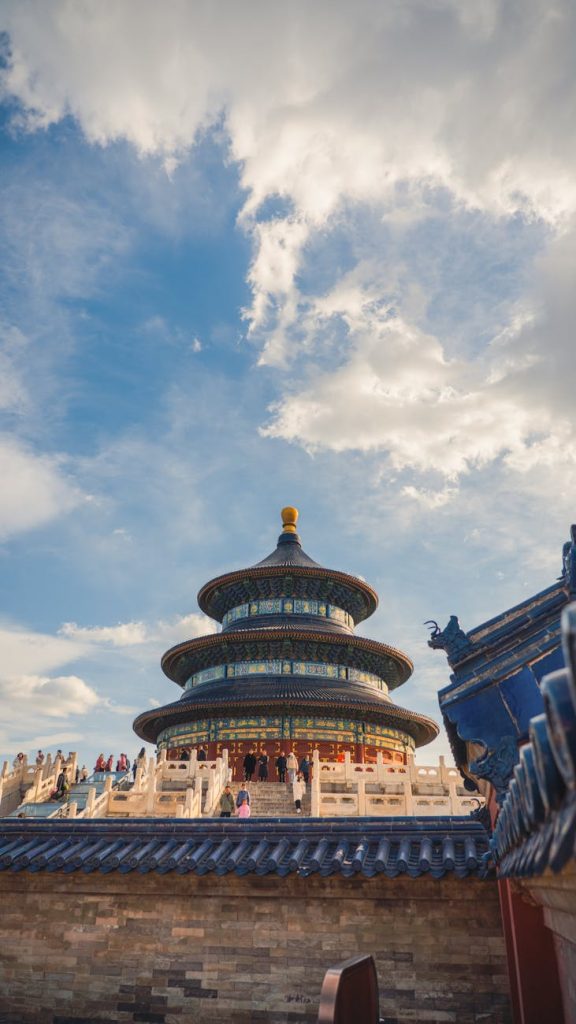
Chinese New Year, also called Spring Festival, is the most important traditional celebration in Chinese culture. Families gather for reunion dinners, exchange red envelopes, and enjoy spectacular fireworks displays nationwide. This comprehensive guide explores the customs, foods, and traditions of this beloved festival that has been celebrated for over 4,000 years and continues to be the most significant annual event for Chinese communities worldwide.
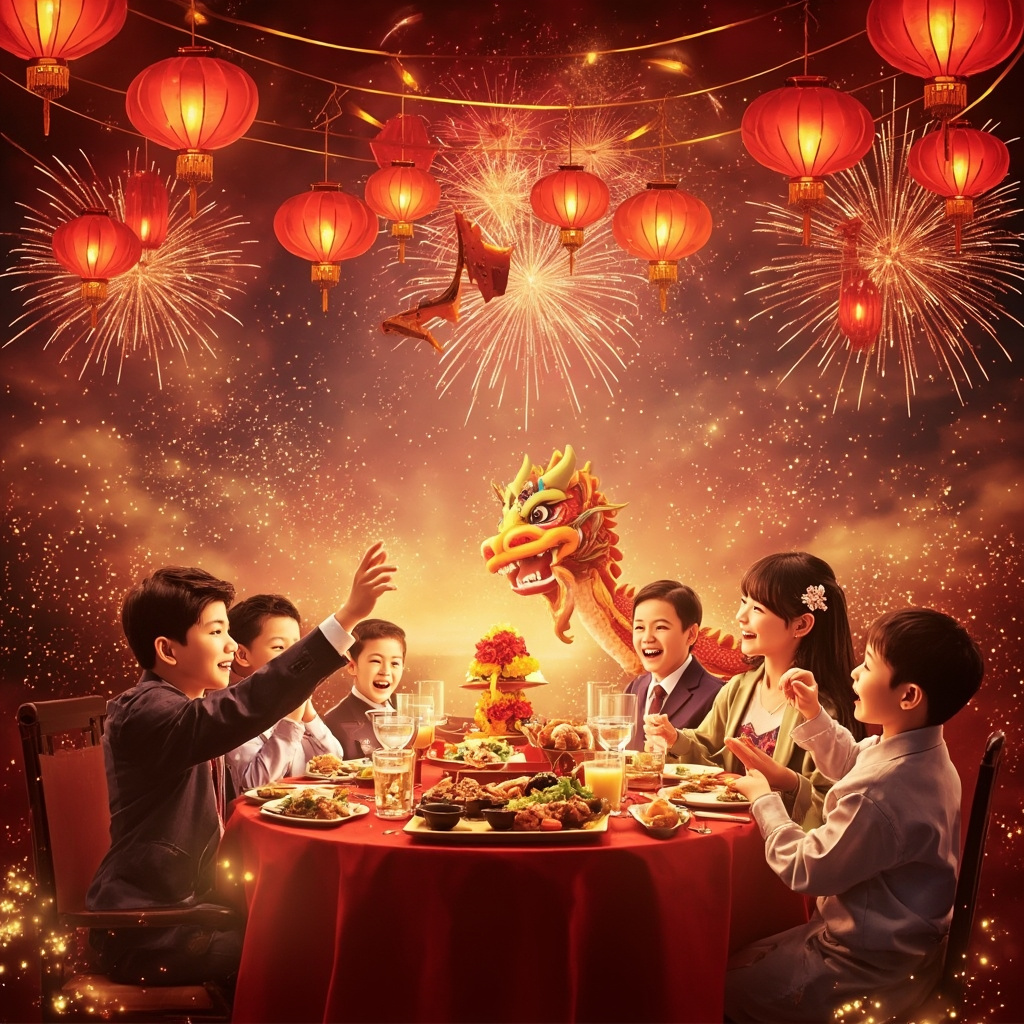
The Spring Festival marks the beginning of the lunar new year and is deeply rooted in Chinese mythology and agricultural traditions. According to legend, the festival began with the fight against a mythical beast called the Nian, who would come on the first day of the new year to devour livestock, crops, and even villagers. The people discovered that the Nian was afraid of the color red, bright lights, and loud noises, which is why these elements feature so prominently in Chinese New Year celebrations today. Understanding this legend adds depth to the festivities you will witness during this magical time of year.
Festival Preparations
In the weeks leading up to Chinese New Year, families engage in thorough preparations that have been passed down through generations. Houses are cleaned from top to bottom to sweep away any bad luck from the previous year and make room for good fortune. This cleaning must be completed before New Year’s Eve, as sweeping during the new year period is believed to sweep away good luck. Families purchase new clothes, traditionally in red, and stock up on special foods and decorations. Markets overflow with traditional goods including spring festival couplets bearing auspicious phrases, paper cuttings featuring the zodiac animal of the coming year, and festive foods like dried fruits and candies. The preparation period also includes making offerings to ancestors and kitchen gods, seeking their blessings for the coming year.
New Year’s Eve Dinner
The reunion dinner on New Year’s Eve is the emotional heart of the Spring Festival, bringing extended families together for elaborate feasts that often include more than a dozen dishes. Each dish on the table carries symbolic meaning: whole fish represents abundance and surplus, dumplings shaped like ancient silver ingots symbolize wealth, and long noodles represent longevity. The dinner is traditionally held at the home of the eldest family member, and absent family members are remembered with empty seats and place settings. The meal can last for hours as family members catch up on each other’s lives, share stories, and strengthen family bonds. After dinner, families traditionally stay awake until midnight, a practice known as staying up to see the old year out and welcome the new year in.
Red Envelopes and Gift Traditions
Elders give red envelopes containing money to children and unmarried adults as symbols of good wishes and luck for the coming year. The amount of money should ideally contain even numbers, as odd numbers are associated with funerals. The number eight, which sounds like the word for wealth in Chinese, is considered particularly auspicious. Red envelopes are also given by employers to employees and by married couples to unmarried friends and relatives. In recent years, digital red envelopes sent through WeChat have become hugely popular, allowing people to send lucky money to friends and family across distances. The tradition of giving red envelopes reinforces social bonds and expresses care and generosity within the community.
Festive Foods and Their Meanings
Traditional Chinese New Year foods are rich in symbolic meaning. Dumplings, shaped like ancient Chinese silver ingots, represent wealth and prosperity. Fish, the Chinese word for which sounds like surplus, represents abundance and is traditionally served whole to symbolize a good beginning and end for the coming year. Spring rolls symbolize wealth because their golden cylindrical shape resembles gold bars. Sweet rice balls called tangyuan represent family togetherness and unity. Niangao, or sticky rice cake, symbolizes achieving higher success each year. Each region has its own specialties, with northern families emphasizing dumplings and southern families preparing elaborate rice cake dishes. The symbolic meanings behind these foods transform the New Year feast into a meal rich with hopes and wishes for the months ahead.
Lion and Dragon Dances
Colorful lion dances and dragon performances fill streets during Spring Festival celebrations. These dynamic performances ward off evil spirits and bring good luck to businesses and homes. Lion dancers, who train for years to perfect their athletic movements, perform to the beat of drums, cymbals, and gongs, creating an energetic atmosphere that draws crowds wherever they perform. Dragon dances, which require teams of dancers to coordinate the movements of a long dragon figure, are particularly spectacular during evening celebrations when the dragons are illuminated from within. Performances often include acrobatic elements and comedic interactions between the performers and the audience, adding entertainment value to the traditional ritual purpose.
Conclusion
Chinese New Year offers extraordinary cultural experiences that reveal the depth of Chinese family values and traditions. Visiting China during this period provides unforgettable encounters with authentic celebrations, though travelers should plan carefully given the massive transportation demands. The warmth of family reunions, the excitement of fireworks, and the delicious symbolism of festival foods combine to create an experience that captures the essence of Chinese culture.
Spring Festival Travel Tips
Traveling during Chinese New Year presents unique challenges and opportunities. Transportation during the Spring Festival period is the most intense of the year as hundreds of millions of Chinese travel to their hometowns for family reunions. Train tickets sell out within minutes of release, and flights are significantly more expensive than usual. If you plan to travel during this period, booking transportation at least two months in advance is essential. Major cities like Beijing and Shanghai become notably less crowded as migrant workers return to their hometowns, making this an excellent time to visit normally crowded attractions. Hotels in major cities often offer discounts during Spring Festival as business travel decreases. Many restaurants and shops close for several days during the holiday, so checking opening hours in advance helps avoid inconvenience.
The Zodiac Animals and New Year Traditions
The Chinese zodiac plays a central role in New Year traditions and cultural beliefs. The 12-year cycle features rat, ox, tiger, rabbit, dragon, snake, horse, goat, monkey, rooster, dog, and pig, each associated with specific personality traits. Each year is dedicated to one animal, and people born in that year are believed to share characteristics of that animal. During their zodiac year, people traditionally wear red clothing for protection against bad luck. The new year decorations feature the zodiac animal prominently throughout the holiday season. Understanding the zodiac adds depth to New Year observations and provides conversation topics with Chinese friends and colleagues.
Regional New Year Food Specialties
Chinese New Year foods vary significantly by region, with each area developing distinctive dishes that reflect local ingredients and culinary traditions. Northern families typically prepare dumplings filled with pork, cabbage, and chives, often hiding a coin in one dumpling for good luck. Southern families serve rice cakes called niangao, symbolizing progress and achievement in the coming year. Cantonese families prepare fa gao, steamed prosperity cakes that crack open on top like flowers, with the size of the cracks believed to predict the family fortune. Sichuan families include spicy dishes that represent the region bold character. In Shanghai, the New Year feast features eight cold dishes and eight hot dishes, with the number eight representing prosperity. These regional variations reflect the diversity of Chinese culinary culture while maintaining the shared symbolism of food for family unity and good fortune.
New Year Decorations and Their Meanings
Chinese New Year decorations are rich in symbolism, with each element carrying specific meanings and purposes. Spring couplets written on red paper display auspicious phrases wishing for happiness, wealth, and good fortune, posted on doorframes to welcome positive energy. The character fu meaning fortune is displayed upside down on doors, with the wordplay of upside down sounding like arrival, meaning fortune has arrived. Paper cuttings in windows depict zodiac animals, flowers, and auspicious symbols, with intricate designs that demonstrate folk artistry. Door gods printed on paper guard entrances against evil spirits, their fierce expressions warding off negative influences. Lanterns hung throughout homes and streets represent brightness and hope for the future. Kumquat trees with their round golden fruits symbolize wealth and good luck, often displayed in homes and businesses. Understanding these decorations adds meaning to the festive atmosphere that transforms China during Spring Festival.