## Introduction: Why China Should Be on Your Travel Bucket List
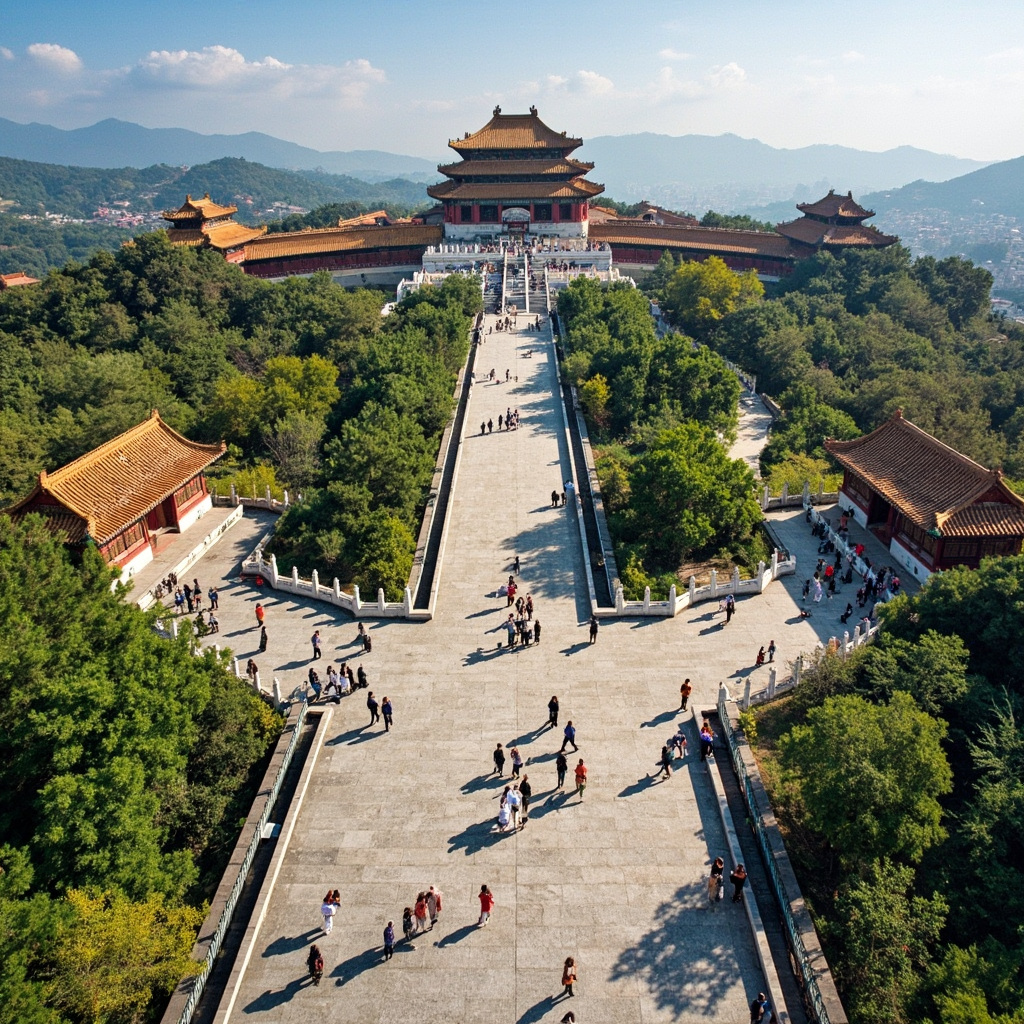
China stands as one of the world’s most captivating travel destinations, offering an extraordinary blend of ancient wonders, natural splendor, and modern marvels. From the iconic Great Wall snaking across misty mountains to the serene beauty of Guilin’s karst landscapes, this vast nation presents travelers with experiences that span thousands of years of civilization and diverse geographical wonders.
As the world’s most populous country with 5,000 years of continuous history, China boasts more UNESCO World Heritage Sites than any other nation except Italy. Whether you’re drawn to imperial palaces, ancient wonders, breathtaking natural parks, or vibrant metropolitan centers, China delivers unforgettable experiences at price points that often surprise Western travelers with their affordability.
This comprehensive guide explores China’s most essential tourist attractions, providing practical information including estimated costs in USD, best visiting times, and insider tips to help you plan an extraordinary journey through this remarkable destination.
## The Great Wall of China: An Engineering Marvel Spanning Millennia
No visit to China would be complete without experiencing the Great Wall, the single most recognizable symbol of Chinese civilization and ingenuity.
### Badaling Section: The Most Accessible Experience
The Badaling section, located approximately 50 miles (80 km) north of Beijing, represents the most accessible and consequently most crowded portion of the wall. Built during the Ming Dynasty (1368-1644), this restored section features well-maintained walkways and cable cars for those preferring not to climb steep steps.
**Practical Information:**
– Admission: $6-8 USD (40-55 CNY)
– Cable car round trip: $9-12 USD
– Best time to visit: Weekdays in spring or fall to avoid crowds
– Allow: 3-4 hours including transportation from Beijing
### Mutianyu Section: The Best Balance of Beauty and Accessibility
For travelers seeking a more authentic experience with fewer crowds, the Mutianyu section offers 1.4 miles (2.2 km) of fully restored wall featuring 22 watchtowers. This section is particularly spectacular during autumn when surrounding foliage transforms into vibrant reds and golds.
**Practical Information:**
– Admission: $7-10 USD (50-70 CNY)
– Toboggan ride down: $6 USD additional
– Shuttle bus from Beijing: $12-15 USD round trip
– Ideal for families with children
### Jinshanling and Simatai: The Adventurer’s Choice
Experienced hikers and photography enthusiasts should consider the Jinshanling-Simatai section, where unrestored portions offer glimpses of the wall in its original state. This 6.2-mile (10 km) trek takes 4-5 hours and rewards visitors with stunning sunrise and sunset views.
**Practical Information:**
– Admission: $8-10 USD
– Guide recommended for unrestored sections
– Best visited as part of an organized hiking tour from Beijing
## Beijing: Imperial Grandeur and Modern Energy
China’s capital city serves as the perfect introduction to the country’s rich imperial history and contemporary dynamism.
### The Forbidden City and Tiananmen Square
The Forbidden City (Zijin Cheng) represents the architectural culmination of imperial China, serving as the imperial palace from 1420 to 1912. This massive complex contains 980 buildings across 180 acres, offering visitors the chance to walk through centuries of Chinese imperial life.
**Practical Information:**
– Admission: $11-15 USD (April-October peak season), $8-10 USD (off-season)
– Audio guide rental: $6-8 USD
– Allow minimum 3-4 hours for thorough exploration
– Advance booking strongly recommended during Chinese holidays
Tiananmen Square, adjacent to the Forbidden City, ranks among the world’s largest public squares and holds profound historical significance. The imposing portrait of Mao Zedong hangs above the Tiananmen Gate, marking the symbolic center of modern China.
**Practical Information:**
– Square admission: Free
– Guard change ceremony: 6:00 PM daily (weather permitting)
### The Summer Palace: Imperial Garden Perfection
The Summer Palace (Yiheyuan) showcases the finest examples of Chinese garden design, serving as the summer retreat for Qing Dynasty emperors. The 700-acre complex features Kunming Lake, the Long Corridor with its 14,000 paintings, and the Marble Boat (Fuhai Lou).
**Practical Information:**
– Admission: $7-10 USD
– Summer boat ride on Kunming Lake: $3-5 USD
– Best visited in spring or fall for optimal weather
– Combined ticket with Garden of Excellence: $15-18 USD
### Temple of Heaven and Local Experiences
The Temple of Heaven (Tiantan) served as the sacred site where emperors performed annual rituals ensuring agricultural prosperity. The circular Hall of Prayer for Good Harvests with its triple-gabled roof represents one of Beijing’s most photographed structures.
**Practical Information:**
– Admission: $4-6 USD
– Morning tai chi sessions with locals: Free
– Visit early morning to witness traditional exercise activities
## Xi’an: Gateway to Ancient China
Xi’an stands as China’s ancient capital and home to some of the country’s most significant archaeological discoveries.
### The Terracotta Army: An Underground Army Awakened
Discovered by local farmers in 1974, the Terracotta Army (Bingmayong) represents one of archaeology’s greatest finds. This massive necropolis featuring thousands of life-sized warriors, horses, and chariots was commissioned by Emperor Qin Shi Huang to guard his tomb in the afterlife.
The site comprises three main pits plus the recently opened Emperor Qin Shi Huang’s Mausoleum Site Museum. Each warrior features unique facial characteristics, suggesting they were modeled after actual soldiers.
**Practical Information:**
– Admission: $15-18 USD (peak season), $12-15 USD (off-season)
– Audio guide: $5-7 USD
– Shuttle bus from Xi’an center: $2-3 USD
– Allow 2-3 hours for comprehensive visit
– Visit during lunch hours or late afternoon for reduced crowds
### Xi’an City Wall and Muslim Quarter
The Ming Dynasty city walls encircle Xi’an’s historic center, offering 8.5 miles (13.7 km) of bicycle path. The wall’s eight gates each bear names reflecting their functions, with the South Gate (Yongning) serving as the primary tourist entrance.
**Practical Information:**
– Bicycle rental: $6-8 USD for 2 hours
– Walking the full circuit: 3-4 hours
– Best experienced at sunset for photography opportunities
The Muslim Quarter (Huimin Jie) adjacent to the Great Mosque provides an extraordinary sensory experience, combining Hui Muslim culture with traditional Chinese architecture and street food. Don’t miss the biangbiang noodles and roujiamo (Chinese hamburger).
**Practical Information:**
– Street food costs: $1-5 USD per item
– Best visited evening when stalls are fully operational
– Cash preferred for food vendors
## Shanghai: Where East Meets West
Shanghai embodies China’s rapid modernization while preserving distinctive historic districts that showcase its colonial past.
### The Bund and Pudong Skyline
The Bund (Waitan) stretches along the Huangpu River waterfront, presenting 52 buildings representing various colonial architectural styles from Gothic to Art Deco. Evening illuminations transform the scene into one of Asia’s most spectacular urban vistas.
**Practical Information:**
– Walking along Bund: Free
– Huangpu River cruise: $25-35 USD
– Best viewed during blue hour for optimal photography
Across the river, Pudong’s futuristic skyline features the Shanghai Tower (world’s second tallest building at 2,073 feet/632 meters), Shanghai World Financial Center (Peach-shaped aperture at top), and Jin Mao Tower. The Shanghai Tower’s observation deck on the 118th floor offers unparalleled city views.
**Practical Information:**
– Shanghai Tower observation deck: $30-35 USD
– Shanghai Tower 118F + 119F: $25-28 USD
– Sunset timing tickets often sell out quickly
### Yu Garden and Old City
The Ming Dynasty Yu Garden (Yuyuan) provides a serene contrast to Shanghai’s modern bustle. This classical garden featuring elaborate pavilions, rockeries, and carp-filled ponds took 18 years to construct (1559-1577).
**Practical Information:**
– Garden admission: $6-8 USD
– Yuyuan Bazaar adjacent for souvenirs: Free to enter
– Most crowded during Chinese New Year period
## Zhangjiajie: Avatar’s Spiritual Homeland
Zhangjiajie’s extraordinary sandstone pillar formations served as inspiration for James Cameron’s Avatar, making this Hunan Province park increasingly popular among international visitors.
The park’s signature features include the 3,544-foot (1,080-meter) Avatar Hallelujah Mountain, translucent glass bridges, and hiking trails offering perspectives impossible to find elsewhere on Earth.
**Practical Information:**
– Multi-day ticket (valid 4 days): $25-35 USD
– Glass Bridge admission: $25 USD additional
– Accommodation in Wulingyuan town: $30-80 USD per night
– Best visited during shoulder seasons (April-May, September-October)
**Practical Tips:**
– The park is massive; allow 2-3 days minimum
– Shuttle buses between attractions are included in ticket
– Altitude can affect visitors from sea level; acclimatize before strenuous hiking
## Guilin and Yangshuo: Karst Paradise
Guilin’s dreamlike karst landscape has inspired Chinese poets and painters for centuries, offering serene boat trips, cycling through rice paddies, and exploring hidden caves.
### Li River Cruise
The four-hour Li River cruise from Guilin to Yangshuo passes through the most spectacular section of karst landscape, featuring bamboo groves, water buffalo, and fishermen with trained cormorants. This journey often appears in Chinese art and photography.
**Practical Information:**
– Standard cruise: $35-50 USD
– Deluxe/luxury options: $80-150 USD
– Includes buffet lunch
– Morning departure recommended for calmer waters and better lighting
### Yangshuo Countryside
Yangshuo serves as a base for exploring surrounding countryside through cycling, rock climbing, or cooking classes. The town itself maintains a laid-back atmosphere with Western-friendly infrastructure.
**Practical Information:**
– Bicycle rental: $3-5 USD per day
– Cooking class: $25-40 USD
– Impression of Liu Sanjie evening show: $60-80 USD
## Chengdu: Giant Pandas and Ancient Culture
Chengdu provides access to China’s most beloved ambassadors and UNESCO-recognized sites.
### Chengdu Research Base of Giant Panda Breeding
This world-renowned facility houses over 80 giant pandas and 47 red pandas, offering visitors exceptional opportunities to observe these endangered animals in naturalistic enclosures. Morning visits coincide with feeding times when pandas are most active.
**Practical Information:**
– Admission: $13-16 USD
– Volunteer programs: $150-200 USD (includes full day with keeper duties)
– Best visited opening time (7:30 AM)
– Summer visits offer smaller crowds but pandas spend more time in air-conditioned indoor areas
### Leshan Giant Buddha and Mount Emei
The Leshan Giant Buddha, a UNESCO World Heritage Site, stands 233 feet (71 meters) tall, carved directly into a cliff face at the confluence of three rivers during the Tang Dynasty (713-803). Construction took 90 years to complete.
**Practical Information:**
– Admission: $10-13 USD
– Boat viewing option: $8-10 USD additional
– Combine with Mount Emei for overnight trip (UNESCO site)
## The Silk Road: Western China’s Historical Corridor
China’s western regions offer extraordinary experiences for adventurous travelers.
### The Mogao Caves in Dunhuang
The Mogao Caves (Mogao Ku) contain 492 decorated caves with 45,000 square meters of murals and 2,000-plus painted sculptures, representing the world’s largest and most significant Buddhist art treasury. This UNESCO site preserves 1,000 years of artistic achievement.
**Practical Information:**
– Admission: $20-25 USD (advance booking essential)
– Digital exhibition center: Included in ticket
– Photography restrictions apply inside caves
– Allow 3-4 hours for comprehensive visit
### Kashgar Sunday Market
Kashgar’s legendary Sunday market represents Central Asia’s largest trading bazaar, where Uyghur merchants buy and sell livestock, dried fruits, spices, and traditional crafts. This centuries-old tradition continues essentially unchanged.
**Practical Information:**
– Best time: Sunday mornings from 9 AM
– Haggling expected and welcomed
– Bring small denomination bills
– Tourist-friendly but authentic experience
## Essential Travel Information and Practical Tips
### Best Time to Visit China
– **Peak season (April-May, September-October):** Optimal weather throughout most regions
– **Summer (June-August):** Hot and humid in the south; crowded with domestic tourists
– **Winter (December-February):** Cold but fewer crowds; ideal for Beijing and northern attractions
### Estimated Budget Breakdown
| Category | Budget Option | Mid-Range | Comfortable |
|———-|—————|———–|————-|
| Accommodation | $20-40/night | $50-100/night | $150+/night |
| Meals | $5-10/day | $15-30/day | $50+/day |
| Internal Transport | $20-50/trip | $50-150/trip | $200+/trip |
| Attractions | $100-200 total | $200-400 total | $400+ total |
### Visa and Entry Requirements
Most visitors require a tourist visa (L visa), with application typically taking 4-5 business days through Chinese embassies. Note that Hong Kong, Macau, and certain transit provisions offer visa-free access for specified periods.
### Getting Around
China’s high-speed rail network connects major cities efficiently, with Beijing-Shanghai routes taking under 5 hours. Domestic flights offer the fastest option for covering greater distances, with budget airlines frequently offering competitive pricing.
### Language and Communication
While Mandarin Chinese dominates, major tourist destinations feature English signage and English-speaking staff at hotels and attractions. Download translation apps offline and carry a phrasebook for more remote areas.
### Health and Safety
China maintains excellent medical facilities in major cities but limited availability in rural areas. Comprehensive travel insurance is strongly recommended. Street food is generally safe when following standard precautions.
## Conclusion: Your Chinese Adventure Awaits
China presents an unparalleled destination where ancient wonders coexist with cutting-edge modernity, where five millennia of continuous civilization offer endless discovery opportunities. From walking the ancient ramparts of the Great Wall to cruising past misty karst peaks on the Li River, from witnessing pandas in Chengdu to exploring futuristic Shanghai, China delivers experiences that transform understanding of world history and human achievement.
The practical information provided in this guide should help you plan intelligently, but remember that some of China’s greatest treasures emerge unexpectedly—in a hidden temple courtyard, a conversation with a local vendor, or a sunset viewed from an ancient wall. Approach this vast nation with curiosity, patience, and respect for its profound cultural depth.
Whether you have two weeks or two months, China rewards every traveler willing to explore beyond the surface, offering memories that last a lifetime and perspectives that fundamentally enrich understanding of human civilization’s remarkable journey.
Start planning your Chinese adventure today—extraordinary experiences await those who venture to this extraordinary land.
—
*Travel Tip: Book major attractions (Forbidden City, Terracotta Army, Zhangjiajie) well in advance during peak season. Consider hiring local guides for UNESCO sites to gain deeper historical and cultural context. Always carry valid identification as police checkpoints occur throughout China, particularly in western regions.*