**Introduction**
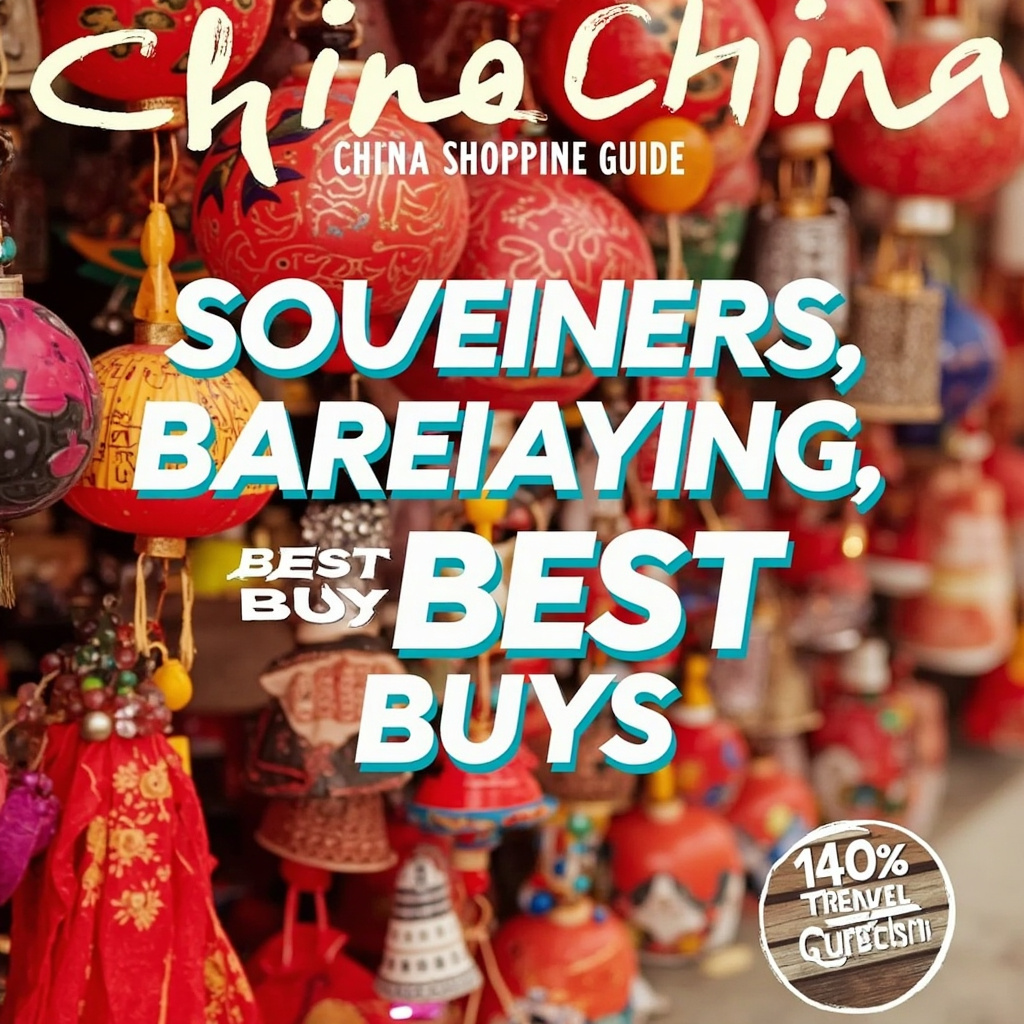
China is a shopaholic’s paradise, offering everything from ancient traditional crafts to cutting-edge electronics at prices that can be remarkably competitive. Whether you’re wandering through the bustling night markets of Chengdu, exploring the sleek shopping malls of Shanghai, or hunting for bargains in Beijing’s sprawling silk markets, the Middle Kingdom presents a shopping experience unlike any other. This comprehensive guide is designed to help you navigate China’s diverse retail landscape, ensuring you bring home the best souvenirs without breaking the bank. From understanding the nuances of bargaining to identifying the top buys in each major city, we’ve got you covered.
**Understanding the Chinese Shopping Landscape**
*Markets vs. Malls*
When shopping in China, you’ll quickly discover the stark contrast between sprawling open-air markets and state-of-the-art shopping malls. Markets such as the Silk Market in Beijing or the Wuhan Textile Market offer an authentic, bustling atmosphere where bargaining is expected and prices can be slashed dramatically with the right approach. On the other hand, modern malls like SKP in Beijing or Raffles City in Shanghai provide a more controlled environment with fixed prices, brand-name goods, and tax-free shopping for international visitors. For first-time visitors, a mix of both experiences captures the full spectrum of Chinese retail culture.
*Payment Methods and Currency*
Most urban areas in China are cashless societies, with mobile payment platforms like Alipay and WeChat Pay dominating transactions. However, as a tourist, you’ll need a Chinese bank account to use these services fully. Carry a combination of cash (RMB) and an internationally accepted credit card (Visa and Mastercard are widely accepted in hotels and larger stores). For markets and smaller shops, cash is often preferred, and having small denominations makes transactions smoother. ATMs are readily available, but be mindful of withdrawal fees from your home bank.
*Language Tips for Shopping*
While English is spoken in major tourist areas, knowing a few key Mandarin phrases can significantly enhance your shopping experience. Essential phrases include “多少钱?” (How much?) pronounced as “duo shao qian,” and “便宜一点” (a little cheaper) pronounced as “pian yi yi dian.” Having a translation app on your phone can also be a lifesaver for more detailed negotiations.
**Top Souvenirs to Bring Home from China**
*Tea and Tea Sets*
China is the birthplace of tea, making tea leaves and traditional tea sets prized souvenirs. Popular varieties include Longjing (Dragon Well) green tea from Hangzhou (priced around $20-$50 for 100g of high-quality leaves), Pu-erh from Yunnan (ranging from $10-$100 depending on age and quality), and Jasmine tea from Fujian. Pair your tea with a Yixing clay teapot ($15-$200) or a porcelain tea set ($10-$150), which can be found in dedicated tea shops or markets. When buying tea, ask for samples, as quality can vary dramatically.
*Silk Products*
Chinese silk is world-renowned for its quality and craftsmanship. In Hangzhou, the historic silk capital, you can find silk scarves, clothing, and bedding at competitive prices. A high-quality silk scarf typically costs between $15-$50, while a silk comforter can range from $100-$300 depending on size and fill. Be cautious of counterfeit silk; genuine Chinese silk should have a lustrous sheen and feel smooth, not slippery.
*Electronics and Gadgets*
Shenzhen, often called the “Silicon Valley of China,” is the ultimate destination for electronics. The Huaqiangbei Market offers everything from smartphones and tablets to drones and smartwatches at prices 20-40% lower than in Western countries. For example, a mid-range smartphone might cost $200-$400, while a DJI drone could be purchased for $300-$800. Ensure you purchase from reputable vendors and check compatibility with your home country’s networks.
*Traditional Crafts and Artwork*
From calligraphy brushes to jade carvings, traditional Chinese crafts make meaningful souvenirs. In Beijing, look for cloisonné enamelware ($20-$100), paper lanterns ($10-$30), and Chinese calligraphy sets ($15-$50). Jade jewelry ranges from $20 for small pieces to several hundred dollars for high-quality items. When purchasing artwork, particularly in tourist areas, verify authenticity and be prepared to bargain.
*Snacks and Local Delicacies*
Bring a taste of China home with you. Popular snacks include Chinese tea cookies, dried fruits, Chinese herbs, and regional specialties like Cantonese mooncakes, Sichuan pepper salt, and Chinese herbal teas. Supermarkets and specialty food stores offer vacuum-sealed packaging for easy transport. Budget around $10-$30 for a selection of snacks.
**The Art of Bargaining in China**
*When to Bargain and When Not To*
Bargaining is not just accepted but expected in markets, street vendors, and small independent shops. However, in department stores, malls with fixed prices, and reputable brand stores, the prices are typically non-negotiable. Always assess the situation: if there’s no price tag or the vendor seems flexible, negotiation is fair game.
*Bargaining Strategies and Phrases*
Start by asking the initial price and then aim to reduce it by 30-50% through negotiation. Use phrases like “太贵了” (too expensive) and “能便宜点吗?” (can you make it cheaper?). A practical tip is to show disinterest and be willing to walk away; vendors often call you back with a better offer. Another strategy is to buy in bulk—purchasing multiple items can lower the per-unit price significantly.
*Common Bargaining Mistakes to Avoid*
One common mistake is not doing market research beforehand. Know the approximate value of items to avoid overpaying. Another pitfall is getting emotionally invested in a purchase; stay calm and detached. Avoid bargaining in a rush, as this gives vendors the upper hand. Lastly, never let language barriers pressure you into accepting a price; take your time or ask a local for help.
**Best Cities for Shopping in China**
*Shanghai – Modern Malls and Traditional Markets*
Shanghai offers a blend of luxury and tradition. Nanjing Road is the world’s busiest shopping street, featuring international brands and department stores. For a more local experience, visit the Old City Temple Market or the Tianzifang neighborhood for artisan crafts. Budget-conscious shoppers should head to the Qipu (Seven-Pet) Market for affordable clothing and accessories. Expect to spend $50-$500 per item depending on your preferences.
*Beijing – Ancient Markets and Modern Boutiques*
Beijing is famous for its traditional markets. The Silk Market (Xiushui) offers silk, clothing, and souvenirs, while the Hongqiao Market is known for pearls and jade. The 798 Art District features contemporary art galleries and boutique shops. For electronics, the Zhongguancun area, though reduced in size, still offers tech deals. Souvenir costs range from $5 for small trinkets to $100+ for high-quality crafts.
*Guangzhou – Wholesale Markets and Electronics*
Guangzhou is the wholesale hub of China. The Shangxiajiu Pedestrian Street and the Beijing Road Walking Street are great for fashion and accessories. For electronics, the AFE (Electronic Components) Market and the Tianhe Computing Market offer wholesale and retail options at competitive prices. Be prepared to negotiate, especially for bulk purchases.
*Chengdu – Tea, Pandas, and Traditional Crafts*
Chengdu is not just about pandas and spicy food; it’s also a shopping gem. The Chunxi Road is the main shopping district with international brands and local boutiques. For traditional crafts, visit the宽窄巷子 (Kuanzhai Alley) for Sichuan embroidery, bamboo weaving, and Sichuan opera masks. Tea lovers should explore the人民公园 (People’s Park) tea houses for high-quality Sichuan tea, priced around $10-$30 per 100g.
*Hangzhou – Silk and Tea*
Hangzhou is synonymous with silk. The China National Silk Museum offers insights into silk production, while the Wulin Square area has numerous silk shops. Dragon Well tea is a must-buy, with prices ranging from $20-$80 for premium leaves. The West Lake scenic area also has artisan shops selling silk clothing and embroidered items.
**Navigating Shopping Districts: A Neighborhood Guide**
*Yashow Market and Silk Market in Beijing*
Located near the Sanlitun bar area, Yashow Market is a favorite among expats and tourists for clothing, souvenirs, and bargaining fun. The Silk Market, just a short walk away, specializes in silk products, jackets, and accessories. Both markets operate daily from around 9 AM to 9 PM. Bargaining here can reduce prices by 40-60%.
*Nanjing Road and Xintiandi in Shanghai*
Nanjing Road stretches from the Bund to Jing’an Temple, featuring high-end malls like Shanghai Plaza and traditional shops. Xintiandi, a trendy nightlife and shopping district, offers boutique stores, art galleries, and upscale dining. For budget shopping, explore the Xiaoyangming Street area or the municipal markets near People’s Square.
*Luomor and OCT-LOFT in Shenzhen*
Luomor is a vibrant youth culture district with indie boutiques, vintage shops, and creative spaces. OCT-LOFT, an old industrial complex turned art hub, houses design studios, galleries, and music venues. These areas are perfect for unique, non-mainstream souvenirs.
**Practical Advice for Shopping in China**
*Shipping and Customs*
For large purchases, especially bulky items like silk bedding or electronics, consider shipping. Most markets offer international shipping services, but compare costs and ensure reliable carriers. Be mindful of customs regulations in your home country—certain items like jade or traditional medicines may have import restrictions. Keep receipts and be prepared to declare high-value items.
*Tax-Free Shopping*
China offers tax-free shopping for tourists spending over 500 RMB (approximately $70) in participating stores. Look for stores displaying the “Tax Free” logo and present your passport to receive a tax refund form. You can claim refunds at airport tax refund counters before departure. Major airports like Beijing Capital and Shanghai Pudong have dedicated refund counters.
*Quality and Authenticity*
With the proliferation of counterfeit goods, especially in markets, be vigilant. For high-value items like electronics, jade, or silk, purchase from reputable vendors or official stores. When in doubt, ask for certification or a quality guarantee. If a deal seems too good to be true, it probably is.
*Cultural Etiquette*
Shopping in China is a social activity. Vendors may chat with you, offer tea, or share stories—embrace these interactions as part of the experience. Be polite but firm during negotiations. Avoid touching items excessively or showing too much eagerness, as this can increase the initial asking price.
**Conclusion**
Shopping in China is more than a transaction; it’s an immersion into a vibrant culture where tradition meets modernity. By understanding the shopping landscape, mastering the art of bargaining, and knowing where to find the best buys, you can curate a collection of souvenirs that tell a story. Whether it’s a delicate silk scarf from Hangzhou, aromatic Longjing tea, or a cutting-edge gadget from Shenzhen, your purchases will become cherished mementos of your Chinese adventure. So, arm yourself with these tips, explore the bustling markets and gleaming malls, and enjoy the unparalleled shopping experience that China has to offer. Safe travels and happy shopping!