## Introduction: Why China is a Photographer’s Paradise
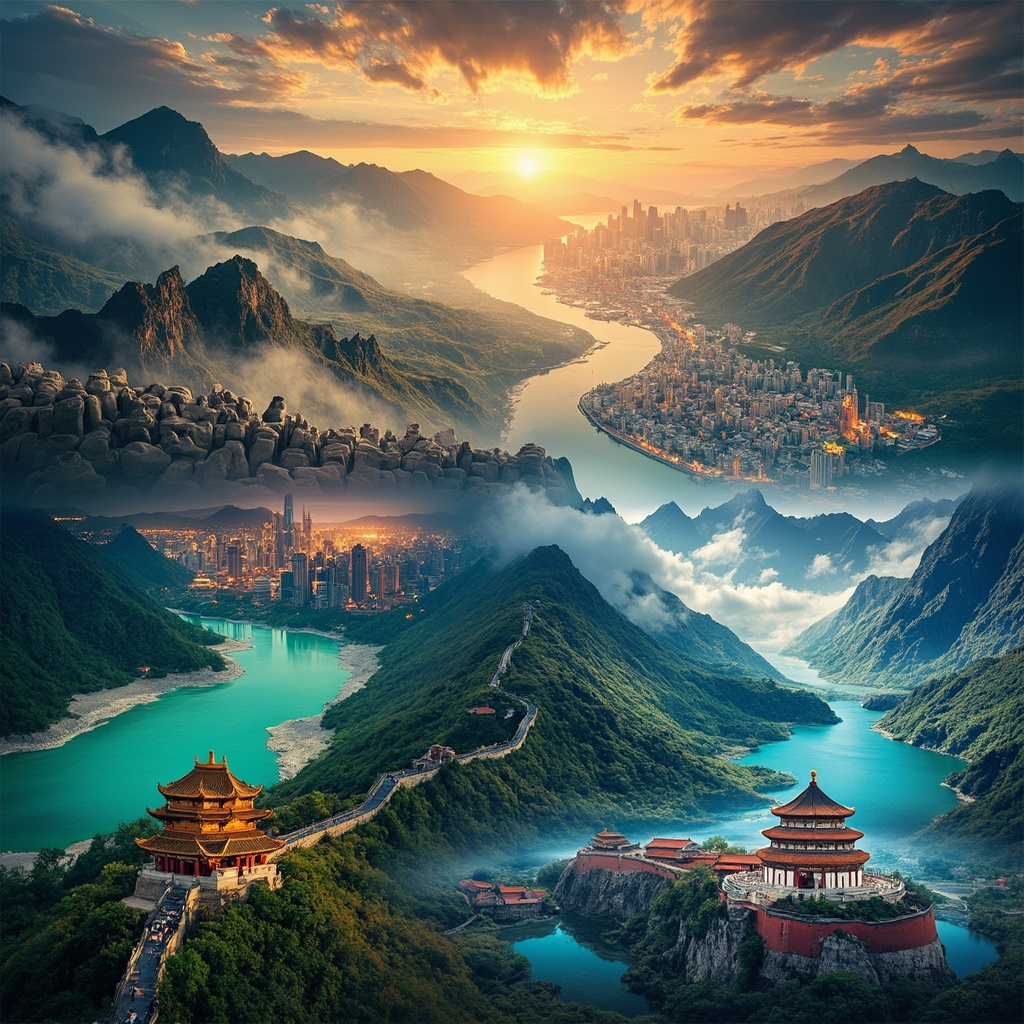
China stands as one of the world’s most diverse and visually spectacular destinations for photography enthusiasts. From ancient imperial palaces to otherworldly landscapes, this vast nation offers an extraordinary array of subjects that cater to every photographic style and skill level. Whether you are drawn to misty mountain peaks, vibrant cultural festivals, cutting-edge architecture, or timeless rural scenes, China delivers unparalleled visual storytelling opportunities.
The country’s geographic diversity spans from the snow-capped peaks of the Himalayas in the southwest to the tropical beaches of Hainan in the south, from the endless steppes of Inner Mongolia in the north to the karst formations of Guilin in the south. This remarkable variety means that photographers can capture everything from dramatic natural landscapes to intimate cultural moments within a relatively short travel distance.
Understanding the best photography spots in China requires knowledge of both iconic locations and hidden gems, seasonal considerations, practical travel logistics, and cultural sensitivities. This comprehensive guide will take you through the most photographically rewarding destinations across China, providing specific details, cost estimates, and expert advice to help you plan your ultimate photography expedition.
## Iconic Landscapes and Natural Wonders
### Zhangjiajie National Forest Park
Zhangjiajie National Forest Park in Hunan Province is perhaps China’s most otherworldly landscape and a UNESCO World Heritage Site. The park features thousands of towering sandstone quartz sandstone pillars that rise dramatically from the forest floor, creating a landscape that inspired the floating mountains in James Cameron’s “Avatar.”
The mist that frequently engulves these pillars creates ethereal atmosphere perfect for atmospheric photography. The Hallelujah Mountains viewpoint, accessible via the world’s highest glass bridge, offers breathtaking panoramic shots. Photographers should arrive at major viewpoints like Yuanjiajie early morning to capture the misty scenes before crowds arrive.
**Practical Information:** Entrance fee is approximately $25 USD. The park is open year-round, but spring and autumn offer the most comfortable temperatures. Budget travelers can stay in Zhangjiajie city for $20-40 per night, while luxury options near the park run $100-300 per night.
### Jiuzhaigou Valley
Located in Sichuan Province, Jiuzhaigou Valley is a spectacular alpine valley known for its colorful lakes, waterfalls, and snow-capped peaks. The mineral-rich waters create lakes with extraordinary blue and green hues that seem almost unreal. The autumn season transforms the surrounding forests into a riot of red, orange, and gold, making it the most photogenic time to visit.
Key shooting locations include Five Flower Lake, where you can capture the crystal-clear water with fallen trees visible on the lake bed, and Pearl Shoal Waterfall, which offers dramatic cascading water shots. The Nuorilang Waterfall provides excellent opportunities for long-exposure photography.
**Practical Information:** Entry costs approximately $30-40 USD depending on the season. October is peak photography season but also the busiest. Be aware that daily visitor numbers are capped at 20,000, so booking accommodation well in advance is essential. Guided tours with photography stops typically cost $100-200 per day.
### Huangshan (Yellow Mountain)
Huangshan, meaning “Yellow Mountain,” is legendary among Chinese painters and poets for its dramatic sea of clouds and jagged granite peaks. The mountain’s weather creates frequent cloud inversions where peaks emerge above a dense layer of clouds, creating the famous “Buddha’s Light” phenomenon where photographers’ shadows appear on the clouds below.
The peculiar-shaped pines clinging to rock faces have become iconic symbols of Chinese landscape photography. Photographers should plan at least two days on the mountain to maximize chances of capturing the sea of clouds. The Bright Summit and Refreshing Terrace offer the best sunrise and sunset vantage points.
**Practical Information:** Peak season (March to November) entrance fee is approximately $40 USD. Accommodation in mountain guesthouses ranges from $60-200 per night. Budget approximately $150-300 total for transportation, entry, and one night on the mountain.
## Historic and Cultural Photo Spots
### The Great Wall
The Great Wall of China offers endless photography possibilities across its thousands of kilometers. While Badaling near Beijing is the most accessible section, it is also the most crowded and least authentic. For serious photographers, the Jiankou, Mutianyu, or Jinshanling sections provide dramatic ruined architecture, rolling hills, and fewer tourists.
Jinshanling, about two hours from Beijing, features beautifully restored watchtowers set against wild mountain terrain. The wall here is particularly photogenic during autumn when the surrounding hillsides turn golden. Early morning shoots capture the wall in soft light before tour groups arrive. Winter photography offers stark contrasts between snow and the wall’s grey stone.
**Practical Information:** Badaling entrance is approximately $7-10 USD, while restored sections like Mutianyu cost $20-30 USD. Hiking sections at Jinshanling or Jiankou often have minimal or no entry fees. A private car with driver from Beijing costs $50-100 per day. Overnight camping on the wall requires special permits but offers unique sunrise and sunset opportunities.
### The Forbidden City and Tiananmen Square
Beijing’s Forbidden City (Palace Museum) provides unparalleled access to imperial Chinese architecture and culture. The massive complex of halls, courtyards, and gates offers endless composition opportunities. The summer months see fewer crowds during early morning hours, while the winter offers dramatic lighting against grey skies.
Tiananmen Square, the world’s largest public square, provides striking shots of Chairman Mao’s portrait above the Gate of Heavenly Peace. The daily flag-raising ceremony at sunrise attracts photographers seeking formal imagery. The square’s vast open spaces also capture cloud formations and thunderstorms dramatically.
**Practical Information:** The Palace Museum entrance is approximately $10-15 USD (extra for special exhibitions). Tiananmen Square requires no entry fee but security screening. Budget an entire day for comprehensive photography of both sites. Nearby accommodation ranges from $30-100 per night for moderate hotels.
### The Terracotta Army in Xi’an
The Terracotta Army near Xi’an offers one of China’s most significant archaeological photography subjects. The three main pits contain thousands of life-sized warrior figures in various states of preservation. The dramatic underground excavation sites, combined with the engineering museum displays, provide diverse shooting opportunities.
Early morning visits before opening time or late afternoon as the site closes offer the fewest crowds. The lighting in the pit excavations can be challenging, so higher ISO settings or tripods (where permitted) may be necessary.
**Practical Information:** Entrance fee is approximately $15-20 USD. Audio guides cost $5-10 additional. Xi’an itself offers excellent street photography opportunities in the Muslim Quarter, where Hui culture thrives. Budget $50-100 per day for transportation, meals, and activities in Xi’an.
## Modern Architecture and Urban Landscapes
### Shanghai Skyline
Shanghai’s Pudong district features one of the world’s most dramatic skylines, with the Oriental Pearl Tower, Shanghai Tower (China’s tallest building), and Shanghai World Financial Center creating a stunning backdrop for urban photography. The Bund, along the Huangpu River, offers the classic view of Pudong’s towers reflected in the water.
Night photography along the Bund captures the illuminated towers in all their glory. The Shanghai Tower’s observation deck on the 118th floor provides sweeping city views, while the Jin Mao Tower’s unique architecture offers interior photography opportunities. Huangpu River cruises provide excellent opportunities for skyline shots from the water.
**Practical Information:** Bund photography is free. Observation deck entry to Shanghai Tower costs $25-35 USD. Evening river cruises range from $30-80 USD depending on dinner inclusions. Shanghai offers accommodation options from $40 per night for hostels to $200+ for luxury hotels.
### Beijing’s CBD and Olympic Park
Beijing’s Central Business District features modern architectural masterpieces including the CCTV Headquarters, often called “The Big Underwear” due to its shape, and the China Zun skyscraper. The area’s mix of traditional hutong neighborhoods and modern towers creates compelling juxtaposition shots.
The Olympic Park, built for the 2008 Games, features iconic structures like the Bird’s Nest stadium and the Water Cube aquatics center. Both structures offer impressive night photography when illuminated. The park is less crowded on weekday mornings.
**Practical Information:** Public spaces like Olympic Park have no entry fees. Interior access to the Bird’s Nest costs approximately $10-15 USD. Photography permits for commercial shoots require separate arrangements. Budget $30-50 per day for transportation within Beijing using the efficient metro system.
## Traditional Villages and Ethnic Minority Areas
### Longji Rice Terraces
The Longji Rice Terraces (Dragon’s Backbone) in Guangxi Province represent centuries of agricultural engineering and artistic landscape design. The terraces cascade down mountain slopes, creating wave-like patterns that change dramatically with the seasons. Water-filled terraces in spring reflect the sky beautifully, while summer brings lush green rice paddies, and autumn harvest turns the fields golden.
The Zhuang and Yao minority villages scattered throughout the terraces offer cultural photography opportunities alongside the landscape shots. Ping’an Village and Dazhai are popular bases for exploring the terraces. The early morning light illuminating the terraced fields, often shrouded in mist, produces magical photographs.
**Practical Information:** Entrance to the main terrace areas costs approximately $10-15 USD. Accommodation in village guesthouses ranges from $15-50 per night, offering authentic homestay experiences. Hiring a local guide for half-day tours costs $20-40. Transportation from Guilin requires a bus and local van, with total costs around $20-30.
### Fenghuang Ancient Town
Fenghuang, located in western Hunan Province, is one of China’s most photographed ancient towns. The city sits along the Tuo River, with traditional stilted houses lining the waterfront and crossed by ancient stone bridges. Night photography transforms the scene with illuminated buildings reflected in the river.
The best photography spots include the Hongqiao Bridge, the busiest crossing point, and the various viewing platforms along the river. Photographers should explore the narrow lanes and alleyways to capture daily life scenes away from the main tourist areas.
**Practical Information:** Entrance fee is approximately $15-20 USD. Accommodation along the river costs $25-80 per night for river-view rooms. Hiking along the river walls provides excellent elevated perspectives. Transportation from nearby Xiangxi city is approximately $5-10 by bus.
### Lijiang Old Town
Lijiang in Yunnan Province features a UNESCO-listed old town with traditional Naxi architecture and an intricate canal system. The town transforms at night when traditional red lanterns illuminate the waterways and bridges. The surrounding mountains, including the impressive Jade Dragon Snow Mountain, provide dramatic backdrop shots.
The peaceful early mornings, before shopkeepers open their doors, offer the best street photography opportunities. The Black Dragon Pond Garden provides classic reflections of Jade Dragon Snow Mountain. The nearby tea horse road villages and Tiger Leaping Gorge offer excellent day trip photography opportunities.
**Practical Information:** Entry to the old town is approximately $10 USD (being phased out in some areas). Accommodation ranges from $20-60 per night in courtyard guesthouses. Local tour operators offer day trips to surrounding areas for $50-100.
## Seasonal Photography Opportunities
### Cherry Blossoms in Spring
Spring brings spectacular cherry blossom displays to many Chinese cities. Wuhan’s East Lake and Tokyo’s famous gardens’ Chinese counterparts in various cities offer pink-flowered landscapes. The ancient temples of Suzhou and Hangzhou provide elegant settings where blossoms frame traditional architecture. The Karakul area in Xinjiang Province offers unique apricot blossoms in April.
### Autumn Colors
Autumn photography in China peaks from September to November depending on the region. Beijing’s Fragrant Hills Park becomes a riot of red and gold, while the mountains surrounding Beijing offer stunning foliage. The Jiuzhaigou and Huangshan areas reach their photographic zenith in autumn when forests transform into painterly landscapes.
## Practical Photography Tips for China
### Best Times to Visit
For landscape photography, shoulder seasons (April-May and September-October) generally offer the best weather and fewer crowds. Summer brings monsoon season to southern China but clear skies in the north. Winter offers dramatic snow scenes but reduced accessibility to some mountain areas.
### Equipment Recommendations
A versatile zoom lens (24-70mm or similar) covers most situations, while a telephoto (70-200mm) helps isolate subjects in crowded locations. A sturdy tripod is essential for night photography and long exposures. Weather protection for equipment is crucial, as pollution and humidity can damage gear.
### Travel Costs and Budgeting
China offers photography opportunities across all budget levels. Mid-range travelers should budget $50-100 per day for accommodation, meals, and local transportation. Internal flights vary widely but often cost $50-150 between major destinations. High-speed trains offer excellent value, with Beijing-Shanghai journeys costing $50-80 for a comfortable second-class seat.
### Cultural Considerations and Etiquette
Always ask permission before photographing locals, particularly in ethnic minority areas where some communities have experienced exploitative photography. Remove shoes before entering temples and sacred spaces. During major holidays like Chinese New Year, many tourist sites become extremely crowded.
## Conclusion
China’s photography spots represent an extraordinary journey through natural wonders, imperial history, modern ambition, and traditional culture. From the ethereal landscapes of Zhangjiajie to the ancient grandeur of the Forbidden City, from the vibrant street life of Shanghai to the timeless beauty of the Longji Rice Terraces, this country offers photographers an unmatched diversity of subjects and settings.
Successful photography in China requires careful planning, flexibility, and cultural sensitivity. The investment in time and resources pays dividends in images that capture both iconic landmarks and intimate cultural moments. Whether you spend a focused two-week trip or embark on a months-long expedition, China’s photographic treasures will reward your efforts with images that tell compelling stories of a nation where ancient traditions and modern dynamism coexist in striking visual harmony.
Start planning your Chinese photography adventure today, and discover why this vast and varied nation continues to captivate photographers from around the world. The perfect shot awaits around every corner, atop every mountain, and within every ancient doorway you encounter on your journey through this remarkable country.