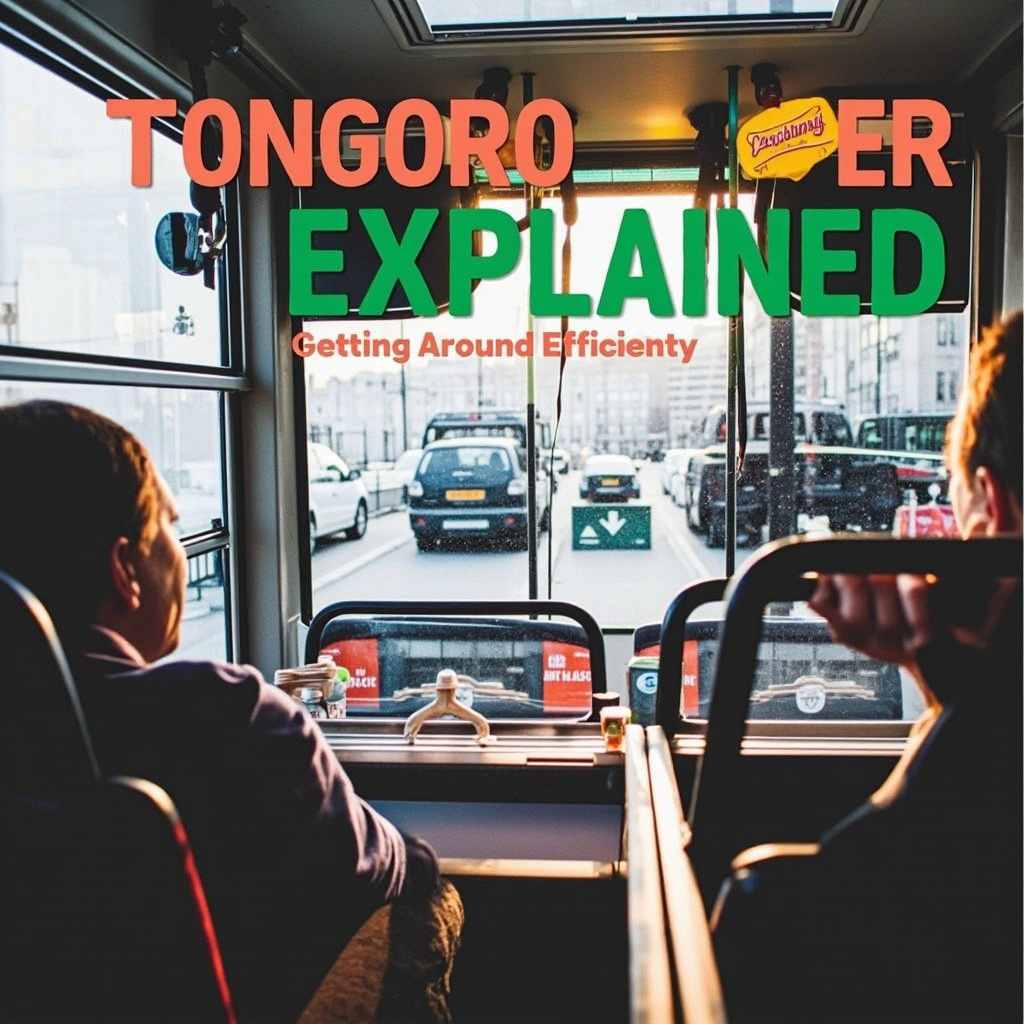
# Introduction: Mastering Transportation in China
China’s vast transportation network is one of the most impressive and extensive in the world. From the gleaming high-speed rail lines that stretch across thousands of kilometers to the ultramodern metro systems in major cities, getting around China efficiently is entirely possible with the right knowledge. Whether you’re planning a business trip to Shanghai, a cultural journey through Beijing, or an adventure across multiple cities, understanding how transportation works in China will transform your travel experience.
This comprehensive guide covers everything international travelers need to know about navigating China’s transportation systems. We’ve compiled practical details, current costs in USD, and insider tips to help you move through the country like a local. The good news is that China’s transportation infrastructure is exceptionally traveler-friendly, with signs in both Chinese and English, user-friendly apps, and systems designed to handle millions of passengers daily.
# High-Speed Rail: China’s Crown Jewel
## Why High-Speed Rail Should Be Your Go-To Choice
China’s high-speed rail network is the largest in the world, spanning over 42,000 kilometers and connecting virtually every major city in the country. The system operates under the China Railway (CR) brand, with trains reaching speeds of up to 350 km/h (217 mph) on the fastest routes. For international travelers, high-speed rail offers an unbeatable combination of speed, comfort, reliability, and scenic views that you simply cannot get from flying.
The trains are consistently punctual, with arrival times accurate to within minutes. Stations are typically located in city centers, making them far more convenient than airports. Additionally, you can bring significantly more luggage aboard trains without worrying about strict weight limits or additional fees that airlines impose.
## Booking Tickets and Understanding Classes
Tickets can be purchased through the official 12306 website or app (available in English), at station counters, or through third-party apps like Trip.com and Ctrip. It’s advisable to book tickets at least 3-7 days in advance for popular routes, especially during Chinese holidays and peak travel seasons like Chinese New Year and National Day week.
High-speed trains offer several classes: Second Class (二等座) is perfectly comfortable for most travelers and costs approximately $30-80 USD depending on distance, First Class (一等座) provides more spacious seating for $60-150 USD, and Business Class (商务座) offers lie-flat seats on premium routes for $100-300 USD. A journey from Beijing to Shanghai, for example, takes about 4.5 hours and costs approximately $50-80 USD for Second Class.
## Practical Tips for Train Travel
Arrive at stations at least 30 minutes before departure, as security screening is required. Bring your passport, as ticket inspection happens both at entry and on the train. Trains have dining cars with reasonably priced snacks and meals, or you can bring your own food. Power outlets are available at every seat, and free WiFi is increasingly common on newer trains.
# Domestic Flights: When Speed Matters
## When to Choose Flying in China
While high-speed rail covers most major routes excellently, domestic flights become advantageous when traveling to destinations in China’s far west, such as Xinjiang, Tibet, or remote provinces like Yunnan and Guizhou where ground transportation times can be excessive. Additionally, flights are preferred when you need to cover extremely long distances—like traveling from Beijing to Guangzhou or Shenzhen in under four hours.
Major Chinese airlines including Air China, China Eastern, China Southern, and Hainan Airlines operate extensive domestic networks. These carriers maintain excellent safety records and offer modern fleets with comfortable seating.
## Finding Affordable Flights and Booking Platforms
Domestic flights within China can be remarkably affordable if booked strategically. One-way tickets on budget carriers like Spring Airlines, 9 Air, or China United can start as low as $20-50 USD, though these typically exclude baggage and amenities. Full-service carriers usually include baggage allowance, with economy tickets ranging from $80-300 USD depending on route and booking timing.
The best platforms for international travelers include Trip.com, Ctrip, and Skyscanner, all offering English interfaces and secure payment processing. Booking 2-4 weeks in advance generally yields the best prices, and flying on weekdays rather than weekends can save 20-30% on fares.
## Airport Transfers and Considerations
Factor in transfer time when choosing flights. Major airports like Beijing Capital, Shanghai Pudong, and Guangzhou Baiyun are located significant distances from city centers—typically 30-90 minutes by taxi or dedicated airport express trains. The total door-to-door travel time for a domestic flight under 2 hours often equals or exceeds the same route by high-speed rail when including airport procedures.
# Metro Systems: Urban Navigation Made Easy
## China’s World-Class City Metros
China’s metropolitan subway systems rank among the finest globally. Cities like Shanghai, Beijing, Guangzhou, Shenzhen, Chengdu, and Hangzhou operate extensive networks with clean stations, air-conditioned trains arriving every 2-3 minutes during peak hours, and clear English signage throughout. For city travel, metros are almost always the fastest and most reliable option, completely bypassing surface traffic congestion.
Fares are remarkably affordable, typically ranging from $0.30-1.50 USD per journey regardless of distance in most cities. Cards like the Shanghai Card or Beijing Card provide convenient reloadable options that work across multiple transportation modes, including metro, bus, and even some taxis.
## Apps and Payment Methods
Navigation apps like Baidu Maps, Gaode Maps (Amap), and Apple Maps integrate seamlessly with public transit, providing real-time arrival information, route planning, and transfer guidance in English. These apps are essential for finding the best route between any two points in Chinese cities.
For payment, the most convenient method is linking an international credit card to mobile payment apps like Alipay or WeChat Pay. Alternatively, single-journey tickets can be purchased at station kiosks using coins or notes. If you plan to stay more than a few days, setting up mobile payments through the Alipay or WeChat apps with your foreign phone number is highly recommended—most merchants, including metro systems, strongly prefer these payment methods.
# Taxis, Ride-Hailing, and Private Drivers
## Using Taxis in China
Traditional taxis remain plentiful and affordable in Chinese cities. Fares typically start at approximately $1.50-2.50 USD (10-15 RMB) and increase by $0.25-0.40 USD per kilometer thereafter. A typical 20-minute city-center ride costs around $5-12 USD. Always ensure the taxi uses the meter—insist if the driver proposes a fixed price, which is usually higher.
Taxis are readily available on streets, at hotel entrances, or can be hailed using the Chinese taxi-hailing function on apps. Look for the classic yellow or green-and-yellow vehicles in Beijing, or Shanghai’s green-and-white fleet.
## Ride-Hailing Apps: Didi and Alternatives
Didi Chuxing, China’s dominant ride-hailing platform, has largely replaced traditional taxi hailing in urban areas. The Didi app operates in English and accepts international phone numbers for registration. Service types include Didi Express (comparable to Uber), Didi Premier (higher-end vehicles), and Didi Luxe (premium service).
Ride costs within cities typically range from $3-25 USD depending on distance and vehicle class. Didi also offers dedicated airport and train station services with designated pickup zones clearly marked in English.
## Private Drivers and Day Hire
For airport transfers or day trips, consider booking private drivers through your hotel, Klook, or GetYourGuide. Airport pickups typically cost $30-60 USD to city centers, while full-day car and driver hire ranges from $80-150 USD depending on city and duration. This option provides convenience, local expertise, and eliminates communication challenges.
# Long-Distance Buses: Budget-Friendly Options
## When Buses Make Sense
China maintains an extensive bus network connecting even the most remote villages. Long-distance buses (长途汽车) offer the most economical option for travelers on tight budgets or visiting areas without rail access. Bus stations are typically located near city centers or major transportation hubs.
Fares are significantly lower than trains—often 40-60% less for comparable distances. A 6-hour journey might cost $15-30 USD versus $40-60 USD by high-speed rail. However, buses take considerably longer, roads may be bumpy, and rest stops can be basic.
## Booking and Navigating Bus Stations
Bus tickets can usually be purchased at stations without advance booking, though booking through apps like Baidu Maps or local transportation apps provides peace of mind. Stations can be overwhelming with multiple destinations and platforms—arrive 30 minutes early and seek assistance from staff, who often speak limited English but are generally helpful.
For tourists visiting scenic areas like Zhangjiajie, Huangshan, or the Karst region near Guilin, bus travel often represents the only practical option for reaching trailheads and less-visited sites.
# Cycling, E-Bikes, and Shared Mobility
## The E-Bike Revolution
Electric bikes (e-bikes or electric scooters) have transformed short-distance travel in Chinese cities, with millions of residents relying on them daily. International visitors can participate by using shared e-bike services like Meituan and Hello (Hellobike), accessible through Alipay or dedicated apps. Rides typically cost $0.50-1.50 USD per trip, and vehicles are parked at designated locations throughout cities.
However, cycling in Chinese traffic requires confidence and caution. Traffic flows differently than in Western countries, with scooters, bikes, and vehicles sharing lanes. If you’re unfamiliar with local conditions, stick to metro, taxis, or walking for short trips.
## Bike-Sharing Apps and Usage
China pioneered the bike-sharing boom, and services like Ofo and Mobike (now Meituan Bike) remain widespread. Unlock vehicles using QR codes through Alipay or WeChat Pay, ride to your destination, and park responsibly in public areas. Costs average $0.15-0.30 USD per ride, making this one of the cheapest transportation options available.
# Practical Advice for International Travelers
## Essential Apps to Download Before Arrival
Preparation is key to smooth transportation in China. Download and set up these apps before your trip: a VPN (essential for accessing Google services), WeChat (for payments and communication), Alipay (for payments and transportation), Didi (for ride-hailing), Baidu Maps or Gaode Maps (for navigation), and 12306 or Trip.com (for train and flight booking). Having these configured before arrival prevents connectivity frustrations.
## Language Barriers and Communication
Major transportation hubs and newer metro stations feature English signage, but beyond these areas, English becomes sparse. Learn a few essential phrases: “多少钱” (how much), “火车站” (train station), “地铁站” (metro station), “飞机场” (airport), and “谢谢” (thank you). Carry a phrasebook or use translation apps like Google Translate or Pleco for written translation assistance.
## Payment Considerations
China operates almost entirely on mobile payments. While large hotels, tourist attractions, and international restaurants accept credit cards, local transportation, small restaurants, and street vendors almost exclusively use Alipay and WeChat Pay. Setting up these services with your foreign phone number or international credit card before arrival is strongly recommended. Alternatively, carry sufficient cash in RMB.
## Peak Travel Periods and Booking Strategies
Chinese holidays—particularly Chinese New Year (typically January/February), National Day Week (October 1-7), and Labor Day (May 1-3)—see massive domestic travel surges. During these periods, trains and flights book out months in advance, prices increase substantially, and stations become extremely crowded. If your itinerary includes these dates, book everything as early as possible and expect longer wait times.
# Conclusion: Your Transportation Strategy for China
China’s transportation infrastructure offers international travelers an exceptional array of options for getting around efficiently. High-speed rail should be your primary choice for intercity travel on most routes—it’s fast, comfortable, punctual, and provides memorable experiences. Domestic flights are ideal for reaching remote western destinations or when time is critically limited. Metro systems in major cities provide the fastest urban navigation, while taxis and ride-hailing offer convenient door-to-door service when needed.
By mastering a few key apps, understanding payment systems, and planning ahead for peak travel periods, you can navigate China with confidence and ease. The country’s investment in modern transportation infrastructure means that visitors can explore this vast nation efficiently and comfortably, moving seamlessly between ancient temples and gleaming skyscrapers.
Remember that flexibility enhances any journey—sometimes the slower scenic route reveals more than the fastest option. Embrace the efficiency of China’s systems while allowing space for unexpected discoveries along the way. Safe travels, and enjoy exploring everything this remarkable country has to offer.
—
*This article provides general information about transportation in China. Prices and services may vary. Always verify current fares and schedules through official channels before travel.*