## Introduction
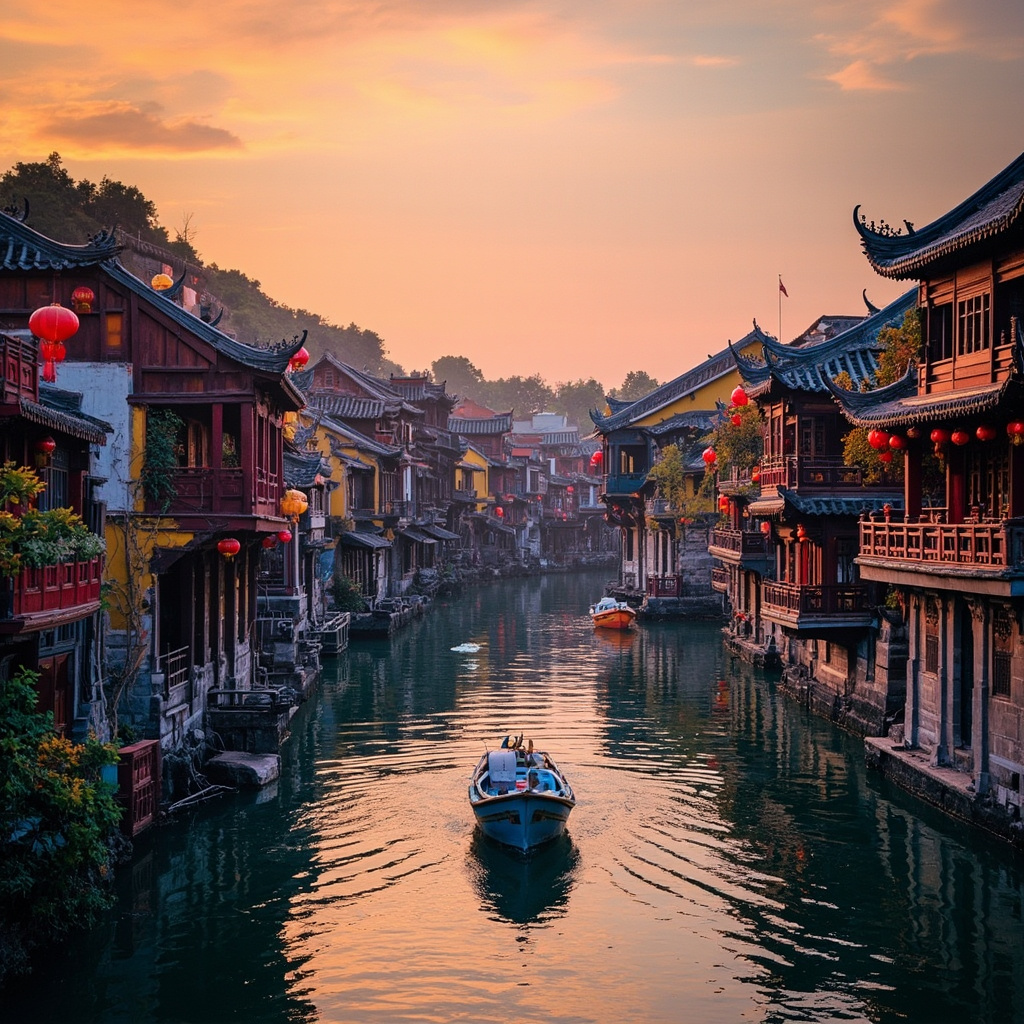
China is a vast, diverse country that offers photographers an unparalleled palette of landscapes, ancient architecture, bustling megacities, and serene countryside scenes. From the iconic Great Wall winding over mountain ridges to the otherworldly sandstone formations of Zhangye Danxia, the nation is a treasure trove of **China photography spots**. Whether you’re an amateur with a smartphone or a professional wielding a full‑frame DSLR, the best locations for stunning photos in China will challenge your creativity and reward you with images that truly stand out. This guide will walk you through the top photo‑worthy destinations, provide practical photography tips, and share essential travel advice for international visitors.
## Why China Is a Photographer’s Paradise
### Diversity of Landscapes
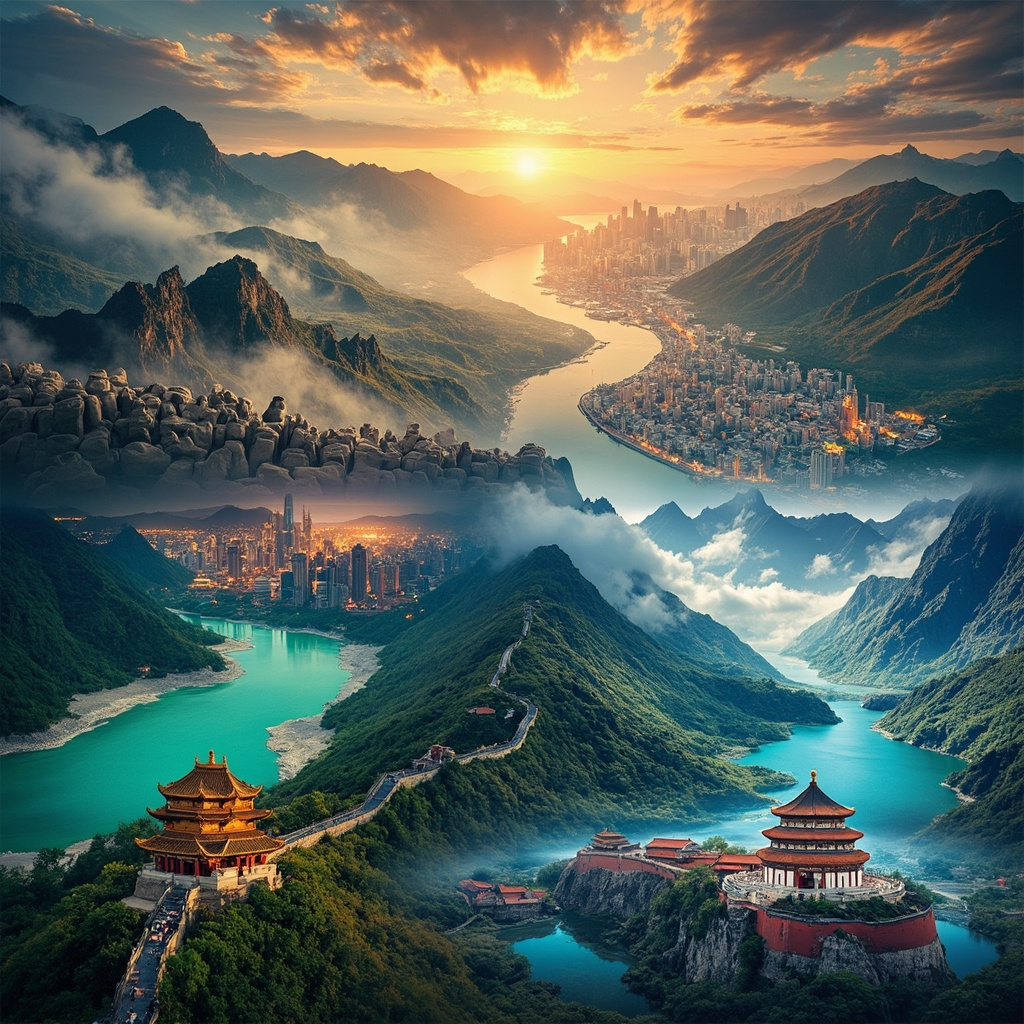
China spans five climatic zones, giving rise to an astonishing variety of scenery. Snow‑capped peaks in the Himalayas, subtropical karst hills in Guilin, the rolling dunes of the Gobi Desert, and the lush forests of Yunnan are just a few examples. Each region offers distinct lighting conditions, seasonal changes, and cultural backdrops that make every photograph feel unique.
### Rich Cultural Heritage
Millennia of history have left a wealth of historic sites—imperial palaces, ancient temples, remote monasteries, and centuries‑old villages. These locations provide powerful narrative backdrops, where a single shot can convey both timeless tradition and everyday life.
### Modern Architecture
Cities like Shanghai, Beijing, and Shenzhen showcase cutting‑edge skyscrapers, futuristic bridges, and sleek infrastructure. The interplay of old and new creates striking compositional opportunities, especially during the blue hour when city lights begin to glow.
## Top China Photography Spots
### The Great Wall
– **Why go:** The wall stretches over 13,000 miles, with well‑preserved sections like Mutianyu and Jinshanling offering dramatic panoramas.
– **Best time:** Early morning (sunrise) to avoid crowds and capture golden light.
– **Tips:** Bring a tripod for long‑exposure shots of the winding ramparts. A polarizing filter helps reduce glare on sunny days.
### Zhangjiajie National Forest Park
– **Why go:** Towering sandstone pillars inspired the floating mountains of *Avatar*. The park’s dense fog and mist create an ethereal atmosphere.
– **Best time:** Spring and autumn for clear skies; early morning for misty shots.
– **Tips:** Use a wide‑angle lens to convey scale. A lightweight tripod is handy for low‑light scenes in the dense forest.
### Guilin and the Li River
– **Why go:** Karst peaks rising from the river create iconic Chinese landscape imagery.
– **Best time:** Sunrise cruise from Guilin to Yangshuo; the soft light paints the hills in pastel hues.
– **Tips:** A telephoto lens isolates individual peaks, while a fast shutter (≥1/500 s) freezes the boat’s motion.
### Huangshan (The Yellow Mountains)
– **Why go:** Known for its “sea of clouds,” granite peaks, and gnarled pines, Huangshan is a UNESCO World Heritage site that offers otherworldly vistas.
– **Best time:** Late autumn to early winter for crisp air and minimal cloud cover.
– **Tips:** A sturdy tripod is essential for night‑sky photography; the low light pollution makes Milky Way shots possible.
### Yangshuo (Karst Peaks & Rice Terraces)
– **Why go:** Cycling through rice paddies with towering limestone hills provides countless candid and landscape opportunities.
– **Best time:** Early morning or late afternoon for golden hour glow over the fields.
– **Tips:** Use a ND filter to smooth water reflections in paddy fields and create dreamy long exposures.
### The Forbidden City & Tiananmen Square
– **Why go:** The imperial palace’s vermillion walls, golden roofs, and expansive courtyards embody Chinese imperial grandeur.
– **Best time:** Weekday mornings right after opening to capture empty courtyards.
– **Tips:** A tilt‑shift lens can correct perspective distortion of towering structures. Respect the strict no‑tripod rule inside the palace.
### Potala Palace, Lhasa
– **Why go:** The towering former residence of the Dalai Lama is a masterpiece of Tibetan architecture against a stark, high‑altitude backdrop.
– **Best time:** Early morning (when the palace opens) for fewer tourists and soft light.
– **Tips:** Obtain a Tibet travel permit in advance. A fast‑action lens (f/2.8 or wider) works well in low‑light interior chambers.
### The Bund, Shanghai
– **Why go:** The colonial‑era waterfront promenade offers glittering night views of the Pudong skyline.
– **Best time:** Blue hour (just after sunset) for a blend of natural and artificial light.
– **Tips:** Use a wide‑angle lens to capture both the historic Bund architecture and the modern skyline. A remote shutter release prevents camera shake.
### Terracotta Army, Xi’an
– **Why go:** Thousands of life‑size clay soldiers provide a dramatic archaeological spectacle.
– **Best time:** Afternoon when the museum’s interior lighting is most balanced.
– **Tips:** A macro lens captures the intricate details of each figure. Avoid flash to preserve the artifacts.
### Zhangye Danxia Landform
– **Why go:** Colorful striped sandstone mountains resembling a rainbow paint palette.
– **Best time:** After rainfall, when colors are most saturated; sunrise highlights the ridges.
– **Tips:** A drone (if permitted) offers aerial perspectives. A circular polarizer deepens the sky contrast.
## Photography Tips for China
### Best Times of Day
– **Golden Hour:** Early morning (30 minutes before sunrise) and late afternoon (30 minutes before sunset) deliver warm, soft light ideal for landscapes and architecture.
– **Blue Hour:** Just after sunset, cityscapes such as Shanghai’s Pudong district glow with neon hues.
### Weather Considerations
– **Monsoon Season (June‑September):** Coastal regions experience heavy rain, creating reflective surfaces but also possible travel disruptions. Bring waterproof gear.
– **Winter (December‑February):** Northern sites like the Great Wall can be snow‑covered, offering stark contrasts but requiring cold‑weather equipment.
### Camera Gear Suggestions
– **Lenses:** A versatile zoom (24‑70 mm) for general travel, a wide‑angle (16‑35 mm) for sweeping vistas, and a telephoto (70‑200 mm) for distant details.
– **Accessories:** Sturdy tripod, polarizing filter, ND filters (for long exposures), extra batteries (cold drains them faster), and a rain cover.
– **Backup:** Carry a second memory card and a small sensor‑cleaning kit.
### Dealing with Crowds
– **Visit Off‑Peak:** Weekdays, early mornings, or during shoulder seasons reduce foot traffic.
– **Use Perspective:** Shoot from low or high angles to isolate subjects against a less busy background.
– **Patience:** Wait for momentary gaps in the crowd; a few seconds of stillness can transform a shot.
### Respecting Cultural Sites
– **Photography Restrictions:** Some temples, tombs, and the Potala Palace prohibit flash or tripods. Always check signage and ask staff.
– **Dress Modestly:** Cover shoulders and knees at religious venues; this also improves the visual tone of photographs taken in those settings.
## Practical Tips for International Travelers
### Visa and Entry Requirements
– **Tourist Visa (L):** Most foreign nationals need a visa. Apply online via the Chinese Visa Application Service Center (CVASC) or through a travel agency.
– **Transit Visa‑Free:** Certain cities (e.g., Shanghai, Guangzhou) allow 72‑hour or 144‑hour visa‑free transit for eligible nationalities.
### Language and Communication
– **Apps:** Install Pleco (dictionary), WeChat (essential for payments and local communication), and a translation app.
– **Learning Basic Phrases:** “谢谢” (xièxiè – thank you) and “请问” (qǐng wèn – excuse me) go a long way in building rapport.
### Transportation
– **High‑Speed Rail:** The network connects major cities quickly; book tickets via the 12306 app or at stations.
– **Domestic Flights:** For remote spots like Zhangjiajie or Lhasa, book flights early, especially during Chinese holidays.
– **Ride‑Hailing:** Didi (the Chinese Uber) works with WeChat Pay or Alipay; both require a local SIM or eSIM.
### Accommodations
– **Hotels:** International chains are prevalent in major cities; boutique hotels in historic districts offer authentic charm.
– **Airbnb‑Style Rentals:** Popular in rural areas such as Yangshuo; ensure the host provides an English‑speaking contact.
### Connectivity
– **SIM Cards & eSIM:** China Unicom, China Mobile, and China Telecom offer prepaid tourist SIMs; eSIM plans are available for recent iPhones and Android devices.
– **VPN:** Internet censorship blocks many sites; a reliable VPN (pre‑installed before arrival) is essential for accessing email, social media, and cloud storage.
### Health and Safety
– **Travel Insurance:** Purchase a policy covering medical evacuation, especially for high‑altitude regions like Tibet.
– **Air Quality:** Check AQI indexes (e.g., via the “AirVisual” app) and wear N95 masks if needed, particularly in Beijing and northern China.
## Conclusion
China’s vastness guarantees that every photographer—whether chasing mist‑shrouded mountains, vibrant cityscapes, or centuries‑old heritage sites—will find a wealth of **best locations for stunning photos**. By planning around seasonal light, respecting cultural protocols, and arming yourself with the right gear and practical travel knowledge, you’ll capture images that not only showcase the country’s visual grandeur but also tell a compelling story. So pack your camera, secure your visa, and embark on a visual journey through one of the world’s most photogenic destinations. Happy shooting!