## Introduction
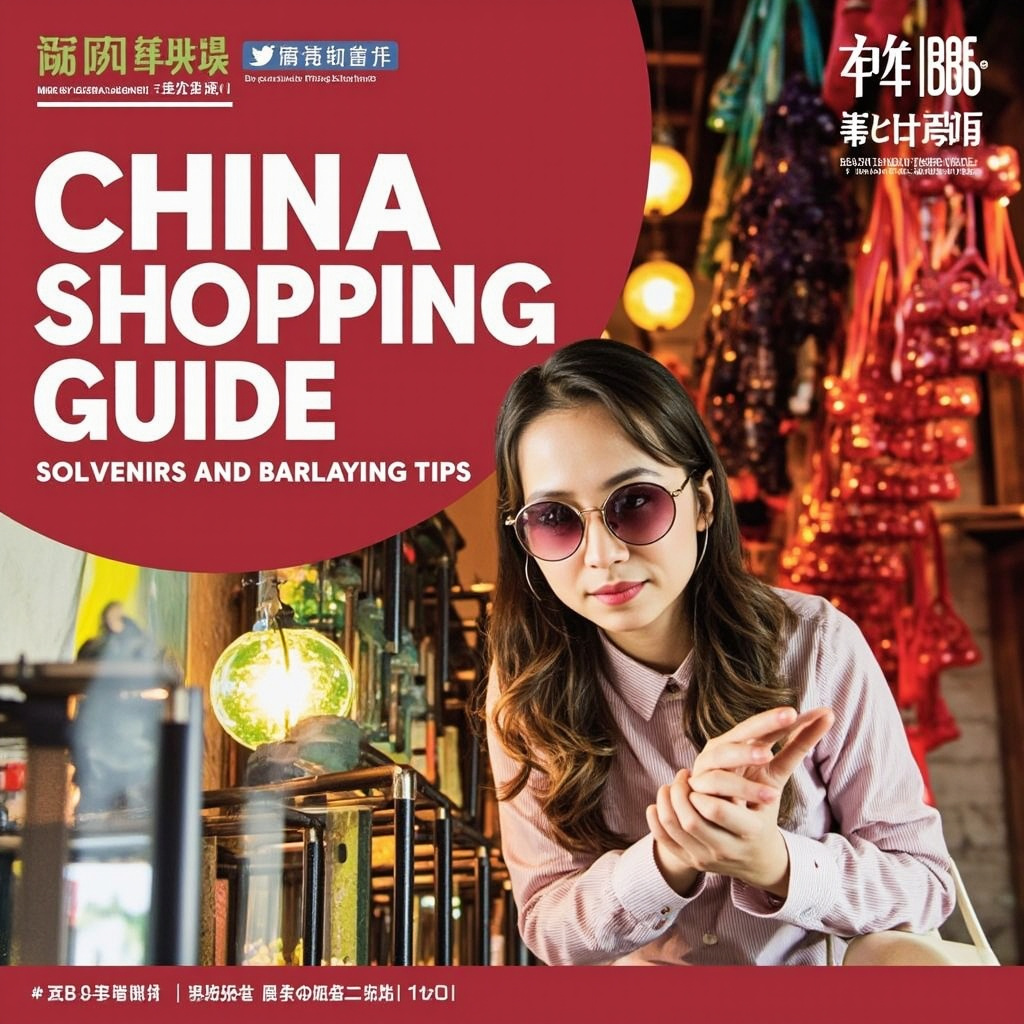
China is a shopper’s paradise, offering everything from ancient crafts to cutting‑edge electronics at prices that can be significantly lower than in many Western countries. For international travelers, navigating bustling markets, mastering the art of bargaining, and picking the perfect souvenirs can be both exciting and daunting. This comprehensive **China shopping guide** covers the best places to shop, the must‑have souvenirs, proven bargaining strategies, and practical travel tips to help you make the most of your retail adventures in the Middle Kingdom.
## Understanding Chinese Shopping Culture
### Cash, Digital Payments, and Currency
While credit cards are accepted at many large department stores and international hotel chains, **cash and mobile payments dominate** in markets, small shops, and street stalls. Most Chinese consumers use **Alipay** and **WeChat Pay**, which are linked to local bank accounts. Travelers can still use cash—bring a mix of RMB and a debit card that works at ATMs. Many ATMs in tourist areas dispense RMB directly, and currency exchange counters are common at airports and banks.
### Language Barriers and Helpful Phrases
A little Mandarin goes a long way. Learn a few key phrases:
– **多少钱?** (Duōshǎo qián?) – How much?
– **便宜点** (Piányí diǎn) – Make it cheaper.
– **谢谢** (Xièxiè) – Thank you.
Even a friendly smile and pointing can close a deal. If you’re unsure, ask a shop attendant to write the price in numbers on a calculator.
## Top Destinations for Souvenir Shopping
### Beijing – Silk Street, Wangfujing & Panjiayuan
– **Silk Street (Xiu Shui)** – Famous for silk clothing, scarves, and fabrics. Bargaining is expected; start at 30‑50 % of the quoted price.
– **Wangfujing Pedestrian Street** – A blend of modern malls and traditional snack stalls. Great for electronics and branded goods.
– **Panjiayuan Antique Market** – Ideal for vintage collectibles, jade, and antique furniture. Arrive early for the best selection.
### Shanghai – Nanjing Road, Yuyuan Bazaar & South Huangpu Night Market
– **Nanjing Road** – The world’s busiest shopping street, featuring luxury boutiques and souvenir shops.
– **Yuyuan Garden Bazaar** – Classic Chinese architecture with tea houses, silk lanterns, and local snacks. Perfect for traditional gifts.
– **South Huangpu Night Market** – Evening street food and small trinkets; bargaining is lively.
### Guangzhou – Shangxiajiu Pedestrian Street & Qingping Market
– **Shangxiajiu** – Historic arcade offering Cantonese specialties, porcelain, and embroidered textiles.
– **Qingping Market** – Known for herbal medicine, dried seafood, and exotic pets (check customs regulations before purchasing).
### Hangzhou – West Lake Tea Villages & Wulin Gate
– **West Lake Tea Villages** – Sample and purchase high‑quality Longjing (Dragon Well) tea, a quintessential Chinese souvenir.
– **Wulin Gate Night Market** – Affordable clothing, accessories, and local crafts.
### Chengdu – Chunxi Road & Jinli Ancient Street
– **Chunxi Road** – Modern shopping district with Sichuan‑themed gifts.
– **Jinli Ancient Street** – Traditional teahouses, Sichuan embroidery, and Pandas‑themed memorabilia.
### Xi’an – Great Wall Souvenir Stalls & Muslim Quarter
– **Great Wall stalls** – Small wooden carvings, calligraphy rolls, and Great Wall‑shaped magnets.
– **Muslim Quarter Night Market** – Famous for Persian‑style foods, jade, and silk pashmina scarves.
## Must‑Buy Souvenirs in China
### Traditional Textiles: Silk and Embroidery
Chinese silk is renowned worldwide. Look for **silk scarves, shirts, and bedding** at markets like Silk Street. Hand‑embroidered tablecloths and wall hangings from Suzhou and Hunan make elegant home décor.
### Tea: Pu‑erh, Longjing, and Oolong
China’s tea culture is a major draw. **Pu‑erh** (aged fermented tea) from Yunnan, **Longjing** (green tea) from Hangzhou, and **Oolong** from Fujian are popular choices. Buy loose‑leaf tea in sealed, vacuum‑packed bags to preserve flavor.
### Porcelain and Ceramics
From delicate **Jingdezhen porcelain** to robust **Yixing clay teapots**, Chinese ceramics are both functional and decorative. Be cautious with fragile items; vendors often offer protective packaging.
### Jade and Stone Carvings
Jade (especially Hetian jade) is a symbol of luck. You’ll find everything from small pendants to elaborate carvings. Verify authenticity by asking for a certificate of appraisal if the price is high.
### Calligraphy Supplies and Chinese Paintings
Brushes, ink stones, rice paper, and scrolls are excellent for art lovers. Markets in **Beijing’s Panjiayuan** and **Shanghai’s Yuyuan** have dedicated sections for calligraphy sets.
### Snacks and Food Items
– **Chinese spices and sauces** (e.g., Sichuan peppercorns, XO sauce).
– **Dried fruits and nuts** (e.g., candied lotus seeds, dried longan).
– **Rice wine and baijiu** (Chinese spirits) – check alcohol limits for your home country.
### Tech Gadgets and Unique Local Products
Shenzhen’s **Huaqiangbei** electronics market offers the latest gadgets, drones, and accessories at wholesale rates. Don’t forget to test warranties and voltage compatibility.
## Mastering the Art of Bargaining
### When to Bargain and When Not To
Bargaining is expected in **street markets, small shops, and night markets**. In contrast, large department stores, branded boutiques, and supermarkets usually have fixed prices.
### The Basic Rule: Start Low
A common rule of thumb is to **offer 30‑40 % of the asking price** and negotiate upward. This signals you’re serious but not desperate.
### Polite Persistence and Body Language
– Keep a friendly smile.
– Use a calm, measured tone.
– Silence can be powerful—after making an offer, pause and let the seller respond.
– Pointing to similar items in neighboring stalls can reinforce your price point.
### Know the Market Price
Do a quick reconnaissance: walk through the market, note the price range for the item you want, and use that as a reference. Mobile apps like **Google Translate** or **Pleco** (Chinese dictionary) can help you understand local terminology.
### Walk Away and Return
If the seller won’t meet your price, **walk away** calmly. Often, they will call you back with a better offer. If not, you can revisit later—vendors may be more flexible as closing time approaches.
## Practical Tips for International Travelers
### Payment Methods: Cash, Alipay, and WeChat Pay
– **Cash** is essential for markets and smaller vendors.
– **Alipay/WeChat Pay** are convenient if you set up a mainland Chinese bank account or use a prepaid card linked to these services. Some tourist‑friendly vendors accept QR codes for foreign cards.
### Tax‑Free Shopping and Refunds
China offers a **tax‑refund program** for purchases over ¥500 (≈ $70) at participating stores. Look for the “Tax‑Free” logo. Keep the receipt and present your passport at the refund counter before departure at the airport.
### Shipping Your Purchases Home
– **Courier services** (EMS, DHL, FedEx) are available in major cities.
– **Consolidated shipping** through your hotel can be cheaper for multiple items.
– **Customs declarations**: Declare valuable items (jewelry, electronics) to avoid duties in your home country.
### Luggage and Weight Restrictions
Check your airline’s baggage policy. Heavy souvenirs (e.g., porcelain, tea) can quickly add weight. Consider **purchasing a lightweight travel bag** for the return leg or shipping bulky items separately.
### Customs Regulations and Restricted Items
– **Prohibited items** include ivory, certain endangered plant species, and some traditional medicines containing animal parts.
– **Duty‑free allowances** vary by country; typical limits for personal use are 1‑2 liters of alcohol, 400 cigarettes, and up to ¥5,000 worth of goods.
## Etiquette and Cultural Sensitivity
### Respect the Seller
A polite attitude fosters goodwill. Avoid aggressive behavior or public arguments; a calm conversation often yields better results.
### Dress Modestly When Visiting Markets
While markets are generally casual, modest dress (covering shoulders and knees) shows respect, especially in religious or cultural sites adjacent to markets.
## Conclusion
Shopping in China is more than just acquiring objects—it’s an immersive experience that connects you to centuries of craftsmanship, local flavors, and vibrant street life. By understanding the **China shopping guide** basics, choosing the right destinations, knowing which souvenirs to hunt for, and mastering **bargaining tips**, you’ll return home with treasures that tell a story. Remember to stay flexible, keep an eye on customs regulations, and enjoy the journey of discovery that each market stall offers. Safe travels and happy hunting!