## Introduction
Chinese festivals are a vivid tapestry of colour, music, and—most importantly—food. Across the lunar calendar, each celebration brings its own set of symbolic dishes that are believed to bring luck, prosperity, health, and happiness to families. From the crisp folds of dumplings during the Spring Festival to the sweet glutinous balls of the Lantern Festival, every bite carries a story rooted in centuries‑old tradition. This guide explores the cultural meaning behind the most iconic festival foods, offers practical recipes and preparation tips, and highlights regional variations that keep these customs alive in modern kitchens. Whether you are a home cook eager to recreate authentic flavours or a food‑blog reader curious about Chinese cultural rituals, you will find everything you need to bring festive spirit to your table.
## The Cultural Logic Behind Festival Foods
### Seasonal Ingredients and Auspicious Symbolism
Chinese culinary philosophy is inseparable from the concept of harmony between nature and human life. Festival dishes are crafted from seasonal produce that not only tastes fresh but also aligns with the Yin‑Yang and Five Elements theories. For example, the bright green of spring vegetables signifies new beginnings, while the golden hue of autumn fruits evokes harvest wealth. By choosing ingredients that echo the season’s energy, families believe they can attract the corresponding blessings for the coming months.
### Colours, Numbers, and Shapes that Bring Good Luck
In Chinese culture, colours carry profound meanings. Red symbolises joy and good fortune, gold denotes wealth, and white represents purity and mourning—though it is avoided during celebrations. Numbers matter too: eight sounds like “fa” (wealth) and is considered extremely auspicious, while four is taboo because it sounds like “death.” Shapes such as circles (representing togetherness) and whole fish (symbolising surplus) are purposely chosen to shape the narrative of abundance. Understanding these subtle cues helps you appreciate why certain foods appear on the festival table year after year.
## Chinese New Year (Spring Festival) – A Feast of Renewal
### Dumplings (Jiaozi)
Dumplings are arguably the most iconic dish of the Chinese New Year. Their folded shape resembles ancient gold ingots, signifying wealth and prosperity. Traditionally, families gather to wrap dozens of dumplings together, turning the meal into a communal bonding activity. The filling can be as simple as pork and cabbage or as elaborate as shrimp, glass noodles, and mushrooms. The key is to include enough filling to ensure the dumplings are plump, symbolising a bountiful life.
**Cooking tip:** Boil dumplings in gently simmering water until they float, then let them cook an extra minute for a tender skin. For a crispier version, pan‑fry them after boiling (potsticker style). Serve with a mixture of soy sauce, rice vinegar, and a dash of sesame oil.
### Fish (Yu)
The Chinese word for fish, “yu,” sounds the same as the word for surplus, making fish a must‑have at the New Year dinner. A whole fish is typically steamed or braised and presented head‑to‑tail, representing a complete start‑to‑finish journey. Common choices include Chinese perch (luo yu) and grass carp, often seasoned with ginger, scallions, and a light soy‑based sauce.
**Practical note:** When buying a whole fish, ask the fishmonger to scale and clean it but leave the scales on; they are believed to bring “extra” wealth.
### Nian Gao (Sticky Rice Cake)
“Nian gao” literally means “year cake,” and its name sounds like “higher year,” implying progress and growth in the coming months. This dense cake is made from glutinous rice flour, sugar, and water, then steamed until it becomes a chewy, sweet block. In northern China, it is often sliced and stir‑fried with eggs and vegetables; in the south, it may be pan‑fried with a caramelised sugar coating.
### Longevity Noodles (Changshou Mian)
Longevity noodles are extra‑long wheat noodles that symbolise a long, healthy life. They are served uncut, and the longer the noodle, the better the omen. The dish is usually stir‑fried with vegetables, mushrooms, and a light sauce, or boiled and topped with a clear broth. The key rule is never to break the noodles while cooking—use a large pot of water and a gentle stir to keep them intact.
## Lantern Festival (Yuanxiao Festival) – Sweet Beginnings
### Tangyuan (Glutinous Rice Balls)
The Lantern Festival marks the first full moon of the lunar year and is celebrated by eating “tangyuan,” small glutinous rice balls that can be plain or filled with sweet red bean, sesame paste, or crushed peanuts. Their round shape signifies family unity and the fullness of the moon. The balls are boiled in a lightly sweetened water, often infused with osmanthus flowers or ginger, creating a fragrant broth.
**Cooking tip:** To prevent the balls from sticking, toss them lightly in dry glutinous rice flour before poaching. If using fillings, keep them cold so the dough stays firm while shaping.
### Sweet Rice Balls with Red Bean Paste (Hong Gao)
A variation of tangyuan, these larger rice balls are filled with a smooth red bean paste and sometimes coloured pink or green using natural food dyes. They are a favourite in southern China and are often served in a warm syrup made from rock sugar and pandan leaves.
## Qingming Festival – Honouring the Past with Fresh Flavours
### Qingtuan (Green Rice Balls)
Qingtuan are soft, green rice cakes made from fresh barley or mugwort, giving them a vibrant emerald hue. The colour represents the vitality of spring and the renewal of life. The filling can be sweet red bean paste or a savoury mixture of pork, bamboo shoots, and mushrooms. These cakes are steamed and then lightly pan‑fried for a subtle crisp exterior.
**Cultural note:** Qingtuan are traditionally offered to ancestors before being enjoyed by the family, linking the living with the departed.
### Cold Food and Simple Offerings
During the Qingming “Cold Food” period, many families prepare simple dishes such as boiled eggs, pickled vegetables, and fresh fruit. These foods reflect the spirit of simplicity and respect for nature, allowing families to focus on remembrance while enjoying the season’s bounty.
## Dragon Boat Festival (Duanwu) – Wrapped in History
### Zongzi (Sticky Rice Dumplings)
Zongzi are pyramid‑shaped bundles of glutinous rice wrapped in bamboo, reed, or lotus leaves. They are filled with meats, beans, chestnuts, or sweet pastes, then steamed or boiled for several hours. The wrapping process itself is a communal activity that strengthens family ties, while the shape symbolises the protective embrace of the dragon boat.
**Regional varieties:** In northern China, zongzi tend to be sweet, often filled with red bean or jujube. Southern versions are savoury, featuring pork belly, salted egg yolk, or mushrooms. Experiment with both styles to discover your favourite.
### Preparing Zongzi at Home
1. **Soak** the glutinous rice for at least 4 hours (or overnight) until pliable.
2. **Clean** the leaves, then briefly blanch them to make them flexible.
3. **Stuff** the rice and filling, fold the leaf into a cone, and secure with twine.
4. **Cook** in a large pot of boiling water for 2–3 hours, or steam for 1.5–2 hours.
## Mid‑Autumn Festival – Moonlight and Mooncakes
### Mooncakes (Bing)
Mooncakes are the quintessential Mid‑Autumn treat. Their round shape mimics the full moon, symbolising reunion and completeness. Traditional versions contain a rich lotus seed paste with a salted duck egg yolk at the centre, representing the moon. Modern variations include red bean, matcha, ice cream, and even cheese fillings. The pastry is made from a buttery dough that bakes to a golden, fragrant crust.
**Baking tip:** When making mooncakes at home, allow the dough to rest for 30 minutes to relax the gluten. This makes the pastry easier to shape and yields a smoother surface after baking.
### Pomelo and Seasonal Fruits
Families often place a ripe pomelo on the altar as an offering, believing its thick skin protects against misfortune. The fruit’s name, “you,” sounds like “blessing” in Cantonese. Seasonal fruits such as pears, grapes, and persimmons are also shared, each adding a fresh, juicy contrast to the dense sweetness of mooncakes.
## Double Ninth Festival – Climbing for Longevity
### Chongyang Gao (Double Ninth Cake)
Chongyang Gao is a steamed cake made from rice flour, glutinous rice, and sometimes sweet potatoes. Its layers represent the layers of mountains that people climb during the festival to ward off bad luck. The cake is lightly sweetened and often topped with red bean paste or dried fruit.
### Chrysanthemum Tea and Rice Wine
No Double Ninth celebration is complete without chrysanthemum tea, believed to clear heat and promote longevity. Paired with a small cup of sweet rice wine (Mijiu), the combination creates a soothing, aromatic experience that complements the cake’s subtle sweetness.
## Winter Solstice – Warmth in the Coldest Time
### Tangyuan (Again) and Mutabur
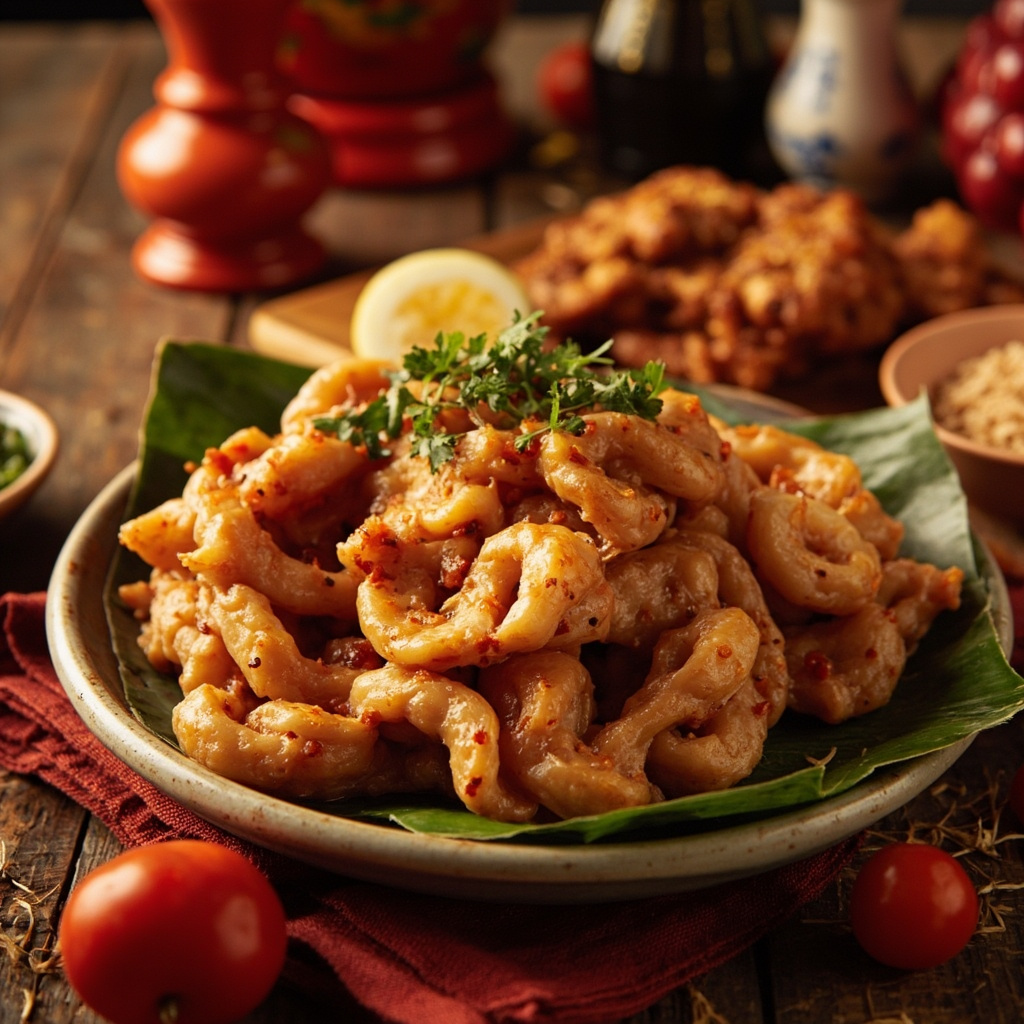
While tangyuan are most famous for the Lantern Festival, many northern families also enjoy them on the Winter Solstice. The warm, sweet broth counters the chill, and the round balls symbolise the sun’s return. “Mutabur,” a fried dough twist, is a popular accompaniment in northern regions, adding a crunchy texture to the warm soup.
## Other Celebrations Worth Noting
### Laba Festival – Laba Porridge
Laba marks the eighth day of the twelfth lunar month. The traditional Laba porridge combines glutinous rice, millet, various beans, nuts, and dried fruits. Each ingredient symbolises a different blessing, and the porridge is offered to ancestors before being shared among family members.
### Ghost Festival (Zhongyuan) – Vegetarian Fare
During the Ghost Festival, many families prepare vegetarian dishes such as tofu, mushrooms, and lotus root to appease wandering spirits. The emphasis is on purity and respect, with dishes often arranged on a low table to show humility.
## Practical Tips for Home Cooks
### Sourcing Ingredients
– **Glutinous rice flour, lotus seed paste, and dried bamboo leaves** are available at most Asian grocery stores or online.
– For fresh herbs like mugwort or chrysanthemum, visit a Chinese herbal shop or a well‑stocked farmers’ market.
– If you cannot find certain specialty items, substitute with locally available equivalents while preserving the dish’s texture (e.g., use almond flour for a nut‑free filling).
### Prepping and Storing Traditional Dishes
– **Make doughs in advance** and refrigerate for up to 24 hours. This allows the gluten to relax, making shaping easier.
– **Store steamed cakes** like Nian Gao and Chongyang Gao in an airtight container in the fridge for up to one week. Re‑steam before serving to restore moisture.
– **Freeze uncooked dumplings or zongzi** for up to three months. Boil or steam directly from frozen, adding an extra 2–3 minutes to the cooking time.
### Serving Suggestions and Table Etiquette
– Arrange dishes **in a circular pattern** to reflect the Chinese belief in completeness.
– Place **a small bowl of dipping sauce** (soy, vinegar, chili oil) at each setting for personal use.
– When serving whole fish, **orient the head toward the guest of honour** as a sign of respect.
## Conclusion
Chinese festival food is far more than a delicious meal; it is a living language that communicates wishes for health, happiness, and prosperity across generations. By understanding the symbolism behind each dish—from the wealth‑bringing folds of dumplings to the lunar‑like roundness of mooncakes—you can bring authentic meaning to your celebrations. Whether you follow the traditional recipes verbatim or adapt them with local ingredients, the act of preparing and sharing these foods creates a bridge between past and present. Gather your family, follow the practical tips outlined above, and let the rich tapestry of Chinese culinary tradition inspire your next festive feast.