## Introduction
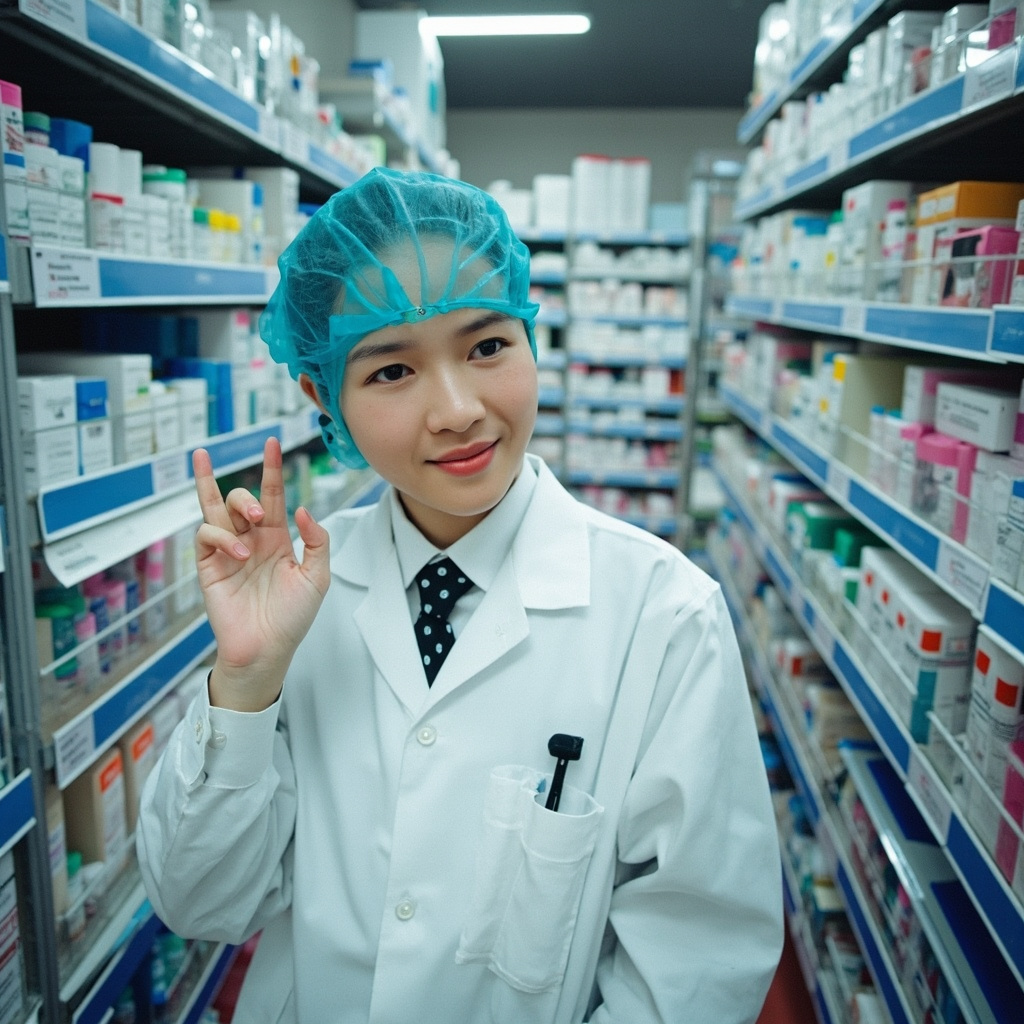
China’s health and medical care system is a vast, rapidly evolving network that blends modern high‑tech hospitals with centuries‑old traditional Chinese medicine (TCM). For international travelers—whether you’re visiting for business, study, or tourism—understanding how to access pharmacies and hospitals can be the difference between a minor inconvenience and a serious health crisis. This guide provides a thorough overview of the Chinese healthcare landscape, practical tips for navigating it, and key details every foreign visitor should know before stepping off the plane.
## 1. Overview of China’s Healthcare System
### 1.1 Public vs. Private Hospitals
China operates a tiered public hospital system that ranges from community health centers to specialized national hospitals in major cities. Public hospitals are the backbone of the system and treat the majority of patients, but they can be crowded and have limited English‑speaking staff. Private hospitals and international clinics, on the other hand, often provide higher‑quality care, shorter wait times, and English‑language services, albeit at a premium cost.
### 1.2 Tiered Structure
– **Tier 1:** Community health stations and small clinics – basic care, vaccinations, minor injuries.
– **Tier 2:** District or municipal hospitals – general services, some specialist departments.
– **Tier 3:** Provincial or national hospitals – advanced medical technology, specialized departments (e.g., cardiology, oncology).
### 1.3 Rural vs. Urban Disparities
Urban centers such as Beijing, Shanghai, Guangzhou, and Shenzhen have world‑class facilities, while rural areas may have limited access to specialized care. Travelers should plan their medical needs accordingly, especially if traveling outside major cities.
## 2. Pharmacies in China
### 2.1 Types of Pharmacies
– **Chain Pharmacies:** Large retail chains such as **老百姓大药房**, **国大药房**, and **华润医药** operate hundreds of outlets nationwide. They usually have a wide selection of OTC and prescription drugs, clear pricing, and often bilingual staff in tourist‑friendly areas.
– **Independent Pharmacies:** Common in neighborhoods, they may stock niche TCM products but can vary in stock and service quality.
– **Hospital Pharmacies:** Located within hospital premises, they dispense medications prescribed by the attending physician and can be essential for obtaining specialized or controlled drugs.
### 2.2 OTC vs. Prescription Medications
– **OTC (Over‑the‑Counter):** Common pain relievers (ibuprofen, acetaminophen), cold and flu tablets, antihistamines, antacids, and basic wound care supplies. These can be purchased without a prescription.
– **Prescription Drugs:** Antibiotics, stronger pain management, chronic disease medications, and certain TCM formulations require a doctor’s prescription. Bring a copy of your prescription (preferably in Chinese) and a doctor’s note if you need to refill these while in China.
### 2.3 How to Find a Pharmacy
– Look for the **“药房”** sign (often with a green cross).
– Use mapping apps (Gaode Maps, Baidu Maps) and search “附近药店” (nearby pharmacy).
– In major cities, many pharmacies are open **24 hours** or have extended hours, especially in business districts.
### 2.4 Common OTC Medications in China
| Chinese Name | English Translation | Typical Use |
|————–|——————–|————-|
| 布洛芬 (Bùluòfēn) | Ibuprofen | Pain, fever, inflammation |
| 对乙酰氨基酚 (Duì yǐ xiān ān jī fēn) | Acetaminophen/Paracetamol | Fever, mild pain |
| 白加黑 (Bái jiā hēi) | “White + Black” cold tablets | Cold symptoms |
| 板蓝根 (Bǎn lán gēn) | Banlangen granule | Sore throat, flu |
| 999感冒灵 (Jiǔ Jiǔ Jiǔ Gǎnmào Líng) | 999 Cold Remedy | Cold, flu |
| 胃舒平 (Wèi shū píng) | Antacid tablets | Heartburn, indigestion |
| 复方甘草酸单硅酸 (Fùfāng gāncǎo suān dān guīsuān) | Compound glycyrrhizin | Cough, throat irritation |
**Practical Tips:**
– Always check the expiration date on packaging.
– If you have allergies, ask the pharmacist for a Chinese translation of the active ingredients.
– Keep the original packaging to avoid customs issues when bringing medication back home.
## 3. Hospitals in China
### 3.1 Choosing the Right Hospital
– **Location & Accessibility:** In case of emergency, locate the nearest **Tier 3** hospital. International clinics often partner with hotels and can arrange transportation.
– **Specialties:** For specialized care (e.g., cardiology, orthopedics, oncology), target a hospital known for that department. Examples include **Beijing Anzhen Hospital**, **Shanghai Ruijin Hospital**, and **Guangzhou Zhongshan Ophthalmic Center**.
– **Language Support:** Private hospitals and international clinics (e.g., **United Family Healthcare**, **Beijing和睦家医院**) typically have English‑speaking doctors and translators.
### 3.2 Public Hospital流程 (Process)
1. **Registration (挂号):** Present your passport and, if available, your health insurance card. A registration fee (usually ¥5‑¥30) is charged.
2. **Triage (分诊):** A nurse will assess your condition and direct you to the appropriate department.
3. **Consultation (就诊):** Wait for your number (displayed on screens). Consultations may be brief; be prepared with a concise description of symptoms.
4. **Diagnostics & Treatment:** Blood tests, imaging (X‑ray, CT, MRI) are common. Pay for services at the cashier before proceeding.
5. **Prescription & Discharge:** If medication is needed, obtain it from the hospital pharmacy.
### 3.3 Private & International Hospitals
– **Advantages:** Shorter wait times, English‑speaking staff, more personalized care, direct billing with many international insurers.
– **Cost:** Consultation fees can be ¥300‑¥1,000 (US$45‑$150), with additional charges for tests and procedures. Most accept credit cards and cash.
### 3.4 Traditional Chinese Medicine (TCM) Hospitals
– **Examples:** **Beijing TCM Hospital**, **Shanghai Yueyang Integrated Medicine Hospital**.
– **Services:** Acupuncture, herbal medicine, cupping, and rehabilitation.
– **Tip:** If you’re interested in TCM, request a licensed practitioner with certification recognized by the **State Administration of Traditional Chinese Medicine**.
## 4. Navigating the System as an International Traveler
### 4.1 Health Insurance & Travel Insurance
– **Mandatory?** While not legally required for all visitors, travel health insurance that covers China is highly recommended. Many hospitals will request proof of insurance before treatment.
– **Direct Billing:** Check if your insurer has partnerships with Chinese hospitals (e.g., **Cigna**, **Aetna**). Direct billing reduces out‑of‑pocket expenses.
### 4.2 Required Documents
– **Passport & Visa:** Essential for registration and any medical records.
– **Insurance Policy:** Carry a printed copy or digital version with emergency contact numbers.
– **Medical History:** A concise summary of chronic conditions, current medications, allergies, and blood type—preferably translated into Chinese.
### 4.3 Emergency Numbers
– **120:** Ambulance (medical emergency)
– **110:** Police (non‑medical emergencies)
– **12320:** Health hotline (public health inquiries)
### 4.4 Language Assistance
– Use translation apps like **Google Translate**, **Pleco**, or **Microsoft Translator** for real‑time conversation.
– Many hospitals have bilingual staff or on‑site interpreters; request “英文翻译” (English interpreter) when registering.
## 5. Practical Tips for a Safe & Healthy Trip
### 5.1 Vaccinations & Preventive Health
– **Routine vaccines:** Ensure MMR, DTaP, varicella, and seasonal flu are up‑to‑date.
– **Destination‑specific:** Hepatitis A & B, typhoid, and Japanese encephalitis may be recommended depending on travel regions.
– **COVID‑19:** Follow the latest entry requirements; many airlines and venues still require proof of vaccination or a negative test.
### 5.2 Food & Water Safety
– **Drink bottled or boiled water**; tap water is generally not potable.
– **Avoid raw or undercooked foods**; opt for well‑cooked meals from reputable restaurants.
– **Street food caution:** Choose stalls with high turnover to ensure freshness.
### 5.3 Carrying Medication
– **Original packaging & prescriptions:** Keep medications in their original containers, with a doctor’s note in Chinese.
– **Controlled substances:** For medications like opioids or strong sedatives, obtain a **Customs Declaration Form for Medicinal Products** to avoid legal issues.
– **Backup supplies:** Pack a basic first‑aid kit (bandages, antiseptic wipes, OTC pain relievers).
### 5.4 Traditional Chinese Medicine (TCM) Options
– **Consult reputable TCM practitioners**; ask for credentials and previous patient reviews.
– **Be aware of herb‑drug interactions:** Some herbal remedies can affect the metabolism of prescription drugs.
– **Dosage & quality:** Purchase TCM products from licensed pharmacies or hospital dispensaries.
### 5.5 What to Do If You Get Sick
1. **Assess severity:** For minor issues, visit a nearby pharmacy or a community health station.
2. **Seek hospital care:** For persistent fever, severe pain, injury, or suspected infection, go to a hospital.
3. **Contact your insurance provider:** Alert them within 24 hours to facilitate direct billing or reimbursement.
4. **Keep records:** Save all receipts, diagnostic reports, and discharge summaries for insurance claims.
## 6. Glossary & Key Phrases
| English | Chinese (Pinyin) | Chinese (Characters) |
|———|——————|———————-|
| Hospital | Yīyuàn | 医院 |
| Pharmacy | Yàofáng | 药房 |
| Doctor | Yīshēng | 医生 |
| Nurse | Hùshì | 护士 |
| Prescription | Chǔfāng | 处方 |
| Emergency | Jǐnjí qíngkuàng | 紧急情况 |
| Pain | Téng | 疼 |
| Fever | Fāshāo | 发烧 |
| Headache | Tóuténg | 头疼 |
| Stomachache | Wèi tòng | 胃痛 |
| Allergic | Guòmǐn | 过敏 |
**Useful Sentences:**
– “请问哪里有最近的医院?” – *Qǐngwèn nǎlǐ yǒu zuìjìn de yīyuàn?* (Where is the nearest hospital?)
– “我需要买退烧药。” – *Wǒ xūyào mǎi tuìshāo yào.* (I need to buy fever‑reducing medicine.)
– “我有过敏史。” – *Wǒ yǒu guòmǐn shǐ.* (I have an allergy history.)
## Conclusion
Navigating China’s health and medical care system may seem daunting at first, but with a clear understanding of the pharmacy and hospital landscape, you can travel with confidence. Stock up on essential OTC medications, know the locations of reputable hospitals, secure comprehensive travel insurance, and keep a concise medical summary in Mandarin. By following the practical tips outlined in this guide, you’ll be well‑prepared to handle any health situation that arises during your stay in China, allowing you to focus on the experiences that await you. Safe travels and stay healthy!