Peking duck (北京烤鸭, Běijīng kǎoyā) is perhaps the most internationally famous Chinese dish — a dish of extraordinary refinement that has been served to emperors, diplomats, and curious food lovers for over 600 years. The crispy-skinned, lacquered bird served with thin pancakes, scallion brushes, and sweet bean sauce represents the absolute pinnacle of Chinese roasting tradition.
A Six-Century History
The dish’s origins trace to the Yuan Dynasty (1271-1368), when imperial cooks began developing sophisticated roasting techniques. By the Ming Dynasty (1368-1644), Peking duck had become a court delicacy, with dedicated “grill rooms” (炙院子) staffed by palace cooks perfecting the hanging-oven roasting method.
The dish received its modern form during the Qing Dynasty, when the now-legendary restaurant Bianyifang (便宜坊) in Beijing’s Qianmen area developed the closed-oven method, filling the duck with water to keep the meat moist while the outer skin crisped. The open-oven method, made famous by Quanjude (全聚德), came later and created the signature crispy, lacquered skin that made the dish world-famous.
How to Eat Peking Duck: The Correct Way
A proper Peking duck meal is a multi-course ritual:
Course 1 — The Skin: The crispiest, most prized part. Sliced thin and dipped in sugar — the sugar accentuates the duck’s rich, fatty flavor and the skin’s delicate crunch.
Course 2 — The Classic Combination: A thin wheat pancake, a slice of duck skin and meat, a brush of sweet bean sauce, fresh scallion strips, and sometimes cucumber. Rolled into a tight cylinder and eaten with the hands. This is the dish’s most beloved form.
Course 3 — The Final Course: The remaining meat is stir-fried with spring onions andbean sprouts, served over rice with plum sauce — a completely different character from the elegant first courses.
Where to Eat the Best Peking Duck
Quanjude (全聚德): Founded in 1864, the most famous name in Peking duck. Multiple locations including a flagship near the Forbidden City.
Bianyifang (便宜坊): The older and arguably more traditional restaurant, using the closed-oven method that produces a moister bird.
Da Dong (大董): A modern, upscale interpretation with a focus on ultra-low-fat ducks that achieve even more dramatic skin crispness.
The Economics of Peking Duck
A quality Peking duck at a top restaurant costs 200-400 CNY (approximately $30-60 USD). The ducks themselves are a specific breed — the Pekin duck (a breed that originated in China and gave the dish its Western name) — raised for 45 days and fed a special diet of millet and wheat. Some premium restaurants feed ducks watermelon to enhance the skin’s crispness.
Explore more iconic Chinese dishes and regional specialties in our comprehensive Chinese Food Complete Guide — your complete guide to the extraordinary world of Chinese food culture.
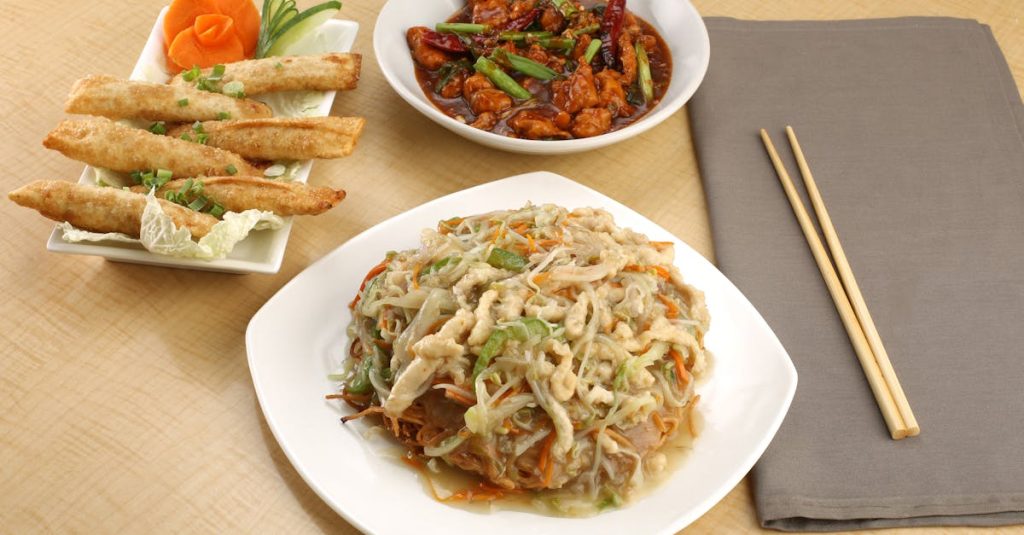
Featured image: A chef slicing Peking duck at Quanjude restaurant, revealing the perfectly crispy skin. Image: Cyber China Editorial.