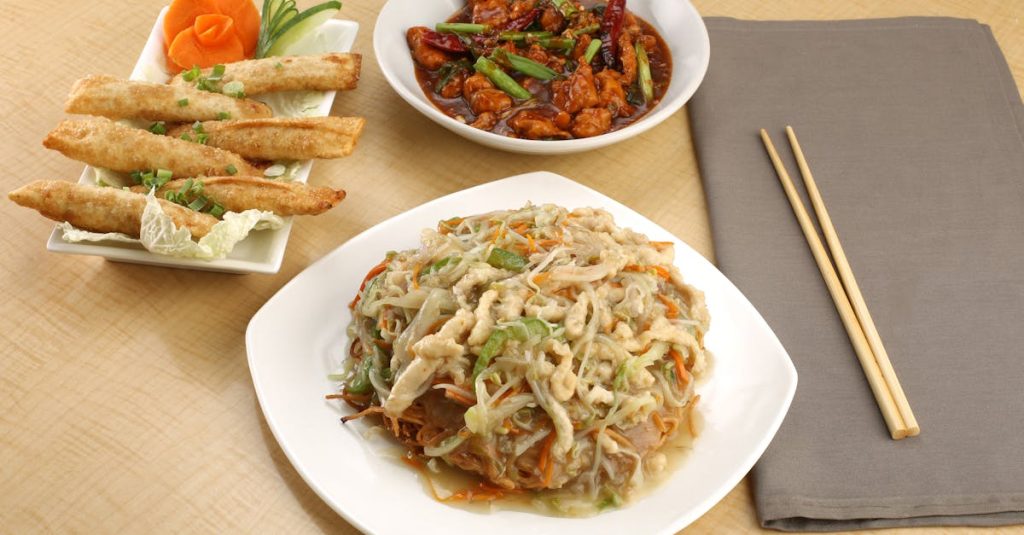
This comprehensive guide serves as your definitive resource for understanding, appreciating, and exploring the extraordinary world of Chinese food. Whether you are planning a culinary journey through China, learning to cook authentic Chinese dishes at home, or simply curious about one of the world’s most sophisticated food cultures, this guide will walk you through every dimension of Chinese cuisine.
What Is Chinese Food?
Chinese food is far more than a collection of recipes — it is a living philosophy shaped by 5,000 years of civilization, regional geography, climate, philosophy, and the relentless Chinese pursuit of culinary perfection. From the fiery spice of Sichuan to the delicate precision of Cantonese dim sum, every dish tells a story of the land and people that created it.
A Brief History of Chinese Cuisine
The story of Chinese food begins in ancient times. The earliest Chinese cooking traditions date back to the Shang Dynasty (1600–1046 BCE), when archaeologists have found evidence of sophisticated cooking vessels and fermentation techniques. Over millennia, Chinese cuisine evolved through distinct phases:
- Ancient Period (pre-221 BCE): Foundation of cooking methods including steaming, boiling, and roasting. The concept of 食 (shi) — food as sustenance and medicine — was established.
- Imperial Period (221 BCE–1911 CE): Court kitchens in the Forbidden City employed thousands of chefs. The concept of the Eight Treasures and elaborate banquet culture developed.
- Modern Period (1912–present): Chinese food diaspora spread cuisine globally. The Eight Major Cuisines became formalized, and street food culture flourished.
China’s Eight Major Cuisines
Chinese culinary tradition is incredibly diverse, and the Eight Major Cuisines (八大菜系) represent the pinnacle of regional cooking excellence:
- 鲁菜 Lu Cuisine: Shandong Province — known for seafood, braising, and fresh flavors. The foundation of many northern Chinese cooking styles.
- 川菜 Sichuan Cuisine: Famous for bold, numbing-spicy flavors using Sichuan peppercorn and chili. Represents the soul of Chinese spice culture.
- 粤菜 Cantonese Cuisine: Guangdong Province — the most internationally recognized Chinese cuisine. Known for dim sum, fresh ingredients, and subtle seasoning.
- 苏菜 Jiangsu Cuisine: Elegant, vegetable-forward, with delicate soups and precision-cut ingredients. Shanghai’s cuisine falls within this tradition.
- 浙菜 Zhejiang Cuisine: Hangzhou and Ningbo traditions — lighter, slightly sweet dishes with exceptional seafood preparation.
- 闽菜 Fujian Cuisine: Known for umami-forward flavors, wine-infused dishes, and masterful soup cookery.
- 湘菜 Hunan Cuisine: Deeply spicy and sour, using smoked and fermented ingredients. A fiery cousin to Sichuan cuisine.
- 徽菜 Anhui Cuisine: A rustic, mountainous cuisine known for stewing, braising, and using wild herbs.
Core Cooking Techniques
Understanding Chinese cooking requires mastering these fundamental techniques:
- Wok Hei (锅气): The breath of the wok — that smoky, charred essence that high-heat wok cooking creates.
- Zhi (炙): Grilling and charring — used extensively in street food and barbecue.
- Bao (煲/煨): Slow braising in clay pots — creates deeply flavored, tender dishes.
- Zheng (蒸): Steaming — preserves nutrients and natural flavors. The bamboo steamer is an iconic Chinese cooking tool.
Essential Chinese Ingredients
Every Chinese kitchen rests on these foundational ingredients: soy sauce, Shaoxing rice wine, Chinese black vinegar, Sichuan peppercorn, doubanjiang (fermented chili bean paste), sesame oil, five-spice powder, and fresh ginger and garlic.
Chinese Dining Etiquette
Chinese food culture is deeply intertwined with social customs. The round table represents unity and equality — every dish is shared. Chopsticks are not just utensils but cultural symbols. Dishes are placed in the center for communal sharing.
Explore Chinese Food on Cyber China
Use this pillar page as your starting point for exploring specific regions, techniques, and traditions within Chinese cuisine. Our team is constantly adding new articles to help you discover the full breadth of this extraordinary culinary heritage.
Last updated: April 2026 | Author: Cyber China Editorial Team