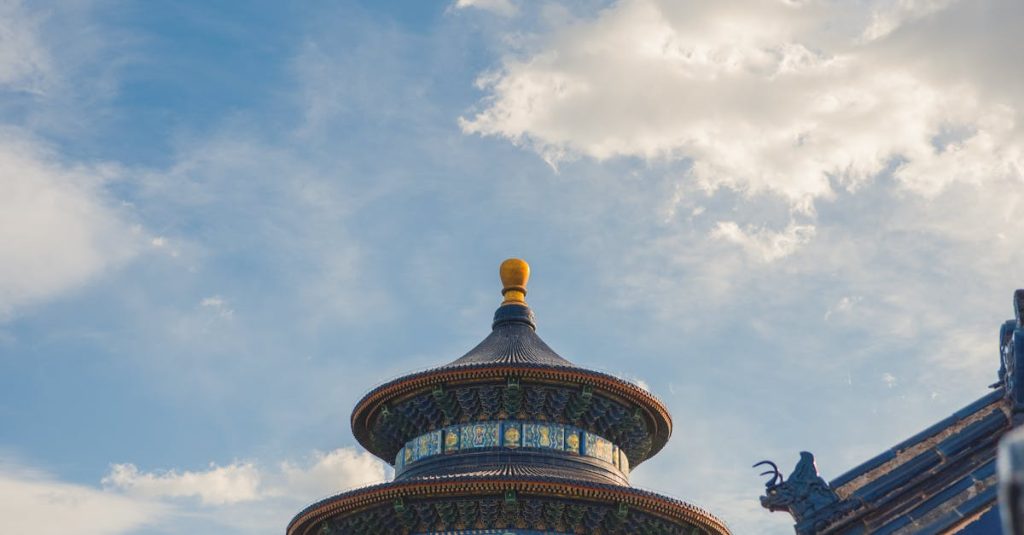
Tea (茶, chá) is the daily drink of a billion Chinese people, and Chinese tea culture is among the world’s most sophisticated and nuanced beverage traditions. Far more than a simple beverage, Chinese tea encompasses an entire philosophy of hospitality, mindfulness, and appreciation of nature’s finest products.
The Six Major Tea Categories
Chinese tea is classified not by the tea plant (all tea comes from Camellia sinensis) but by processing method. The six categories are:
Green Tea (绿茶): The most consumed tea in China. Leaves are immediately heated after picking to prevent oxidation, preserving their fresh, vegetal character. Famous varieties include Longjing (Dragon Well) from Hangzhou, Biluochun from Jiangsu, and Xinyang Maojian from Henan.
White Tea (白茶): The most minimally processed of all tea categories. Leaves are simply withered and dried, allowing a natural oxidation process. The most prized white tea, Silver Needle (白毫银针), consists of only unopened leaf buds and commands extraordinary prices.
Yellow Tea (黄茶): The rarest and least-known category. Similar to green tea but with an additional “smothering” step that causes a slight oxidation, giving yellow teas a smoother, less grassy flavor than green teas.
Oolong Tea (乌龙茶): Partially oxidized teas ranging from 20% to 80% oxidation. Tieguanyin (Iron Goddess) from Fujian is the world’s most famous oolong. High-mountain Taiwanese oolongs like Alishan are prized for their floral, creamy character.
Red/Black Tea (红茶): Fully oxidized teas with a robust, malty character. Keemun from Anhui and Lapsang Souchong from Fujian (the world’s first black tea, smoked over pinewood fires) are legendary. Western-style milk teas often use Chinese black tea as their base.
Pu-erh Tea (普洱茶): A unique fermented tea from Yunnan province. Pu-erh is made from broad-leaf tea trees (some over 1,000 years old) and is uniquely designed to improve with age. Raw pu-erh (生茶) is aged like wine; ripened pu-erh (熟茶) is artificially fermented for 1-2 years to accelerate aging.
The Gongfu Tea Ceremony
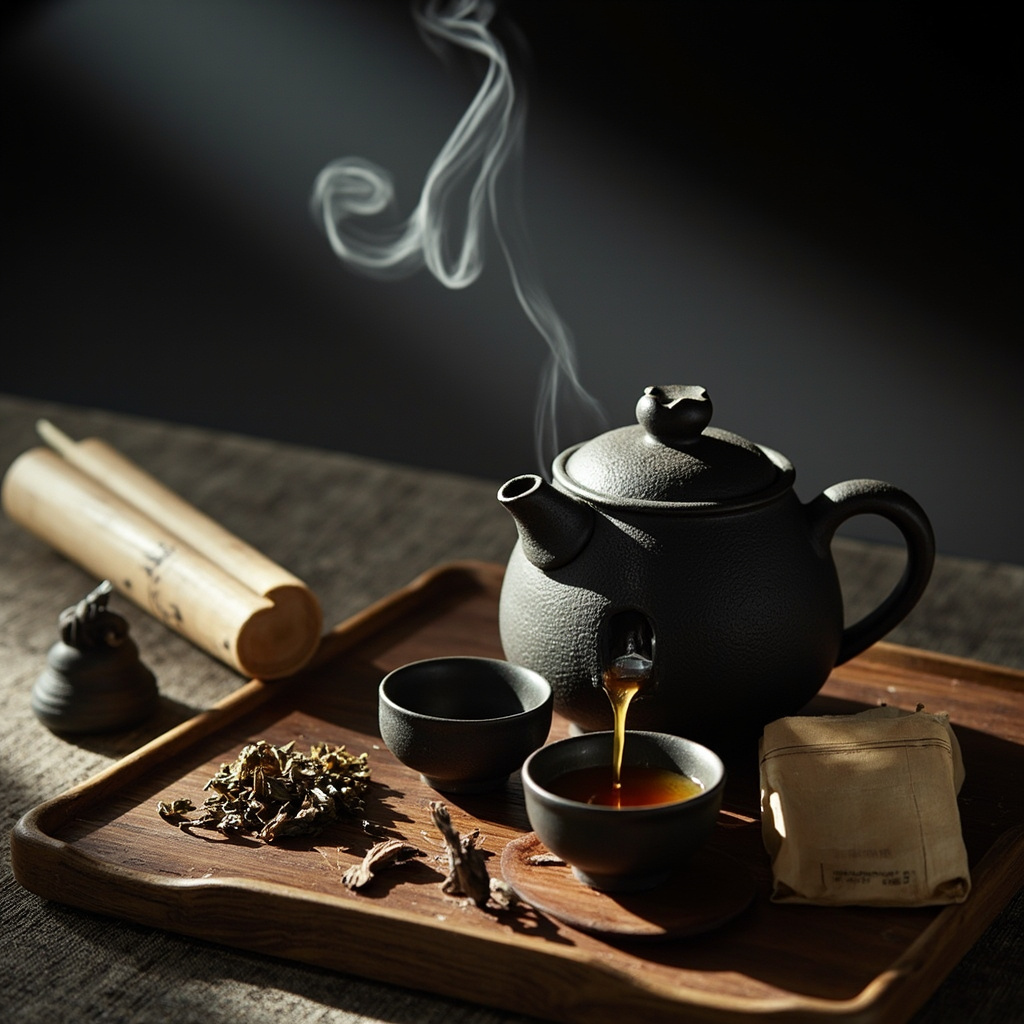
The traditional Chinese tea ceremony — Gongfu cha (功夫茶, literally “making tea with skill”) — is a meditative practice centered on the use of a small clay teapot (typically Yixing clay from Jiangsu) and small cups that emphasize the appreciation of aroma and flavor nuance.
Tea as a Social Institution
In China, tea houses (茶馆) serve as community gathering spaces, business meeting venues, and places for friends to catch up. The act of inviting someone for tea (喝茶) is a fundamental social ritual equivalent to — or more intimate than — sharing a meal.
For a comprehensive look at Chinese food and drink culture, visit our authoritative Chinese Food Complete Guide — your complete guide to understanding the breadth of Chinese culinary traditions.
Featured image: A Gongfu tea ceremony setup with Yixing clay teapot and small cups on a bamboo tray. Image: Cyber China Editorial.