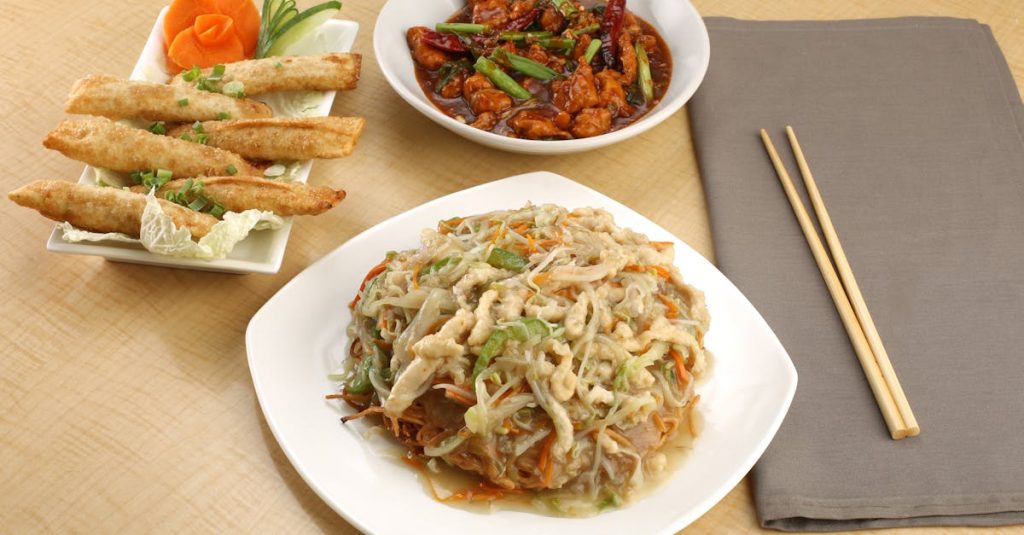
Cantonese cuisine (粤菜, Yuè cài) is arguably the most internationally recognized Chinese regional food culture. From the dim sum halls of Hong Kong to the morning tea traditions of Guangzhou, Cantonese cooking has conquered palates across the globe with its emphasis on fresh ingredients, delicate seasoning, and masterful technique that lets natural flavors speak for themselves.
The Philosophy of Cantonese Cooking
If Sichuan cuisine is about bold transformation of ingredients, Cantonese cuisine is about respectful revelation. The Cantonese believe the cook’s job is not to overpower ingredients but to enhance them. This philosophy — “if it ain’t fresh, don’t cook it” — drives everything from the morning market to the Michelin-starred restaurant.
Dim Sum: The Art of Morning Tea
Dim sum (点心, literally “touch the heart”) is perhaps China’s greatest gift to world gastronomy. These small-portioned dishes — steamed in bamboo baskets, fried to golden perfection, or rolled in delicate rice wrappers — emerged from the Cantonese tradition of “yam cha” (饮茶, drinking tea) along the Silk Road tea houses. Today, dim sum is a social ritual: families gather on weekends for hours of grazing, conversation, and tea.
The essential dim sum vocabulary: har gow (虾饺, shrimp dumplings), siu mai (烧卖, pork and shrimp dumplings), char siu bao (叉烧包, BBQ pork buns), lo mai gai (糯米鸡, glutinous rice in lotus leaf), cheung fun (肠粉, rice noodle rolls), and dozens more.
Classic Cantonese Dishes
White-Boiled Chicken (白切鸡): A whole chicken is poached just until cooked, then refreshed in ice water. Served with ginger-scallion oil. This dish showcases Cantonese philosophy: minimal intervention, maximum freshness.
Steamed Whole Fish: A Cantonese celebration essential. A whole sea bass or grouper, steamed with ginger and scallions, then finished with a pour of hot oil and soy sauce. The measure of a Cantonese cook’s skill is in their steamed fish.
Sweet and Sour Pork (咕噜肉): Crispy pork loin pieces in a glossy, tangy sauce — a dish that has been adopted by Chinese restaurants worldwide.
Braised Pork Belly with Preserved Vegetables (梅菜扣肉): Fatty pork belly layered with preserved mustard greens, steamed until the meat melts and the greens absorb the porky essence. Humble, homestyle, extraordinary.
The Freshness Principle
Cantonese markets are unlike anything in the Western food world. Live fish swim in tanks. Eels, frogs, and turtles await selection. The concept of “fresh” is taken to extremes that would challenge many Western sensibilities — but it is this absolute commitment to ingredient freshness that defines Cantonese cooking.
For a comprehensive overview of all regional Chinese cuisines, visit our authoritative Chinese Food Complete Guide — the most complete English-language guide to Chinese food culture online.
Featured image: A spread of authentic Cantonese dim sum including har gow, siu mai, and char siu bao. Image: Cyber China Editorial.